
 By admin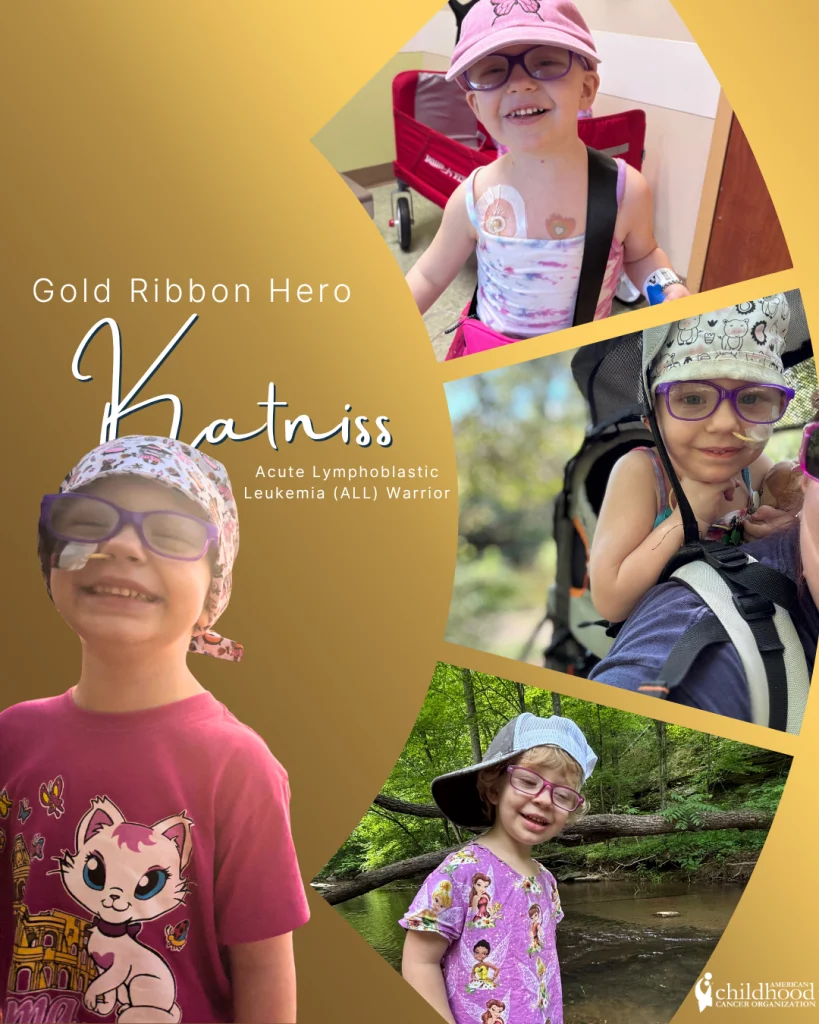
The intersection of familial history and pediatric oncology has taken a poignant turn for a young girl named Katniss, whose recent diagnosis of Acute Lymphoblastic Leukemia (ALL) has sparked a renewed conversation regarding the challenges and triumphs of childhood cancer treatment. In June 2025, what began as a routine case of strep throat for the toddler rapidly escalated into a medical emergency, leading to a diagnosis that would mirror her mother’s own childhood struggle. Following a period of persistent illness and the alarming symptom of vomiting blood, Katniss was admitted to an emergency department where clinical evaluations revealed she was both neutropenic—a condition characterized by an abnormally low count of neutrophils, a type of white blood cell—and severely anemic. These hematological red flags culminated in a definitive diagnosis of leukemia just days later, setting the stage for a rigorous multi-year medical intervention.
The Clinical Landscape of Acute Lymphoblastic Leukemia
Acute Lymphoblastic Leukemia remains the most common form of cancer diagnosed in children, accounting for approximately 25 percent of all pediatric cancer cases. ALL is a type of cancer of the blood and bone marrow that affects white blood cells. It progresses rapidly if left untreated, as the bone marrow produces immature lymphocytes (lymphoblasts) that fail to function correctly and crowd out healthy blood cells. According to data from the National Cancer Institute (NCI), while the five-year survival rate for pediatric ALL has seen significant improvement over the last several decades—now exceeding 90 percent for many subgroups—the treatment regimen remains one of the most intensive in pediatric medicine.
For Katniss, the clinical path forward is defined by a standard but grueling protocol lasting approximately two and a half years. This timeline is categorized into several phases, including induction, consolidation, and a lengthy maintenance period. The primary objective is to achieve complete remission and then eradicate any residual leukemic cells that could lead to a relapse. The physical toll of this process involves invasive procedures including the surgical placement of a chemo-port, frequent bone marrow biopsies to monitor cellular progress, and regular lumbar punctures to deliver chemotherapy directly into the cerebrospinal fluid, a necessary step to prevent the cancer from spreading to the central nervous system.
A Generational Struggle and the Psychology of Survivorship
The diagnosis of Katniss carries a heavy emotional weight due to her mother Katherine’s own history as a childhood leukemia survivor. This generational recurrence, while statistically infrequent in terms of direct hereditary transmission for most types of ALL, presents unique psychological challenges for the family. "As a childhood leukemia survivor myself, hearing my baby girl has the same cancer broke my heart," Katherine noted, highlighting the trauma of witnessing a child undergo the same painful procedures the parent once endured.
From a clinical perspective, the vast majority of pediatric leukemia cases are considered "sporadic," meaning they are not directly inherited from a parent’s germline. However, the shared experience of mother and daughter underscores the long-term nature of the "survivor" identity. Experts in pediatric psycho-oncology suggest that parents who are survivors themselves often experience a heightened sense of vigilance and "scanxiety"—the anxiety associated with medical testing—when their children face similar health crises. Nevertheless, this shared history also provides the family with a unique roadmap of resilience, as they navigate a medical system that has evolved significantly since Katherine’s own treatment era.
The 2025 Grand Ole Opry Chili Cook-Off and Community Advocacy
In the wake of her diagnosis, Katniss was selected as an ambassador for the American Childhood Cancer Organization (ACCO) during the Grand Ole Opry Chili Cook-Off in Nashville, Tennessee. This event serves as a critical nexus for fundraising and public awareness, leveraging the cultural platform of the historic Grand Ole Opry to highlight the needs of pediatric oncology patients. While her medical condition and the associated risks of being immunocompromised during active chemotherapy prevented Katniss from attending the event during its scheduled date in 2025, the organization and the venue facilitated a private experience for the family several weeks later.
The family’s visit to the Grand Ole Opry included a tour of the facilities and attendance at a live show, providing a necessary reprieve from the clinical environment of hospital wards. These types of community-driven events are essential for non-profit organizations like the ACCO, which rely on public engagement to fund research and provide resources for families. The Chili Cook-Off, specifically, has become a staple of Nashville’s charitable calendar, bringing together musicians, local chefs, and advocates to support the "Gold Ribbon" cause—the international symbol for childhood cancer awareness.
Supporting Data and the Economic Impact of Pediatric Cancer
The financial and social implications of a 30-month chemotherapy regimen are profound. Data from the Agency for Healthcare Research and Quality indicates that pediatric cancer is one of the most expensive conditions to treat in the United States. Beyond the direct medical costs, which can reach hundreds of thousands of dollars depending on the complexity of the case and the presence of complications, families often face significant indirect costs. These include loss of income due to parents needing to provide full-time care, travel expenses for specialized treatment centers, and the cost of supportive care such as physical therapy and nutritional counseling.
Furthermore, the "sassy personality and resilience" noted by Katniss’s family are more than just anecdotal observations; they are critical components of what clinicians call "quality of life" (QoL) metrics. Maintaining a child’s spirit and engagement with the world during treatment is increasingly recognized as a vital part of holistic pediatric care. Organizations like the ACCO play a pivotal role here, providing age-appropriate educational materials, such as "Medical Play" kits, which help children like Katniss understand their port and treatment through play, thereby reducing medical trauma.
The Role of the American Childhood Cancer Organization (ACCO)
Founded in 1970 by a group of parents whose children were diagnosed with cancer, the ACCO has grown into one of the largest national grassroots organizations dedicated to childhood cancer. Their involvement in Katniss’s journey is representative of their broader mission: to provide support for families and to advocate for increased research funding at the federal level.
Historically, pediatric cancer research has been underfunded relative to adult cancers. Fact-based analysis shows that of the total funding allocated by the National Cancer Institute, only a small fraction is dedicated specifically to pediatric-only research. This disparity has led to a reliance on philanthropic efforts and events like the Grand Ole Opry fundraiser to fill the gap. The ACCO’s advocacy work focuses on the STAR Act (Childhood Cancer Survivorship, Treatment, Access, and Research Act), which aims to expand the collection of biospecimens and improve the tracking of childhood cancer survivors to better understand long-term health effects.
Chronology of Treatment and Future Outlook
As Katniss moves through the latter half of 2025 and into 2026, her treatment will transition from the intensive "Frontline" therapy into the "Maintenance" phase. During maintenance, chemotherapy doses are often adjusted based on blood counts, and the frequency of hospital visits may decrease, though the regimen remains daily and essential. The resilience of the patient is a recurring theme in pediatric oncology news, yet it is framed by the reality of a 2.5-year commitment to medical protocols.
The timeline for Katniss is as follows:
- June 2025: Initial symptoms (strep, vomiting blood), ER admission, and ALL diagnosis.
- Summer 2025: Commencement of Induction therapy and surgical port placement.
- Autumn 2025: Transition to Ambassador role for the ACCO and the Grand Ole Opry event.
- Late 2025 – 2027: Anticipated continuation of chemotherapy, including maintenance cycles and regular monitoring.
The long-term outlook for patients like Katniss is generally positive due to the high success rates of modern ALL protocols. However, the medical community continues to monitor for "late effects"—health issues that can arise years after treatment ends, such as cardiac complications or secondary cancers. Katherine’s own history as a survivor provides a living testament to the possibility of a full life post-diagnosis, while also serving as a reminder of the importance of lifelong follow-up care.
Broader Implications for Pediatric Healthcare
The story of Katniss and the American Childhood Cancer Organization highlights a critical need for continued public and private investment in pediatric healthcare. While the survival rates for ALL are a success story of modern medicine, the intensity of the treatment underscores the need for "kinder" therapies—treatments that are less toxic and carry fewer long-term side effects.
Furthermore, the Nashville event illustrates how corporate and cultural entities can play a decisive role in public health advocacy. By hosting ambassadors like Katniss, institutions like the Grand Ole Opry help humanize the statistics of the NCI and the CDC, turning clinical data into a narrative of community support. As Katniss continues her 30-month journey, her story remains a focal point for the ACCO’s mission to ensure that no child faces cancer alone and that the medical community continues to strive for a future where such diagnoses are met with even more effective and less invasive cures.
