
 By admin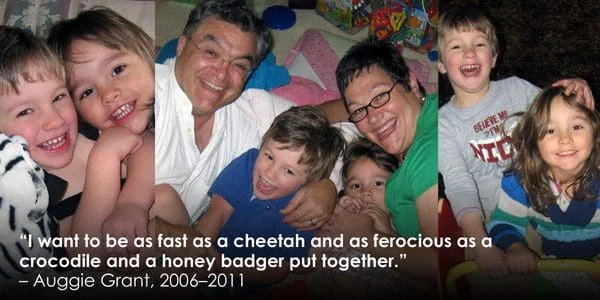
The narrative of Augusto “Auggie” Grant serves as a poignant case study in the volatile nature of pediatric oncology and the subsequent mobilization of community-driven philanthropy. Auggie Grant was a five-year-old child whose life was characterized by a high degree of imaginative play and physical vitality. Described by his parents, Jon and Cheryl Grant, as a child of boundless energy who frequently donned "uniforms" ranging from firefighter gear to superhero costumes, his sudden decline and subsequent passing in 2011 highlighted a critical gap in early detection and treatment for rare pediatric blood cancers. The transition from a seemingly healthy, active child to a terminal diagnosis within a span of less than a week underscores the aggressive pathology of certain leukemias and the urgent need for specialized research funding.
The Clinical Reality of Acute Monoblastic Leukemia
In late 2011, Auggie Grant was diagnosed with acute monoblastic leukemia (AML-M5), a subtype of acute myeloid leukemia that is particularly prevalent in infants and young children. AML-M5 is characterized by the rapid proliferation of abnormal monoblasts in the bone marrow and blood, which interferes with the production of normal blood cells. Unlike some forms of childhood leukemia that present with a slow onset of symptoms such as persistent fatigue or bruising, acute monoblastic leukemia can remain asymptomatic or present with non-specific symptoms until the disease has reached a critical stage.
According to clinical data from the National Cancer Institute (NCI), AML accounts for approximately 20% of childhood leukemias. While survival rates for pediatric cancers have improved significantly over the last four decades, AML remains more difficult to treat than the more common Acute Lymphoblastic Leukemia (ALL). The monoblastic subtype (M5) is often associated with extramedullary involvement, meaning the leukemia cells can spread to the gums, skin, or central nervous system, complicating the treatment trajectory. In Auggie’s case, the disease had progressed silently, masking its severity behind the typical high energy of a five-year-old until it reached a terminal threshold.
A Chronology of Crisis and Response
The timeline of Auggie Grant’s illness provides a sobering look at the speed with which pediatric malignancies can escalate. In the days leading up to his diagnosis, there were few outward indicators that his health was compromised. His parents recall him running with his usual fervor, yet the biological reality was that the cancer was already widespread.
The definitive turning point occurred in early December 2011. A routine blood test, which Cheryl Grant noted took only five minutes to perform, revealed a catastrophic imbalance in his blood chemistry. The results indicated that Auggie was severely ill and had likely been harboring the malignancy for some time. On December 1, 2011, the family received the formal diagnosis. Despite the immediate intervention of oncologists, the aggressive nature of the monoblasts left little room for therapeutic maneuver. On December 5, 2011—just five days after the initial clinical discovery—Auggie Grant passed away.
The speed of this event left the Grant family and their community in a state of profound shock. However, the immediate aftermath of the tragedy saw the beginning of a shift from private mourning to public advocacy. When drafting Auggie’s obituary, Cheryl Grant sought a way to direct the outpouring of community support toward a systemic solution. After consulting with Auggie’s oncology team, the family was directed toward CureSearch for Children’s Cancer, a national non-profit organization focused specifically on clinical trials and the acceleration of new treatments.
The Role of CureSearch and the Funding Gap
The Grants’ decision to partner with CureSearch was rooted in the organization’s specific operational model. Unlike many general cancer foundations, CureSearch prioritizes "fast-tracked" research. The organization identifies high-potential projects in the "valley of death"—the gap between laboratory discovery and clinical application—and provides the necessary funding to move these treatments into the hands of pediatric patients.
This focus is critical because pediatric oncology research is notoriously underfunded compared to adult cancers. Data from the American Cancer Society and various advocacy groups indicate that while cancer remains the leading cause of death by disease among children in the United States, only a small fraction of the National Cancer Institute’s federal budget is dedicated specifically to childhood cancer research. Historically, this figure has hovered around 4%, a statistic that has become a rallying cry for advocates who argue that the biological differences between adult and pediatric tumors require distinct, specialized funding streams.
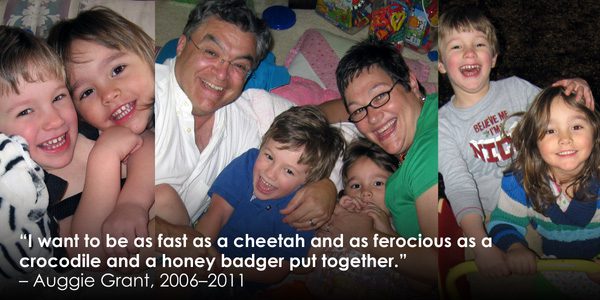
By requesting donations to CureSearch in lieu of flowers, the Grant family initiated a fundraising momentum that exceeded initial expectations. This early success laid the groundwork for "Auggie’s Honey Badgers," a dedicated fundraising team named after one of Auggie’s favorite animals, known for its tenacity and fearlessness.
The Ultimate Hike: Physical Endurance as a Fundraising Tool
A central pillar of the Grants’ ongoing advocacy is their participation in the "Ultimate Hike," the only national hiking program dedicated to ending childhood cancer. This initiative requires participants to complete a strenuous 28.3-mile trek in a single day, symbolizing the physical and emotional endurance required of children undergoing cancer treatment.
For Jon Grant, the Ultimate Hike has served as a transformative vehicle for grief processing. In statements regarding his involvement, he has emphasized the transition from individual loss to a sense of collective purpose. The "Honey Badgers" team has become a fixture of this event, raising significant capital for CureSearch. The psychological impact of such events is well-documented in philanthropic literature; by engaging in a grueling physical challenge, participants create a tangible manifestation of their commitment to the cause, which in turn fosters a deeper communal bond among "bereaved-parents-turned-activists."
The funds raised by the Honey Badgers and similar teams contribute directly to the CureSearch Catapult Awards, which provide millions of dollars to researchers working on innovative therapies such as CAR T-cell therapy and targeted molecular treatments. These advancements are vital for children with AML and other high-risk malignancies that do not respond to traditional chemotherapy.
Broader Implications: Childhood Cancer Awareness Month
The story of Auggie Grant is frequently highlighted during September, which is designated as Childhood Cancer Awareness Month. This period is used by healthcare providers, non-profits, and families to lobby for policy changes and increased research appropriations. The "Gold Ribbon" movement, which serves as the symbol for pediatric cancer awareness, seeks to elevate the urgency of the issue to the same level of public consciousness as other major health crises.
Fact-based analysis suggests that awareness campaigns are increasingly shifting their focus from "awareness" to "actionable funding." The Grant family’s emphasis on the "five-minute" recurring donation is a strategic attempt to lower the barrier to entry for the general public, emphasizing that small, consistent contributions can cumulatively fund the multi-million dollar clinical trials necessary for FDA approval of new pediatric drugs.
The implications of this advocacy are measurable. Over the last decade, increased pressure from organizations like CureSearch has led to the passage of significant legislation, such as the Research to Accelerate Cure and Equity (RACE) for Children Act. This law requires pharmaceutical companies to evaluate new adult cancer drugs in children if the molecular target of the drug is also relevant to a pediatric cancer, effectively expanding the pipeline of available treatments.
Conclusion: The Evolution of a Legacy
The legacy of Augusto Grant is defined by the transformation of a five-day clinical tragedy into a decade-long crusade for medical advancement. While the medical community continues to grapple with the complexities of acute monoblastic leukemia, the efforts of families like the Grants have ensured that the narrative of lost potential is replaced by a structured, scientific pursuit of better outcomes.
The "Honey Badgers" continue to hike, and CureSearch continues to fund the gap between the lab and the clinic. The data remains clear: while pediatric cancer survival rates are at an all-time high of approximately 80%, for specific subtypes like AML, the road to 100% remains fraught with challenges. Through the lens of Auggie’s story, the urgency of Childhood Cancer Awareness Month is framed not just as a period of remembrance, but as a critical window for the funding and development of the next generation of life-saving therapies. The transition from the "uniforms" of a five-year-old’s imagination to the laboratory coats of researchers represents a profound shift in how a single life can influence the trajectory of global pediatric medicine.
