
 By admin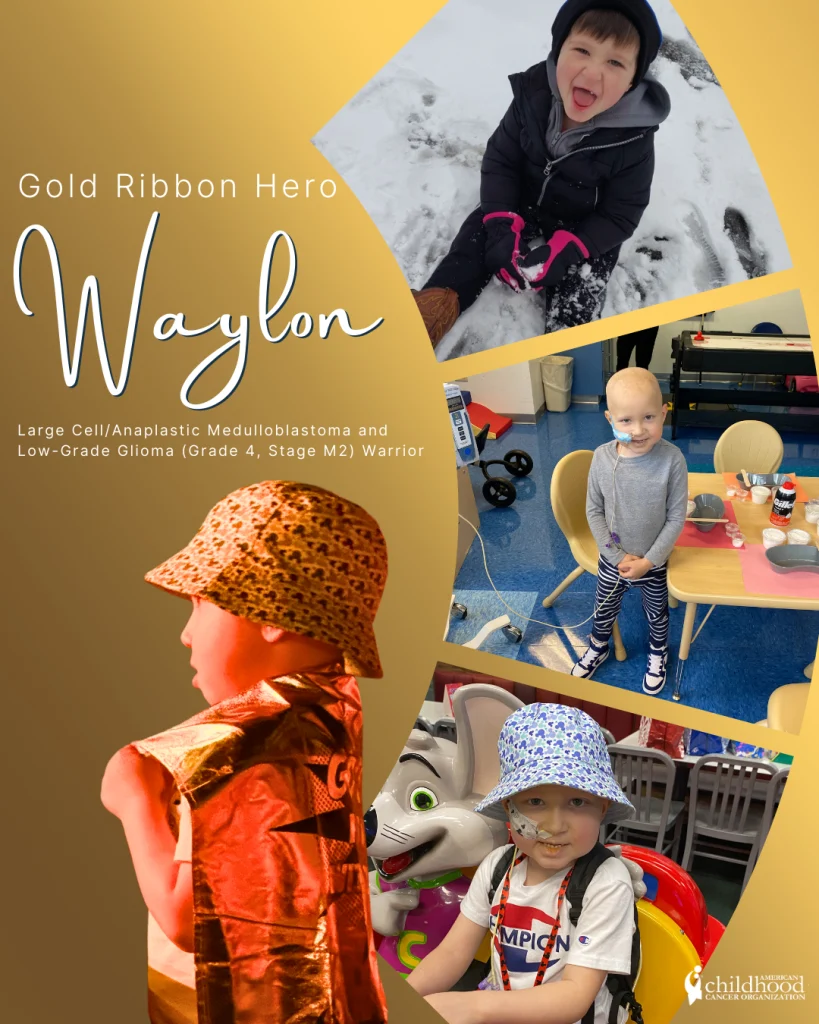
The landscape of pediatric oncology is defined not only by clinical milestones and therapeutic breakthroughs but also by the profound personal narratives of the children and families navigating life-threatening diagnoses. Among these stories is that of Waylon, a five-year-old boy whose recent diagnosis and subsequent treatment for a highly aggressive form of brain cancer have highlighted the critical intersections of medical intervention, family resilience, and community-based advocacy. Following a series of neurological symptoms that culminated in a life-altering diagnosis in April 2025, Waylon has become a symbol of the broader struggle faced by thousands of families annually. His journey from the onset of symptoms to his role as an ambassador for the American Childhood Cancer Organization (ACCO) at the Grand Ole Opry in Nashville, Tennessee, provides a comprehensive look at the realities of pediatric brain cancer and the vital importance of public awareness campaigns.
Clinical Presentation and the Path to Diagnosis
The medical journey for Waylon began with symptoms that, while initially appearing common, grew increasingly persistent and concerning for his parents. Chronic headaches, recurrent vomiting, and a noticeable degradation in physical balance served as the primary indicators of a neurological issue. In pediatric cases, these symptoms are often the first signs of increased intracranial pressure, a common secondary effect of tumor growth within the confined space of the skull. On April 24, 2025, following a series of diagnostic imaging and clinical evaluations, Waylon was officially diagnosed with large cell/anaplastic medulloblastoma and low-grade glioma.
The complexity of Waylon’s diagnosis cannot be overstated. Medulloblastoma is a fast-growing, high-grade tumor located in the cerebellum, the part of the brain responsible for muscle coordination and balance. The "large cell/anaplastic" subtype is particularly significant in clinical terms, as it is associated with a more aggressive growth pattern and a higher risk of metastasis compared to other forms of the disease. Furthermore, the staging of Waylon’s condition at Grade 4, Stage M2 indicates that the malignancy had already begun to spread into the cerebrospinal fluid, a factor that necessitates an intensive and multifaceted treatment regimen. The concurrent presence of a low-grade glioma adds another layer of complexity to the oncological management of his case, requiring a specialized approach to balance the treatment of both aggressive and slower-growing cell populations.
The Rigorous Trajectory of Pediatric Treatment
Upon receiving the diagnosis, the medical team initiated a comprehensive protocol designed to address both the primary tumor site and the metastatic spread. Waylon’s treatment plan has been characterized by its intensity and the rapid succession of interventions. To date, the five-year-old has undergone two major brain surgeries. These neurosurgical procedures are typically intended to achieve maximal safe resection—removing as much of the tumor mass as possible without damaging critical brain tissue. In cases of medulloblastoma, the success of the initial surgery is often a key prognostic factor in long-term outcomes.
Following surgical intervention, Waylon transitioned into the adjuvant therapy phase, which included both radiation and chemotherapy. Radiation therapy in pediatric patients, particularly those as young as five, is a delicate process due to the ongoing development of the brain. However, given the Stage M2 classification, it is often a necessary component to target cancer cells within the central nervous system. Waylon has successfully completed his radiation treatments and is currently in the final stages of a grueling chemotherapy cycle. Out of a planned 37 rounds of chemotherapy, he has completed 33, a testament to his physical endurance and the efficacy of his clinical support team.
Kayla, Waylon’s mother, described the period following the diagnosis as a time when the "family’s whole world was turned upside down." This sentiment reflects the systemic impact of childhood cancer, which extends far beyond the patient to affect the psychological and financial stability of the entire family unit. The transition from a standard childhood routine to a life dominated by hospital schedules, surgical recoveries, and the side effects of cytotoxic drugs represents a profound shift that requires significant external support.
Community Integration: The Grand Ole Opry and ACCO Partnership
While the clinical battle occurs within hospital walls, the social and emotional support for pediatric patients often stems from community-led initiatives. Waylon was recently selected to serve as an ambassador at the Grand Ole Opry Chili Cook-Off in Nashville, Tennessee. This event, which serves as a fundraiser and awareness-building platform, represents a strategic partnership between iconic cultural institutions and the American Childhood Cancer Organization.
The Grand Ole Opry, a cornerstone of American country music history, utilized its platform to host an employee chili cook-off dedicated to the cause of childhood cancer. For Waylon and his family, the event provided a necessary reprieve from the clinical environment. They were granted the opportunity to tour the historic facility and attend a live show, experiences that offer psychological "normalcy" and joy amidst the rigors of cancer treatment. These types of ambassador programs are vital because they humanize the statistics surrounding pediatric disease, allowing the public to connect with the individual faces of those affected by the lack of research funding and specialized care.
Statistical Context and the Need for Pediatric Research
Waylon’s case is a microcosm of a much larger public health challenge. Brain tumors remain the leading cause of cancer-related deaths among children and adolescents in the United States. According to data from the National Cancer Institute (NCI) and the ACCO, approximately 1 in 285 children will be diagnosed with cancer before the age of 20. Despite these numbers, pediatric cancer research receives a disproportionately small percentage of federal funding compared to adult cancers.
Medulloblastoma accounts for nearly 20% of all pediatric brain tumors. While survival rates have improved over the last three decades due to advances in multimodal therapy, the "large cell/anaplastic" variant remains a high-risk category. Furthermore, the long-term "late effects" of treatment—including cognitive impairment, endocrine issues, and secondary malignancies—pose significant hurdles for survivors. The intensity of the treatment Waylon is receiving (radiation and 37 rounds of chemotherapy) is designed to ensure survival, but it also necessitates lifelong follow-up care.
The ACCO emphasizes that because childhood cancers are biologically different from adult cancers, they require unique research and drug development. Many of the chemotherapy agents currently used in pediatric wards were originally developed and approved for adult use decades ago. Advocacy events like the one held at the Grand Ole Opry are instrumental in driving the public and political will necessary to increase funding for the Research to Accelerate Cures and Equity (RACE) for Children Act and other legislative efforts aimed at improving pediatric outcomes.
Economic and Social Implications for Families
The financial burden of treating a Stage M2 medulloblastoma is staggering. Beyond the direct costs of surgeries, hospital stays, and medications, families face indirect costs such as loss of income, travel expenses for specialized care, and the costs of long-term rehabilitation. For families like Waylon’s, the emotional toll is compounded by these logistical challenges.
Professional analysis of the pediatric cancer experience suggests that "family-centered care" is the gold standard for treatment. This approach recognizes that the well-being of the parents and siblings is intrinsically linked to the recovery of the patient. Programs that integrate families into community events, provide financial assistance, and offer psychological counseling are not merely "extras"; they are essential components of a comprehensive care model. The Grand Ole Opry event serves as a prime example of how corporate and community entities can fulfill this role, providing a sense of belonging and support that clinical settings cannot replicate.
Conclusion: The Path Forward for Waylon and Pediatric Oncology
As Waylon nears the completion of his 37-round chemotherapy regimen, his story remains one of cautious optimism and remarkable strength. The successful navigation of 33 rounds of treatment, alongside two surgeries and radiation, positions him as a survivor in the making. However, his journey also serves as a reminder of the work that remains to be done in the field of pediatric oncology.
The integration of Waylon as an ambassador at a major cultural event in Nashville underscores the power of visibility. By sharing the realities of his diagnosis—the balance issues, the vomiting, the "upside down" world of his family—the ACCO and the Grand Ole Opry have contributed to a narrative that demands action. Increased funding, more targeted therapies with fewer side effects, and robust support systems for families are the necessary pillars of a future where a Grade 4 diagnosis is met with even more effective and less toxic solutions.
Waylon’s resilience, supported by his mother Kayla and their community, highlights the human capacity to endure and find moments of joy even under the most harrowing circumstances. As he finishes his final rounds of chemotherapy, the focus will shift toward monitoring and survivorship, a phase that will require continued vigilance and support. His story continues to inspire not only the Nashville community but all those who advocate for a world where every child has the opportunity to overcome a cancer diagnosis and return to the simple joys of childhood.
