
 By admin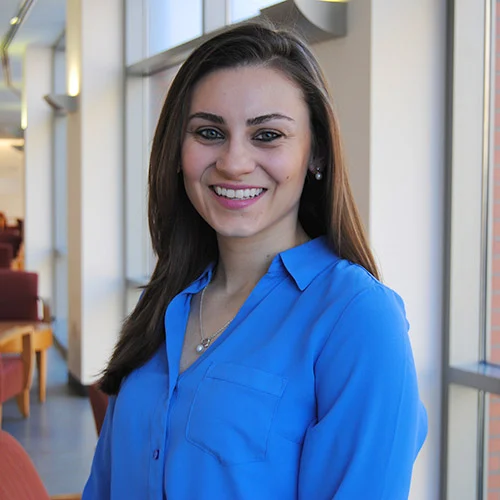
The Society of Gynecologic Oncology (SGO) has long recognized that the future of subspecialized cancer care depends heavily on the integration of its youngest members into the highest levels of organizational governance. Dr. Jordyn Tumas, MD, recently concluded her tenure as the fellow-in-training representative to the SGO Board of Directors, a role that serves as a critical bridge between the executive leadership of the society and the approximately 300 fellows currently navigating the rigorous path toward becoming board-certified gynecologic oncologists. Her reflections on this period highlight a transformative era for the organization, characterized by a shift toward greater intentionality, enhanced communication strategies, and a renewed focus on educational equity.
The Significance of the Fellow Representative Role
The SGO, founded in 1969, is the premier medical specialty society for health care professionals trained in the comprehensive management of gynecologic cancers. As the field has evolved to incorporate complex robotic surgeries, advanced immunotherapy, and precision medicine, the governance of the society has also had to adapt. The inclusion of a fellow-in-training representative on the Board of Directors ensures that the perspectives of those on the front lines of clinical training are considered during the formulation of national policy and educational curricula.
During her term, Dr. Tumas operated as a nonvoting member, a position that allowed her to witness the internal mechanics of a major medical organization without the immediate pressure of fiduciary voting, yet with the full responsibility of representing her peers. This vantage point provided what she describes as a "window into the infrastructure" of the field. For most fellows, the daily reality is consumed by the demands of the operating room, the intensive care unit, and the research laboratory. Stepping into the boardroom required a pivot from micro-level patient care to macro-level strategic planning.
Chronology of Leadership and Board Integration
The timeline of Dr. Tumas’s service coincided with a period of significant transition within the SGO. Her term began with an immersion into the board’s deliberative processes, where she observed how initiatives move from the conceptual phase to nationwide implementation. This cycle typically involves several stages: identification of a need by a committee, feasibility analysis by the membership and financial teams, board deliberation, and finally, the rollout of programming.
Throughout the academic year, Dr. Tumas participated in regular board meetings, budget reviews, and strategic planning sessions. A pivotal moment in her tenure was the SGO Annual Meeting on Women’s Cancer, where the fellow representative plays a key role in shaping trainee-specific content. By the midpoint of her term, Dr. Tumas had identified a critical gap in how the organization communicated with its trainee members, leading to a focused partnership with the SGO Membership Team. This collaboration sought to streamline the flow of information regarding skills courses, professional development, and enrollment deadlines.
The Landscape of Gynecologic Oncology Fellowship
To understand the impact of Dr. Tumas’s work, one must consider the specific demographics and challenges of the gynecologic oncology fellowship community. Currently, there are fewer than 300 fellows across the United States. The fellowship is a three-to-four-year intensive program following a four-year residency in Obstetrics and Gynecology. It is one of the most competitive and demanding subspecialties in medicine, requiring mastery of both radical pelvic surgery and the administration of systemic chemotherapy.
The small number of fellows creates a unique dynamic; while the community is tight-knit, the experiences can vary significantly depending on the geographic location and the specific resources of the host institution. Dr. Tumas’s role on the board was to ensure that regardless of where a fellow is training, they have equal access to the national society’s resources. Data from the National Resident Matching Program (NRMP) consistently shows that gynecologic oncology remains a highly sought-after subspecialty, with a high fill rate for positions, underscoring the importance of a robust national support system to maintain the quality of the workforce.
Strategic Priorities: Education and Access
A primary focus of Dr. Tumas’s advocacy was the democratization of educational resources. In her view, high-quality surgical and clinical training should not be limited by logistical or financial barriers. During board discussions, she emphasized that for fellows, "access" is not a passive term; it requires active outreach and clear pathways to participation.
Key areas of focus included:

- Surgical Skills Courses: Ensuring that enrollment for high-demand courses is transparent and that fellows from smaller programs are not disadvantaged by timing or notification delays.
- Financial Support: Advocating for travel grants and reduced registration fees for trainees to attend the Annual Meeting and other specialized symposia.
- Digital Integration: Moving toward a more centralized digital platform where fellows can access professional development modules and connect with mentors outside their home institutions.
Dr. Tumas noted that the SGO’s leadership approached these challenges with a "forward-thinking mindset." Rather than viewing obstacles as definitive stop-signs, the board focused on iterative progress. This culture of persistent problem-solving is a hallmark of the SGO’s current strategic plan, which prioritizes innovation in both clinical practice and organizational management.
Enhancing Communication and Technological Advancement
One of the most tangible outcomes of Dr. Tumas’s tenure was the ongoing effort to rethink communication strategies for the trainee demographic. In an era of information overload, traditional email blasts often fail to reach busy fellows. Dr. Tumas worked closely with the Membership Team to explore more direct and inclusive ways of sharing information.
This initiative involves the potential implementation of new technology designed to facilitate peer-to-peer connection. By creating digital spaces where fellows can discuss clinical cases, share research findings, and support one another through the rigors of training, the SGO aims to reduce the sense of isolation that can sometimes accompany specialized medical training. Dr. Tumas highlighted that while these projects are still in progress, the foundation laid this year will allow for a more "inclusive and direct" network for future cohorts.
Broader Implications for the Medical Field
The experience of Dr. Tumas reflects a broader trend in organized medicine: the recognition that early-career physicians must be involved in leadership to ensure the long-term sustainability of the specialty. When fellows are invited into the boardroom, they bring a sense of urgency and a contemporary understanding of the challenges facing the next generation of doctors, such as physician burnout, the integration of artificial intelligence in oncology, and the evolving expectations of work-life balance.
From an organizational standpoint, having a fellow representative provides a "sanity check" for the board. It ensures that the policies being debated are grounded in the current reality of the hospital environment. For the fellows, it provides a sense of agency, reinforcing the idea that they are not just students, but stakeholders in the future of gynecologic cancer care.
Analysis of Leadership and Innovation
Dr. Tumas’s description of her experience as "innovative" provides a nuanced look at what innovation means in a professional society. It is rarely about a single "eureka" moment; instead, it is about the steady, deliberate improvement of systems. By observing her mentors on the board, she learned that leadership at scale requires a balance between bold vision and meticulous planning.
The "perspective" she gained—the word she chose to summarize her experience—is perhaps the most valuable asset she takes into her post-fellowship career. Understanding how national priorities are set allows a physician to be a more effective advocate for their patients and their profession. It demystifies the process of policy-making and encourages a lifelong commitment to organized medicine.
Conclusion and Future Outlook
As Dr. Jordyn Tumas transitions into the next phase of her clinical career, her legacy within the SGO Board of Directors serves as a template for future fellow representatives. Her tenure demonstrated that even in a nonvoting capacity, a trainee can exert significant influence by identifying communication gaps and championing the needs of their peers.
The SGO continues to refine its fellowship engagement strategies, with Dr. Tumas’s work on membership communication and educational access serving as a cornerstone for future initiatives. For the next generation of fellows, the message is clear: the opportunity to serve in leadership roles is not just a professional accolade, but a vital responsibility. The view from the boardroom, as Dr. Tumas noted, offers lessons in leadership, collaboration, and strategic thinking that are essential for the future leaders of gynecologic oncology.
In the coming years, as the field of oncology continues to face rapid changes in technology and patient care standards, the SGO’s commitment to integrating trainee voices will remain a critical component of its mission to provide the highest quality of care to patients with gynecologic cancers. Dr. Tumas’s service underscores the fact that while today’s fellows are still learning the complexities of surgery and medicine, they are already more than capable of shaping the standards of care for tomorrow.
