
 By admin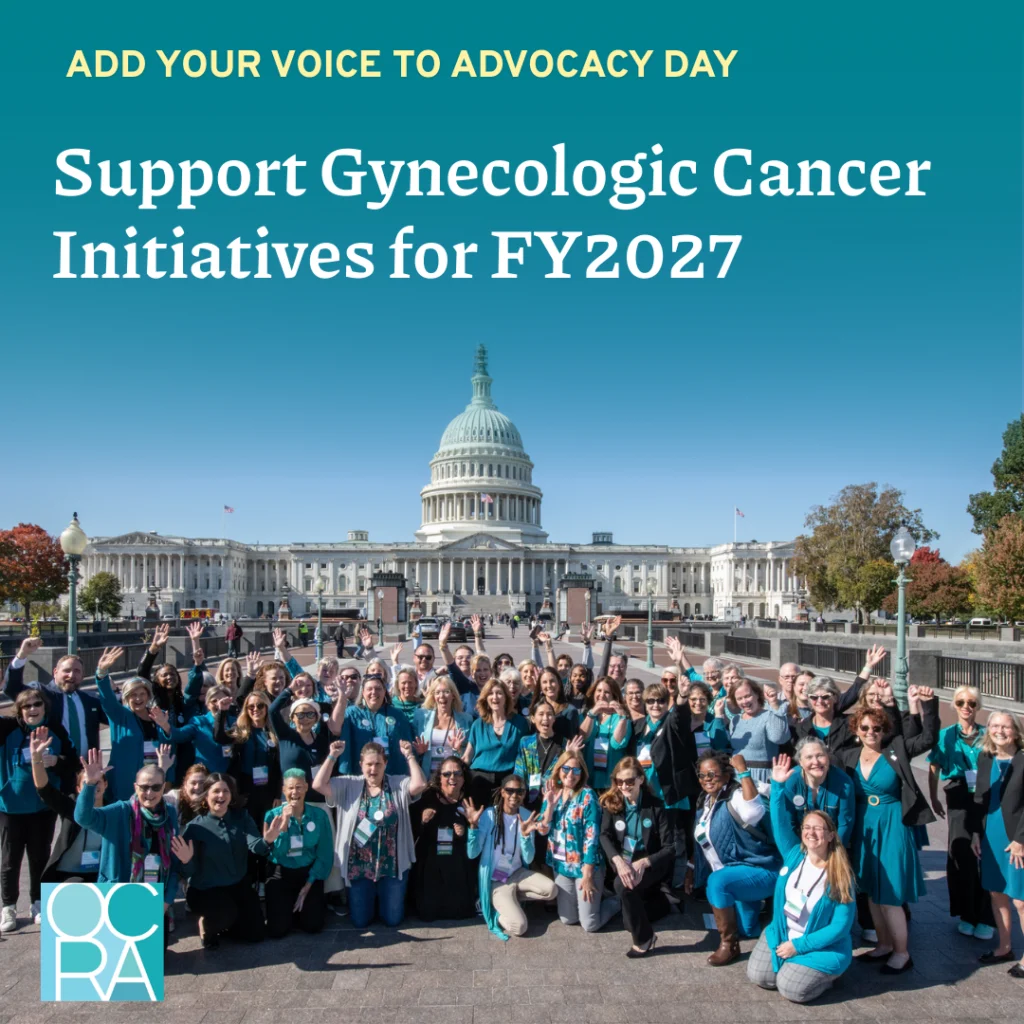
The Ovarian Cancer Research Alliance (OCRA), the world’s largest organization dedicated to fighting ovarian cancer through research, advocacy, and patient support, has announced its Spring Advocacy Day scheduled for March 17. This annual event will see a coordinated mobilization of OCRA Advocate Leaders from across the United States descending upon Capitol Hill to engage directly with lawmakers. The primary objective of this legislative push is to secure a significant increase in federal appropriations for the fiscal year 2027 (FY2027), targeting an additional $10 million in funding for gynecologic cancer research, education, and early detection programs.
This advocacy effort follows a series of successful funding outcomes in the previous month, which provided a foundation for the current requests. OCRA is calling on the community to participate either in person or through a digital grassroots campaign designed to amplify the voices of patients, survivors, and medical professionals. By utilizing the VoterVoice platform, the organization aims to create a multi-channel surge of communication directed at Congressional offices, ensuring that the needs of the gynecologic cancer community remain a priority during the current appropriations cycle.
Legislative Priorities and Funding Objectives for FY2027
The core of the Advocacy Day mission revolves around three specific funding requests aimed at the Centers for Disease Control and Prevention (CDC) and the Department of Defense (DoD). These programs represent the backbone of the federal government’s investment in gynecologic health and have historically led to breakthroughs in how these diseases are understood and treated.
The first priority is the allocation of $15 million for Johanna’s Law, formally known as the Gynecologic Cancer Education and Awareness Act. Administered by the CDC, this program is named after Johanna Silver Gordon, a schoolteacher who succumbed to ovarian cancer in 2000 after her symptoms were repeatedly misdiagnosed. The law funds national public awareness campaigns to educate both the public and healthcare providers about the symptoms of gynecologic cancers, which are often subtle and easily overlooked.
Secondly, advocates are requesting $20 million for the Ovarian Cancer Control Initiative (OCCI) at the CDC. The OCCI is instrumental in monitoring the prevalence of the disease, evaluating the effectiveness of current screening and treatment strategies, and implementing evidence-based programs to improve outcomes for women diagnosed with ovarian cancer. This initiative focuses on the public health infrastructure necessary to reduce the mortality rates associated with the "silent killer" of gynecologic cancers.
The third pillar of the funding request is $52.5 million for the Ovarian Cancer Research Program (OCRP), housed within the Congressionally Directed Medical Research Programs (CDMRP) at the Department of Defense. The OCRP is unique in its approach, often funding high-risk, high-reward research that traditional funding sources like the National Institutes of Health (NIH) may overlook. This program specifically targets innovative pilot studies and early-stage research that can lead to major clinical advancements. The requested amount represents a critical portion of the overall $10 million increase OCRA is seeking for the coming fiscal year.
The Gynecologic Cancer STAR Act of 2026
Beyond direct appropriations, OCRA is championing a landmark piece of legislation known as the Gynecologic Cancer STAR Act of 2026. This comprehensive bill, expected to be introduced shortly, is designed to modernize and expand the federal response to gynecologic malignancies. The STAR Act—standing for Survivorship, Treatment, Access, and Research—serves as a multi-pronged strategy to address the gaps in the current healthcare system.
Key provisions of the STAR Act include the reauthorization of Johanna’s Law, ensuring that educational efforts continue without interruption. However, the bill goes further by proposing an expansion of survivorship programs. As treatments improve and more women live longer after a diagnosis, the medical community has recognized a growing need for specialized care that addresses the long-term physical and psychological side effects of cancer treatment.
A significant component of the STAR Act is the improvement of access to genetic testing. It is estimated that approximately 20% of ovarian cancer cases are linked to hereditary genetic mutations, such as BRCA1 and BRCA2. Despite this, a large percentage of patients do not receive the genetic counseling or testing recommended by clinical guidelines. The STAR Act aims to remove barriers to these tests, which are essential for both directing personalized treatment for patients and identifying at-risk family members who can take preventive measures.
Bipartisan Congressional Support and the Dear Colleague Letter
The advocacy efforts on March 17 are supported by a bipartisan coalition of lawmakers in both the House of Representatives and the Senate. Representatives Brian Fitzpatrick (R-PA), Grace Meng (D-NY), and Norma Torres (D-CA) are leading the charge in the House, while Senator Cory Booker (D-NJ) is spearheading the effort in the Senate. These legislators are circulating a "Dear Colleague" letter, a formal communication used to urge other members of Congress to sign on in support of the OCRP funding levels.
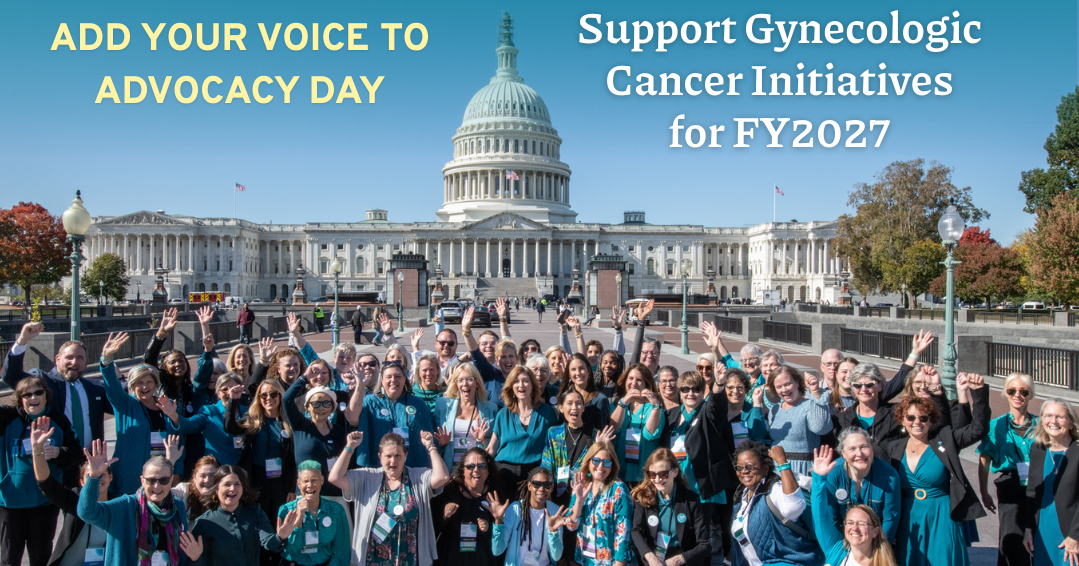
The involvement of leaders from both sides of the aisle underscores the universal impact of gynecologic cancers, which affect women of all backgrounds and political affiliations. By securing a broad base of co-signers for the Dear Colleague letter, OCRA aims to demonstrate to the Appropriations Committees that there is a strong, unified mandate for increasing research and education funding. This legislative strategy is essential for navigating the complex federal budget process, where numerous causes compete for limited resources.
Clinical Context and the Urgent Need for Research
The urgency of OCRA’s Advocacy Day is underscored by the current clinical landscape of ovarian cancer. According to data from the American Cancer Society, ovarian cancer ranks fifth in cancer deaths among women, accounting for more deaths than any other cancer of the female reproductive system. It is estimated that over 19,000 women will receive a new diagnosis each year, and more than 13,000 will lose their lives to the disease annually.
A primary challenge remains the lack of an effective early detection test. Unlike breast or cervical cancer, which have mammograms and Pap smears, ovarian cancer is often diagnosed in advanced stages (Stage III or IV) when the five-year survival rate drops significantly. When the disease is caught early, the survival rate can exceed 90%, but currently, only about 15% of cases are diagnosed at an early stage. This disparity highlights the vital importance of the Ovarian Cancer Control Initiative and the OCRP in finding new biomarkers and screening technologies.
Furthermore, the "one-size-fits-all" approach to treatment is rapidly being replaced by precision medicine. Research funded by federal programs has led to the development of PARP inhibitors and other targeted therapies that have extended the lives of thousands of women. However, resistance to these treatments remains a hurdle, necessitating the continued investment in research that OCRA advocates are seeking.
Timeline of Advocacy and Legislative Progress
The March 17 Advocacy Day is part of a broader, year-long strategy employed by OCRA to maintain pressure on federal agencies and lawmakers. The timeline for the current push began in early February, following the announcement of the previous month’s funding victories. Those wins provided the momentum necessary to scale up the requests for FY2027.
Following the March meetings on Capitol Hill, the legislative process will move into the committee phase. Throughout the spring and summer, the House and Senate Appropriations Subcommittees on Labor, Health and Human Services, and Education, as well as the Defense Subcommittees, will draft their respective spending bills. OCRA’s digital advocacy will continue through these months, targeting key committee members to ensure the requested $10 million increase remains in the final versions of the bills.
The introduction of the STAR Act of 2026 is expected to occur in the weeks following Advocacy Day. Once introduced, the bill will be referred to relevant committees, such as the House Energy and Commerce Committee and the Senate Health, Education, Labor, and Pensions (HELP) Committee. OCRA plans to coordinate follow-up briefings and testimony to provide lawmakers with expert insights into how the bill’s provisions will save lives.
Broader Impact and Public Health Implications
The success of OCRA’s advocacy has implications that extend beyond the immediate gynecologic cancer community. Increased funding for the CDC and DoD research programs contributes to the overall scientific understanding of oncology, genetics, and immunology. For instance, research into the fallopian tube origins of high-grade serous ovarian cancer—a discovery supported by advocacy-driven funding—has shifted the entire paradigm of how researchers view pelvic cancers and has led to new preventive surgical strategies.
Moreover, the focus on genetic testing access within the STAR Act addresses broader issues of health equity. Data shows that women of color and those in rural or underserved communities are less likely to be offered genetic testing or to have access to advanced survivorship programs. By advocating for federal mandates and funding to close these gaps, OCRA is working toward a healthcare system where a patient’s outcome is determined by science and medicine rather than their zip code or socioeconomic status.
As March 17 approaches, the Ovarian Cancer Research Alliance continues to prepare its Advocate Leaders for their meetings with Congressional staff. These volunteers, many of whom are survivors themselves, provide the human face to the statistics. Their personal stories, combined with the rigorous data and strategic legislative goals of OCRA, form a powerful catalyst for change on Capitol Hill. The organization remains steadfast in its position that with an additional $10 million investment and the passage of the STAR Act, the goal of a world where no woman dies from gynecologic cancer becomes increasingly attainable.
