
 By admin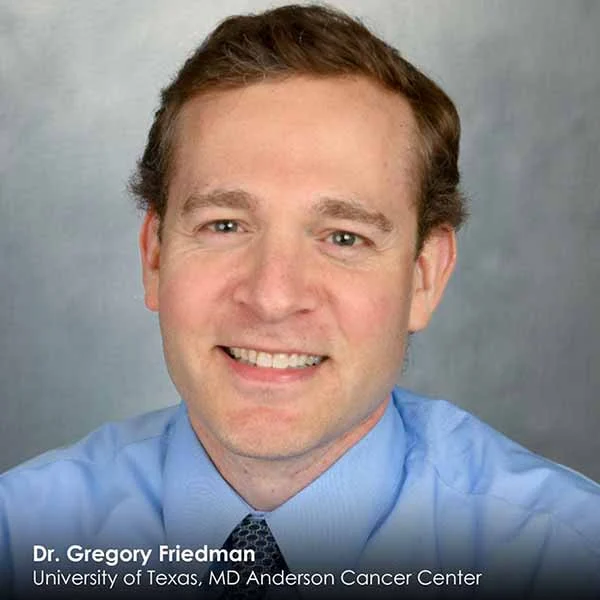
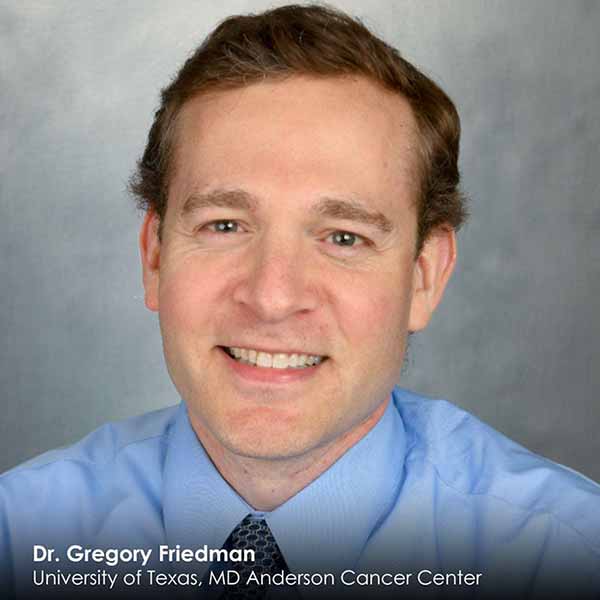
In a significant expansion of global efforts to combat the most lethal forms of childhood cancer, CureSearch for Children’s Cancer has announced a strategic international partnership with LifeArc, a leading United Kingdom-based medical research charity. This collaboration is specifically designed to co-fund and advance the work of Dr. Gregory Friedman through the CureSearch Acceleration Initiative (AI). The project focuses on a transformative approach to treating pediatric high-grade gliomas (pHGGs), a category of brain tumors that remains one of the most challenging frontiers in modern oncology. With median survival rates for children diagnosed with pHGGs hovering below 30%, and certain subtypes like Diffuse Intrinsic Pontine Glioma (DIPG) considered universally fatal, the partnership signals a critical pivot toward innovative, less toxic, and more effective therapeutic interventions.
The urgency of this initiative is underscored by the current limitations of pediatric neuro-oncology. For decades, the standard of care for children with aggressive brain tumors has relied heavily on surgery, intensive radiation, and high-dose chemotherapy. While these methods can sometimes slow disease progression, they often inflict devastating long-term side effects on the developing brains of children, including cognitive impairment, endocrine disruption, and secondary malignancies. The CureSearch-LifeArc partnership aims to bypass these toxicities by leveraging the body’s own immune system, a field known as immunotherapy, which has seen success in adult cancers but has lagged in pediatric applications due to the unique biological landscape of childhood tumors.
The Scientific Mechanics: A Dual-Pronged Immunotherapeutic Attack
At the heart of Dr. Friedman’s research is a sophisticated "prime and boost" strategy designed to overcome the immunosuppressive environment of the brain. The project utilizes a two-pronged approach: an oncolytic virus and a novel cancer vaccine. The first component is a modified version of the herpes simplex virus—commonly known as the cold-sore virus. This virus has been bioengineered to selectively infect and replicate within brain tumor cells while leaving healthy neurons and glial cells unharmed. As the virus replicates, it causes the tumor cells to burst, releasing tumor-specific antigens that the immune system can then recognize.
However, oncolytic viruses alone often struggle to sustain a long-term immune response. To address this, Dr. Friedman’s team is integrating a cutting-edge cancer vaccine known as SNAPvax. This vaccine platform is designed to "prime" the immune system by training T-cells to identify specific proteins found on the surface of pediatric high-grade gliomas. Recent data from the research team suggests that the sequence of administration is paramount to the treatment’s success. Their findings indicate that delivering the SNAPvax vaccine prior to the viral injection creates a more robust and targeted immune response. By "exciting" the immune system ahead of time, the body is prepared to attack the tumor immediately upon the virus’s entry, rather than wasting its energy attempting to clear the virus itself. This synergy allows the virus to persist longer within the tumor mass, maximizing its destructive potential.
Overcoming the Translation Gap: The Acceleration Initiative Model
The partnership between CureSearch and LifeArc is built upon the "Acceleration Initiative" (AI) model, a funding framework designed to bridge the notorious "valley of death" in drug development—the gap between laboratory discovery and clinical application. In the pharmaceutical industry, the translation of a new drug from preclinical stages to human clinical trials is a high-risk, high-cost endeavor. Statistics show that less than 8% of drugs entering clinical cancer trials eventually reach the market. For pediatric-specific drugs, this rate is even lower, as the small patient population often discourages private investment from large pharmaceutical companies.
CureSearch’s AI model addresses this discrepancy by implementing a rigorous vetting process and providing substantial support to projects with high clinical potential. According to data provided by the organization, 60% of preclinical research projects funded through the Acceleration Initiative successfully advance to clinical trials. This success rate is attributed to the oversight of CureSearch’s Scientific and Industry Advisory Councils, which consist of top-tier experts who evaluate projects based on scientific merit, feasibility, and the speed at which they can reach pediatric patients. The involvement of LifeArc adds a layer of international expertise; LifeArc has a long history of translating lab-based science into life-changing medical products, including its role in the development of Keytruda, one of the world’s most successful immunotherapy drugs.
A Chronology of Progress and the Strategic Timeline
The trajectory of Dr. Friedman’s work highlights the deliberate and phased nature of modern pediatric research. Dr. Friedman was originally granted the CureSearch AI award in 2022, with additional support from the Rally Foundation for Childhood Cancer Research. Since then, the project has moved through several critical milestones. The team first assembled a multidisciplinary "dream team" of researchers to identify the most effective tumor proteins to target. They subsequently developed advanced tumor models that mimic the complex microenvironment of the human brain, allowing for more accurate testing of the combination therapy.
The current phase, bolstered by LifeArc’s co-funding, involves refining the methods for monitoring treatment efficacy and preparing for the transition to human subjects. The partnership sets an ambitious but realistic goal: to move this combination therapy into clinical trials within three years. This timeline is vital for families who are currently facing a diagnosis for which no cure exists. By partnering with industry leaders, Dr. Friedman is already laying the groundwork for the manufacturing and regulatory requirements necessary to launch a Phase I clinical trial, ensuring that the transition from bench to bedside is as seamless as possible.
The Human Cost of Inaction: Lessons from the Pandya Family
The drive for international collaboration is often fueled by the lived experiences of families who have navigated the shortcomings of current medical technology. The story of Khushil Pandya, a 14-year-old from Harrow, London, serves as a poignant reminder of the high stakes involved. Khushil was diagnosed with a diffuse midline glioma (DIPG) in 2017, a diagnosis that remains a virtual death sentence in the current medical landscape. His parents, Namrata and Bhavesh Pandya, recount a harrowing journey of trying to maintain a sense of normalcy for their son while facing a total lack of effective treatment options.
Despite the progression of his illness, Khushil’s resilience was evident as he completed his bronze Duke of Edinburgh expedition in a wheelchair just months before his passing. He died in his parents’ arms later that year. For Namrata Pandya, the lack of progress in treating DIPG is a moral failing that requires urgent correction. She emphasizes that science has progressed in nearly every other field, yet the understanding of why these tumors occur and how to stop them remains dangerously thin. The Pandya family’s advocacy highlights the necessity of the CureSearch-LifeArc partnership, as it represents the type of well-funded, international effort required to provide future families with a different outcome.
Leadership Perspectives and Global Implications
The leadership of both CureSearch and LifeArc views this partnership as a blueprint for future international cooperation in the field of rare diseases. Kay Koehler, President and CEO of CureSearch, noted that promising research in pediatric oncology often stalls not because of a lack of scientific merit, but because of a lack of sustained funding. By expanding their co-funding model internationally, CureSearch is tapping into a global network of resources and expertise. Koehler expressed confidence that Dr. Friedman’s project would continue the AI program’s track record of delivering impactful, clinical-ready results.
From the UK perspective, Dr. David Jenkinson, Head of Childhood Cancer at LifeArc, emphasized that the project aligns with LifeArc’s strategic mission to address high unmet medical needs. He noted that the novel approach of combining viral therapy with a vaccine holds "real promise" for saving lives and reducing the long-term toxicity associated with cancer care. This bi-continental partnership is an admission that the challenges of pediatric brain cancer are too complex for any single nation or institution to solve in isolation. It reflects a growing trend in the scientific community to pool data, funding, and intellectual property to accelerate the pace of discovery.
Broader Impact and the Future of Pediatric Oncology
The implications of this research extend beyond the specific treatment of high-grade gliomas. The success of the "prime and boost" immunotherapy model could potentially be adapted for other types of "cold" tumors—those that the immune system typically ignores. Furthermore, the partnership sets a precedent for how non-profit organizations and research charities can act as venture philanthropists, de-risking early-stage research to the point where it becomes attractive for commercial development.
As the medical community looks toward the future, the focus is increasingly on "precision medicine"—treatments tailored to the genetic and molecular profile of an individual’s tumor. Dr. Friedman’s work, supported by the global reach of CureSearch and LifeArc, represents a major step toward that goal. By moving away from the "one-size-fits-all" approach of traditional chemotherapy and toward targeted, immune-based therapies, the partnership offers a new horizon of hope. For the thousands of families worldwide who receive a devastating brain cancer diagnosis each year, this international collaboration is more than just a research project; it is a vital lifeline toward a future where "incurable" is no longer the final word.
