
 By admin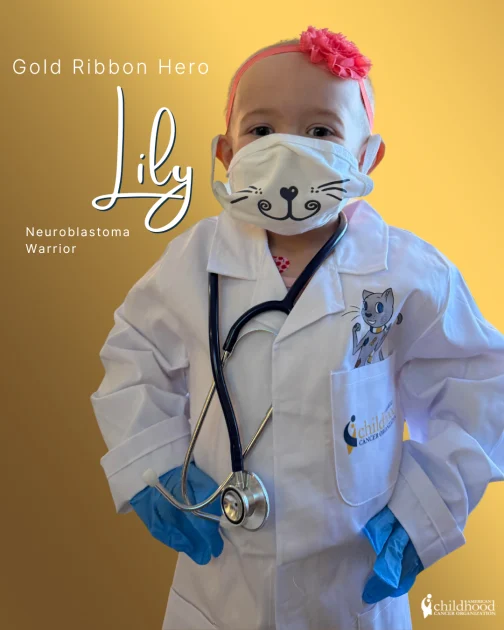
The medical journey of a two-year-old girl named Lily has highlighted the complex and often unpredictable nature of pediatric neuroblastoma, a rare and aggressive form of cancer that affects the sympathetic nervous system. At just 18 months old, Lily’s life transitioned from typical toddler milestones to a rigorous schedule of intensive medical interventions following a diagnosis that began with common symptoms. Her story, marked by a brief period of remission followed by a central nervous system (CNS) relapse, underscores the persistent hurdles in treating high-risk neuroblastoma and the critical need for continued research and support for affected families.
The Clinical Progression and Initial Diagnosis
The diagnostic process for Lily began when her family sought emergency medical attention for what appeared to be severe abdominal discomfort. Initially suspected to be a routine case of childhood constipation, the clinical reality was far more severe. Diagnostic imaging revealed a large mass in her abdomen, a common presentation for neuroblastoma, which frequently originates in the adrenal glands or the nerve tissue along the spine, chest, or pelvis.
Following the identification of the mass, Lily was immediately enrolled in a high-intensity treatment protocol. Pediatric neuroblastoma is categorized into risk groups—low, intermediate, and high—based on the age of the patient, the stage of the disease, and the molecular characteristics of the tumor, such as MYCN amplification. Given the aggressive nature of Lily’s treatment plan, her case aligns with the protocols typically reserved for high-risk patients. This regimen included induction chemotherapy to shrink the primary tumor, followed by surgical resection to remove as much of the mass as possible.
The treatment further escalated to include "tandem" bone marrow transplants, a process where the patient’s own healthy stem cells are harvested and then re-infused after high-dose chemotherapy has cleared the bone marrow of cancer cells. This was followed by radiation therapy to target any residual microscopic disease and immunotherapy, which utilizes the body’s immune system to identify and destroy remaining cancer cells. By September 2025, after nearly a year of intensive therapy, Lily’s clinical scans showed no evidence of disease, and she was officially declared to be in remission.
The Challenge of Relapse and Central Nervous System Involvement
The period of remission was tragically brief. In November 2025, only two months after completing her initial treatment, Lily began experiencing persistent headaches. Her parents, sensitized to the nuances of her health following her initial battle, acted swiftly to seek medical evaluation. Subsequent imaging confirmed a relapse; however, the cancer had returned in a new and particularly challenging location: her brain.
A relapse in the central nervous system (CNS) represents a significant clinical complication in neuroblastoma. Historically, while neuroblastoma is known to metastasize to the bones and bone marrow, the brain was considered a "sanctuary site" because many standard chemotherapy drugs cannot easily cross the blood-brain barrier. As systemic treatments have improved and children live longer after their initial diagnosis, the medical community has observed an increase in the frequency of CNS relapses.
Upon the discovery of the brain involvement, Lily underwent neurosurgery to address the immediate threat. She is currently undergoing a secondary round of intensive therapy, which once again includes chemotherapy, immunotherapy, and localized radiation. This multi-modal approach is designed to penetrate the CNS and manage the systemic nature of the disease, reflecting the resilience required of both the patient and the medical team.
Understanding Neuroblastoma: Supporting Data and Statistics
Neuroblastoma is the most common extracranial solid tumor found in children, accounting for approximately 7% to 10% of all pediatric cancer diagnoses. According to data from the American Cancer Society and the National Cancer Institute, there are roughly 700 to 800 new cases diagnosed each year in the United States. It is a disease of the very young, with the average age at diagnosis being between one and two years old.
The survival rates for neuroblastoma have improved significantly over the last three decades, but they remain highly dependent on the risk classification. For low- and intermediate-risk groups, the five-year survival rate exceeds 90%. However, for high-risk neuroblastoma—the category Lily likely falls into—the five-year survival rate is approximately 50%. The occurrence of a relapse, particularly in the brain, further complicates the prognosis and necessitates the use of experimental or highly specialized salvage therapies.
Data suggests that CNS involvement occurs in about 5% to 10% of high-risk neuroblastoma patients. Because the brain is protected by the blood-brain barrier, standard intravenous chemotherapy often fails to reach therapeutic levels in the brain tissue. This has led to the development of new delivery methods and specialized radiation techniques, such as proton therapy or Gamma Knife surgery, to target CNS lesions while minimizing damage to developing brain tissue.
The Role of Parental Vigilance and Clinical Response
The speed with which Lily’s relapse was identified is a testament to the role of parental vigilance in pediatric oncology. In many cases of neuroblastoma relapse, symptoms can be subtle or mimic common childhood ailments. The decision by Lily’s parents to seek immediate care for her headaches allowed for surgical intervention before the neurological impact became irreversible.
Medical professionals emphasize that "survivorship" for pediatric cancer patients involves a state of constant monitoring. Even when a child is in remission, the risk of late effects from treatment or the return of the primary cancer remains a constant concern. For Lily’s family, the transition from the relief of remission in September to the crisis of relapse in November highlights the emotional volatility associated with high-risk pediatric diagnoses.
While official statements from the family emphasize Lily’s "spicy" and playful personality, medical analysts note that the psychological burden on families in these situations is immense. The financial and emotional toll of bone marrow transplants, long-term hospitalizations, and the uncertainty of relapse requires a robust support system, often provided by organizations like the American Childhood Cancer Organization (ACCO).
Broader Implications for Pediatric Oncology Research
Lily’s case serves as a poignant example of the gaps that still exist in pediatric cancer research. Despite being the leading cause of death by disease in children in the United States, pediatric cancer receives a disproportionately small percentage of federal research funding compared to adult cancers.
The specific challenge of CNS relapse in neuroblastoma is a focal point for current clinical trials. Researchers are currently investigating the use of radioimmunotherapy, where radioactive isotopes are attached to monoclonal antibodies that specifically target neuroblastoma cells. By injecting these directly into the spinal fluid (intrathecal delivery), doctors hope to bypass the blood-brain barrier and treat the cancer more effectively with fewer systemic side effects.
Furthermore, Lily’s journey highlights the importance of immunotherapy in modern oncology. The use of GD2-targeted antibodies, which Lily received during her first round of treatment and is receiving again now, has become a cornerstone of neuroblastoma care. These therapies help the immune system recognize the cancer cells as foreign, providing a "living defense" that continues to work even after the chemotherapy has left the system.
Conclusion and Future Outlook
As of late 2025, Lily remains in active treatment. Her story is one of profound individual courage, but it also reflects a broader systemic struggle to find a definitive cure for high-risk neuroblastoma. The medical community continues to monitor patients like Lily to refine treatment protocols and improve the long-term outlook for children facing relapsed disease.
The "Kids Can’t Fight Cancer Alone" mantra, championed by the ACCO, underscores the necessity of a collective response. This includes not only the medical teams providing life-saving care but also the researchers seeking new therapeutic targets and the donors who fund the support services necessary for families to navigate years of treatment.
Lily’s journey from a common stomach ache to a two-time neuroblastoma warrior is a reminder of the fragility of health and the strength of the human spirit. While the road ahead for Lily involves further rounds of grueling therapy, her initial response to treatment and the rapid intervention during her relapse provide a foundation of hope. For the pediatric oncology community, her case is a call to action to continue the pursuit of treatments that can penetrate every "sanctuary site" of the body, ensuring that remission is not just a temporary reprieve, but a permanent victory.
