
 By admin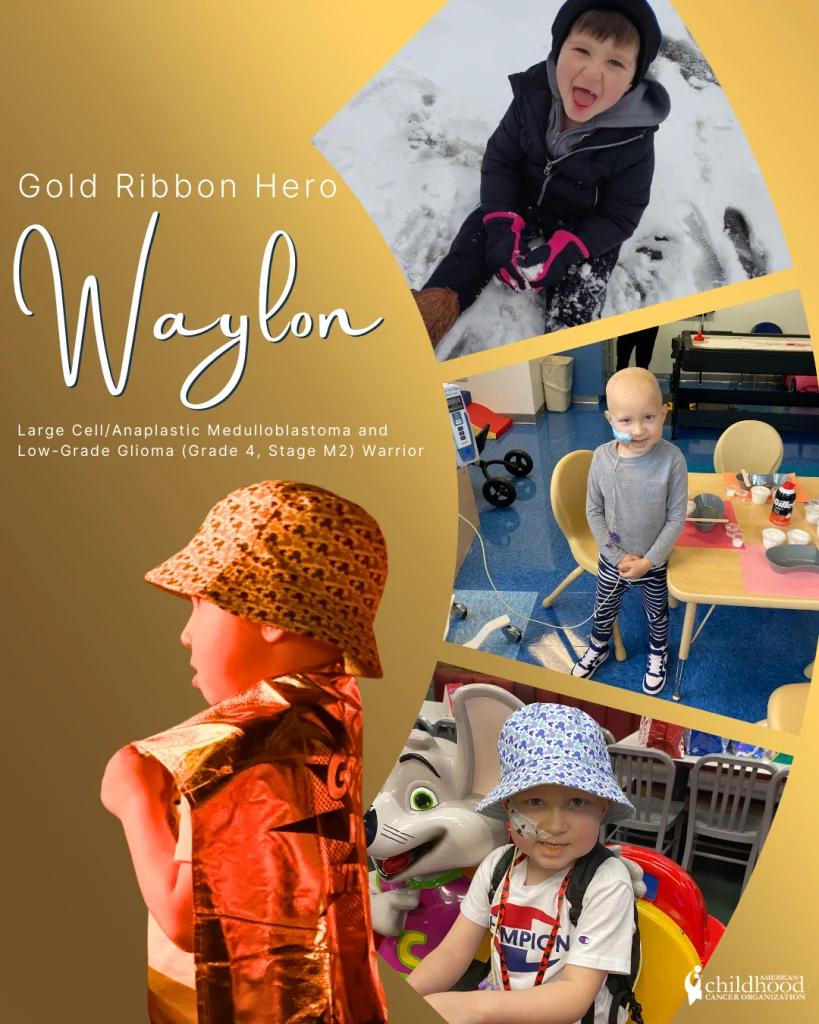
The landscape of pediatric oncology often presents stories of profound resilience, but few are as poignant as that of Waylon, a five-year-old boy who has become a symbol of courage in the face of an aggressive brain cancer diagnosis. Diagnosed in early 2025 with a complex combination of large cell/anaplastic medulloblastoma and low-grade glioma, Waylon has undergone a grueling series of medical interventions that have captured the attention of both the medical community and the public. His journey reached a significant milestone recently when he was featured as an ambassador at the Grand Ole Opry Chili Cook-Off in Nashville, Tennessee, an event designed to bridge the gap between high-profile entertainment and critical healthcare advocacy. This partnership highlights the ongoing struggle against pediatric brain tumors, which remain the leading cause of disease-related death among children in the United States.
The clinical trajectory for Waylon began with symptoms that many parents might initially mistake for common childhood ailments. His family reported a period of persistent headaches, recurring vomiting, and noticeable balance issues—symptoms that are frequently associated with increased intracranial pressure. On April 24, 2025, a definitive diagnosis was reached: large cell/anaplastic medulloblastoma and low-grade glioma, classified as Grade 4, Stage M2. For Waylon’s family, the diagnosis was a cataclysmic shift in their reality. His mother, Kayla, described the moment as one where their "whole world was turned upside down," a sentiment echoed by thousands of families who enter the world of pediatric oncology each year without warning.
Clinical Overview of Medulloblastoma and Stage M2 Classification
To understand the severity of Waylon’s condition, one must look at the specific pathology of his diagnosis. Medulloblastoma is a fast-growing, high-grade tumor that originates in the cerebellum, the part of the brain responsible for muscle coordination, balance, and complex motor functions. The "large cell/anaplastic" variant is a particularly aggressive subtype of this cancer. Histologically, anaplastic cells are those that have lost the specialized features of adult cells and are characterized by rapid, disorganized growth. This subtype is often associated with a higher risk of recurrence and requires more intensive therapeutic strategies than other forms of the disease.
The classification of Stage M2 is equally significant in a clinical context. In the Chang staging system used for medulloblastoma, Stage M2 indicates that gross nodular tumor cells have been found in the cerebellar or cerebral subarachnoid space or in the third or fourth ventricles. This means the cancer is not localized but has begun to spread within the cerebrospinal fluid pathways. A Grade 4 designation further confirms that the tumor is malignant and highly active. Treating such a diagnosis in a five-year-old patient necessitates a multimodal approach, balancing the need for aggressive eradication of cancer cells with the delicate nature of a developing nervous system.
A Chronology of Treatment and Resilience
Since the initial diagnosis in April 2025, Waylon’s medical regimen has been intensive and multifaceted. The primary objective in such cases is typically surgical resection to remove as much of the tumor mass as possible while relieving pressure on the brain. Waylon has already navigated two major brain surgeries, procedures that carry significant risks of neurological deficit but are essential for long-term survival. Following surgery, the focus shifted to eliminating residual microscopic disease through radiation and chemotherapy.
As of the latest reports, Waylon has completed his radiation treatments and has successfully navigated 33 of his 37 scheduled rounds of chemotherapy. This high-volume chemotherapy protocol is designed to target rapidly dividing cells, though it often comes with a host of systemic side effects, including fatigue, immunosuppression, and nausea. The fact that a child of five years has sustained such a rigorous schedule is a testament to both modern pediatric nursing care and the inherent resilience of young patients. The completion of these final rounds will mark a critical juncture in his recovery, transitioning from active, intensive treatment to a phase of monitoring and rehabilitation.
The Nashville Partnership: The Grand Ole Opry Chili Cook-Off
The intersection of Waylon’s personal health battle and public advocacy occurred at the Grand Ole Opry in Nashville. Known as the "Home of Country Music," the Opry has a long-standing tradition of community involvement, but its collaboration with the American Childhood Cancer Organization (ACCO) represents a focused effort to bring national attention to pediatric health. Waylon was invited to serve as an ambassador for the Grand Ole Opry Chili Cook-Off, an event that serves as both a fundraiser and a morale booster for families affected by cancer.
During the event, Waylon and his family were granted a comprehensive experience that included a tour of the historic facility, participation in the employee chili cook-off, and a front-row seat to the evening’s performances. Such events are designed to provide "normalcy" to children whose lives have been dictated by hospital schedules and sterile environments. For the Opry, featuring a child like Waylon serves to humanize the statistics surrounding cancer research. It transforms an abstract medical concept into a tangible face, encouraging donors and the public to recognize the immediate need for better treatments and support systems.
Statistical Context and the Landscape of Pediatric Cancer Research
Waylon’s story is a microcosm of a much larger public health challenge. According to data from the National Cancer Institute, approximately 1 in 285 children in the United States will be diagnosed with cancer before their 20th birthday. While survival rates for some childhood cancers have improved significantly over the last several decades, brain tumors like medulloblastoma remain a formidable adversary. They are the most common solid tumors in children, accounting for nearly 20% of all pediatric cancers.
One of the primary frustrations for advocates and families is the disparity in research funding. Historically, pediatric cancer research has received only about 4% of the total federal funding allocated by the National Cancer Institute for cancer research. This lack of funding often results in a reliance on "repurposed" adult treatments, which may not be optimized for the unique biological needs of children. Organizations like the ACCO work to bridge this gap by lobbying for legislation such as the Childhood Cancer STAR Act and the RACE for Children Act, which aim to increase transparency and funding for pediatric-specific clinical trials.
The Psychological and Economic Impact on the Family Unit
Beyond the clinical data, the impact of a Grade 4 diagnosis on the family unit is profound. The "world turned upside down" described by Kayla involves more than emotional distress; it encompasses a complete restructuring of daily life. Families often face significant economic burdens, including the cost of specialized treatments, travel to oncology centers, and the loss of income if a parent must leave work to provide full-time care.
The psychological toll is equally significant. For a child like Waylon, the formative years of ages five and six are spent in infusion centers rather than classrooms. This can lead to developmental delays and social isolation. Support programs, such as those provided by the ACCO and highlighted by the Grand Ole Opry event, are vital in mitigating these effects. They provide a community of peers who understand the unique trauma of pediatric illness, offering a support network that extends beyond the walls of the hospital.
Implications for Future Advocacy and Medical Progress
The visibility of Waylon as an ambassador serves several critical functions in the broader fight against cancer. First, it highlights the importance of early detection. The symptoms Waylon exhibited—headaches and balance issues—are often the first signs of neurological distress. Increased public awareness of these "red flags" can lead to earlier interventions, which are statistically linked to better outcomes.
Second, Waylon’s journey underscores the necessity of continued innovation in neuro-oncology. The move toward "precision medicine," where treatments are tailored to the genetic profile of a specific tumor, offers hope for more effective and less toxic therapies. For children with the anaplastic variant of medulloblastoma, these advancements cannot come soon enough.
Finally, the involvement of cultural institutions like the Grand Ole Opry demonstrates the power of community-based fundraising. By leveraging their platform, the Opry helps to ensure that the "Gold Ribbon"—the international symbol for childhood cancer awareness—receives the same level of recognition and support as other major health causes.
As Waylon nears the end of his 37-round chemotherapy regimen, his story remains a powerful narrative of survival. While the road ahead includes continued monitoring and the management of potential long-term side effects from radiation and surgery, the progress he has made since April 2025 is substantial. His presence at the Nashville event serves as a reminder that behind every medical chart is a child, a family, and a community dedicated to turning the tide against pediatric cancer. The focus now shifts to the completion of his treatment and the ongoing efforts to ensure that future "warriors" have access to the most advanced care possible.
