
 By admin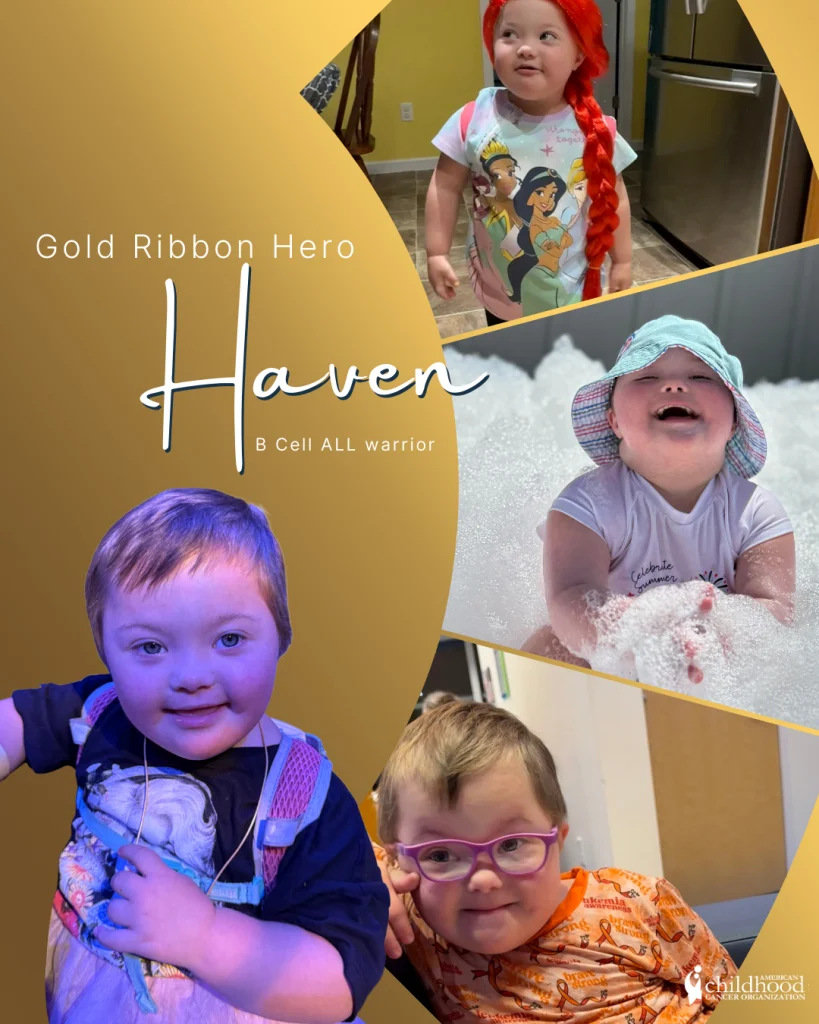
The trajectory of a family’s life can alter in an instant, often pivoting on the results of a single blood test or a clinical observation that confirms a parent’s worst fears. For Haven, a four-year-old girl from a family already navigating the complexities of a Down syndrome diagnosis and chronic hypothyroidism, the transition from early childhood milestones to a life-threatening medical crisis occurred just days before her fourth birthday. What was intended to be a season of celebration was abruptly replaced by the sterile environment of oncology wards, port placement surgeries, and the grueling regimen of chemotherapy. Haven’s diagnosis of B-Cell Acute Lymphoblastic Leukemia (B-Cell ALL) serves as a poignant case study in the resilience of pediatric patients and the critical importance of parental intuition in the diagnostic process.
Clinical Presentation and the Diagnostic Timeline
The onset of pediatric leukemia often mimics common childhood illnesses, leading to a diagnostic challenge for primary care physicians and a period of mounting anxiety for caregivers. In Haven’s case, the symptoms emerged approximately three weeks prior to her formal diagnosis. Initially, the symptoms were non-specific, presenting as what appeared to be a standard viral infection. As the first week progressed into the second, the clinical picture shifted toward gastrointestinal distress, characterized by symptoms typical of a stomach bug.
By the third week, however, the situation reached a critical inflection point. Haven exhibited profound pallor and extreme lethargy, signs that suggested her condition was systemic rather than localized. Her mother, Skyler Wells, noted that Haven had become a "different child," a qualitative observation that often serves as a vital red flag in pediatric medicine. Because Haven has a history of hypothyroidism, her parents initially suspected a hormonal imbalance. They successfully advocated to move up a routine appointment with her endocrinologist, hoping for a manageable adjustment to her existing treatment plan.
The subsequent diagnostic process was swift. Following an array of blood tests conducted by the endocrinologist, the family was informed of elevated thyroid levels. However, the more concerning revelation came shortly thereafter. Further analysis of the laboratory results indicated abnormalities consistent with hematological malignancy. The family received the definitive call that necessitates an immediate transition to specialized care: an instruction to report to the hematology/oncology department with an overnight bag. This moment marked the beginning of Haven’s identity as a "warrior" in the fight against B-Cell ALL.
The Intersection of Down Syndrome and Pediatric Leukemia
Haven’s medical journey is complicated by her pre-existing diagnosis of Down syndrome (Trisomy 21). Medical literature has long established a significant correlation between Down syndrome and an increased predisposition to certain types of leukemia. Statistics indicate that children with Down syndrome have a 10-to-20-fold increased risk of developing either Acute Lymphoblastic Leukemia (ALL) or Acute Myeloid Leukemia (AML) compared to the general pediatric population.
While the biological mechanisms are complex, researchers believe that the extra copy of chromosome 21 leads to genomic instability and the overexpression of certain genes that regulate cell growth and hematopoiesis. For Haven, this genetic profile meant that her treatment would require heightened vigilance. Patients with Down syndrome often face a higher risk of treatment-related toxicities, particularly regarding certain chemotherapeutic agents like methotrexate. The clinical challenge lies in balancing the aggressive protocols necessary to eradicate leukemic cells with the need to mitigate severe side effects that can be more prevalent in this specific patient demographic.
The emotional weight of this dual diagnosis was articulated by Skyler Wells, who described the cancer diagnosis as a "slap in the face." The psychological burden on parents in these scenarios often involves a period of intense questioning—interrogating past actions and searching for a cause where there is typically only biological misfortune.
Understanding B-Cell Acute Lymphoblastic Leukemia
B-Cell ALL is the most common form of childhood cancer, representing a malignancy of the B-lymphoblasts, which are immature white blood cells. In a healthy child, these cells eventually develop into B-lymphocytes responsible for producing antibodies. In a child with ALL, these blasts multiply uncontrollably in the bone marrow, eventually spilling into the bloodstream and infiltrating other organs. This overproduction crowds out healthy red blood cells, white blood cells, and platelets, leading to the symptoms Haven experienced: anemia (causing paleness and lethargy), increased infection risk, and easy bruising or bleeding.
Despite the gravity of the diagnosis, B-Cell ALL is one of the success stories of modern oncology. In the 1960s, the survival rate was negligible; today, thanks to standardized protocols developed by organizations like the Children’s Oncology Group (COG), the five-year survival rate for pediatric ALL exceeds 90%. However, the road to remission is arduous. It typically involves several phases: induction (to achieve remission), consolidation (to eliminate remaining sub-microscopic disease), and maintenance (to prevent recurrence).
Haven’s initial hospitalization lasted over three weeks, a period that necessitated a painful separation from her father and her two siblings, Mason and Hadley. This disruption of the family unit is a standard but devastating byproduct of pediatric cancer treatment, as one parent often remains at the bedside while the other manages the household and the needs of other children.
From Diagnosis to Remission: A Six-Month Milestone
Six months into her treatment protocol, Haven reached a significant clinical milestone: she was declared to be in remission. In the context of leukemia, remission signifies that less than 5% of blasts are visible in the bone marrow and that blood counts have returned to normal ranges. While remission is a cause for celebration, it does not mark the end of the journey. Pediatric ALL treatment for girls typically lasts approximately two to two-and-a-half years to ensure that no dormant cancer cells remain.
Haven’s transition into this phase of her recovery allowed her to move from the isolation of the hospital room back into the community. This reintegration is vital for the developmental health of pediatric patients, particularly those who have spent significant time in a clinical environment during their formative years.
Community Advocacy and the Grand Ole Opry Chili Cook-Off
In recognition of her bravery and as a representative of the thousands of children facing similar battles, Haven was selected as an ambassador for the Grand Ole Opry Chili Cook-Off in Nashville, Tennessee. This event, held in collaboration with the American Childhood Cancer Organization (ACCO), serves as a high-profile platform for raising both funds and awareness.
The Grand Ole Opry, an iconic institution in American music, has increasingly utilized its cultural influence to support pediatric health initiatives. The Chili Cook-Off is an annual employee-driven fundraiser that brings together the Opry staff, artists, and the families of survivors. During the event, Haven and her family were granted a comprehensive experience that included a tour of the historic facility and attendance at a live show.
Such events serve a dual purpose. For the families, they provide a sense of normalcy and a celebration of the child’s life outside the context of illness. For the public, having a "face" like Haven’s attached to the cause humanizes the statistics. When Haven stood as an ambassador, she represented the 15,000 children and adolescents diagnosed with cancer each year in the United States.
The Role of the American Childhood Cancer Organization (ACCO)
The ACCO is one of the oldest and largest grassroots pediatric cancer organizations in the country. Its involvement in events like the Nashville cook-off is part of a broader strategy to address the "funding gap" in cancer research. While cancer is the leading cause of death by disease for children in the U.S., pediatric cancer research receives only about 4% of the National Cancer Institute’s (NCI) federal budget.
The ACCO’s "Go Gold" campaign, which Haven’s ambassadorship supports, seeks to make the gold ribbon as recognizable as the pink ribbon is for breast cancer. By partnering with legacy brands like the Grand Ole Opry, the ACCO ensures that the narrative of pediatric cancer remains in the public consciousness, driving legislative advocacy and the development of newer, less toxic treatments.
Broader Implications and the Path Forward
Haven’s story is a testament to the efficacy of modern pediatric oncology, but it also highlights the systemic challenges faced by families. The "financial toxicity" of cancer—a term used to describe the economic burden of treatment, travel, and lost wages—continues to affect families long after the child enters remission. Furthermore, the long-term "late effects" of chemotherapy, including potential impacts on cardiac health and cognitive development, require lifelong monitoring, especially for children with Down syndrome who may already face developmental hurdles.
The success of Haven’s treatment thus far is a victory for her family and her medical team. It also serves as a call to action for continued investment in personalized medicine. As genomic sequencing becomes more accessible, oncologists are increasingly able to tailor treatments to a child’s specific genetic makeup, potentially reducing the harshness of chemotherapy for vulnerable populations.
In conclusion, Haven’s journey from a suspected stomach bug to a B-Cell ALL diagnosis and eventually to remission is a narrative of endurance. Her role as an ambassador in Nashville underscores the power of community in the healing process. While the medical community continues to refine the protocols that saved her life, the support of organizations like the ACCO and the visibility provided by the Grand Ole Opry ensure that children like Haven are not forgotten in the broader landscape of medical research and public policy. As she continues her maintenance therapy, Haven stands as a symbol of hope for other "warriors" and their families, proving that even the most daunting diagnoses can be met with a combination of clinical excellence and unwavering community support.
