
 By Gabriel Paijo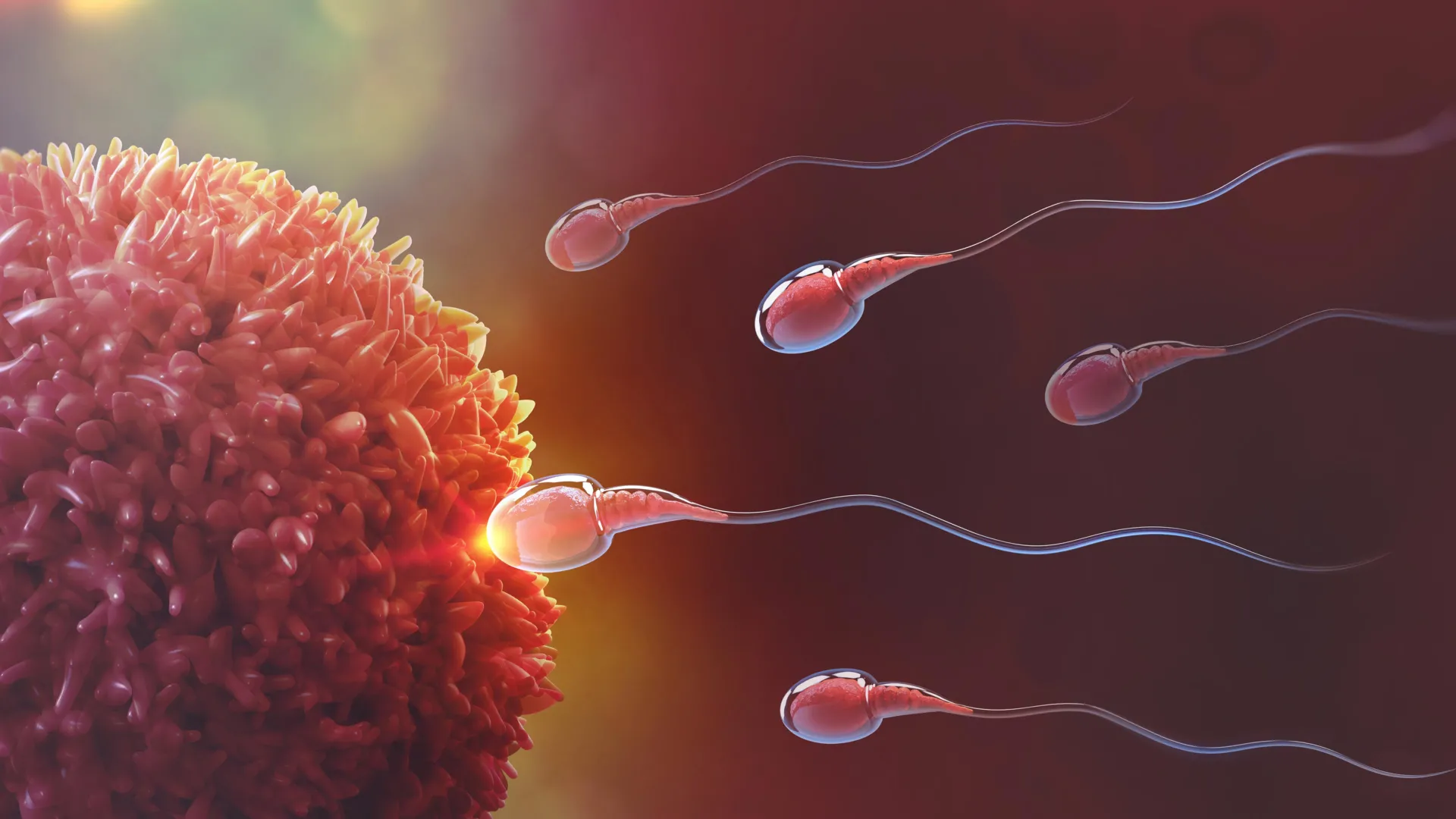
The biological mechanics of human reproduction have long remained one of the most complex frontiers in medical science, particularly regarding the specific energetic requirements of male gametes. In a landmark study published in the Proceedings of the National Academy of Sciences, a multi-institutional research team led by Michigan State University (MSU) has identified a precise molecular "switch" that regulates the sudden surge of energy sperm require to achieve fertilization. This discovery, centered on the metabolic reprogramming of sperm cells, offers a foundational blueprint for two critical areas of reproductive medicine: the enhancement of infertility treatments and the development of the world’s first effective, nonhormonal male contraceptive.
The study reveals that sperm do not maintain a constant level of activity. Instead, they exist in a quiescent, low-energy state until they are introduced into the female reproductive tract. At this juncture, a dramatic physiological transformation occurs, demanding a rapid escalation in ATP (adenosine triphosphate) production. By mapping the chemical pathways that facilitate this energy boost, researchers have identified the enzyme aldolase as a primary regulator of this metabolic shift. Led by Melanie Balbach, an assistant professor in MSU’s Department of Biochemistry and Molecular Biology, the research provides the most detailed look to date at how sperm process fuel to navigate the final, arduous stages of their journey toward an egg.
The Energetic Demand of Capacitation
To understand the significance of the MSU discovery, it is necessary to examine the process of capacitation. When mammalian sperm are stored in the male reproductive system, they remain relatively immobile to conserve resources. However, upon ejaculation and entry into the female reproductive tract, they undergo a series of biochemical and physiological changes known as capacitation. During this phase, the sperm’s swimming pattern changes from a steady, linear motion to a "hyperactivated" state characterized by forceful, whip-like tail movements. Simultaneously, the outer membrane of the sperm head—the acrosome—reconfigures itself to enable fusion with the egg’s protective layers.
These transformations are metabolically expensive. "Sperm metabolism is special since it’s only focused on generating more energy to achieve a single goal: fertilization," explained Dr. Balbach, the study’s senior author. While most cells in the human body balance various functions like repair, growth, and division, a mature sperm cell is a highly specialized "delivery vehicle" with a singular purpose. The MSU study sought to determine exactly how these cells manage the sudden transition from energy conservation to high-output performance.
Innovative Metabolomic Mapping: Tracking the Cellular Fuel
To uncover the mechanics of this energy surge, Balbach’s team utilized advanced metabolomic techniques, collaborating with experts at Memorial Sloan Kettering Cancer Center and the Van Andel Institute. The central challenge in studying sperm metabolism is the speed at which these chemical reactions occur. To overcome this, the researchers developed a novel method to track how sperm process glucose, the primary sugar they absorb from their environment.
The researchers employed a technique analogous to isotope tracing, which Dr. Balbach described using a vivid metaphor: "You can think of this approach like painting the roof of a car bright pink and then following that car through traffic using a drone." By labeling glucose molecules with specific markers, the team could monitor the "path" the sugar took as it was broken down into energy within the cell.
Using MSU’s Mass Spectrometry and Metabolomics Core, the team observed that in activated sperm, the "painted cars" (the glucose molecules) moved significantly faster through the metabolic pathways than in inactive sperm. More importantly, the researchers identified that the sperm preferred a distinct chemical route during activation and identified specific "intersections" or enzymes where the process could be slowed or accelerated.
The Discovery of the Aldolase Switch
The mapping effort led the researchers to a pivotal enzyme: aldolase. In the glycolytic pathway—the sequence of reactions that converts glucose into energy—aldolase serves as a key checkpoint. The study found that aldolase acts as a metabolic regulator that directs the flow of glucose. When sperm are activated, aldolase facilitates a high-velocity conversion of fuel, providing the burst of power necessary for hyperactivation.
Furthermore, the research revealed that sperm do not rely solely on external glucose. They also carry internal energy reserves that are mobilized the moment the journey begins. The interaction between these internal stores and the external glucose uptake, regulated by enzymes like aldolase, determines whether a sperm cell will have the endurance and strength to penetrate the egg’s vestment. This discovery of "traffic-control" enzymes provides a specific target for pharmaceutical intervention, whether the goal is to enhance the enzyme’s efficiency or to inhibit it entirely.
Implications for Global Infertility and Diagnostics
The implications of this research for the treatment of infertility are profound. According to the World Health Organization (WHO), approximately one in six people globally experience infertility at some point in their lives. In many cases, the cause is linked to male-factor infertility, specifically issues with sperm motility (the ability to swim) and morphology.
Currently, many diagnostic tests for male fertility focus on sperm count and basic movement. However, these tests often fail to capture the metabolic health of the sperm. If a sperm cell cannot undergo the metabolic reprogramming necessary for hyperactivation, it will fail to fertilize an egg, regardless of how many sperm are present.
By identifying the aldolase switch and the specific metabolic pathways required for fertilization, Balbach’s work could lead to the development of new diagnostic tools. These tools would allow clinicians to assess whether a patient’s sperm possess the metabolic "machinery" to activate properly. Furthermore, in the field of assisted reproductive technology (ART), such as in vitro fertilization (IVF), these findings could help scientists optimize the media used to culture sperm, ensuring they have the exact nutrient profiles needed to reach peak energy states.
A New Era for Male Contraception
Perhaps the most socially transformative application of the MSU study lies in the realm of male contraception. For decades, the burden of pregnancy prevention has fallen disproportionately on women. Current male options are largely limited to condoms, which have a significant "typical use" failure rate, or vasectomy, which is a surgical procedure intended to be permanent.
Previous attempts to develop a "male pill" have largely focused on hormonal approaches that suppress sperm production (spermatogenesis). However, these efforts have faced significant hurdles. Hormonal contraceptives for men can cause side effects similar to those experienced by women, including mood swings, weight gain, and acne. More importantly, hormonal suppression takes weeks or even months to become effective and an equal amount of time to reverse.
The discovery of the metabolic switch in sperm offers a nonhormonal alternative. By targeting enzymes like aldolase or other "traffic-control" regulators identified in the study, researchers could develop a drug that temporarily "turns off" the sperm’s ability to generate the energy surge required for fertilization.
"One option is to explore if one of our ‘traffic-control’ enzymes could be safely targeted as a nonhormonal male or female contraceptive," Balbach noted. Such a contraceptive would likely be "on-demand," meaning it could be taken shortly before intercourse to disable sperm function temporarily, without interfering with the production of sperm or the man’s natural hormone levels. This would provide a level of agency and convenience previously unavailable in male reproductive health.
Chronology and Collaborative Research
The journey to this discovery began earlier in Dr. Balbach’s career during her tenure at Weill Cornell Medicine. While there, she was part of a research effort that demonstrated that blocking a specific sperm enzyme—soluble adenylyl cyclase (sAC)—rendered male mice temporarily infertile. The mice remained healthy, their mating behavior was unaffected, and their fertility returned to normal within 24 hours.
That earlier breakthrough proved that sperm function could be targeted post-production. Upon joining the MSU faculty in 2023, Balbach expanded this line of inquiry, seeking to understand the underlying metabolic "why" behind sperm activation. The latest study, supported by the National Institute of Child Health and Human Development, represents the culmination of this multi-year effort to map the energetic landscape of the cell.
The collaboration with the Memorial Sloan Kettering Cancer Center and the Van Andel Institute was essential for the high-resolution metabolomic mapping required to see the "painted cars" of glucose. This interdisciplinary approach—combining reproductive biology with advanced mass spectrometry—allowed the team to see cellular processes that were previously invisible to science.
Analysis: The Path to Clinical Application
While the identification of the aldolase switch is a major scientific milestone, the transition from a laboratory discovery to a commercially available medication or diagnostic tool involves several more stages. The next phase of research will focus on translating these findings from mouse models to human sperm.
"Better understanding the metabolism of glucose during sperm activation was an important first step, and now we’re aiming to understand how our findings translate to other species, like human sperm," Balbach said. Because the glycolytic pathway is highly conserved across mammalian species, there is a high degree of scientific optimism that the same aldolase-driven switch exists in humans.
If human trials confirm these pathways, the pharmaceutical industry could begin developing small-molecule inhibitors designed to target these enzymes. The goal would be a highly specific drug that only affects sperm metabolism, thereby minimizing the risk of side effects in other tissues.
Broader Societal Impact
The potential impact of a nonhormonal male contraceptive extends beyond individual health. Dr. Balbach pointed out that approximately 50% of all pregnancies worldwide are unplanned. Expanding the suite of contraceptive options for men could significantly reduce these numbers, providing couples with more ways to manage their reproductive lives.
Furthermore, providing a nonhormonal option for men could alleviate the medical burden on women who cannot use hormonal birth control due to underlying health conditions, such as a history of blood clots or breast cancer. By shifting some of the responsibility for contraception to the male partner through a safe, reversible, and nonhormonal method, the discovery at MSU could foster greater equity in reproductive health.
As the research moves forward, the scientific community remains focused on the "pink car" moving through the metabolic traffic. By understanding the intersections where energy is won or lost, researchers are not just learning how sperm swim; they are unlocking the secrets of life’s very beginning and providing new tools for the future of human health.
