
 By Gabriel Paijo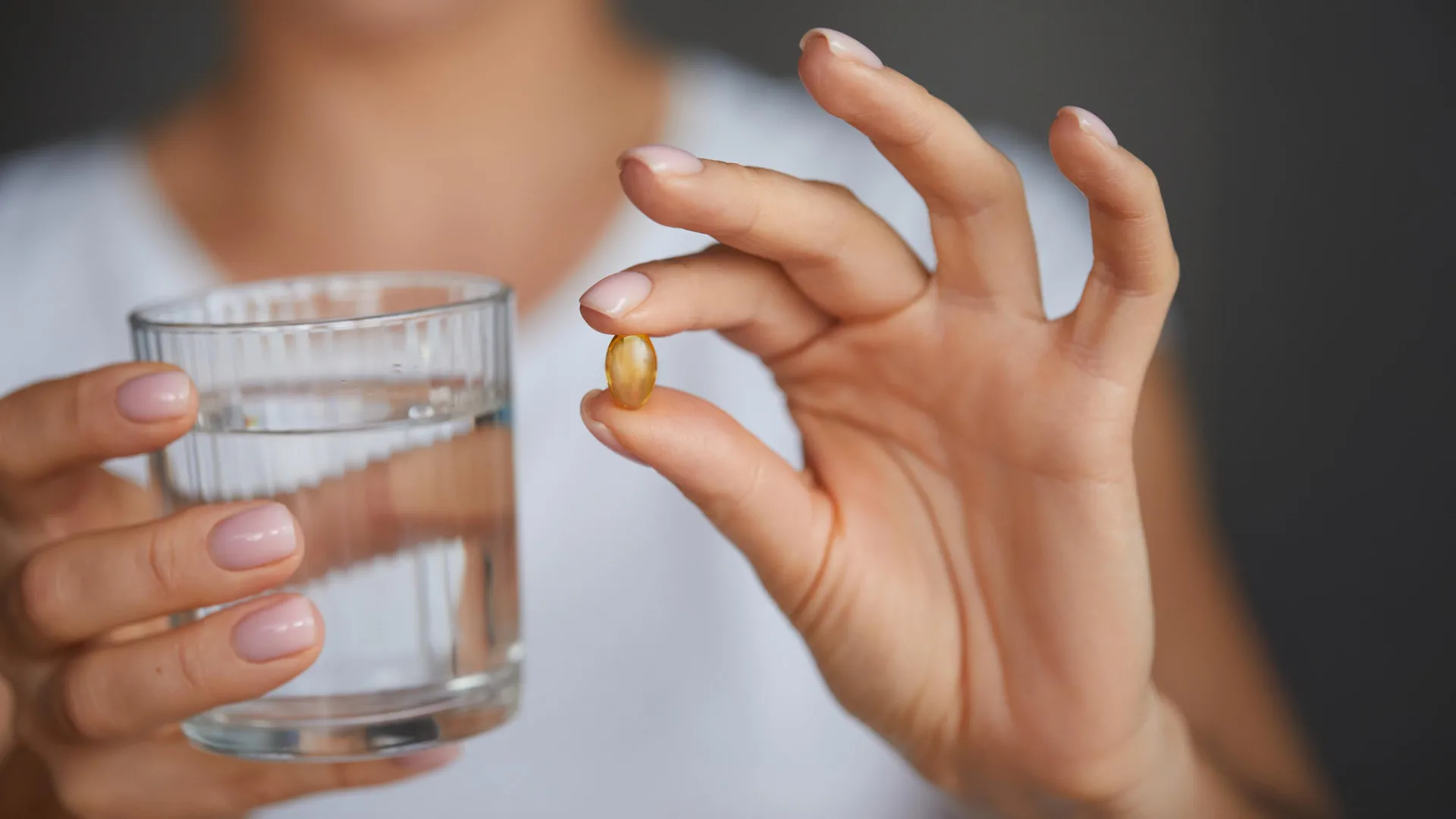
A comprehensive study led by researchers from Mass General Brigham has provided new insights into the role of vitamin D supplementation during the COVID-19 pandemic, suggesting that while high doses do not mitigate the immediate severity of the virus, they may play a crucial role in the development of long-term recovery outcomes. The findings, derived from one of the most rigorous and expansive randomized controlled trials to date, were recently published in The Journal of Nutrition. The research, known as the Vitamin D for COVID-19 (VIVID) Trial, sought to resolve long-standing debates within the medical community regarding the efficacy of vitamin D as a prophylactic or therapeutic agent against SARS-CoV-2.
The VIVID Trial was designed to address the mixed results of previous, smaller-scale observational studies that suggested a correlation between low vitamin D levels and increased risk of severe COVID-19. By utilizing a randomized, double-blind, placebo-controlled format, the research team aimed to establish a definitive causal link. While the primary results indicated that vitamin D3 supplementation did not reduce the risk of hospitalization or acute symptom progression, the secondary analysis revealed a "promising signal" regarding the prevention of "Long COVID"—a complex condition characterized by persistent symptoms lasting weeks or months after the initial infection.
The Architecture of the VIVID Trial
The VIVID Trial was a multinational effort, incorporating data from participants in the United States and Mongolia. This geographic diversity was intentional, as it allowed researchers to observe the effects of vitamin D across different latitudes, ethnic backgrounds, and baseline vitamin D levels. The study enrolled 1,747 adults who had recently tested positive for COVID-19, along with 277 of their household contacts, to assess both the therapeutic potential for the infected and the prophylactic potential for those exposed.
The supplementation protocol was notably aggressive, designed to rapidly elevate serum vitamin D levels in the participants. Those assigned to the active group received a "loading dose" of 9,600 IU of vitamin D3 daily for the first two days, followed by a maintenance dose of 3,200 IU daily for the remainder of the four-week period. This regimen far exceeds the standard Recommended Dietary Allowance (RDA) of 600 to 800 IU, reflecting the researchers’ intent to test whether high-dose intervention could alter the course of an active viral infection.
The U.S. arm of the trial spanned nearly two years, from December 2020 through September 2022, capturing data during the height of the Delta and Omicron waves. The Mongolian portion was conducted between September 2021 and April 2022. On average, participants began their assigned regimen within three days of receiving a positive test result, a critical window for potential antiviral or immunomodulatory intervention.
Methodology and Statistical Rigor
To ensure the validity of the findings, lead authors JoAnn Manson, MD, DrPH, Davaasambuu Ganmaa, PhD, and Kaitlyn Cook, PhD, employed sophisticated statistical methods. The team used stratified randomization and statistical weighting to balance the treatment and placebo groups. This balancing accounted for several variables known to influence COVID-19 outcomes, including age, biological sex, body mass index (BMI), race, ethnicity, and vaccination status.
By adjusting for these factors, the researchers ensured that any observed differences in outcomes could be more confidently attributed to the vitamin D supplementation rather than underlying health disparities or pre-existing immunity. The inclusion of household contacts also provided a unique opportunity to see if vitamin D could prevent the transmission of the virus within a high-exposure environment, such as a shared residence.
Null Findings in Acute Severity and Transmission
Despite the high dosage and rapid administration, the VIVID Trial found no statistically significant difference between the vitamin D and placebo groups regarding the acute phase of the illness. Over the four-week observation period, the rates of healthcare utilization—defined as hospitalizations, emergency room visits, and urgent clinic consultations (both in-person and virtual)—remained nearly identical between the two cohorts.
Furthermore, the severity of self-reported symptoms during the first month of infection did not differ meaningfully. For those hoping that vitamin D might serve as a shield for family members, the results were similarly discouraging: household contacts taking the supplement were no less likely to contract the virus than those taking the placebo.
"There’s been tremendous interest in whether vitamin D supplements can be of benefit in COVID, and this is one of the largest and most rigorous randomized trials on the subject," noted Dr. JoAnn Manson, a senior physician in the Mass General Brigham Department of Medicine and a renowned expert in preventive medicine. "While we didn’t find that high-dose vitamin D reduced COVID severity or hospitalizations, we observed a promising signal for long COVID that merits additional research."
Identifying the Long COVID Signal
The most significant finding of the VIVID Trial emerged during the follow-up analysis of participants who remained adherent to their supplement regimen. When looking at the eight-week mark—roughly two months after the initial diagnosis—researchers found that individuals in the vitamin D group were less likely to report persistent symptoms.
Specifically, 21% of those in the vitamin D group reported at least one lingering symptom associated with Long COVID, compared to 25% in the placebo group. While this four-percentage-point difference was described by the researchers as "borderline statistically significant," it represents a potential 16% relative reduction in the risk of developing Long COVID.
Long COVID, also known as Post-Acute Sequelae of SARS-CoV-2 infection (PASC), remains one of the most challenging aspects of the pandemic. It encompasses a wide array of debilitating symptoms, including chronic fatigue, "brain fog," shortness of breath, palpitations, and joint pain. For many, these symptoms are life-altering, preventing a return to work or normal daily activities.
"Long COVID… continues to significantly impact people’s lives," Dr. Manson emphasized. "We hope to conduct further research in larger populations on whether long-term vitamin D supplementation reduces the risks and severity of long COVID."
Scientific Context: Vitamin D and the Immune System
The hypothesis that vitamin D could aid in the fight against COVID-19 is rooted in the nutrient’s well-documented role in the immune system. Vitamin D receptors are present on almost all immune cells, including T-cells and B-cells. The nutrient is known to enhance the pathogen-fighting effects of monocytes and macrophages—white blood cells that are important parts of the immune defense—and decreases inflammation, which is a hallmark of severe COVID-19 (often referred to as the "cytokine storm").
Historically, vitamin D has been studied for its ability to reduce the risk of acute respiratory tract infections. Meta-analyses of randomized trials prior to 2020 suggested that daily or weekly vitamin D supplementation could protect against the common cold and influenza, particularly in individuals who were baseline deficient. However, the VIVID Trial suggests that for a virus as potent and novel as SARS-CoV-2, the immunomodulatory effects of vitamin D may not be sufficient to change the immediate trajectory of the disease once it has taken hold, though they may aid in the complex "cleaning up" process during recovery.
Chronology of the Pandemic and Study Timeline
The timing of the VIVID Trial is essential for interpreting its results. The U.S. study began in December 2020, just as the first vaccines were being rolled out. This means the participant pool included both unvaccinated and vaccinated individuals, as well as those infected by different variants of the virus.
- December 2020 – June 2021: Enrollment began during the dominance of the original strain and the Alpha variant.
- July 2021 – November 2021: The Delta wave surged, characterized by higher viral loads and increased severity.
- December 2021 – September 2022: The Omicron variant and its sub-lineages became dominant, which were generally more transmissible but often resulted in less severe acute disease in vaccinated populations.
By spanning these different phases, the VIVID Trial provides a broad look at vitamin D’s performance across changing viral landscapes. The consistency of the null findings for acute severity across these waves suggests that vitamin D’s lack of impact on immediate hospitalization is a robust conclusion.
Implications for Public Health and Future Research
The VIVID Trial’s "borderline" finding regarding Long COVID has sparked significant interest among public health experts. If a relatively inexpensive and safe supplement like vitamin D3 could even marginally reduce the incidence of Long COVID, the aggregate benefit to the global healthcare system would be substantial.
Current estimates suggest that millions of people worldwide are suffering from Long COVID. The economic burden, through lost productivity and increased healthcare costs, is estimated in the trillions of dollars. A 16% reduction in risk, if confirmed by larger studies, could translate into hundreds of thousands of fewer cases of chronic illness.
The study also highlights the importance of baseline nutritional status. In regions like Mongolia, where sunlight is scarce for much of the year, vitamin D deficiency is prevalent. While the VIVID Trial used high doses to overcome potential deficiencies, future research may focus on whether maintaining optimal vitamin D levels prior to infection is more effective than starting supplements after a positive test.
Conclusion and Disclosures
The VIVID Trial was supported by several philanthropic organizations and foundations. Notably, the study received support from the Tishcon Corporation, which donated the study capsules, and Capitainer AB, which provided blood collection devices. One of the study’s authors, Niclas Roxhed, is a founder and shareholder of Capitainer AB; however, the remaining authors, including Dr. Manson and Dr. Ganmaa, declared no conflicts of interest.
As the medical community continues to grapple with the aftermath of the pandemic, the findings from Mass General Brigham serve as a roadmap for future investigation. The focus has shifted from vitamin D as an "acute cure" to its potential role as a "recovery aid." For now, while the VIVID Trial does not support the use of vitamin D to prevent hospitalization or the spread of COVID-19 within households, it keeps the door open for vitamin D as a potential tool in the burgeoning fight against the long-term shadows of the virus. Additional large-scale trials are expected to follow, specifically targeting the biological mechanisms by which vitamin D might influence the persistence of post-viral symptoms.
