
 By Suherman Candra Maholtra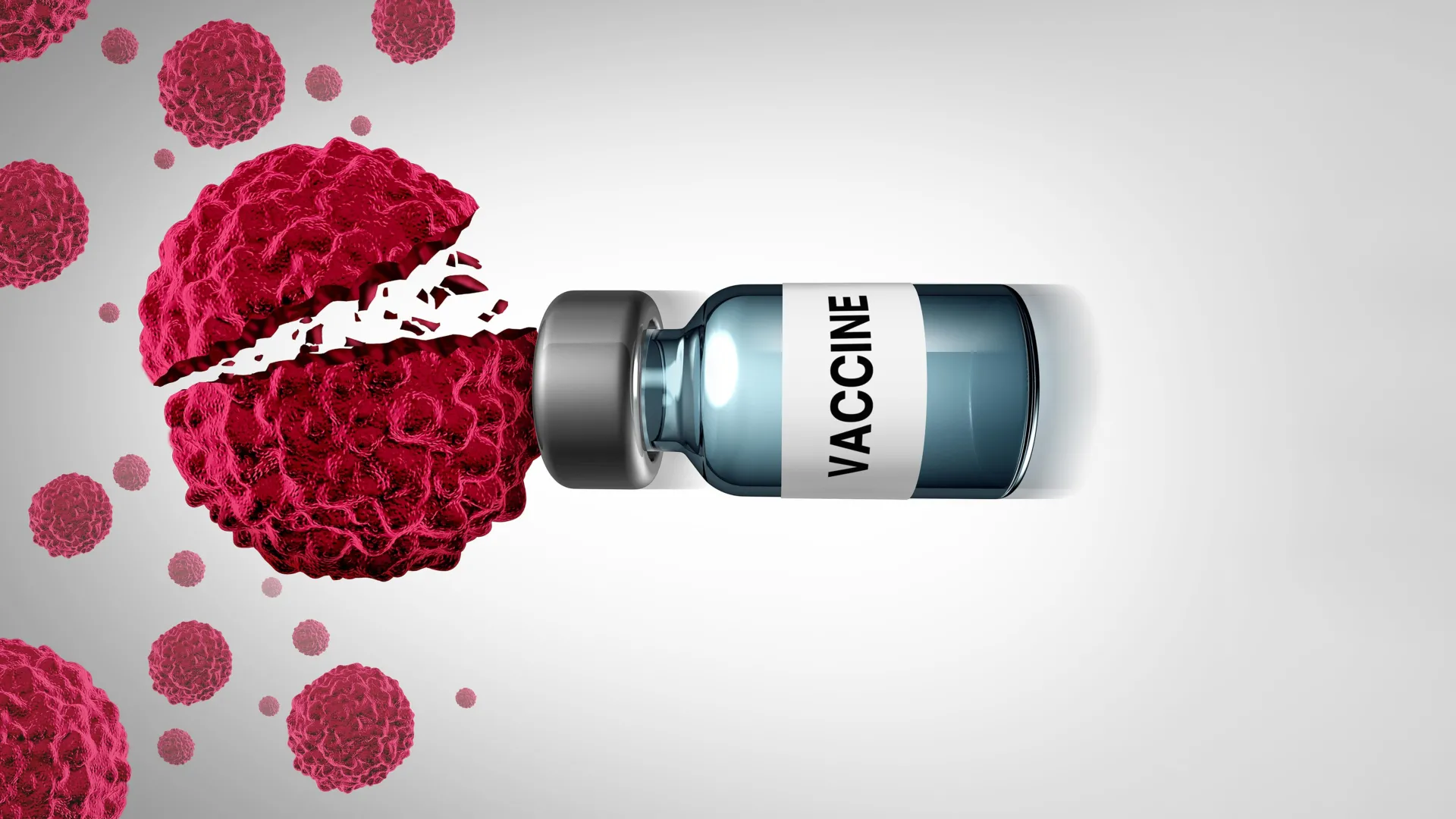
In a landmark study that could redefine the intersection of infectious disease prevention and oncology, researchers have discovered that patients with advanced lung or skin cancer who received a COVID-19 mRNA vaccine within 100 days of starting immunotherapy lived significantly longer than those who did not. The findings, published on October 22 in the journal Nature, suggest that the technology used to combat the global pandemic may possess inherent properties capable of "priming" the human immune system to fight malignant tumors more effectively.
The collaborative research, led by scientists from the University of Florida (UF) and the University of Texas MD Anderson Cancer Center, suggests that the administration of mRNA vaccines creates a systemic immune environment that enhances the efficacy of immune checkpoint inhibitors. These findings are particularly poignant for patients with Stage 3 and 4 non-small cell lung cancer and metastatic melanoma—conditions that often carry a poor prognosis once traditional treatments like chemotherapy and surgery have been exhausted.
The Synergy of mRNA and Immune Checkpoint Inhibitors
The core of the discovery lies in the interaction between the mRNA vaccine and a class of drugs known as immune checkpoint inhibitors (ICIs). Immunotherapy has become a cornerstone of modern oncology, working by "releasing the brakes" on the immune system, allowing T-cells to recognize and attack cancer cells. However, a significant portion of patients do not respond to ICIs because their tumors are "cold," meaning they do not naturally attract an immune response.
The new research indicates that the mRNA vaccine acts as a biological "flare," signaling the immune system to mobilize. This non-specific activation appears to recruit immune cells to the tumor site or secondary lymphoid organs, effectively turning "cold" tumors "hot." According to the study, this synergy resulted in a near-doubling of median survival for lung cancer patients, an outcome rarely seen in clinical trials for advanced-stage malignancies.
A Decade of Innovation: The Chronology of the Discovery
The breakthrough is not an isolated event but the culmination of over a decade of scientific inquiry into messenger RNA technology. The timeline of this discovery reflects a steady progression from basic molecular biology to real-world clinical observation:
- 2014–2022: Dr. Elias Sayour and his team at the University of Florida spend eight years refining the use of lipid nanoparticles to deliver mRNA instructions to cells. Their goal was to find a way to "wake up" the immune system using genetic coding.
- 2020–2021: The COVID-19 pandemic leads to the rapid development and global deployment of mRNA vaccines under Operation Warp Speed. Millions of cancer patients receive these vaccines as part of public health mandates.
- July 2024: Sayour’s laboratory reports a critical finding: stimulating the immune system broadly, rather than targeting a specific cancer protein, is sufficient to generate a potent antitumor effect in laboratory settings.
- 2023–2024: Dr. Adam Grippin, a former UF researcher now at MD Anderson, analyzes retrospective data from over 1,000 patients to see if the COVID-19 vaccine—a real-world application of mRNA technology—mirrored the laboratory results.
- October 22, 2024: The team publishes their findings in Nature, revealing the statistical link between COVID-19 vaccination and extended cancer survival.
Statistical Analysis: Doubling Survival Outcomes
The study relied on a robust analysis of patient records from MD Anderson Cancer Center, covering the period from 2019 to 2023. The researchers specifically looked at the "100-day window"—the period immediately before or after the initiation of immunotherapy.
Non-Small Cell Lung Cancer (NSCLC) Data
The researchers examined the records of 884 patients with advanced lung cancer. Of these, 180 received an mRNA COVID-19 vaccine within the specified window, while 704 did not.
- Unvaccinated Median Survival: 20.6 months.
- Vaccinated Median Survival: 37.3 months.
The data represents a nearly 81% increase in survival duration, a figure described by the authors as "extraordinary" for a population with Stage 3 or 4 disease.
Metastatic Melanoma Data
The study also followed 210 patients with metastatic melanoma.
- Unvaccinated Median Survival: 26.7 months.
- Vaccinated Median Survival: 30 to 40+ months.
Because many patients in the vaccinated group were still alive at the time of the data collection, the researchers noted that the final median survival figure could be even higher.
Control Group Observations
To ensure the effect was specific to mRNA technology and not a general result of any vaccination, the team analyzed patients who received traditional flu or pneumonia vaccines. These non-mRNA vaccines showed no correlation with increased survival, suggesting that the unique delivery mechanism of mRNA—using lipid nanoparticles to stimulate innate immune pathways—is the driving factor behind the clinical benefit.
Mechanisms of Action: The "Flare" Effect
The biological explanation for these results was further explored through mouse models at the University of Florida. Scientists combined immunotherapy drugs with mRNA vaccines targeting the COVID-19 spike protein. The experiments confirmed that the vaccine triggered a massive migration of immune cells.
"One of the mechanisms for how this works is when you give an mRNA vaccine, that acts as a flare that starts moving all of these immune cells from bad areas like the tumor to good areas like the lymph nodes," explained Dr. Elias Sayour, co-senior author and a pediatric oncologist at UF Health.
The vaccine appears to reset the immune system’s baseline. In patients who were predicted to be "low responders" due to their tumor’s molecular profile, the vaccine provided the most significant boost. This suggests that the mRNA treatment can overcome inherent biological resistance to immunotherapy.
Expert Reactions and the Legacy of Operation Warp Speed
The broader scientific community has reacted to the study with cautious optimism, noting the potential for a paradigm shift in how vaccines are integrated into oncologic care.
Jeff Coller, Ph.D., an mRNA specialist at Johns Hopkins University, highlighted the unexpected dividends of the federal initiative that accelerated COVID-19 vaccine development. "The results from this study demonstrate how powerful mRNA medicines truly are and that they are revolutionizing our treatment of cancer," Coller said. He noted that the infrastructure and safety data generated during the pandemic are now providing a springboard for cancer research that might otherwise have taken decades to reach this stage.
Dr. Duane Mitchell, director of the UF Clinical and Translational Science Institute, emphasized the need for immediate follow-up. "Although not yet proven to be causal, this is the type of treatment benefit that we strive for and hope to see with therapeutic interventions—but rarely do," Mitchell stated. He underscored that while the retrospective data is compelling, the "gold standard" of a randomized clinical trial is the necessary next step.
Implications for a Universal Cancer Vaccine
The most significant implication of the research is the potential development of a "universal, off-the-shelf" cancer vaccine. Currently, most experimental cancer vaccines are "personalized," meaning they are custom-made for each patient based on their specific tumor mutations. While promising, this process is expensive, time-consuming, and difficult to scale.
A "non-specific" mRNA vaccine, similar to the COVID-19 shot, could be produced in bulk and administered to any patient regardless of their tumor type. If a standard mRNA vaccine can "prime" the immune system to better respond to existing drugs, it could become a standard-of-care supplement for millions of patients worldwide.
"We could design an even better nonspecific vaccine to mobilize and reset the immune response," Sayour said. "If this can double what we’re achieving currently, or even incrementally—5%, 10%—that means a lot to those patients."
Future Directions and Clinical Trials
The research team is now moving toward a prospective, randomized clinical trial to validate these observational findings. This trial will be conducted through the OneFlorida+ Clinical Research Network, a massive consortium encompassing hospitals and clinics across Florida, Alabama, Georgia, Arkansas, California, and Minnesota.
Betsy Shenkman, Ph.D., leader of the OneFlorida+ consortium, noted that the network’s goal is to move these academic discoveries into real-world clinical settings where diverse patient populations can benefit. The upcoming trial will likely monitor patients in real-time, controlling for variables such as the timing of the vaccine, the specific type of immunotherapy used, and the patient’s prior treatment history.
Funding and Conflict of Interest Disclosures
The study was supported by grants from the National Cancer Institute (NCI) and several private foundations, including the Stop Children’s Cancer/Bonnie R. Freeman Professor for Pediatric Oncology Research fund.
It is important to note that the primary investigators, including Sayour, Grippin, and Mitchell, hold patents related to mRNA vaccine technology developed at the University of Florida. These patents are licensed to iOncologi Inc., a biotech startup and UF spinout in which Dr. Mitchell holds a financial interest. Such disclosures are standard in high-level translational research where academic discoveries transition into commercial medical products.
As the medical community awaits the results of formal clinical trials, this study stands as a testament to the "dual-use" potential of modern biotechnology. The same mRNA platform that helped mitigate a global respiratory pandemic may now offer a vital lifeline to those facing the world’s most advanced and difficult-to-treat cancers. For patients with limited time, the prospect of doubling their survival through a simple, off-the-shelf injection represents a profound shift in the oncology landscape.
