
 By admin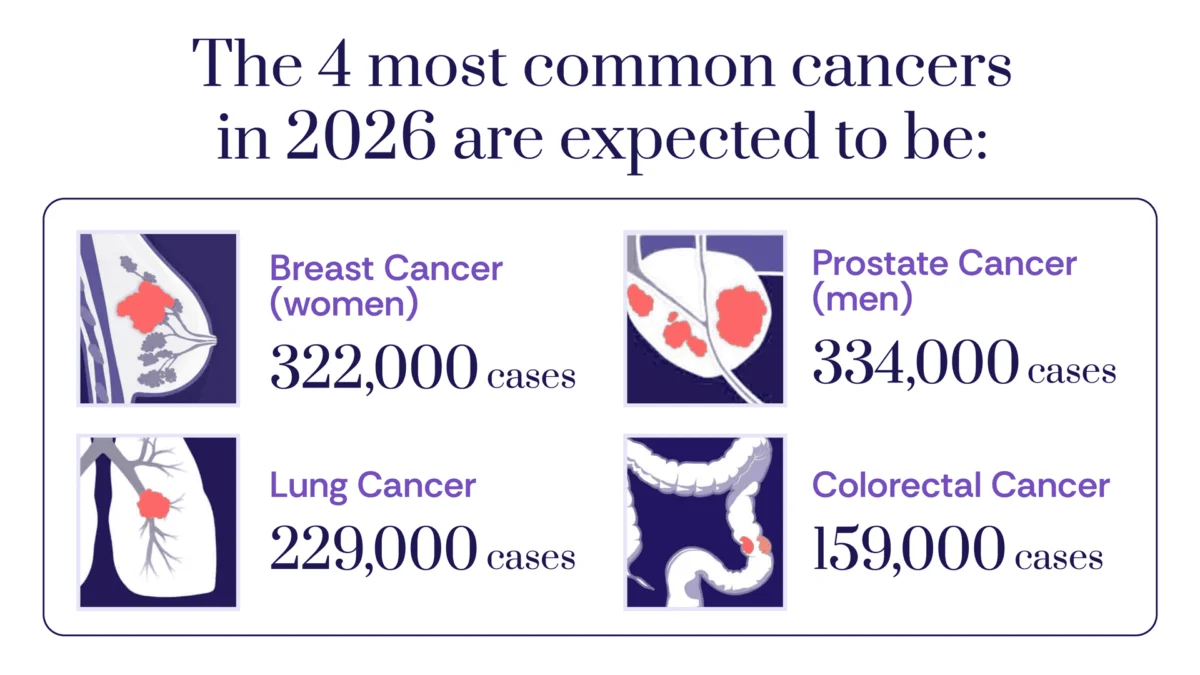
The American Cancer Society’s landmark Cancer Statistics 2026 report paints a compelling picture of both profound progress and persistent challenges in the nation’s battle against cancer. It heralds a remarkable era of scientific breakthroughs, particularly in the fields of immunotherapy and targeted treatments, which are now extending lives that were once considered beyond saving. While celebrating unprecedented advancements in survival rates, the report also meticulously details significant inequities in cancer care and outcomes that demand urgent attention and continued investment.
A New Era in Cancer Survival: The Numbers Speak
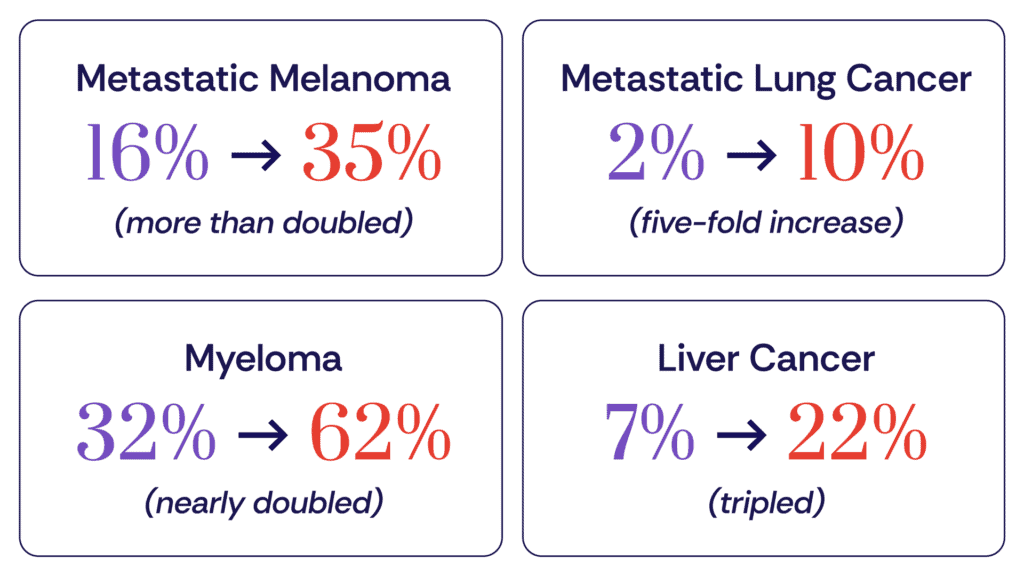
For the first time in history, the five-year relative survival rate for all cancers combined in the United States has reached a historic milestone of 70% during the period of 2015–2021. This represents a monumental leap from just 49% recorded in the mid-1970s, underscoring nearly five decades of sustained research, improved diagnostics, and innovative therapeutic strategies. Perhaps the most striking aspect of this progress is the dramatic increase in survival rates for advanced, metastatic cancers—diseases that, just a generation ago, were often deemed untreatable with grim prognoses. This shift signifies a fundamental redefinition of what is possible in oncology, offering renewed hope to countless patients and their families.
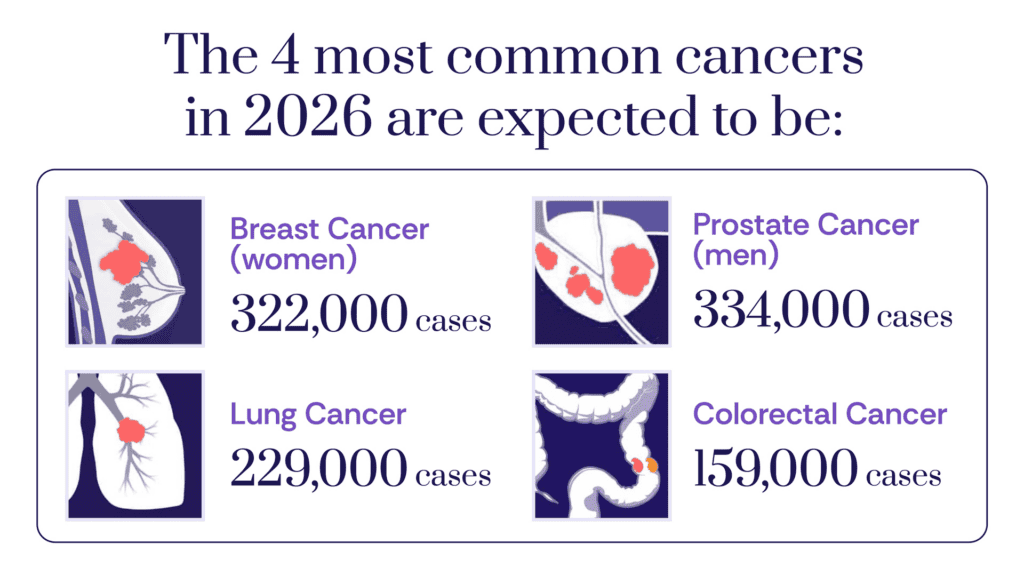
Despite these encouraging trends, the burden of cancer remains substantial across the U.S. In 2026, an estimated 2.1 million Americans are projected to receive a cancer diagnosis, with approximately 626,000 succumbing to the disease. This translates to an alarming daily toll of about 5,800 new cases and 1,720 deaths. Cancer continues to be the second leading cause of death overall in the U.S., but its impact is even more pronounced in specific demographics. It stands as the leading cause of death for men aged 60–79 and women aged 40–79, highlighting its critical impact during crucial productive years. Lung cancer alone is projected to claim more lives than the combined fatalities from colorectal and pancreatic cancers, which rank as the second and third deadliest cancers, respectively. This stark statistic underscores the ongoing challenge posed by specific aggressive cancer types and the continued need for effective prevention, early detection, and advanced treatment strategies.
The Immunotherapy Revolution: Rewriting the Future of Cancer Treatment
The Cancer Statistics 2026 report meticulously documents extraordinary gains in five-year survival for several advanced cancers, unequivocally linking these improvements to breakthrough treatments, most notably immunotherapy and targeted therapies. These are not merely incremental adjustments; they represent profound, paradigm-shifting advancements in the management of advanced disease. These transformations are the direct result of decades of foundational research dedicated to understanding how to harness the body’s own immune system to combat cancer and how to precisely target cancer’s unique vulnerabilities.

Immunotherapy, in particular, has emerged as a cornerstone of modern cancer treatment. Unlike traditional chemotherapy, which broadly attacks rapidly dividing cells, or radiation therapy, which uses high-energy particles to destroy cancer cells, immunotherapy works by stimulating or restoring the immune system’s natural ability to recognize and destroy cancer cells. Key advancements include immune checkpoint inhibitors, which block proteins that prevent immune cells from attacking cancer, and CAR T-cell therapy, which genetically modifies a patient’s T-cells to target specific cancer cells.
Dr. Antoni Ribas, MD, PhD, a distinguished Professor at UCLA and a member of the Cancer Research Institute (CRI) Scientific Advisory Council, emphasizes the profound impact of these innovations. "When we look at metastatic melanoma survival improving from 16% to 35% in just 25 years, we’re witnessing the direct impact of immune checkpoint inhibitors like anti-PD-1 and anti-CTLA-4 therapies," Dr. Ribas stated. "These are the breakthroughs that the Cancer Research Institute has championed for decades – supporting the fundamental science that made immunotherapies a reality." This dramatic increase in survival for a previously highly fatal cancer exemplifies the transformative potential of immunotherapy, offering extended lifespans and improved quality of life for patients who once had very limited options. Beyond melanoma, immunotherapies have shown remarkable success in treating various cancers, including certain types of lung cancer, kidney cancer, bladder cancer, and Hodgkin lymphoma, continually expanding their therapeutic reach.
A Chronicle of Progress: Declining Mortality Rates and Averted Deaths
The period from 1991 to 2023 marks a significant chapter in the fight against cancer, characterized by a substantial decline in the overall cancer death rate by 34%. This sustained reduction translates into an estimated 4.8 million cancer deaths averted over these three decades. This remarkable progress is not attributable to a single factor but rather to a synergistic combination of public health initiatives, medical innovations, and behavioral changes.
A significant contributor to this decline has been the sustained reduction in smoking rates, driven by decades of public awareness campaigns, tobacco control policies, and increased cessation efforts. The link between tobacco use and numerous cancer types, particularly lung cancer, is well-established, and the decrease in smoking prevalence has had a cascading positive effect on cancer incidence and mortality.
Concurrently, advancements in early detection and screening methods have played a crucial role. Widespread adoption of screening tools for cancers such as breast, cervical, and colorectal cancer has enabled the identification of precancerous lesions or early-stage tumors, often leading to more effective and less invasive treatments. Improved imaging technologies, such as mammography, colonoscopy, and low-dose CT scans for lung cancer screening in high-risk individuals, have allowed for earlier intervention, significantly improving patient outcomes.
Finally, the continuous evolution of cancer treatments, including refined surgical techniques, more precise radiation delivery, the development of targeted therapies, and most recently, the immunotherapy revolution, has dramatically improved survival rates. These multifaceted advancements underscore the importance of a comprehensive approach to cancer control, combining prevention, early detection, and cutting-edge treatment.
The Unfinished Battle: Persistent Disparities and Challenges
While celebrating the overall progress, the Cancer Statistics 2026 report soberly highlights areas where progress has been significantly slower and markedly uneven. These disparities underscore the urgent need for continued, focused research and innovation, alongside systemic changes to ensure equitable access to care.
Rising Cancer Rates in Young Adults: A concerning trend identified in the report is the rising incidence of certain cancers among young adults. This phenomenon, which warrants deeper investigation, includes increases in colorectal cancer, pancreatic cancer, and specific types of breast cancer in individuals under the age of 50. Potential contributing factors are believed to include shifts in lifestyle, dietary habits, environmental exposures, and possibly delayed diagnoses due to a lower index of suspicion among both patients and clinicians in this age group. Understanding the underlying causes of these trends is critical for developing targeted prevention strategies and early detection protocols for younger populations.
Widening Geographic Gaps: The report also points to widening geographic disparities in cancer outcomes. Access to high-quality cancer care, including state-of-the-art diagnostic facilities, specialized oncology centers, and clinical trials, often varies significantly between urban and rural areas. Individuals residing in medically underserved rural communities frequently face barriers such as long travel distances to treatment centers, scarcity of oncologists, and limited access to preventative screenings. These factors contribute to later-stage diagnoses and, consequently, poorer survival rates compared to their urban counterparts. Regional variations in socioeconomic status, health insurance coverage, and public health infrastructure further exacerbate these geographic inequities.
Racial and Ethnic Inequities Persist – Driven by Systemic Barriers: Perhaps the most profound and troubling disparities highlighted in the report are those rooted in racial and ethnic inequities. These disparities are not merely statistical anomalies but are deeply intertwined with systemic barriers that impact health outcomes across the cancer continuum. The report explicitly emphasizes that these inequities stem from a "higher prevalence of risk factors, medical mistrust, and lack of insurance, which hinders access to high-quality health care."
Even when controlling for factors like stage at diagnosis and socioeconomic status, survival gaps persist across different racial and ethnic groups. The report identifies "less access to high-quality care across the cancer continuum, from prevention to diagnosis and treatment" as the "largest contributor" to these enduring disparities. For instance, Black Americans continue to experience higher mortality rates for several common cancers, including prostate, breast, and colorectal cancer, despite similar or even lower incidence rates in some cases. Hispanic/Latino populations often face barriers related to language, cultural competency of healthcare providers, and insurance status, leading to delayed diagnoses and less optimal treatment pathways. Indigenous communities frequently contend with systemic neglect, geographic isolation, and historical trauma that erode trust in healthcare systems.
These systemic issues manifest in multiple ways:
- Delayed Diagnosis: Minority populations are often diagnosed at later stages, when cancer is more advanced and harder to treat effectively.
- Suboptimal Treatment: There is evidence of unequal access to guideline-concordant care, including advanced surgical options, targeted therapies, and immunotherapies.
- Lower Clinical Trial Participation: Underrepresentation in clinical trials can limit access to cutting-edge treatments and hinder the development of therapies that are effective across diverse populations.
- Lack of Follow-up Care: Inconsistent access to comprehensive survivorship care can impact long-term outcomes and quality of life.
Addressing these deep-seated inequities requires a multi-pronged approach that includes expanding health insurance coverage, investing in community-based healthcare initiatives, fostering culturally competent care, building trust within marginalized communities, and actively working to dismantle discriminatory practices within the healthcare system.
The Road Ahead: Continued Research and Equitable Access
The Cancer Statistics 2026 report serves as a potent reminder that sustained investment in research yields tangible, life-saving results. The immunotherapy revolution, far from an overnight phenomenon, is the culmination of decades of rigorous basic science, generously funded by institutions like the National Cancer Institute and philanthropic organizations such as the Cancer Research Institute (CRI). These investments have laid the groundwork for understanding the complex interplay between cancer and the immune system, transforming laboratory discoveries into clinical realities.
However, the same comprehensive data that celebrates unprecedented progress also starkly reveals how much work remains. The report underscores the stagnation in survival rates for certain aggressive cancers, highlighting areas of urgent unmet need. For instance, pancreatic cancer survival remains stubbornly low at 13%, meaning that an estimated 185 Americans diagnosed with this disease today face essentially unchanged odds compared to previous generations. Similarly, uterine corpus cancer mortality has continued its concerning 26-year climb, indicating a need for intensified research and improved therapeutic strategies for this cancer type.
The report implicitly issues a powerful call to action:
- Sustained Investment in Cancer Immunology: Continued funding for basic and translational research is paramount to unraveling the complexities of cancer and identifying new therapeutic targets, especially for resistant or currently untreatable cancers.
- Expanding Immunotherapy’s Reach: Efforts must be redoubled to extend the promise of immunotherapy to a broader spectrum of cancer types, moving beyond current successes to encompass those cancers where progress has been slow. This includes research into combination therapies, predictive biomarkers, and overcoming mechanisms of immune resistance.
- Ensuring Equitable Access to Care: Every patient, regardless of their background, deserves access to the latest advances in cancer treatment. This necessitates addressing the systemic barriers that perpetuate racial, ethnic, and geographic disparities in healthcare access and quality. Ensuring that life-saving cancer care, from prevention and early detection to cutting-edge therapies, is available to "every community — regardless of race, ethnicity, or ZIP code" is a moral imperative and a public health necessity.
The extraordinary power of the immune system to fight cancer is increasingly evident. Yet, unlocking its full potential and extending its life-saving promise to every patient, across every cancer type, and in every community, requires unwavering commitment, collaborative effort, and continued, robust investment in scientific research and equitable healthcare infrastructure. The journey is far from over, but the path forward, illuminated by the successes of the past and the challenges of the present, is clear.
