
 By admin
Ewing sarcoma, a rare and aggressive form of bone and soft tissue cancer that primarily affects children and young adults, has long been characterized by its biological complexity and clinical volatility. Dr. Logan Spector, a renowned researcher from the University of Minnesota, frequently refers to this malignancy as a "spotted zebra," a metaphor illustrating its unique and unpredictable nature. Unlike many other cancers that follow a discernible pattern of growth and mutation, Ewing sarcoma exhibits different behaviors at various stages of development and can even present heterogeneously within a single patient. This elusive quality has historically made it one of the most challenging pediatric cancers to treat, necessitating a relentless pursuit of new therapeutic avenues by researchers across the globe.
Despite these challenges, the landscape of Ewing sarcoma research is undergoing a significant transformation, fueled by a combination of federal grants and critical seed funding from organizations like the Children’s Cancer Research Fund (CCRF). The synergy between philanthropic support and academic rigor is currently unlocking new understandings of the disease’s molecular drivers, offering hope for more effective and less toxic treatments for the approximately 200 children diagnosed with the condition in the United States each year.
The Biological Complexity of Ewing Sarcoma
At the heart of Ewing sarcoma research is the effort to understand the EWS-FLI1 fusion oncoprotein. This genetic abnormality, resulting from a translocation between chromosomes 11 and 22, acts as a master regulator that drives the development of the tumor. However, knowing the driver is only half the battle; understanding how this protein interacts with other cellular mechanisms is where the current scientific "hunt" is focused.
Dr. Spector and his team at the University of Minnesota have utilized support from the CCRF to bridge the gap between preliminary discovery and large-scale validation. This initial support was instrumental in securing a multi-million-dollar grant from the National Institutes of Health (NIH). The team is currently unraveling key mechanisms that allow the cancer to evade the immune system and resist standard therapies. Their work focuses on the "heterogeneity" of the tumor—why some cells within a tumor die during chemotherapy while others persist, leading to relapse.
Innovative Research Models: The Role of Humanized Mice
A significant breakthrough in the field came in 2018 when the CCRF awarded an Emerging Scientist Award to Dr. Kelly Bailey, an MD, PhD, at the University of Pittsburgh. Dr. Bailey’s research addresses a fundamental flaw in traditional oncology modeling: the difference between the murine (mouse) immune system and the human immune system. To overcome this, Dr. Bailey developed a sophisticated "humanized" mouse model, equipping the animals with human immune components to observe how Ewing sarcoma interacts with human immune cells in real-time.
Dr. Bailey’s work specifically investigates how the immune system "sees" or recognizes Ewing sarcoma after it has been damaged by DNA-targeting agents like chemotherapy. A central focus of her study is the NF-kB signaling pathway, a protein complex that controls cytokine production and cell survival. By analyzing how Ewing sarcoma cells with varying levels of the EWS-FLI1 fusion oncoprotein respond to NF-kB signaling, Dr. Bailey aims to identify logical combinations of DNA-damaging agents and immunotherapies. The goal is to prime the tumor cells to be more "visible" to the immune system, allowing the body’s natural defenses to assist in eradicating the cancer.
A Decade of Survival: The Case Study of Griffin
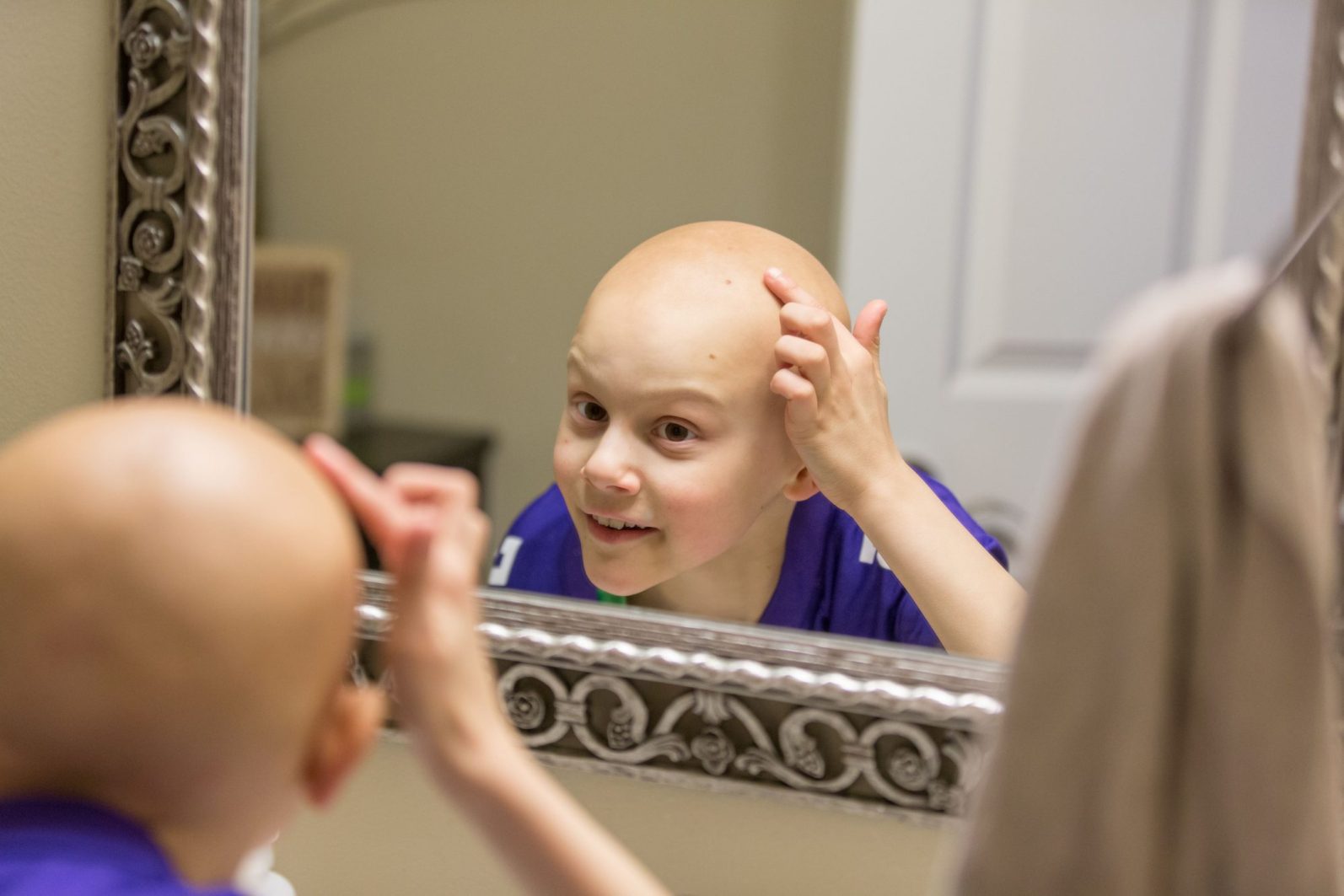
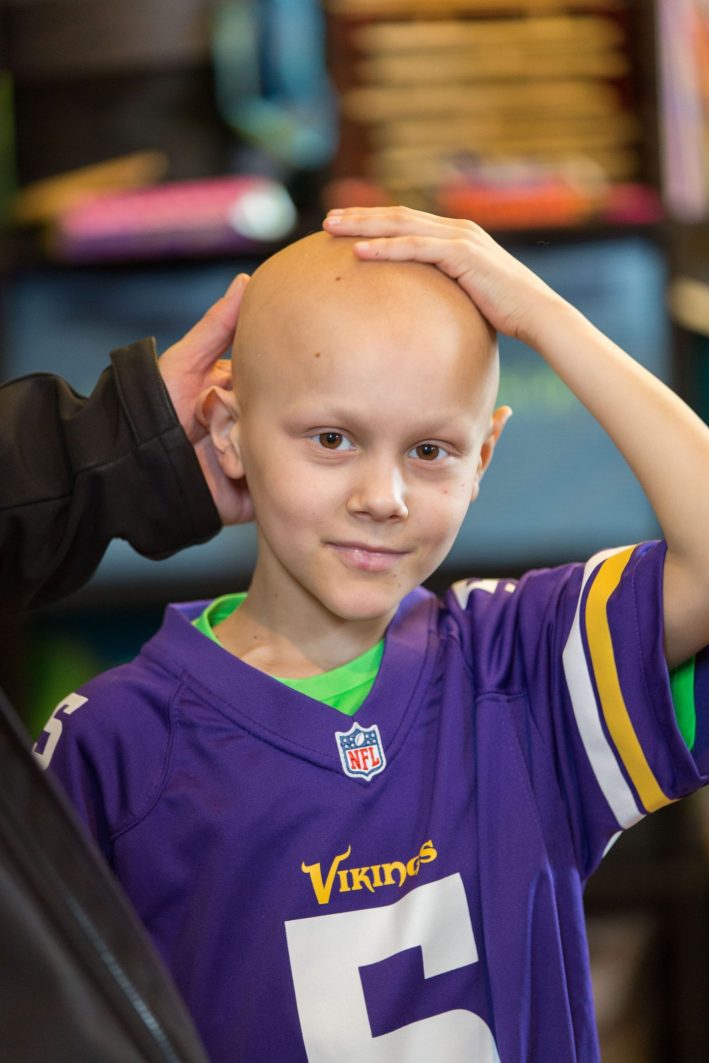
The clinical implications of this research are best illustrated by the lived experiences of survivors like Griffin, who was diagnosed with Ewing sarcoma a decade ago. At the age of eight, Griffin was found to have a baseball-sized tumor in his pelvis. His mother, Jill, recalls the diagnosis as the beginning of a confrontation with a "beast of a cancer."
Griffin’s treatment regimen was intensive, involving a cocktail of six different chemotherapy drugs, including an experimental trial therapy. This multi-agent approach is standard for Ewing sarcoma but carries a heavy physical toll. While the infusions successfully eradicated the tumor, the "cure" often comes with a lifetime of secondary risks. Griffin, now 18 and a standout multi-sport athlete—serving as the captain of his high school’s football and baseball teams—represents the success of modern pediatric oncology. However, his story also highlights the lingering shadows of the disease.
"That doesn’t mean life is normal for us, even to this day," Jill noted, reflecting on the long-term side effects of the drugs that saved his life. The chemotherapy agents used in Ewing sarcoma protocols, such as doxorubicin and cyclophosphamide, are known to increase the risk of heart damage, kidney failure, and secondary cancers later in life. This reality underscores the urgent need for the "targeted" therapies currently being researched by Dr. Bailey and Dr. Spector—treatments that can kill cancer cells without causing systemic damage to a child’s developing body.
The Critical Role of Early-Career Funding
The transition from Griffin’s diagnosis ten years ago to his current status as a healthy young adult was made possible by the research conducted in the years prior. However, the future of such progress is currently at risk due to a tightening funding environment. Dr. Bailey emphasizes that the "Emerging Scientist" phase is a critical juncture for researchers. Philanthropic grants often serve as the "career launching point" that allows young scientists to gather enough data to qualify for larger federal grants.
Currently, pediatric cancer research receives only about 4% of the total funding allocated by the National Cancer Institute (NCI) for cancer research. This disparity places a heavy burden on private organizations to fill the gap. Dr. Bailey expressed concern that without consistent funding, the next generation of researchers might be forced to abandon the field.
"As a physician-scientist, you only really have 20-30 years to really delve in," Dr. Bailey explained. "The early career time is a critical period for establishing yourself and getting a consistent funding stream going. Nationally, there is a strong need to support the early careers of up-and-coming scientists and ensure the future of pediatric oncology research."
Analysis of Implications and Future Outlook
The trajectory of Ewing sarcoma research suggests a move toward "precision immunotherapy." If researchers can successfully identify the compounds that make tumor cells more responsive to the immune system, the reliance on high-dose, non-specific chemotherapy may decrease. This would not only improve survival rates for metastatic cases—which currently remain stubbornly low—but also improve the quality of life for survivors.
The timeline of progress in this field is measured in decades. The samples collected and the models built during Griffin’s treatment ten years ago are the very tools being used today to refine treatments for the 200 children who will be diagnosed this year. The "spotted zebra" is slowly being decoded, but the process is resource-intensive.
The broader implication for the medical community is the necessity of a stable "pipeline" of talent. If federal funding cuts continue to make research grants harder to secure, the "baton" that Dr. Bailey speaks of may have no one to catch it. The investment in early-career researchers is, therefore, not just an investment in a specific project, but an investment in the intellectual infrastructure of pediatric medicine.
Conclusion
The fight against Ewing sarcoma is a testament to the power of persistence in the face of a biological enigma. From the laboratory benches in Minnesota and Pittsburgh to the athletic fields where survivors like Griffin now compete, the impact of dedicated research is evident. However, the "beast" is not yet fully tamed. The continued support of the Children’s Cancer Research Fund and similar organizations remains the lifeblood of this progress, ensuring that the "eyes behind the microscope" have the resources they need to turn today’s discoveries into tomorrow’s cures.
As Griffin transitions into adulthood—a milestone his mother once feared he might never reach—his journey serves as both a victory and a call to action. The science of the last decade saved his life, but the science of the next decade must aim higher: to cure every child with Ewing sarcoma while leaving them with a future free from the long-term complications of their treatment. Organizations and donors are encouraged to continue their support of this vital work by visiting childrenscancer.org to contribute to the next generation of breakthroughs.
