
 By admin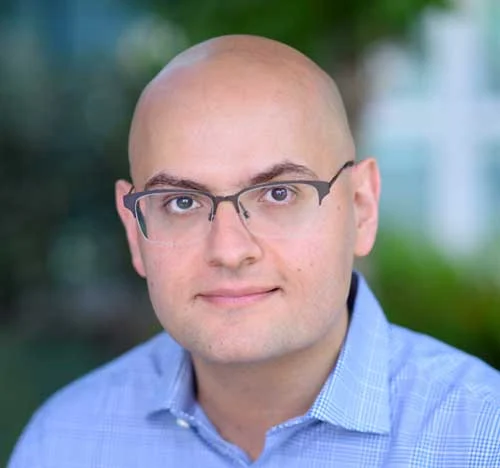
Researchers at Children’s Hospital Los Angeles (CHLA), led by Dr. Babak Moghimi, have announced a significant breakthrough in the development of next-generation Chimeric Antigen Receptor (CAR) T-cell therapy specifically designed to combat Acute Myeloid Leukemia (AML) in pediatric patients. This novel approach seeks to address the long-standing challenges of toxicity and treatment resistance that have historically hindered the application of cellular immunotherapy in AML. Supported by a strategic grant from CureSearch for Children’s Cancer, the research team is refining a dual-antigen targeting system that distinguishes between malignant leukemia cells and healthy bone marrow cells, potentially offering a lifeline to children who have exhausted traditional treatment options.
The Critical Challenge of Pediatric Acute Myeloid Leukemia
Acute Myeloid Leukemia stands as the second most prevalent form of leukemia diagnosed in children, accounting for approximately 20% of all pediatric leukemia cases. While advancements in chemotherapy and hematopoietic stem cell transplantation (HSCT) have improved outcomes over the last several decades, the prognosis for children who suffer a relapse remains alarmingly poor. Statistics indicate that for pediatric patients with relapsed or refractory AML, five-year survival rates can plummet to below 30%, a stark contrast to the more favorable outcomes seen in Acute Lymphoblastic Leukemia (ALL).
The biological complexity of AML presents a formidable barrier to successful treatment. Unlike ALL, where the CD19 protein serves as a nearly universal and relatively safe target for CAR T-cell therapy, AML lacks a single, definitive biomarker that is exclusive to tumor cells. Most proteins found on the surface of AML blasts, such as CD33 or CD123, are also expressed on healthy hematopoietic stem and progenitor cells (HSPCs). Consequently, traditional CAR T-cell therapies designed to target these proteins often result in "on-target, off-tumor" toxicity, leading to the destruction of the patient’s healthy bone marrow. This causes profound and potentially fatal myelosuppression, leaving patients without the ability to produce essential red blood cells, white blood cells, or platelets.
The Evolution of CAR T-Cell Therapy: From ALL to AML
The success of CAR T-cell therapy in treating B-cell Acute Lymphoblastic Leukemia has been one of the greatest triumphs in modern oncology. By genetically engineering a patient’s own T-cells to recognize and kill cells expressing the CD19 antigen, clinicians have achieved high remission rates in patients who were previously considered terminal. However, translating this success to AML has required a complete reimagining of the CAR T-cell architecture.
Dr. Moghimi’s work at CHLA represents the vanguard of this transition. Current CAR T-cell models for AML have largely failed to prolong survival in high-risk patients because they cannot sustain a persistent attack on the cancer without causing irreversible damage to the host’s hematological system. The "next-generation" aspect of Dr. Moghimi’s research involves a more sophisticated "logic-gated" approach. By requiring the CAR T-cell to recognize a combination of two different antigens before activating its killing mechanism, the therapy significantly increases its specificity. This "AND" gate logic ensures that the therapy only engages when it encounters a cell expressing both Target A and Target B—a signature unique to the leukemia cells—while sparing healthy cells that may only express one of the two.
Technical Foundations and Clinical Strategy
The precision of the CHLA approach lies in its ability to improve both "persistence" and "precision." Persistence refers to the ability of the engineered T-cells to remain active within the body over a long period, providing ongoing surveillance against potential relapse. Precision refers to the accuracy with which these cells identify their targets.
In the laboratory setting, Dr. Moghimi and his team have demonstrated that these dual-antigen CAR T-cells can effectively eliminate AML blasts while leaving the surrounding healthy bone marrow microenvironment intact. This is a critical milestone, as it suggests that patients could potentially receive this therapy without requiring a subsequent bone marrow transplant to rescue their immune system—a procedure that carries its own set of heavy risks and long-term side effects.
The project’s methodology involves a multi-phase validation process:
- Antigen Selection: Identifying the optimal pair of surface proteins that are co-expressed on pediatric AML cells but not on vital healthy tissues.
- CAR Engineering: Constructing the genetic vectors that program the T-cells with the dual-recognition capabilities.
- Pre-clinical Testing: Utilizing patient-derived xenograft (PDX) models—where human leukemia cells are grown in specialized laboratory environments—to test the efficacy and safety of the cells in a complex biological system.
The Role of CureSearch and Institutional Support
The advancement of this research is made possible through the financial and administrative support of CureSearch for Children’s Cancer. CureSearch is a national non-profit organization focused on accelerating the development of new treatments for the 15,000 children diagnosed with cancer each year in the United States. Their funding model specifically targets "high-risk, high-reward" research that has the potential to move quickly from the laboratory to clinical trials.
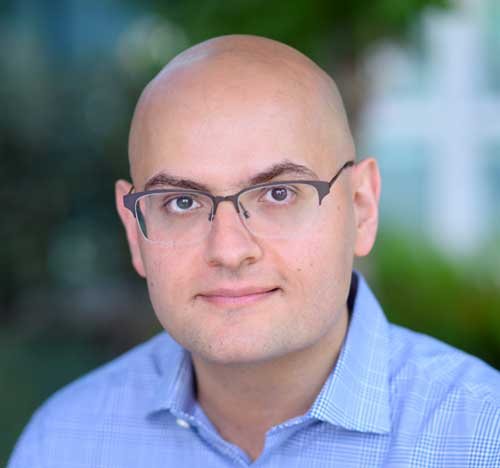
"Supported by this generous funding from CureSearch," stated Dr. Moghimi, "our project aims to develop an effective and safe next-generation CAR T strategy to treat children with AML by targeting a combination of two antigens, significantly increasing their accuracy and safety."
The partnership between CureSearch and Children’s Hospital Los Angeles underscores a growing trend in pediatric oncology: the reliance on philanthropic-academic collaborations to bridge the "valley of death" in drug development. Because pediatric cancers are considered rare diseases compared to adult cancers, they often receive less investment from major pharmaceutical companies. Funding from organizations like CureSearch allows researchers like Dr. Moghimi to gather the robust data necessary to attract larger-scale clinical trial investment.
Chronology of Development and Future Milestones
The timeline for Dr. Moghimi’s research follows a rigorous path toward clinical implementation. Following the initial design phase, the team has spent the last several years perfecting the dual-targeting mechanism.
- 2021-2022: Identification of candidate antigen pairs and initial in-vitro (test tube) validation of the "AND-gate" logic.
- 2023: Expansion of the study into in-vivo models to observe the interaction between CAR T-cells and the bone marrow microenvironment.
- 2024: Receipt of the CureSearch grant to finalize the "Lead Candidate" for a clinical-grade CAR T-cell product.
- Upcoming (2025-2026): Submission of an Investigational New Drug (IND) application to the U.S. Food and Drug Administration (FDA). This is a mandatory step before human clinical trials can begin at CHLA.
If the IND is approved, CHLA will likely host a Phase I clinical trial. This trial will primarily focus on the safety of the new therapy in a small group of pediatric patients with relapsed AML. If safety is established and early signs of efficacy are observed, the research will move into Phase II, where a larger cohort will be studied to determine the therapy’s overall effectiveness in achieving long-term remission.
Broader Implications for Pediatric Medicine
The implications of Dr. Moghimi’s work extend far beyond the treatment of AML. The successful implementation of a dual-antigen, logic-gated CAR T-cell therapy would represent a paradigm shift in how we approach "difficult-to-target" cancers. Many solid tumors, such as neuroblastoma or osteosarcoma, suffer from the same lack of unique biomarkers that has plagued AML research. If the CHLA team can prove that dual-targeting is a viable clinical strategy, the same technology could be adapted to treat a wide range of other pediatric and adult malignancies.
Furthermore, this research contributes to the growing field of "precision medicine." By tailoring the therapy to the specific antigenic profile of a patient’s cancer, doctors can move away from the "one-size-fits-all" approach of traditional chemotherapy. For a child, this means not only a better chance at survival but also a significantly higher quality of life post-treatment. Traditional treatments often leave survivors with lifelong health challenges, including heart damage, secondary cancers, and infertility. Targeted immunotherapies like the one being developed by Dr. Moghimi offer the hope of a "cleaner" cure.
Analysis of the Pediatric Oncology Landscape
The landscape of pediatric oncology is currently at a crossroads. While the overall survival rate for childhood cancer has risen to over 80%, the remaining 20% represents a subset of patients with highly aggressive, treatment-resistant diseases. AML is a cornerstone of this 20%.
Market analysts and medical experts suggest that the future of the field lies in "off-the-shelf" or highly customized cellular therapies. Dr. Moghimi’s approach at CHLA aligns with this vision. By focusing on the "safety" aspect through dual-targeting, the team is addressing the primary reason the FDA pauses or halts clinical trials in the cellular therapy space.
Industry reactions to the project have been positive. Peers in the oncology community have noted that CHLA’s position as a leading pediatric research hospital provides a unique environment for this work. The proximity of the research lab to the clinical ward allows for a "bedside-to-bench-and-back" approach, where clinical observations directly inform laboratory adjustments.
Conclusion
The development of next-generation AML CAR T-cells by Dr. Babak Moghimi and his team at Children’s Hospital Los Angeles marks a pivotal moment in the fight against pediatric leukemia. By utilizing sophisticated genetic engineering to overcome the hurdles of off-target toxicity, the CHLA team is carving a path toward a safer and more effective treatment for the most vulnerable patients. With the support of CureSearch and the dedicated infrastructure of one of the nation’s top pediatric hospitals, this novel therapy stands as a beacon of hope for families facing the dire reality of relapsed AML. As the project moves toward clinical trials, the medical community watches with cautious optimism, anticipating a new era where the precision of the immune system is fully harnessed to eliminate childhood cancer.
