
 By Gabriel Paijo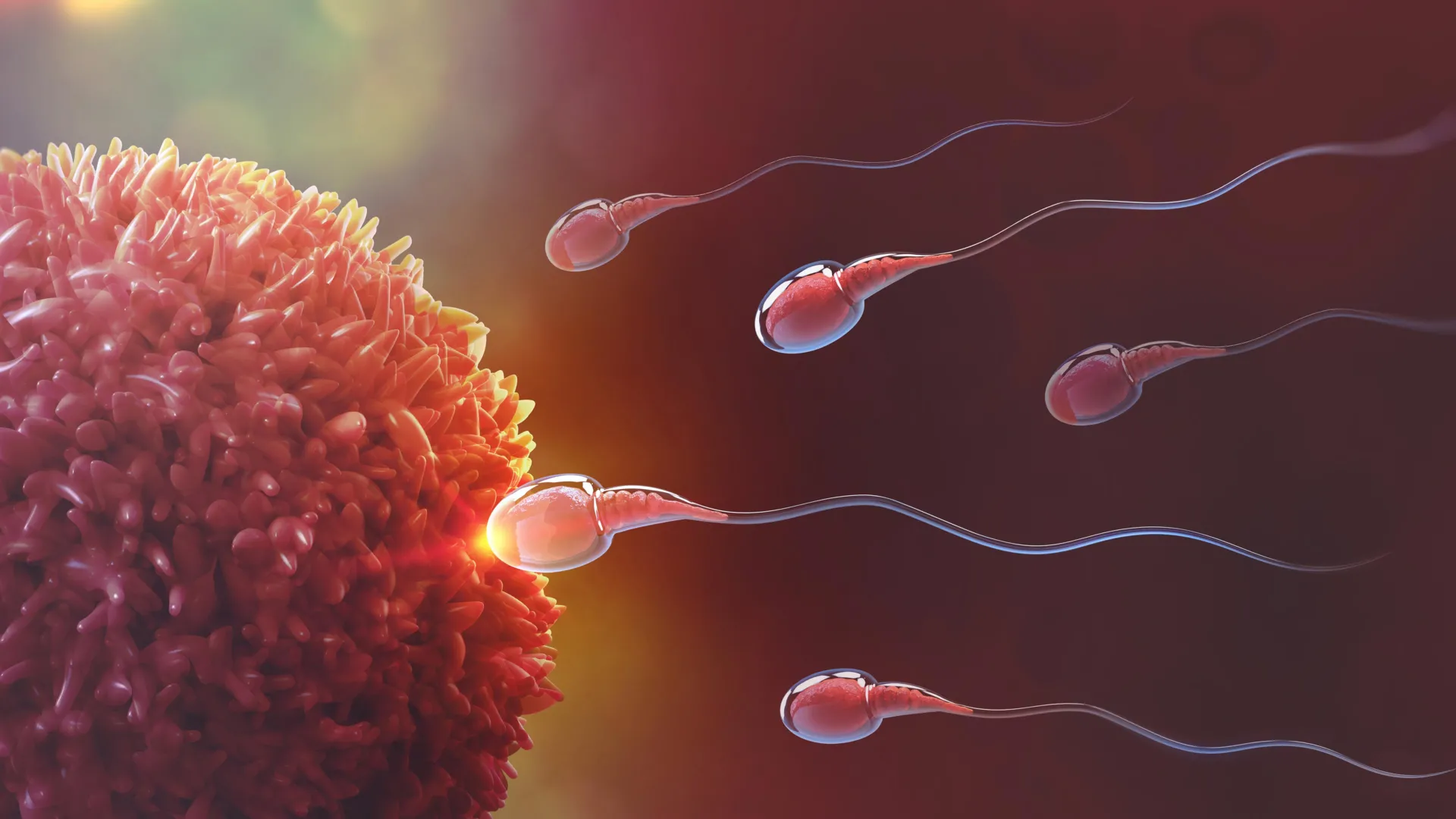
A multidisciplinary team of researchers at Cornell University has announced a landmark discovery in reproductive biology, identifying a nonhormonal method to temporarily and safely halt sperm production in mice. The study, which represents more than six years of intensive laboratory investigation, provides a viable proof-of-concept for a long-acting, 100% effective, and fully reversible male contraceptive—a goal that has eluded the scientific community for decades. By targeting a specific stage of meiosis, the process by which germ cells divide to produce sperm, the researchers have demonstrated that fertility can be switched off and on without altering the underlying genetic health of the individual or their future offspring.
The findings, published in the Proceedings of the National Academy of Sciences (PNAS), utilize a small molecule inhibitor known as JQ1 to interrupt the early stages of sperm development. Unlike previous attempts at male birth control that relied on altering testosterone levels, this approach focuses on the cellular machinery of the testes, offering a path toward a contraceptive that avoids the systemic side effects often associated with hormonal therapies.
The Biological Mechanism: Targeting Meiosis
At the heart of this breakthrough is the complex process of meiosis. In the male reproductive system, spermatogenesis—the creation of sperm—begins with spermatogonial stem cells. These cells undergo meiosis, a two-stage division process that reduces the number of chromosomes by half, resulting in haploid sperm cells capable of fertilizing an egg.
The Cornell team, led by Paula Cohen, a professor of genetics and director of the Cornell Reproductive Sciences Center, focused their intervention on "Prophase 1" of meiosis. During this stage, homologous chromosomes pair up and exchange genetic material. If this stage is disrupted, the developing sperm cells cannot progress and are naturally cleared by the body.
The researchers utilized JQ1, a molecule originally developed to inhibit BET (bromodomain and extra-terminal) proteins in the context of cancer and inflammatory disease research. In the testes, JQ1 specifically interferes with the function of BRDT, a testis-specific protein essential for the remodeling of chromatin during meiosis. By blocking BRDT, the researchers were able to stall the meiotic process in its tracks.
"We are practically the only group pushing the idea that contraception targets in the testis are a feasible way to stop sperm production," said Professor Cohen. "Our focus was to ensure we didn’t impact the spermatogonial stem cells. If you kill those, a man will never become fertile again. By targeting meiosis, we create a temporary blockade that the body can clear once the medication is stopped."
A Six-Year Chronology of Research and Discovery
The journey toward this discovery began over half a decade ago, born from the need to find a "middle ground" in male contraception. The research timeline reflects a meticulous approach to proving both efficacy and safety.
- Initial Hypothesis (Years 1-2): The team identified the BET protein family as a potential "Achilles’ heel" for sperm production. They hypothesized that because these proteins are so integral to the structural changes required during meiosis, inhibiting them would provide a definitive "stop" command to the reproductive system.
- Experimental Phase (Years 3-4): Using mouse models, the team began testing various concentrations of the JQ1 molecule. They monitored not only the cessation of sperm production but also the physical health of the mice to ensure the molecule did not cause systemic toxicity.
- Refinement and Meiotic Observation (Year 5): The researchers utilized advanced imaging and genetic sequencing to observe exactly what happened inside the seminiferous tubules—the site of sperm production. They confirmed that JQ1 caused developing cells to undergo apoptosis (programmed cell death) specifically at Prophase 1, preventing any "leakage" of viable sperm.
- Recovery and Breeding Trials (Year 6): The final stage involved ceasing the administration of JQ1 and monitoring the return of fertility. The team meticulously tracked the timeline of sperm recovery and conducted breeding trials to ensure that the offspring produced post-treatment were developmentally and genetically normal.
Supporting Data: Efficacy and Reversibility Metrics
The data derived from the study provides a compelling case for the viability of meiotic interruption. In the controlled mouse trials, the following metrics were observed:
- 100% Contraceptive Efficacy: During the three-week administration period of JQ1, sperm counts dropped to zero. No viable sperm were detected in the epididymis, the tube where sperm are stored and matured.
- Rapid Induction: The disruption of meiosis was observed within days of the initial dose, though full azoospermia (absence of sperm) required a three-week window to ensure all pre-existing sperm had cleared the system.
- Predictable Recovery: Within six weeks of stopping the treatment, the mice regained full meiotic function. Sperm counts returned to pre-treatment levels, and the morphology of the sperm was indistinguishable from the control group.
- Offspring Health: The study tracked the health of the offspring sired by the mice after they recovered their fertility. These offspring showed no developmental delays, genetic abnormalities, or fertility issues of their own, proving that the temporary interruption of meiosis did not damage the integrity of the germline.
The Limitation of Current Options and the Need for Innovation
For decades, the burden of contraception has fallen disproportionately on women. Current male options are limited to two extremes: the condom, which has a high "typical use" failure rate of approximately 13%, and the vasectomy, which is a surgical procedure intended to be permanent. While vasectomy reversals are possible, they are expensive, invasive, and not always successful.
Attempts to develop a "male pill" have historically focused on hormonal manipulation, similar to the female oral contraceptive. However, these trials have frequently been halted due to side effects such as mood swings, weight gain, acne, and changes in libido. Furthermore, there are long-term concerns regarding the impact of exogenous testosterone on cardiovascular health and prostate function.
"The scientific community has been cautious about hormonal approaches for men, partly due to the lessons learned from the side effects observed in women over the last sixty years," Cohen noted. "A nonhormonal approach that targets a process unique to the testes—meiosis—minimizes the risk of systemic side effects in the rest of the body."
Analysis of Implications: A Paradigm Shift in Reproductive Health
The implications of a successful, long-acting nonhormonal male contraceptive are profound, touching on public health, economics, and social equity.
Public Health and Unintended Pregnancy
Global statistics suggest that nearly 50% of all pregnancies are unintended. By providing men with a reliable, reversible tool to manage their own fertility, public health experts believe these numbers could be significantly reduced. A three-month injection or a dermal patch would remove the "human error" element associated with daily pills or the correct use of condoms.
Economic Impact
The global contraceptive market is valued at over $25 billion. However, the male contraceptive segment (excluding condoms) is virtually non-existent. The introduction of a meiotic inhibitor could create a multi-billion dollar industry, shifting the economic landscape of reproductive healthcare.
Societal Responsibility
The development of such a drug would represent a major step toward "contraceptive equity." It allows for a shared responsibility in family planning, potentially alleviating the health risks and financial burdens currently borne by women.
Future Outlook: From JQ1 to Human Clinical Trials
While the Cornell study is a breakthrough, the researchers are quick to point out that JQ1 itself is not the final drug. JQ1 was used as a "proof-of-principle" molecule. Because JQ1 can cross the blood-brain barrier and has been linked to neurological side effects in other studies, it is not suitable for human use as a contraceptive.
The next phase of research involves developing a "next-generation" molecule that mimics JQ1’s effect on the BRDT protein but is more selective, ensuring it does not affect other BET proteins in the brain or other tissues.
"The goal is to create a compound that is so specific it only talks to the proteins in the testes," Professor Cohen explained.
In terms of delivery, Cohen envisions a future where a man could receive an injection at a clinic every three months, or perhaps utilize a long-acting skin patch. This would provide "set-and-forget" protection similar to the IUD or hormonal implants available to women, but with the added benefit of being nonhormonal and easily reversible.
As the team moves toward identifying more specific inhibitors, the path to human clinical trials remains a rigorous one, likely requiring several more years of refinement and regulatory vetting. However, the Cornell study has successfully provided the biological roadmap, proving that the "holy grail" of male contraception—a safe, effective, and reversible switch for sperm production—is finally within reach.
