
 By admin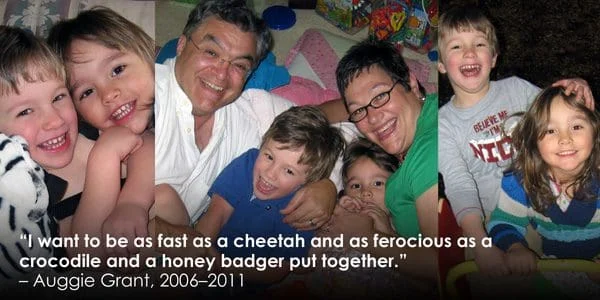
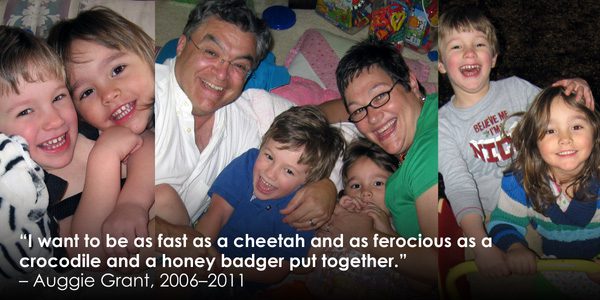
The story of Augusto Auggie Grant serves as a poignant reminder of the volatility of pediatric health and the critical necessity for accelerated medical research in the field of oncology. At just five years old, Auggie Grant was a child defined by an expansive imagination and a physical vitality that his parents, Jon and Cheryl Grant, described as a force of nature. In late 2011, this vitality was abruptly checked by a diagnosis of acute monoblastic leukemia, a subtype of acute myeloid leukemia (AML) known for its aggressive progression. The speed with which the disease claimed his life—a mere five days after the initial diagnosis—has since become the driving force behind a multi-year advocacy and fundraising effort that has raised substantial resources for CureSearch for Children’s Cancer.
The Rapid Onset of Acute Monoblastic Leukemia
In November 2011, Auggie Grant appeared to be a healthy, active child. His parents recall his affinity for role-playing, often donning "uniforms" to become an astronaut, a superhero, or a ninja warrior. However, beneath this outward display of energy, a lethal malignancy was proliferating within his bone marrow and bloodstream. Acute monoblastic leukemia is characterized by the rapid growth of abnormal white blood cells. Unlike some childhood cancers that present with lingering symptoms, the monoblastic subtype can manifest with startling speed, often overwhelming the patient’s immune system before clinical intervention can take full effect.
On December 1, 2011, the family received the results of what they expected to be a routine blood test. The results indicated a severe hematological crisis. By December 5, 2011, Auggie had passed away. The suddenness of the loss highlighted a recurring issue in pediatric oncology: the need for diagnostic tools and treatments that can keep pace with the most aggressive forms of the disease. Cheryl Grant later reflected that the five-minute blood test, while providing an answer, came far too late to change the outcome, underscoring the urgency for more proactive screening and faster-acting therapeutic options.
A Chronology of Grief and Institutional Partnership
Following the death of their son, the Grant family sought a way to honor his memory that would transcend traditional mourning. In the immediate aftermath, during the preparation of Auggie’s obituary, Cheryl Grant reached out to his oncologist’s office to identify organizations that were making the most significant strides in pediatric cancer research. This inquiry led the family to CureSearch for Children’s Cancer, a national non-profit foundation that focuses exclusively on clinical trials and the acceleration of new treatments for pediatric patients.
The transition from personal tragedy to public advocacy began with a simple request: in lieu of flowers, the family asked for donations to be directed to CureSearch. The response from the community was immediate and overwhelming, signaling a widespread desire to address the systemic gaps in childhood cancer funding. By 2012, the Grants had formalized their involvement with the organization, eventually becoming prominent figures in the "Ultimate Hike" program, a series of endurance challenges designed to raise funds for cancer research.
Statistical Context of Pediatric Cancer Funding
The motivation behind the Grants’ advocacy is rooted in a stark statistical reality. According to the National Cancer Institute (NCI), childhood cancer is the leading cause of death by disease among children in the United States. Despite this, pediatric cancer research receives significantly less funding compared to adult cancers. Historically, only about 4% of the federal budget for cancer research is allocated specifically to childhood cancers.
This funding disparity results in a reliance on treatments that were often developed for adults and are frequently too toxic for developing bodies. Furthermore, because childhood cancers are biologically distinct from adult malignancies, the pharmaceutical industry often lacks the financial incentive to develop pediatric-specific drugs. CureSearch addresses this gap by funding research that is specifically "fast-tracked" for clinical use, ensuring that laboratory discoveries reach the hospital bedside in years rather than decades.
The Evolution of Auggie’s Honey Badgers
Central to the Grant family’s fundraising efforts is the formation of "Auggie’s Honey Badgers," a team named after one of Auggie’s favorite animals, known for its ferocity and resilience. The team participates annually in the Ultimate Hike, a 28.3-mile trek that must be completed in a single day. This physical challenge serves as a metaphor for the arduous journey faced by children undergoing cancer treatment.
Jon Grant has noted that the Ultimate Hike has been transformative for his grieving process. He describes the experience as moving beyond a simple team dynamic into a familial support network. For many participants, the hike is not just about the physical distance but about the collective effort to ensure that other families do not have to endure the five-day timeline that the Grants experienced. To date, the Honey Badgers and similar teams have raised millions of dollars, contributing directly to the funding of Phase I and Phase II clinical trials that might otherwise remain unfunded.
Analysis of Implications for Pediatric Oncology
The Grant family’s story highlights several critical implications for the future of pediatric medicine and public health policy:
- The Necessity of Grassroots Funding: In an era of fluctuating federal research budgets, grassroots organizations and individual donors play a disproportionate role in advancing niche medical fields. The success of the "Auggie’s Honey Badgers" model demonstrates how localized grief can be scaled into a national movement that sustains long-term scientific inquiry.
- The "Fast-Track" Research Model: By focusing on projects that are close to clinical application, organizations like CureSearch mitigate the "valley of death" in drug development—the period between a laboratory discovery and its practical application in patients. For aggressive diseases like AML, this speed is the difference between life and death.
- Psychosocial Benefits of Active Advocacy: The Grants’ experience suggests that active participation in research advocacy can provide a structured framework for processing trauma. By channeling their energy into the Ultimate Hike, they have maintained a connection to their son while contributing to a tangible societal good.
Childhood Cancer Awareness Month and the Call to Action
Each September, the medical community and advocacy groups observe Childhood Cancer Awareness Month. This period is dedicated to highlighting the unique challenges faced by the 15,000 children and adolescents diagnosed with cancer each year in the U.S. The Grants use this month to amplify their message, emphasizing that the time required to make a difference is often minimal compared to the impact of the contribution.
Cheryl Grant frequently cites the "five-minute" window—the time it took for a blood test to reveal the illness, and the time it takes for a donor to set up a recurring contribution. This framing serves to lower the barrier to entry for the public, suggesting that systemic change in pediatric oncology is achievable through the cumulative effect of small, consistent actions.
Official Responses and Collaborative Efforts
Medical professionals and representatives from CureSearch have lauded the efforts of families like the Grants. In various statements, CureSearch leadership has emphasized that the data generated from the trials funded by these grassroots efforts are shared across the global medical community, leading to safer and more effective treatment protocols worldwide. The collaborative nature of this research ensures that a breakthrough in one type of leukemia can often provide insights into others, creating a rising tide of efficacy across the spectrum of pediatric oncology.
The Ultimate Hike program continues to expand, with treks occurring in various terrains across the country. These events serve a dual purpose: they provide a platform for fundraising and act as a mobile awareness campaign, bringing the reality of childhood cancer to the forefront of the public consciousness.
Conclusion: A Legacy of Jubilant Ferocity
The legacy of Augusto Grant is not defined solely by the tragedy of 2011, but by the "jubilant ferocity" with which his parents have fought to change the landscape of pediatric cancer research. Through their partnership with CureSearch and the ongoing efforts of Auggie’s Honey Badgers, the Grant family has ensured that Auggie’s name is synonymous with hope and scientific progress.
As Childhood Cancer Awareness Month continues to draw attention to the leading cause of disease-related death in children, the story of the five-year-old who wanted to be a ninja warrior named Sherman remains a potent call to action. It serves as a reminder that while medical science has made great strides, the urgency of the mission remains as high as it was on that December day in 2011. The goal remains clear: a future where every child has the opportunity not just to dream of being a superhero, but to grow up and see those dreams realized.
