
 By admin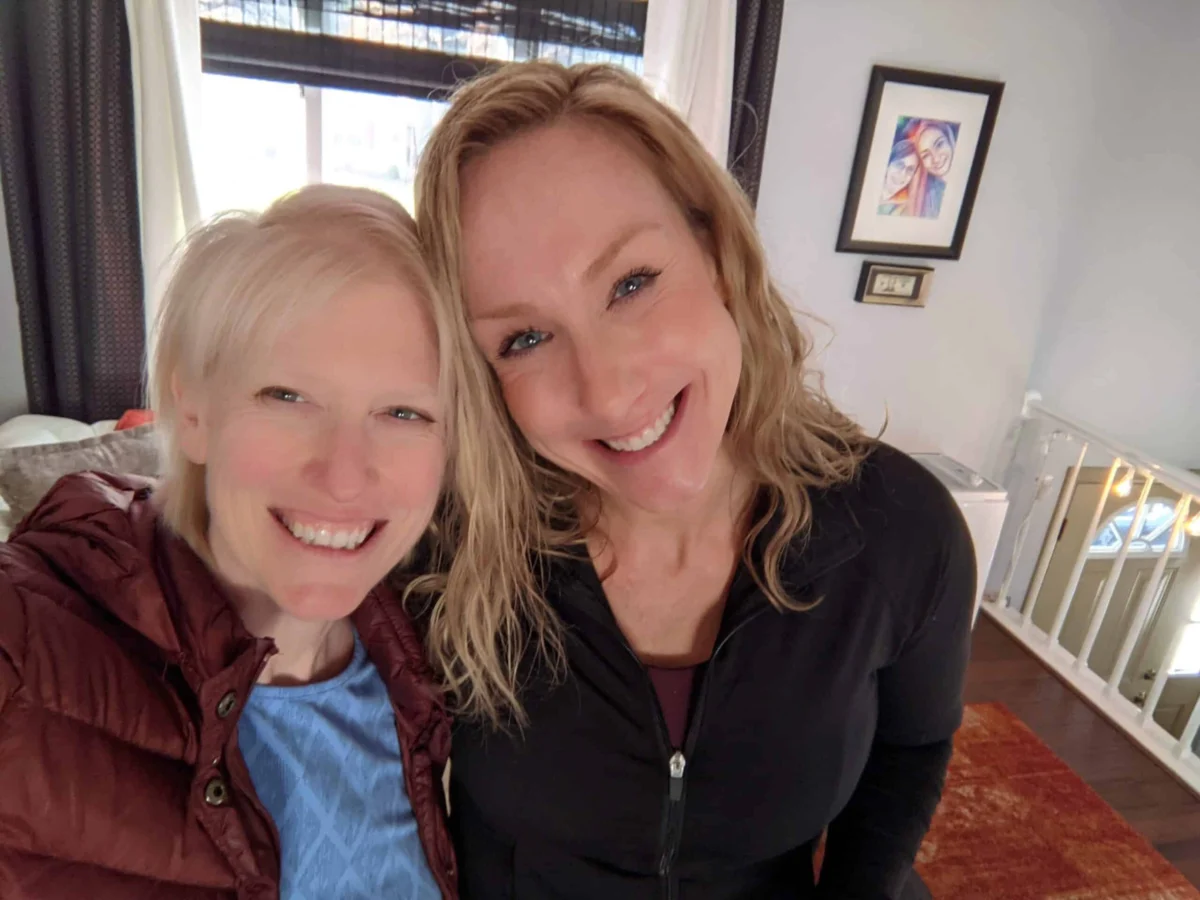
In a world increasingly accustomed to the extraordinary, Sharon Belvin and Jenney Bitner find profound gratitude in the ordinary: the simple acts of picking up children from school, navigating grocery aisles, fulfilling work responsibilities, planning birthday celebrations, preparing family meals, and running daily errands. These seemingly mundane facets of life, once taken for granted, represent monumental victories for these two women, both survivors of stage 4 melanoma, whose lives were irrevocably altered by a cancer diagnosis and then miraculously reclaimed through the frontiers of medical science and the power of human connection. Their intertwined stories serve as a powerful testament to the transformative potential of immunotherapy and the enduring strength found in shared experience.
Before the shadow of cancer descended, both Sharon and Jenney were living lives that unfolded with the presumed promise of uninterrupted futures. Then came melanoma, a diagnosis that for millions worldwide conjures images of dread and uncertainty. Melanoma, a severe form of skin cancer, originates in the melanocytes, the cells that produce melanin, the pigment that gives skin its color. While often treatable if caught early, metastatic or stage 4 melanoma, where the cancer has spread to distant sites in the body, historically carried a grim prognosis, often measured in months rather than years.
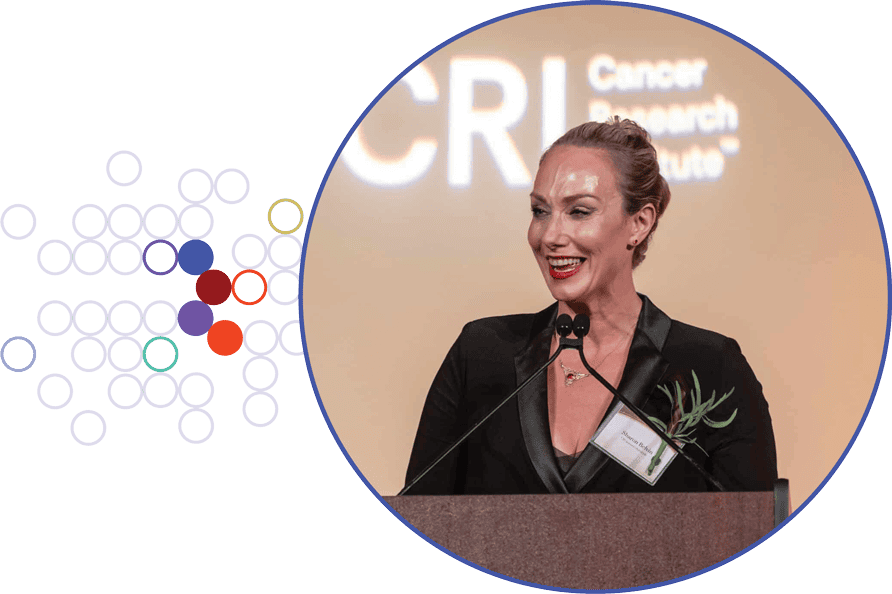
Sharon Belvin’s battle began precariously early, at just 22 years old, with a diagnosis of stage 4 melanoma. This was an era when treatment options for such advanced cases were alarmingly scarce, and the statistical outlook for long-term survival was profoundly bleak. Her diagnosis was not merely an interruption; it was a profound threat to a future she had barely begun to imagine. Faced with limited conventional avenues, Sharon made a courageous leap of faith, enrolling in an early clinical trial for an unproven but promising immunotherapy. This decision was a gamble, a venture into the unknown, yet it offered a flicker of hope where little else existed. Remarkably, this pioneering treatment worked. The cancer receded, and a future that had seemed cruelly snatched away began to re-emerge, piece by fragile piece. Her remission has now spanned two decades, a testament to the enduring efficacy of that early intervention.
Years later, Jenney Bitner found herself confronting a similar, terrifying reality, but under vastly different circumstances. Her journey began in the midst of motherhood and the unprecedented global upheaval of the COVID-19 pandemic. Persistent headaches escalated, coinciding with the unfolding of a pregnancy. What initially seemed like a series of isolated symptoms eventually coalesced into a harrowing diagnosis: a brain tumor, aggressive melanoma that had metastasized. The news delivered a shockwave, initiating a countdown that threatened to dismantle the life she was actively building as a mother. For Jenney, survival was not a singular event but a grueling marathon, punctuated by immense physical and emotional trials. Her path involved two complex brain surgeries, the premature birth of her fourth child, and the immense strain of fighting for her life while simultaneously nurturing her newborn. Only after enduring these profound challenges did the same revolutionary science that saved Sharon’s life reach Jenney. In February 2020, Jenney was diagnosed, and by October 2020, following four rounds of immunotherapy, there was no evidence of disease.
These two women, separated by years and different life stages at diagnosis, became living embodiments of the same scientific breakthrough. Sharon stood at the genesis of a medical revolution, her survival contributing critical data to a nascent field. Jenney, on the other hand, benefited from the maturation and refinement of that very science, accessing treatments that were once experimental and now offered established hope.
The Genesis and Impact of Immunotherapy
The dramatic turnaround in prognosis for advanced melanoma, exemplified by Sharon and Jenney’s experiences, is largely attributed to the advent of immunotherapy. For decades, treatments for metastatic melanoma were largely ineffective, with median survival rates rarely exceeding 6 to 10 months. Chemotherapy and radiation offered limited benefit, often at the cost of severe side effects, and targeted therapies, while impactful for specific genetic mutations, did not apply to all patients.
The real game-changer emerged from groundbreaking research into the immune system. Immunotherapy works by harnessing and enhancing the body’s own immune defenses to recognize and destroy cancer cells. Unlike traditional treatments that directly attack cancer cells, immunotherapy empowers the patient’s immune system to do so. Key to this revolution were the discoveries of immune checkpoint inhibitors. Scientists identified "checkpoints" – proteins on immune cells that act as brakes, preventing an overactive immune response. Cancer cells, in a cunning maneuver, can exploit these checkpoints to evade detection and destruction by the immune system.
Dr. James Allison, an American immunologist, made a pivotal discovery in the 1990s concerning the CTLA-4 protein, an immune checkpoint on T-cells. He demonstrated that blocking CTLA-4 could "release the brakes" on the immune system, allowing it to mount a powerful attack against cancer. This led to the development of the first immune checkpoint inhibitor, ipilimumab, which Sharon Belvin likely received in her early clinical trial. Simultaneously, Japanese immunologist Dr. Tasuku Honjo discovered the PD-1 protein, another immune checkpoint. Blocking PD-1 (or its ligand PD-L1 on cancer cells) also proved highly effective in unleashing the immune system against various cancers. For their independent but complementary work, Dr. Allison and Dr. Honjo were jointly awarded the Nobel Prize in Physiology or Medicine in 2018, underscoring the monumental impact of their discoveries.
The clinical trials that followed these discoveries, including the one Sharon participated in, were transformative. For metastatic melanoma, the introduction of CTLA-4 and later PD-1 inhibitors dramatically improved patient outcomes. Five-year survival rates for advanced melanoma, once languishing in the single digits, soared to 30-50% and even higher for some patient cohorts receiving these new therapies, particularly when used in combination. This represented an unprecedented shift in oncology, turning a virtually untreatable disease into one with real potential for long-term survival, and in many cases, complete remission. Jenney’s journey in 2020 directly benefited from these advancements, receiving a more refined and established version of the therapy Sharon pioneered.
An Unexpected Connection Forged in Shared Experience
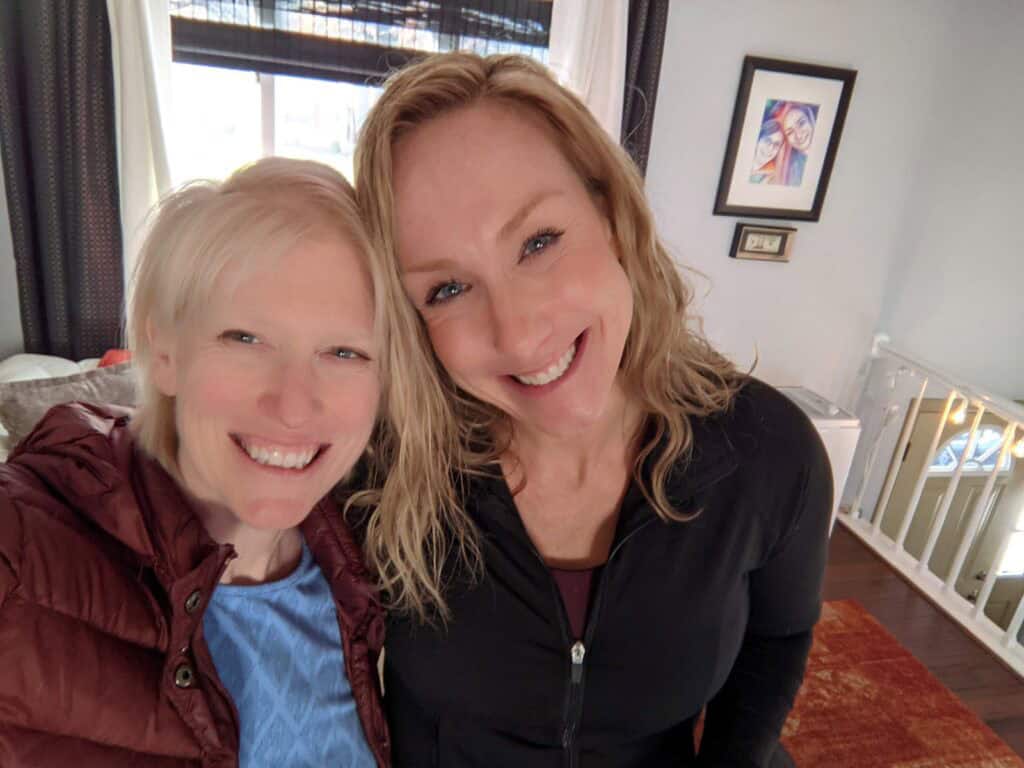
The narrative of Sharon and Jenney took an extraordinary turn when their paths unexpectedly converged. Jenney first learned of Sharon after watching "Breakthrough," a documentary chronicling the life and work of Dr. Jim Allison and the development of immunotherapy. In the film, Sharon was highlighted as one of the early, remarkable success stories of this pioneering treatment. A surprising discovery followed: Jenney realized her husband shared a connection with Sharon, as they hailed from the same small town. This serendipitous link prompted Jenney’s husband to reach out to Sharon.
Unbeknownst to Jenney at the time, Sharon carried a profound promise made in the quiet solitude of an MRI machine during her initial diagnosis: if she survived, she would dedicate herself to "paying it forward" and assisting others navigating the terrifying landscape of cancer. True to her word, Sharon responded to the message, forging a connection with Jenney that has endured ever since.
For Jenney, Sharon became an immediate "beacon of hope." As Jenney eloquently expressed, "She had the exact same cancer as me and has now been in remission for 20 years." Sharon’s long-term survival provided tangible proof that such a future was possible. Sharon offered invaluable support throughout Jenney’s arduous journey, from the critical brain surgeries to the initiation of her immunotherapy treatments. Their bond transcends mere acquaintance; they regularly meet, interact, and extend their support to other patients, transforming their individual battles into a collective mission of advocacy and compassion.
The Nuances of Survivorship: Beyond the Absence of Disease
Survivorship, as both Sharon and Jenney powerfully illustrate, is far more complex than simply the absence of disease. It is a continuous journey, layered with the indelible memories and profound impacts of what came before. It is the quiet, often emotionally charged, return to the routines of daily life – school drop-offs, grocery runs, bedtime stories – now imbued with the poignant awareness of what was almost lost. It is also the discovery of a "village," a community of individuals who, having walked a similar path, possess an unparalleled capacity for understanding and empathy. As Sharon aptly puts it, "I call it finding your family. It’s the family you get to choose. It’s the worst club with the best members." This chosen family provides a vital support system, a sanctuary where fears don’t need translation and experiences are immediately understood.
Survivorship encompasses a unique blend of emotions: joy, sharpened by the memory of profound loss; gratitude, complicated by the lingering shadow of fear. It is the acute awareness of life’s fragility – how swiftly everything can change – yet it is also the deliberate choice to lean into the present, to embrace the life unfolding before them. When Sharon and Jenney met, a deep, unspoken understanding permeated their interactions. There was no need for elaborate explanations or attempts to articulate the ineffable experience of facing mortality. They simply understood.
They understood the persistent anxiety accompanying routine scans, the quiet acknowledgments of cancerversaries that feel less like celebrations and more like profound reflections. They understood the way a cancer diagnosis irrevocably reshapes one’s relationship with the future, and, in their unique ways, with motherhood itself. Sharon understood the immense relief and hope of surviving long enough to even envision becoming a mother. Jenney understood the visceral terror of confronting cancer while already deeply immersed in the responsibilities and joys of motherhood. Different experiences, yet fueled by the same impossible fear of what might be lost. They both understood what it means to retreat from the precipice of death and to carry both the immense relief and the profound responsibility of having made it back.
As Jenney articulated, "I don’t know how a cancer diagnosis doesn’t shape every single conversation and relationship for the rest of your life. It plays a part in every single thing you do." This sentiment underscores the enduring psychological and emotional imprint of cancer, even in remission. It speaks to the post-traumatic growth that often accompanies such an ordeal, leading to a re-evaluation of priorities and a heightened appreciation for every moment.
Broader Implications and a Call to Continued Action
Together, Jenney and Sharon’s stories transcend their individual narratives, embodying something far greater. They are tangible proof of scientific progress – not as abstract statistics in a research paper, but as lived realities: years added, milestones achieved, and children growing up with their mothers by their side. Sharon’s journey illuminated what was possible, paving the way for a future where Jenney could benefit directly from that possibility.
Their experiences underscore the critical importance of continued investment in cancer research, particularly in clinical trials. Sharon’s participation in an early trial was instrumental in advancing the understanding and application of immunotherapy. Without such brave volunteers, scientific breakthroughs would remain theoretical. Their advocacy also highlights the vital role of patient support networks. As Jenney noted, "Cancer is such a lonely diagnosis. You feel like you’re the only one in the world who’s ever had it. But knowing that there are other people out there that you can connect with who are going through similar things. It’s vital for keeping you going." These connections provide emotional resilience, practical advice, and a sense of community that is invaluable during and after treatment.
In the end, the stories of Sharon Belvin and Jenney Bitner are not merely about survival in a medical sense. They are about what survival makes room for: more mornings, more laughter, more of those ordinary, extraordinary moments that once felt so uncertain. They are about gaining more time to grow into the people they were meant to become—survivors, advocates, mothers. Their journeys are a powerful testament to the unwavering human spirit, the relentless pursuit of scientific innovation, and the profound gift of more life, cherished deeply because it was almost lost. "I feel like I did not appreciate life until it was almost gone, and now every day is a gift, no matter how mundane," Sharon reflects, encapsulating the profound shift in perspective that defines their remarkable lives.
