
 By admin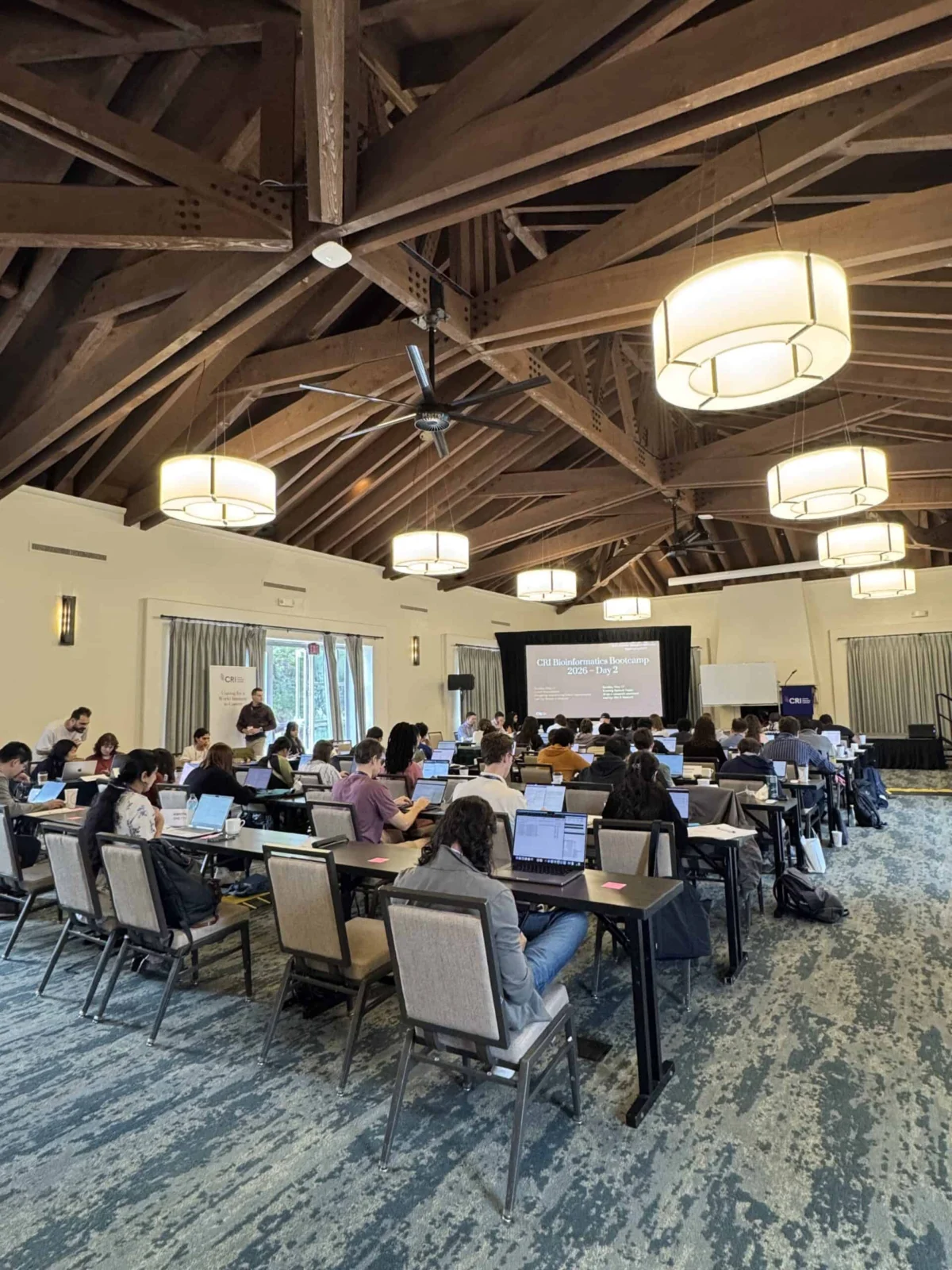
From May 16 to May 22, 2026, the La Cantera Resort in San Antonio, Texas, became a focal point for the future of cancer research as more than 50 fellows and students convened for the third annual Cancer Research Institute (CRI) Bioinformatics Bootcamp. This intensive, week-long program provided immersive, hands-on instruction designed to empower early-career scientists with the essential computational prowess required to navigate the rapidly evolving landscape of cancer immunotherapy. The bootcamp stands as a critical initiative, bridging the historical divide between experimental biology and data science, thereby enabling researchers to confidently analyze and interpret the increasingly complex biological datasets that define modern oncology.
The Critical Need for Bioinformatics in Cancer Research
The field of cancer research has undergone a profound transformation, moving from largely hypothesis-driven laboratory experiments to an era dominated by "big data." This shift is largely fueled by revolutionary technological advancements such as next-generation sequencing (NGS), single-cell RNA sequencing, and high-throughput proteomics, which generate vast quantities of molecular data from patient samples and experimental models. These datasets, encompassing genomic, transcriptomic, epigenomic, and proteomic information, hold the key to understanding cancer’s intricate mechanisms, identifying novel biomarkers, and developing more effective therapies, particularly in the burgeoning field of immunotherapy.
Immunotherapy, which harnesses the body’s own immune system to fight cancer, has emerged as a groundbreaking approach, offering unprecedented hope for patients with various malignancies. However, the success of immunotherapy is highly variable among patients, underscoring the need for a deeper, data-driven understanding of tumor-immune interactions. This is where bioinformatics becomes indispensable. Scientists are now expected not only to generate these massive datasets but also to possess the sophisticated computational skills to extract meaningful biological insights from them. Without these skills, the full potential of generated data remains untapped, slowing the pace of discovery and hindering the translation of research findings into clinical benefits.
The demand for bioinformaticians and computationally literate biologists has surged exponentially. A 2024 analysis of scientific job markets indicated a persistent skill gap in data analysis within life sciences, with bioinformatics roles growing at twice the rate of traditional wet lab positions. This highlights a critical challenge for institutions like CRI: ensuring that the next generation of cancer researchers is equipped with the tools to meet these demands.
CRI’s Strategic Investment in Computational Literacy
The Cancer Research Institute, a non-profit organization dedicated to advancing immunotherapy to conquer all cancers, has long recognized the importance of fostering innovation and interdisciplinary collaboration. Founded in 1953, CRI has been a pioneer in funding and supporting immunology research, playing a pivotal role in the development of many foundational immunotherapy concepts. Its commitment extends beyond funding, encompassing comprehensive educational programs aimed at nurturing the scientific talent necessary for future breakthroughs.
The Bioinformatics Bootcamp represents a strategic cornerstone of CRI’s educational mission. It was conceived three years prior in response to an identified gap in the training of early-career scientists. Many promising researchers, while expertly trained in traditional laboratory techniques, lacked the formal computational background necessary to analyze the complex datasets inherent to modern immunology and oncology. The bootcamp directly addresses this critical need by providing practical training in key bioinformatics approaches. These include, but are not limited to, the intricate process of next-generation sequencing analysis, the high-resolution insights offered by single-cell technologies, advanced data visualization techniques for communicating complex findings, and the development of robust computational workflows for reproducible research.
"The Bootcamp is important because it’s really bridging the gap across two fields of the wet lab and the dry lab," explained Christie Chang, a dedicated teaching assistant (TA) at the Bootcamp. "As technologies are evolving, we’re generating large data sets, and we need computational tools to be able to understand more complex pictures, more complex data sets, and make more complex discoveries. We’re only learning about cancer because we were able to extend lifespans, and we want to keep extending them. Technology advances so that we can live longer." This sentiment encapsulates the urgency and relevance of the program in the broader context of human health.
Evolution of the Bootcamp: A Three-Year Journey
Since its inception, the CRI Bioinformatics Bootcamp has continuously evolved, adapting its curriculum to the breakneck pace of technological advancement in the field. The 2026 iteration marked a significant milestone, building upon two previous successful years and refining its offerings to ensure maximum relevance and impact.
"When we started the bioinformatics bootcamp just three years ago, we really focused on the basics and the fundamentals of programming," noted Dr. Katie Campbell, one of the esteemed faculty members who has been instrumental in shaping the program since its first year. "With the rapid pace of technology, there’s a rapid pace of the tools available to analyze. We have to think about how we accelerate not just the discovery but the analysis, the everyday, without taking away the necessary thought processes that have to be intrinsic to the fellows as they take on this research."
This commitment to continuous improvement is evident in the faculty composition. This year’s program featured five bioinformatics experts, four of whom have been involved since the bootcamp’s very first year. Their sustained involvement has been crucial in shaping and refining the curriculum, ensuring participants are equipped with the most relevant and up-to-date tools as the field progresses. Their expertise spans a wide range of computational biology, from statistical modeling to machine learning applications in genomics. Complementing the faculty, five dedicated teaching assistants, all with strong backgrounds in bioinformatics and computational biology, provided essential one-on-one support, guiding participants through the challenging hands-on analyses and troubleshooting coding issues. This consistent core of instructors and TAs fosters a supportive and knowledgeable learning environment, allowing for personalized instruction and mentorship.
The curriculum’s evolution reflects the increasing sophistication of biological data analysis. While foundational programming concepts in languages like R and Python remain central, subsequent iterations have introduced more advanced topics, including machine learning algorithms for biomarker discovery, network analysis for understanding complex biological pathways, and cloud computing solutions for handling massive datasets efficiently. The 2026 bootcamp further solidified this trajectory, incorporating cutting-edge techniques and fostering discussions around emerging technologies.
A Week of Intensive Learning: Program Highlights and Innovation
The La Cantera Resort provided an ideal setting for the intensive program, offering both state-of-the-art facilities for instruction and a conducive environment for collaborative learning. Bootcamp attendees benefited from a unique pedagogical approach that blended didactic lectures from leaders in the field with extensive hands-on sessions. A particularly impactful aspect was the opportunity for participants to work one-on-one with faculty on their own datasets, applying newly acquired skills directly to their research challenges. This personalized mentorship is invaluable, moving beyond theoretical understanding to practical application.
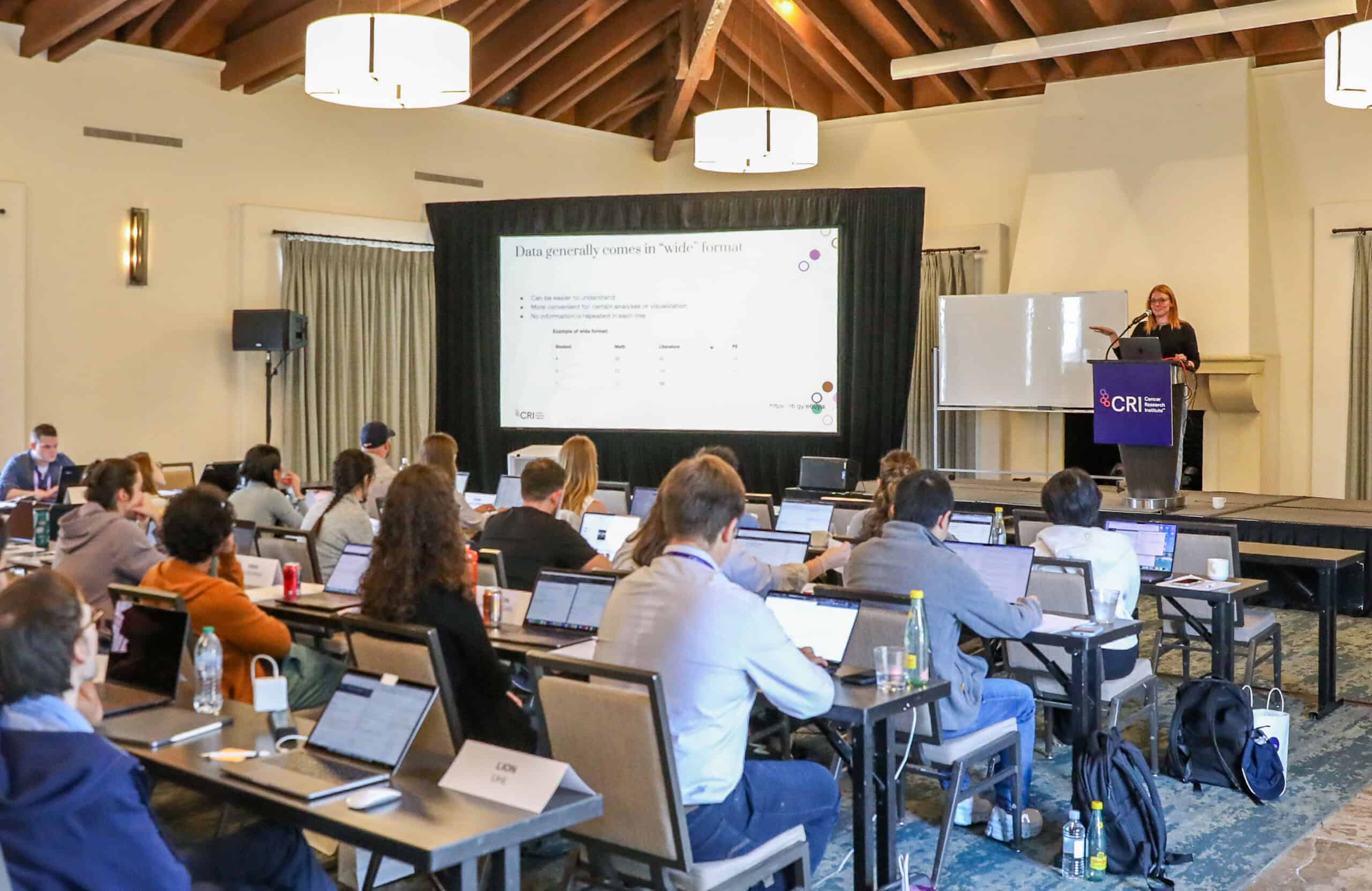
Accessibility and collaboration are hallmarks of the CRI Bootcamp. Participants hailed from diverse scientific backgrounds, many arriving with limited formal computational training. The program’s design deliberately demystifies bioinformatics, making advanced analytical tools approachable and fostering a supportive learning environment where peers and experts collaborate. This inclusive approach expands computational literacy across the broader cancer research community, democratizing access to powerful analytical capabilities.
A key innovation introduced in the 2026 bootcamp was a series of new topic-focused sessions, meticulously curated to enrich the participant experience and address specific emerging needs. These included:
- Lunch-hour roundtables: Capped at 18 participants, these intimate discussions fostered engaging dialogue on specialized subjects such as complex experimental design in high-throughput studies, navigating computational career pathways, strategies for grant planning specifically for bioinformatics projects, and best practices for ensuring coding reproducibility – a critical aspect of scientific rigor.
- Additional evening sessions: These delved into timely and cutting-edge topics, including the burgeoning role of artificial intelligence (AI) in research and advanced Python coding techniques, particularly relevant for large-scale data manipulation and machine learning.
These sessions were not merely add-ons but thoughtfully integrated components designed to provide practical tools and ideas that attendees could immediately apply to their own scientific work. The emphasis on real-world application ensures that the skills learned are not abstract but directly transferable to the daily challenges faced by researchers.
Bridging Disciplines: Voices from Faculty and TAs
The collective wisdom and dedication of the faculty and teaching assistants are central to the bootcamp’s success. Their commitment to fostering computational proficiency underscores a shared vision for the future of cancer research.
Dr. Maryam Pourmaleki, another TA at the Bootcamp, articulated the evolving demands on scientists: "In today’s time, a lot of science is moving towards big data. Scientists who have phenomenal training in wet lab now need to analyze bigger multimodal data they’re generating, and the Bootcamp is giving those scientists the necessary tools to work with big data." Her statement highlights the paradigm shift in scientific inquiry, where data generation is only one part of the equation, and robust analysis is equally, if not more, crucial. The bootcamp provides the foundational skills to bridge this analytical gap, transforming raw data into actionable biological insights.
The continuous presence of core faculty members, such as Dr. Campbell, allows for a feedback loop that constantly refines the curriculum. Their long-term perspective ensures that the program remains agile, responsive to new technologies, and deeply relevant to the current needs of cancer immunologists. This consistency also builds a strong sense of community and mentorship, which extends beyond the formal training week.
Empowering Early-Career Scientists: Participant Perspectives
Beyond the technical skills, the bootcamp fosters a vibrant network of scientists united by a common purpose: accelerating the future of cancer immunotherapy through data-informed research. Participants leave the program not only with enhanced analytical capabilities but also with a significant boost in confidence regarding their ability to integrate bioinformatics into their own scientific work and collaborations. This confidence is a crucial enabler for independent research and future career progression.
Tara Muijlwijk, PhD, an attendee and CRI Dr. Keith Landesman Memorial Fellow, emphasized the broader benefits of the experience: "It’s super important to zoom out from your own research. The Bootcamp is really a great way to zoom out and to think about, okay, what am I doing, why am I doing this, and also to connect with other people, which is super important in research." This perspective underscores the value of stepping away from individual projects to gain a broader understanding of the scientific landscape and to build crucial professional networks. Such connections often lead to collaborative projects, shared resources, and peer support that are invaluable in a competitive research environment.
Another attendee, Jia Yu (Jennifer) Ye, PhD, a CRI Immunoinformatics Postdoctoral Fellow, succinctly summarized the program’s unique value: "It’s just such an amazing opportunity offered by CRI to really help learn all of the informatics skills more systematically, rather than just chatting with an AI engine." Her statement points to the distinction between superficial information retrieval and systematic, structured learning under expert guidance, which is essential for developing true analytical proficiency and critical thinking in bioinformatics.
Broader Impact and Future Outlook for Immunotherapy
The CRI Bioinformatics Bootcamp is more than just a training program; it represents a significant investment in the future of cancer research. By systematically equipping emerging scientists with advanced computational skills, CRI is directly accelerating progress in immunotherapy. The ability of researchers to better harness complex datasets will undoubtedly drive discoveries that may fundamentally improve how cancers are understood, diagnosed, and treated.
The implications of this initiative are far-reaching:
- Accelerated Discovery: By bridging the wet lab/dry lab divide, the bootcamp enables faster, more efficient analysis of experimental data, translating into quicker identification of therapeutic targets, biomarkers for patient stratification, and new insights into tumor biology.
- Precision Oncology: Enhanced bioinformatics skills are crucial for the development of personalized cancer treatments. By analyzing individual patient data – genomics, transcriptomics, and immunomics – researchers can identify the most effective immunotherapeutic strategies for each unique case, moving closer to true precision oncology.
- Reproducibility and Data Sharing: Training in computational workflows and coding reproducibility fosters a culture of rigorous science, enhancing the reliability of research findings and facilitating data sharing within the scientific community.
- Workforce Development: The bootcamp contributes significantly to building a highly skilled workforce capable of tackling the complex challenges of modern cancer research, ensuring that the scientific community remains at the forefront of innovation.
- Global Collaboration: By creating a network of computationally literate researchers, the program inherently promotes broader scientific collaboration, both nationally and internationally, leading to more comprehensive and impactful research efforts.
The ongoing success and evolution of the CRI Bioinformatics Bootcamp underscore CRI’s enduring commitment to education, innovation, and interdisciplinary collaboration. As cancer research continues to push the boundaries of knowledge, the ability to effectively analyze and interpret "big data" will remain paramount. By fostering curiosity, collaboration, and computational confidence, the program empowers emerging scientists to drive the next generation of breakthroughs in cancer immunotherapy, ultimately bringing closer the vision of a future free from the burden of cancer. The investment in computational literacy today promises profound dividends for patient care tomorrow.
