
 By admin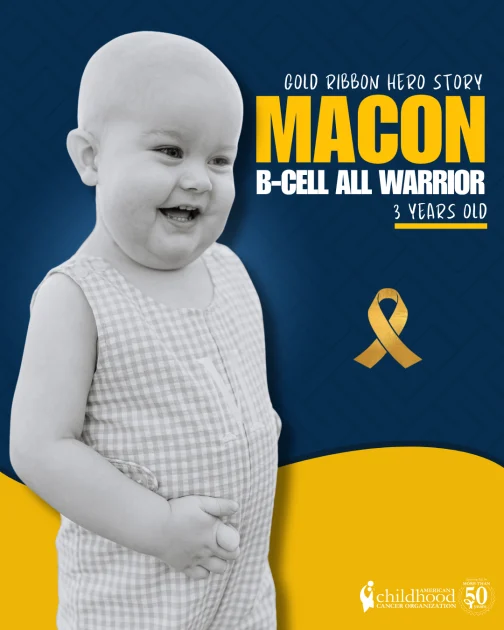
The transition from a routine pediatric wellness check to a life-altering medical emergency is a scenario few parents are prepared to navigate, yet it remains a stark reality for thousands of families across the United States each year. For Macon, a three-year-old whose resilience has become a beacon of hope for his community, that transition occurred during what was supposed to be a standard two-year-old physical examination. What began as a simple finger-prick blood test quickly escalated into a diagnosis of B-Cell Acute Lymphoblastic Leukemia (ALL), a hematological malignancy that demands immediate and aggressive intervention.
Macon’s case underscores the "silent" nature of pediatric leukemia, as his mother, Madeline, noted that he appeared perfectly healthy and displayed no outward symptoms prior to the appointment. The discovery of an alarmingly high white blood cell count prompted an immediate referral to the emergency department, where further diagnostic testing confirmed the presence of leukemic blasts. Within hours, the family’s trajectory shifted from the mundane activities of early childhood to the sterile, high-stakes environment of pediatric oncology.
The Clinical Reality of B-Cell Acute Lymphoblastic Leukemia
B-Cell Acute Lymphoblastic Leukemia is a type of cancer in which the bone marrow produces too many immature lymphocytes, a type of white blood cell. These "blasts" crowd out healthy blood cells, including red blood cells that carry oxygen, platelets that help the blood clot, and healthy white blood cells that fight infection. While ALL is the most common form of childhood cancer, representing approximately 25% of all cancer diagnoses in children under the age of 15, the suddenness of the diagnosis remains a profound shock to families.
According to the American Cancer Society, advancements in pediatric oncology have significantly improved the prognosis for children with ALL, with five-year survival rates now exceeding 90%. However, the path to remission and long-term health is characterized by a grueling multi-year treatment regimen that tests the physical and emotional limits of the patient and their support system. For Macon, this journey began the moment he was admitted to the hospital, initiating a protocol that balances the eradication of cancer cells with the management of severe side effects.
A Chronology of Treatment and Complications
Macon’s medical journey has been marked by both the standard rigors of oncology and the unpredictable complications that often accompany intensive treatment. Almost immediately following his diagnosis, he underwent the surgical placement of a port-a-cath, a device installed under the skin to allow for the frequent administration of chemotherapy and the drawing of blood samples. However, the process was fraught with early setbacks.
A serious staph infection in Macon’s bloodstream necessitated the removal and subsequent replacement of the port. For a pediatric patient with a compromised immune system, such an infection is a life-threatening complication that requires high-dose antibiotics and careful monitoring. This initial hurdle delayed the primary treatment schedule but highlighted the volatility of the first phase of leukemia management.
Since stabilizing after the infection, Macon’s treatment has involved a comprehensive battery of interventions:
- Systemic Chemotherapy: The administration of powerful drugs designed to kill rapidly dividing cells throughout the body.
- Lumbar Punctures: Also known as spinal taps, these procedures are performed every six weeks to check for the presence of leukemia cells in the cerebrospinal fluid and to deliver "intrathecal" chemotherapy directly into the central nervous system, a common site for relapse.
- Bone Marrow Biopsies: These invasive procedures involve the extraction of marrow from the hip bone to assess the effectiveness of the treatment at the cellular level and ensure that the "minimal residual disease" (MRD) remains undetectable.
Navigating the Phases of Pediatric Cancer Care
Pediatric ALL treatment is typically divided into several distinct phases: Induction, Consolidation (or Intensification), and Maintenance. Macon has successfully navigated the most intensive early phases and has recently completed his first full year of treatment.
During the Induction phase, the goal is to achieve complete remission, usually defined as having fewer than 5% blast cells in the bone marrow. For Macon, the weekly blood work has continued to show no circulating leukemia cells, a vital prognostic indicator that the treatment is working as expected. He is currently in the Maintenance phase, which, while less intensive than the initial months, is significantly longer in duration.
For male patients like Macon, the total duration of treatment for ALL is often longer than for female patients, typically spanning between two and three years. This extended timeline is designed to ensure that any dormant leukemic cells are eradicated, reducing the statistical likelihood of a late-stage relapse. Macon’s family anticipates a completion date of May 2027, at which point he will participate in the symbolic "ringing of the bell" to signify the end of active therapy.
The Socio-Emotional Impact on the Family Unit
Beyond the clinical data and medical procedures, Macon’s story is one of a childhood interrupted but not extinguished. Despite the frequent hospitalizations and the physical toll of chemotherapy, Madeline describes her son as a "playful little boy" who finds joy in the outdoors, riding toys, and interacting with his sister. This ability to maintain a sense of normalcy is often cited by pediatric psychologists as a critical factor in the long-term well-being of young cancer patients.
However, the burden on the family cannot be understated. The "shock, fear, and disbelief" mentioned by Madeline reflect a form of medical trauma experienced by parents of children with chronic illnesses. The transition from a "well visit" to an oncology ward creates a permanent shift in the family’s worldview. The logistical demands—ranging from managing medication schedules to isolating the child from common viruses that could prove fatal during neutropenia (low white blood cell counts)—require a total reorganization of daily life.
Broader Implications for Pediatric Oncology and Research
Macon’s experience serves as a poignant reminder of the ongoing need for dedicated pediatric cancer research and funding. While survival rates for ALL are high, the treatments used today are often decades old and can result in long-term "late effects," including cardiac issues, secondary cancers, and developmental delays. Organizations such as the American Childhood Cancer Organization (ACCO) advocate for increased federal funding to develop "targeted therapies" that are more effective and less toxic than traditional chemotherapy.
Currently, pediatric cancer research receives only a small fraction of the National Cancer Institute’s (NCI) federal budget, a disparity that advocacy groups are working to bridge. Stories like Macon’s are instrumental in humanizing the statistics and driving public support for legislative changes, such as the Research to Accelerate Cure and Equity (RACE) for Children Act.
Analysis of Early Detection and Public Awareness
The fact that Macon was asymptomatic at the time of his diagnosis highlights the critical importance of routine pediatric screenings. In many cases of ALL, symptoms such as persistent fever, easy bruising, bone pain, or lethargy may not appear until the disease has progressed significantly. Macon’s diagnosis via a routine finger-prick test underscores the efficacy of preventative care in identifying hematological abnormalities before they manifest as physical illness.
Medical professionals emphasize that while leukemia cannot be prevented, early detection allows for the immediate initiation of the "Induction" phase, which is crucial for achieving high rates of remission. Macon’s positive response to treatment is a testament to the sophisticated protocols currently in place in pediatric oncology centers across the nation.
Looking Toward May 2027
As Macon continues his journey through the maintenance phase of his chemotherapy, his progress remains a focal point for his family and the medical team overseeing his care. The road to May 2027 remains long, with nearly two years of treatment still ahead. However, the stability of his blood work and his continued developmental milestones provide a hopeful outlook.
The "ringing of the bell" ceremony, while a celebratory end to a difficult chapter, also marks the beginning of a lifelong period of surveillance. Survivors of childhood leukemia are typically monitored for years to ensure they remain in remission and to manage any late-onset side effects of their treatment. For now, the focus remains on the "active treatment" and the resilience of a three-year-old who continues to laugh and play in the face of an extraordinary challenge.
In conclusion, Macon’s story is not just a narrative of medical intervention; it is a case study in the current state of pediatric oncology—a field defined by high-tech diagnostic tools, grueling but effective treatment protocols, and the profound human cost of childhood illness. Through the support of organizations like the ACCO and the dedication of medical researchers, the goal remains clear: to ensure that every "warrior" like Macon has the opportunity to complete their treatment, ring the bell, and return to a life defined by childhood wonder rather than clinical necessity.
