
 By Billy Candra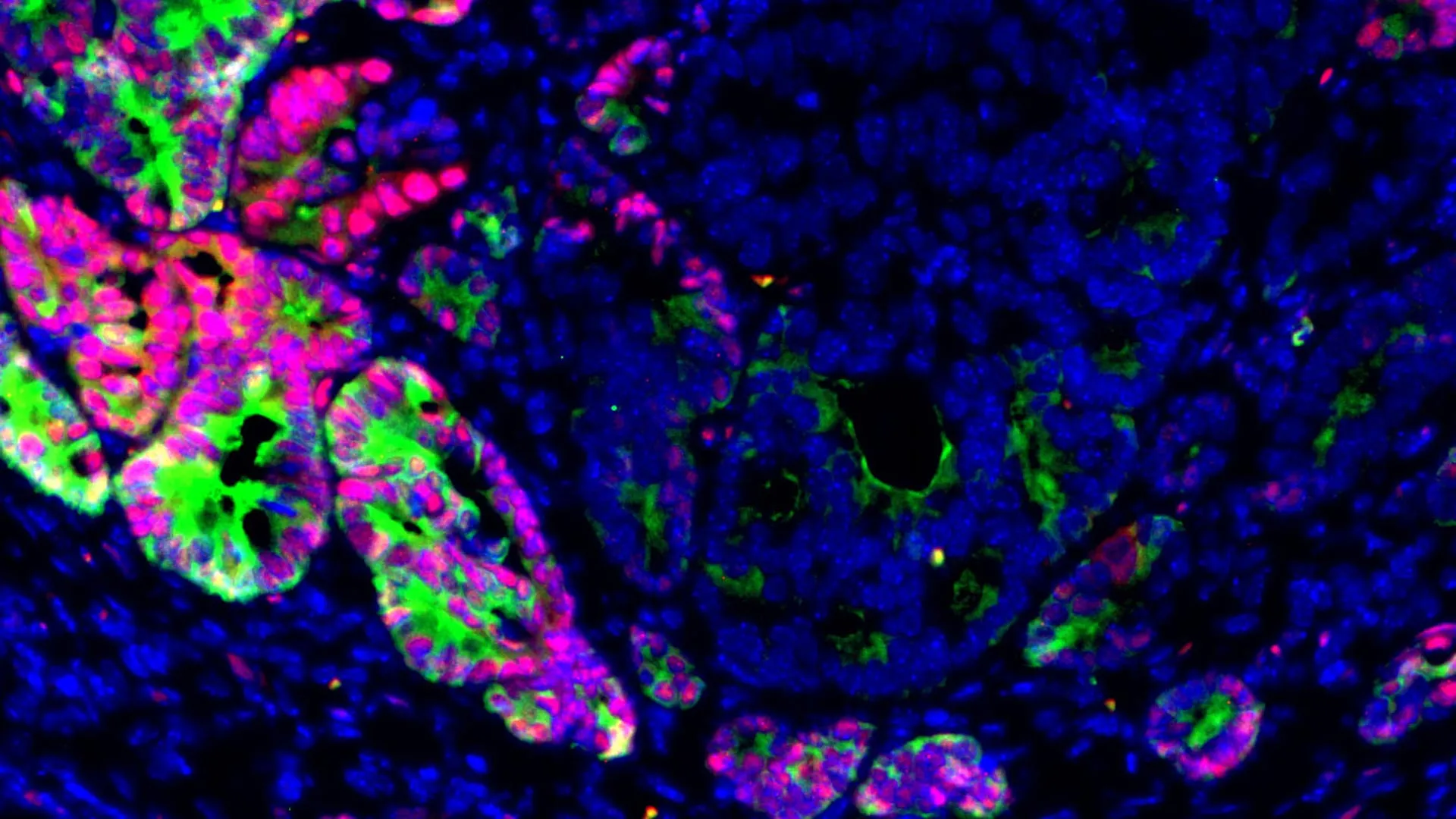
Researchers at Weill Cornell Medicine and the Massachusetts Institute of Technology have identified a key factor, GATA6, whose loss may fundamentally reshape colorectal cancer cells, pushing them into a primitive, adaptable state that enables their deadly spread to the liver. This groundbreaking discovery, published on June 22 in the esteemed journal Cell Stem Cell, shifts the focus from purely genetic mutations to epigenetic changes as critical drivers of metastasis, opening promising new strategies for preventing one of the most challenging and lethal aspects of colorectal cancer. Understanding how this transformation occurs could revolutionize the way clinicians approach early detection, prognosis, and treatment for this prevalent disease.
The Pervasive Threat of Colorectal Cancer and the Lethality of Metastasis
Colorectal cancer (CRC) remains a significant global health burden. According to the American Cancer Society, it is the third most common cancer diagnosed in both men and women in the United States, and the second leading cause of cancer-related deaths. In 2023 alone, an estimated 153,020 new cases of colorectal cancer were projected, with approximately 52,550 deaths. While early-stage CRC boasts a relatively high five-year survival rate of around 90%, this figure plummets dramatically to approximately 15-20% once the cancer metastasizes, or spreads, to distant organs. The liver is the most frequent site of colorectal cancer metastasis, occurring in up to 70% of patients with advanced disease. This predilection for the liver is largely due to its unique anatomical position, receiving a substantial blood supply directly from the intestines via the portal vein, making it a primary filter for circulating tumor cells. Once established in the liver, these secondary tumors are notoriously difficult to treat, often requiring complex surgical interventions, chemotherapy, and targeted therapies, none of which guarantee a cure. For years, scientists have been searching for the definitive genetic mutations that trigger this deadly spread, yet no clear, universally applicable driver mutations have emerged, suggesting a more complex underlying mechanism.
GATA6: A Molecular Identity Keeper Under Threat
The newly published study points to a different, more dynamic mechanism involving a transcription factor known as GATA6. Transcription factors are proteins that play a crucial role in regulating gene expression, essentially acting as molecular switches that turn genes on or off, thereby controlling the identity and function of a cell. GATA6 normally serves as a vital "identity keeper" in the specialized cells lining the intestine, ensuring they maintain their specific functions and mature characteristics. However, the research team, led by Dr. Norihiro Goto, assistant professor of medicine in the Division of Gastroenterology & Hepatology at Weill Cornell, and Dr. Omer H. Yilmaz, associate professor of biology at the Massachusetts Institute of Technology, made a striking discovery: GATA6 levels were found to be significantly lower in liver metastases observed in both mouse models and human colorectal cancer patients. Furthermore, this reduced GATA6 expression was directly correlated with poorer patient outcomes, underscoring its clinical relevance.
"We discovered that GATA6 loss acts as a critical switch that can change cancer cells in the primary tumor from non-metastatic to pro-metastatic," stated Dr. Norihiro Goto, highlighting the transformative power of this epigenetic alteration. This finding represents a significant paradigm shift in understanding metastasis, moving beyond the traditional focus on genetic mutations—changes in the DNA sequence itself—to epigenetic changes. Epigenetic modifications do not alter the underlying DNA sequence but instead influence which genes are actively expressed or silenced, thereby dictating the repertoire of proteins a cell produces and, consequently, its behavior. Dr. Saori Goto, an instructor in medicine at Weill Cornell, served as the first author of this pivotal study.
Innovative Organoid Models Unravel Early Metastatic Events
One of the key challenges in studying metastasis has been the difficulty in observing the critical early stages of the process. As Dr. Norihiro Goto explained, "When researchers analyze patient samples from liver metastases, we fail to capture the important signals occurring in the early stages of the metastatic process." To overcome this limitation, the research team developed a sophisticated laboratory model utilizing organoids derived from liver metastases. Organoids are miniature, three-dimensional clusters of cells grown in a lab that remarkably mimic the complex structure and function of real organs or tumors, providing an unprecedented platform for studying disease progression in a controlled environment.
The scientists implanted these cancer organoids into the colons of mice. Over time, these organoids developed into increasingly aggressive primary tumors that subsequently spread to the liver. By repeating this process across several generations of organoids and mice, the team was able to meticulously observe how cancer cells progressively acquired metastatic abilities. This longitudinal approach allowed them to capture the dynamic cellular changes that occur well before a full-fledged liver metastasis is established, providing invaluable insights into the initiation phase of spread.
Lineage Plasticity: The Genesis of Metastatic Capability
Their innovative experiments revealed that the loss of GATA6 directly promotes a phenomenon known as lineage plasticity. Lineage plasticity refers to the remarkable ability of cells to alter their identity, function, and behavior, essentially switching from one specialized cell type to another. In the absence of GATA6, colorectal cancer cells underwent a profound transformation: they activated alternative genetic programs and adopted a flexible, primitive, "fetal-like" state. These reprogrammed cells, stripped of their original intestinal identity, became highly adaptable and were far better equipped to survive the perilous journey through the bloodstream and successfully establish new tumors in distant organs like the liver.
This type of cellular reshaping is not inherently pathological; it is a fundamental biological process normally utilized by the body during essential functions such as wound repair and adaptation to various forms of stress. For instance, during tissue injury, specialized cells might temporarily de-differentiate or gain plasticity to facilitate regeneration. However, in the context of cancer, this same inherent cellular flexibility is hijacked, becoming a potent driver of metastasis, allowing cancer cells to evade immune surveillance, survive in foreign microenvironments, and proliferate unchecked.
GATA6 Loss Primes Cells for Liver Colonization
A significant indicator of this induced plasticity was the emergence of cells lacking LGR5, a well-established marker commonly found in intestinal stem cells. Previous research had already indicated that LGR5-negative cells possess a heightened capacity to initiate liver metastases. The new study conclusively demonstrated that the shutdown of GATA6 directly caused cancer cells to shift from an LGR5-positive state to an LGR5-negative, fetal-like state. These transformed cells, now endowed with these primitive characteristics, displayed a potent ability to spread to other organs. Conversely, when the researchers genetically restored GATA6 activity or activated related cellular pathways, the metastatic potential of colorectal cancer cells was significantly diminished.
Dr. Norihiro Goto further elaborated on these findings: "When we genetically delete GATA6, the frequency and burden of liver metastases in mouse models significantly increase, while having little effect on primary tumor growth." This observation is crucial as it suggests that metastasis may be less dependent on the sheer size or growth rate of the primary tumor and more on specific, critical transitions in cellular states—a concept that fundamentally changes our understanding of metastatic progression. Dr. Goto is also a member of the Jill Roberts Institute for Research in Inflammatory Bowel Disease and the Sandra and Edward Meyer Cancer Center, both at Weill Cornell, underscoring the collaborative and interdisciplinary nature of this research.
Potential Biomarker and Future Therapeutic Target
The profound implications of these findings extend into both diagnostic and therapeutic realms. The study raises the exciting possibility that GATA6 levels could serve as a valuable biomarker for assessing metastatic risk in colorectal cancer patients. Tumors exhibiting low GATA6 expression might be more likely to harbor cells capable of undergoing this metastasis-promoting cellular state switch. Such a biomarker could provide clinicians with crucial information, allowing them to identify patients who are at a higher risk of developing liver metastases. These high-risk individuals could then benefit from closer monitoring, more aggressive upfront treatments, or prophylactic strategies aimed at preventing metastatic spread, potentially improving their long-term outcomes.
Beyond diagnostics, the study also points toward a novel therapeutic strategy. The focus would be on maintaining the cellular identity of cancer cells or actively preventing them from entering these highly flexible, pro-metastatic states. This could involve developing drugs that boost GATA6 activity, stabilize its expression, or interfere with the alternative genetic programs activated in its absence. However, Dr. Norihiro Goto prudently noted a significant challenge: researchers will need to devise highly specific ways to target these processes without inadvertently interfering with normal tissue repair mechanisms, which rely on similar biological programs of cellular plasticity. The delicate balance between therapeutic intervention and preserving essential physiological functions will be a critical consideration in drug development.
Broader Impact and Future Directions
This study marks a significant step forward in the fight against colorectal cancer. It not only identifies a critical epigenetic switch driving liver metastasis but also provides a robust organoid model for studying this complex process. The findings underscore a growing appreciation within the cancer research community for the role of cellular plasticity and the tumor microenvironment in metastasis. Rather than viewing cancer cells as static entities solely driven by genetic mutations, this research highlights their dynamic adaptability and ability to reprogram themselves to survive and thrive in challenging conditions.
Future research efforts are already planned to build upon these foundational discoveries. The team intends to identify unique vulnerabilities specific to GATA6-deficient cancer cells that could be exploited by new, targeted therapies. This could involve exploring metabolic dependencies or signaling pathways that become essential for the survival of these plastic, metastatic cells. Additionally, the researchers plan to investigate how the intricate tumor microenvironment—including immune cells, fibroblasts, and liver-specific signals—influences these critical cellular transitions in preclinical models. Understanding these interactions will be vital for developing comprehensive therapeutic strategies that consider the complex interplay between the cancer cell and its surroundings.
"In addition to treating primary tumors, we need to find strategies to target the mechanism of liver metastasis," Dr. Norihiro Goto emphasized. "Our study is a step toward developing therapies that block the spread of cancer at the earliest stages." This research provides a powerful new lens through which to view colorectal cancer metastasis, moving beyond the static genetic blueprint to embrace the dynamic, adaptive nature of cancer cells. The insights gained from understanding GATA6’s role offer renewed hope for preventing the most devastating aspect of this pervasive disease and ultimately improving patient survival rates.
This groundbreaking research was made possible through the generous support of several organizations, including the Astellas Foundation; Research Abroad from Japan Society for the Promotion of Science; the National Institutes of Health (grants R00AG076987, 01CA254314,5U01CA25055, R01CA258523, R01CA25723, R01DK133919, R01DK140310, R01CA299955, and 3OT2CA297570); Pew-Stewart Trust; AFAR and Glenn Foundation for Medical Research Breakthroughs in Gerontology; Kenneth Rainin Foundation; Crohn’s & Colitis Foundation and Mark Foundation for Cancer Research, highlighting the collaborative effort required to advance cancer science.
