
 By admin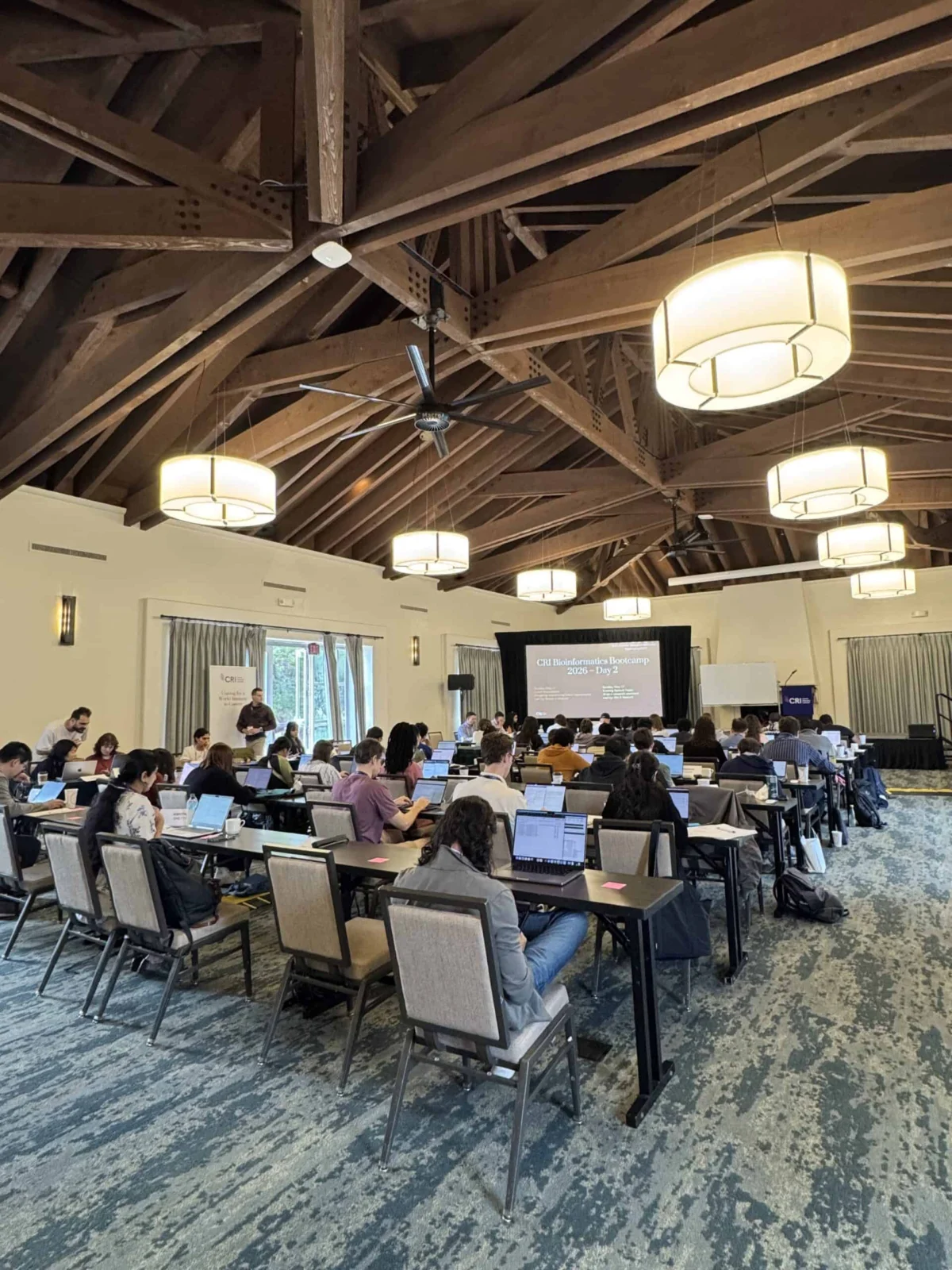
San Antonio, Texas – From May 16 to 22, 2026, over 50 aspiring and early-career scientists converged at the picturesque La Cantera Resort in San Antonio, Texas, for the third annual Cancer Research Institute (CRI) Bioinformatics Bootcamp. This intensive, week-long training program, meticulously designed to bridge the burgeoning chasm between experimental biology and data science, provided fellows and students with crucial hands-on instruction in the computational methodologies increasingly vital to advancing cancer immunotherapy research. The event underscored CRI’s unwavering commitment to empowering a new generation of researchers capable of navigating and interpreting the vast, complex datasets that define modern oncology.
The Imperative of Bioinformatics in Modern Cancer Research
The landscape of cancer research has undergone a profound transformation, moving rapidly towards a data-driven paradigm. The advent of high-throughput technologies, such as next-generation sequencing (NGS), single-cell RNA sequencing (scRNA-seq), proteomics, and advanced imaging, has led to an explosion of biological data. Scientists are no longer merely generating these immense datasets; they are increasingly expected to extract meaningful, actionable biological insights from them. This shift necessitates a robust understanding of bioinformatics – the interdisciplinary field that develops methods and software tools for understanding biological data. Without these computational skills, the full potential of groundbreaking experimental work in areas like cancer immunotherapy risks remaining untapped.
Immunotherapy, in particular, presents unique computational challenges and opportunities. Understanding how the immune system interacts with cancer cells, identifying novel biomarkers for response or resistance, and designing personalized treatment strategies all rely heavily on the sophisticated analysis of complex immunological and genomic data. The CRI Bioinformatics Bootcamp directly addresses this critical need by equipping early-career scientists with the practical tools and theoretical frameworks necessary to confidently tackle these challenges. The program focuses on key bioinformatics approaches relevant to immunology and oncology, including data visualization, computational workflows, and the analysis of next-generation sequencing and single-cell technologies.
A Chronology of Intensive Learning and Skill Development
The 2026 bootcamp represented the culmination of three years of refinement and expansion since its inception. Each day of the intensive week followed a structured yet dynamic agenda, meticulously balancing theoretical instruction with extensive hands-on application. Mornings typically commenced with lectures delivered by leading experts in bioinformatics, covering foundational concepts in programming languages like R and Python, statistical methods for biological data, and specific analytical pipelines. These sessions were designed to provide a solid conceptual grounding before participants transitioned into practical, guided exercises.
Afternoons were dedicated to immersive, hands-on lab sessions where attendees applied newly acquired knowledge to real-world datasets. A cornerstone of the bootcamp’s success is the unique opportunity for participants to work one-on-one with faculty mentors on their own research data. This personalized approach ensures that the skills learned are immediately relevant and applicable to their ongoing projects, fostering a deeper understanding and accelerating their research timelines. The support system was further bolstered by five dedicated teaching assistants (TAs), all experts in bioinformatics and computational biology, who provided individualized guidance and troubleshooting throughout the hands-on analyses.
Reflecting on the program’s evolution, Dr. Katie Campbell, a faculty member who has been instrumental since the bootcamp’s inception, noted, “When we started the bioinformatics bootcamp just three years ago, we really focused on the basics and the fundamentals of programming. With the rapid pace of technology, there’s a rapid pace of the tools available to analyze. We have to think about how we accelerate not just the discovery but the analysis, the everyday, without taking away the necessary thought processes that have to be intrinsic to the fellows as they take on this research.” This sentiment underscores the program’s agile curriculum development, continually adapting to integrate the most current and impactful tools and methodologies.
Enriching the Curriculum: New Sessions for a Dynamic Field
For its third iteration, CRI introduced several innovative, topic-focused sessions, specifically curated to deepen the learning experience and address emerging trends in the field. These additions were a direct response to feedback and the accelerating pace of scientific discovery.
Lunch-hour roundtables, intentionally capped at 18 participants to facilitate intimate and engaging discussions, delved into subjects of critical importance to early-career scientists. Topics included:
- Complex Experimental Design: Guiding participants through the intricacies of designing robust experiments that yield high-quality, analyzable data.
- Computational Career Pathways: Offering insights into diverse career trajectories available for scientists with strong bioinformatics skills, from academia to industry.
- Grant Planning for Bioinformatics: Providing practical advice on how to successfully integrate and fund bioinformatics components within grant applications.
- Coding Reproducibility: Emphasizing best practices for writing clean, well-documented, and reproducible code, a fundamental principle for rigorous scientific research.
In addition to these focused discussions, evening sessions explored cutting-edge topics that are rapidly reshaping scientific inquiry. These included:
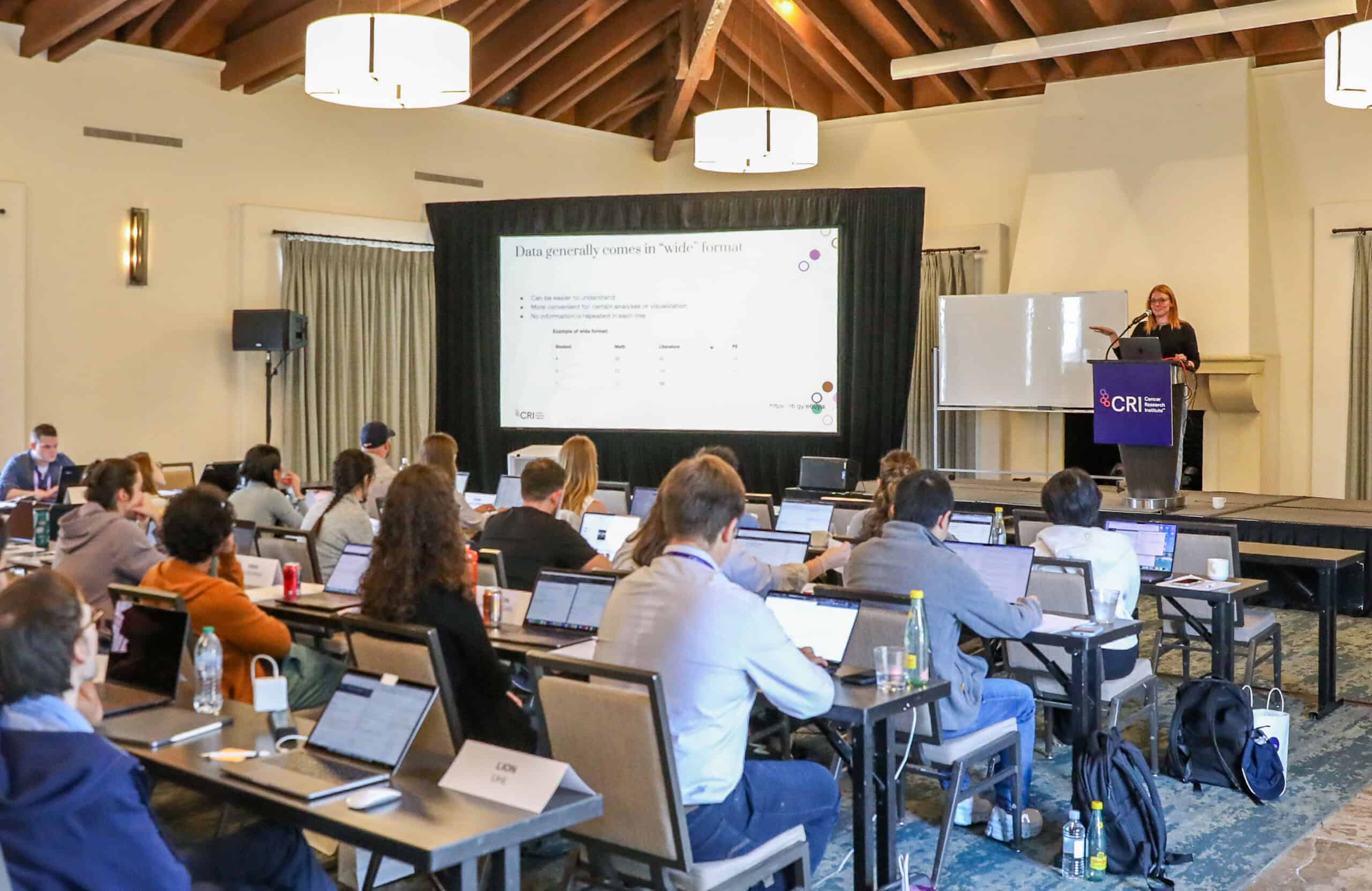
- Artificial Intelligence in Research: An exploration of how AI and machine learning algorithms are being applied to analyze complex biological data, identify patterns, and accelerate drug discovery.
- Advanced Python Coding Techniques: Building upon foundational programming skills, these sessions introduced more sophisticated Python functionalities for data manipulation, analysis, and visualization.
These supplementary sessions were thoughtfully designed to provide practical tools and ideas that attendees could immediately apply to their own work, extending the bootcamp’s value beyond core bioinformatics training into broader professional development.
Voices from the Frontlines: Perspectives on Impact
The impact of the CRI Bioinformatics Bootcamp resonates strongly with both instructors and participants. Christie Chang, a teaching assistant, articulated the program’s foundational role: “The Bootcamp is important because it’s really bridging the gap across two fields of the wet lab and the dry lab. As technologies are evolving, we’re generating large data sets, and we need computational tools to be able to understand more complex pictures, more complex data sets, and make more complex discoveries. We’re only learning about cancer because we were able to extend lifespans, and we want to keep extending them. Technology advances so that we can live longer.” This statement encapsulates the profound societal implications of the skills imparted at the bootcamp.
Maryam Pourmaleki, PhD, another TA, reinforced this perspective, highlighting the evolving demands on modern scientists: “In today’s time, a lot of science is moving towards big data. Scientists who have phenomenal training in wet lab now need to analyze bigger multimodal data they’re generating, and the Bootcamp is giving those scientists the necessary tools to work with big data.”
Attendees, many of whom arrived with limited formal computational training, lauded the program’s accessibility and supportive environment. Tara Muijlwijk, PhD, a CRI Dr. Keith Landesman Memorial Fellow and bootcamp attendee, emphasized the broader benefits of stepping away from individual projects: “It’s super important to zoom out from your own research. The Bootcamp is really a great way to zoom out and to think about, okay, what am I doing, why am I doing this, and also to connect with other people, which is super important in research.” This highlights the value of the bootcamp not just for technical skills but also for fostering critical thinking and collaborative networks.
Jia Yu (Jennifer) Ye, PhD, a CRI Immunoinformatics Postdoctoral Fellow and attendee, succinctly captured the program’s systematic approach: “It’s just such an amazing opportunity offered by CRI to really help learn all of the informatics skills more systematically, rather than just chatting with an AI engine.” This underlines the bootcamp’s role in providing structured, expert-led education over fragmented, informal learning.
Dr. Jill O’Donnell-Tormey, CEO and Director of Scientific Affairs at the Cancer Research Institute, commented on the strategic importance of the bootcamp. "Our mission at CRI is to save more lives by fueling the discovery and development of immunotherapies for all cancers. This bootcamp is a direct investment in that future. By equipping these bright young scientists with advanced bioinformatics capabilities, we are accelerating their ability to make groundbreaking discoveries, translate complex data into clinical insights, and ultimately, bring us closer to cures. It’s about empowering innovation at the individual researcher level, which collectively drives the entire field forward."
Broader Impact and Future Implications
Beyond the immediate acquisition of technical skills, the CRI Bioinformatics Bootcamp serves as a significant investment in the future trajectory of cancer research. By fostering computational literacy across the cancer research community, the program directly contributes to CRI’s broader commitment to accelerating progress in immunotherapy through education, innovation, and interdisciplinary collaboration. The ability to effectively analyze and interpret complex datasets is not merely a technical skill; it is a fundamental driver of discovery that may ultimately revolutionize how cancers are understood, diagnosed, and treated.
The bootcamp also plays a crucial role in cultivating a vibrant network of scientists. Participants leave San Antonio not only with enhanced analytical capabilities but also with newfound confidence in integrating bioinformatics into their own scientific work and collaborations. This growing community, united by a shared goal of advancing cancer immunotherapy through data-informed research, represents a powerful force for future innovation. The connections forged, the ideas exchanged, and the collaborative spirit ignited during the intensive week are invaluable assets that extend far beyond the resort walls.
In an era where scientific breakthroughs are increasingly intertwined with computational prowess, programs like the CRI Bioinformatics Bootcamp are indispensable. By systematically training researchers to better harness the power of complex datasets, CRI is directly empowering the next generation of scientists to push the boundaries of discovery, accelerate the development of new immunotherapies, and ultimately contribute to a future where cancer is no longer a death sentence. The continued evolution and success of this annual event underscore its vital role in shaping the future of cancer research.
