
 By admin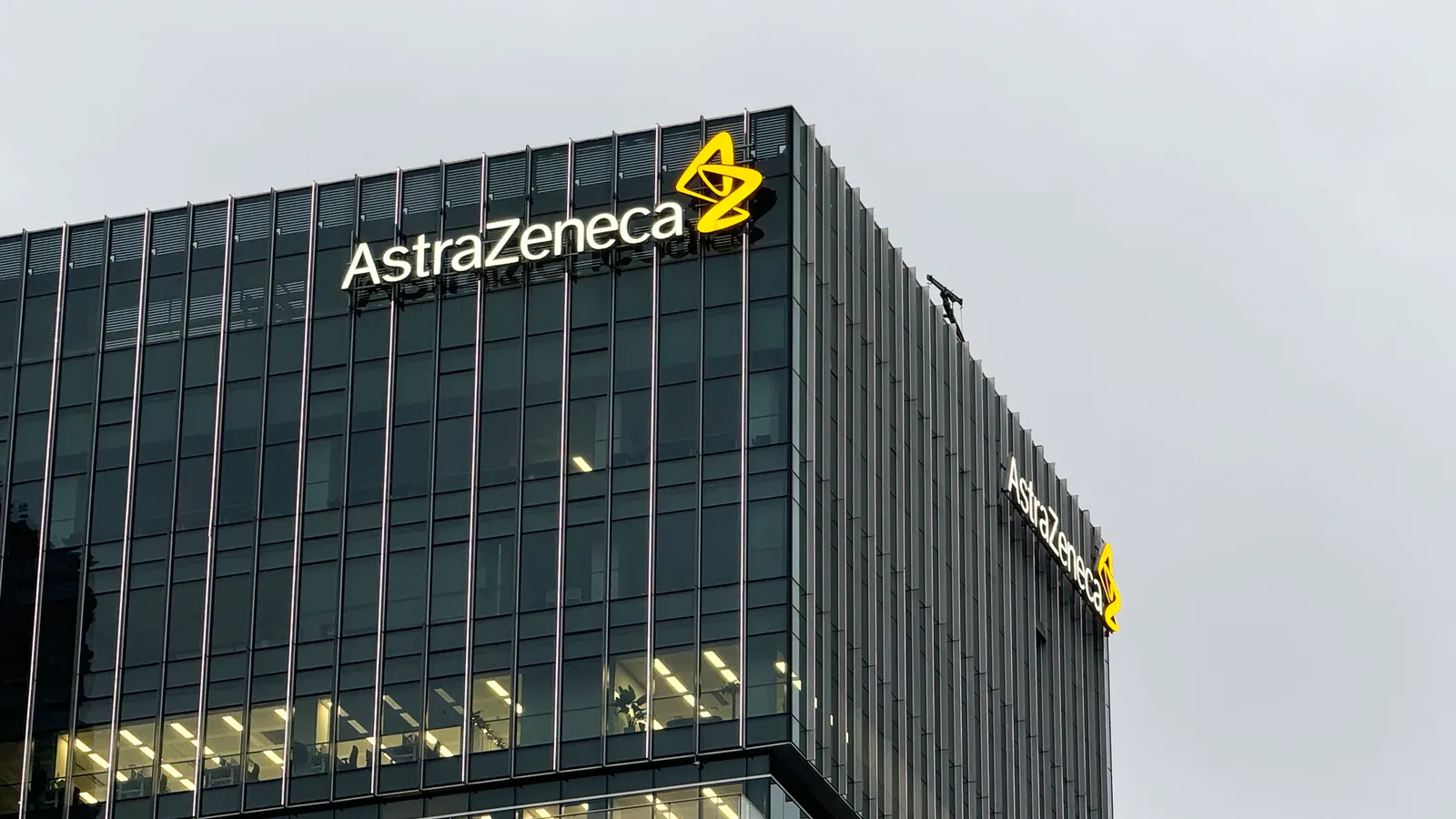
London, UK – July 8, 2026 – In a series of significant strategic moves that underscore the growing commercial ties between British pharmaceutical giants and their Chinese counterparts, AstraZeneca and GSK have announced new collaborations with China’s Sino Biopharmaceutical. These agreements, unveiled on Wednesday, highlight the continued pursuit of market expansion and R&D diversification in Asia, even as such transactions face heightened scrutiny in the United States over national security and economic competition concerns. The deals further cement the UK drugmakers’ substantial investments in the burgeoning Chinese biopharmaceutical landscape, particularly within the lucrative respiratory medicines sector.
The latest partnerships see AstraZeneca licensing a promising respiratory compound from Sino Biopharmaceutical, TQC3721, while GSK has expanded its commercial reach in China by entrusting Sino with the import, promotion, and distribution of its established respiratory blockbusters, Trelegy and Anoro. These developments are not isolated incidents but rather a continuation of a discernible trend, where Western pharmaceutical companies are increasingly forging deeper alliances with Chinese firms, navigating a complex global environment marked by both immense market opportunity and geopolitical headwinds.
AstraZeneca’s Strategic R&D Deepening with Sino
AstraZeneca, a company known for its aggressive growth strategy and significant footprint in emerging markets, has entered into an exclusive licensing agreement with Sino Biopharmaceutical for TQC3721. This compound is a dual phosphodiesterase 3 and 4 (PDE3/4) inhibitor, a class of drugs garnering considerable attention for its potential in treating chronic obstructive pulmonary disease (COPD). The agreement grants AstraZeneca worldwide rights to develop, manufacture, and commercialize TQC3721 outside of mainland China, Hong Kong, Macau, and Taiwan, where Sino Biopharmaceutical retains rights.
The strategic rationale behind this acquisition is multifold. COPD, a progressive lung disease, represents a massive global health burden, with millions of patients worldwide suffering from its debilitating effects. In China alone, the prevalence of COPD is estimated to be over 100 million people, creating an urgent demand for innovative and effective treatments. AstraZeneca already possesses a robust respiratory portfolio, and TQC3721 is expected to complement its existing offerings, potentially providing a new best-in-class option for patients.
Sino Biopharmaceutical has already demonstrated the compound’s promise, having successfully completed a Phase 2 study in China. This trial indicated that a combination regimen involving TQC3721 alongside standard therapies led to significant improvements in lung function compared to standard drugs and placebo. This pre-existing clinical data de-risks the early stages of development for AstraZeneca, allowing them to accelerate its global development program. The company’s decision to license a compound with established Phase 2 data reflects a calculated approach to pipeline enrichment, focusing on assets that have already shown clinical efficacy.
Industry analysts suggest that the deal echoes Merck & Co.’s substantial investment last year when it acquired Verona Pharma for $10 billion to gain rights to its PDE3/4 inhibitor, Ohtuvayre (ensifentrine). This parallel underscores the perceived value and therapeutic potential of this drug class in the treatment of COPD. A spokesperson for Sino Biopharmaceutical stated that the collaboration with AstraZeneca would "maximize the potential clinical and commercial value of this potential best-in-class medicine to benefit more patients worldwide," highlighting their ambition to globalize their research breakthroughs. For Sino, this partnership serves as a significant validation of its R&D capabilities and provides a pathway for its internally developed assets to reach international markets, securing substantial upfront payments and future royalties.
GSK Expands Commercial Footprint Through Sino Partnership
Concurrently, GSK, another British pharmaceutical titan with a strong legacy in respiratory health, announced an expanded alliance with Sino Biopharmaceutical focusing on market penetration for its key respiratory medicines in China. Under the terms of the agreement, Sino Biopharmaceutical will take on the critical roles of importing, promoting, and distributing GSK’s widely recognized COPD treatments, Trelegy Ellipta and Anoro Ellipta, across mainland China. This strategic move aims to leverage Sino’s extensive local market knowledge, established distribution networks, and strong relationships within the Chinese healthcare system.
Trelegy Ellipta, a triple therapy combining an inhaled corticosteroid (ICS), a long-acting muscarinic antagonist (LAMA), and a long-acting beta-agonist (LABA), has been a significant growth driver for GSK. In 2025, Trelegy recorded global sales of 3 billion pounds (approximately $3.9 billion), with a notable 16% of these sales originating from markets outside the U.S. and Europe. Anoro Ellipta, a dual bronchodilator (LAMA/LABA), also contributed significantly to GSK’s revenue, with global sales reaching 542 million pounds (approximately $714 million) in the same period, with 18% coming from non-U.S./European territories.
By partnering with Sino Biopharmaceutical, GSK seeks to substantially increase the "patient reach and market penetration" of these vital medicines in China, a market where the unmet medical need for advanced COPD treatments remains high. Sino will record all related revenue generated from the sales of Trelegy and Anoro under this agreement, indicating a deeply integrated commercial partnership rather than a mere distribution deal. This model allows GSK to benefit from Sino’s localized expertise and infrastructure without the full operational burden, while Sino gains access to established, high-performing global brands.

The Allure of the Chinese Pharmaceutical Market
These recent deals are symptomatic of a broader, sustained strategic pivot by Western pharmaceutical companies towards China. The country represents one of the fastest-growing pharmaceutical markets globally, driven by an aging population, rising disposable incomes, expanding healthcare insurance coverage, and a government increasingly prioritizing access to innovative medicines. The sheer scale of the patient population, coupled with a rising incidence of chronic diseases like COPD, diabetes, and various cancers, makes China an irresistible market for drug developers.
Beyond market access, China has also emerged as a significant hub for pharmaceutical innovation and manufacturing. The Chinese government’s "Healthy China 2030" initiative and "Made in China 2025" strategic plan have poured vast resources into developing a world-class biopharmaceutical industry, fostering both domestic R&D capabilities and encouraging foreign investment and collaboration. This has led to the emergence of numerous highly capable local biotechs and pharmaceutical firms, like Sino Biopharmaceutical, which are now producing innovative molecules and possessing sophisticated manufacturing capabilities.
AstraZeneca, in particular, has been one of the most proactive and heavily invested multinational pharmaceutical companies in China. Its commitment extends far beyond licensing deals. Over the past few years, AstraZeneca has pledged approximately $15 billion towards drug discovery, research, and manufacturing within China. This includes establishing R&D centers, expanding manufacturing facilities, and forming multiple strategic alliances with local entities such as CSPC Pharmaceutical Group for co-development and commercialization of various drug candidates. The company’s significant presence in cities like Shanghai, where its distinctive logo graces office buildings, symbolizes its deep entrenchment in the Chinese market. These investments reflect a long-term vision to integrate China not just as a market, but as a crucial pillar of its global innovation and supply chain strategy.
Navigating Geopolitical Headwinds and US Scrutiny
The timing of these intensified collaborations, however, is particularly noteworthy given the escalating geopolitical tensions and increased scrutiny from Western governments, especially in the United States, regarding transactions involving Chinese entities. Concerns range from intellectual property theft and forced technology transfer to national security risks stemming from potential supply chain dependencies and access to sensitive patient data.
In the U.S., legislative bodies and regulatory agencies, including the Committee on Foreign Investment in the United States (CFIUS), have been increasingly vigilant about foreign investments in critical technologies and industries, including biotechnology and pharmaceuticals. Bipartisan groups in Congress have expressed alarm over China’s biopharma ambitions, viewing them as a potential threat to American economic and national security interests. There’s a growing push for "de-risking" supply chains and reducing reliance on China for essential medicines and their components. While the UK has not adopted as stringent a posture as the US, the broader Western political climate undeniably casts a shadow over such extensive East-West collaborations.

Industry analysts highlight the delicate balance Western pharmaceutical companies must strike. On one hand, China offers unparalleled growth opportunities and a burgeoning innovation ecosystem. On the other, companies risk being caught in the crossfire of geopolitical rivalries, potentially facing regulatory pushback, public relations challenges, or even sanctions if tensions escalate. The partnerships announced by AstraZeneca and GSK represent a calculated decision to prioritize market access and R&D diversification, implicitly accepting these geopolitical risks as part of the cost of doing business in a globally integrated, yet politically fragmented, world.
Broader Implications for Global Biopharma
These agreements carry significant implications for the global biopharmaceutical landscape. For Chinese firms like Sino Biopharmaceutical, these partnerships accelerate their transition from domestic players to global innovators. Licensing out TQC3721 to AstraZeneca not only provides financial resources but also validates Sino’s R&D capabilities on an international stage, potentially opening doors for future global collaborations and market access for other pipeline assets. Similarly, the commercial partnership with GSK enhances Sino’s market leadership within China, providing access to established global brands and leveraging their local expertise.
For AstraZeneca and GSK, the strategy is about optimizing market reach and pipeline development. By tapping into China’s R&D talent and patient populations for clinical trials, they can potentially accelerate drug development timelines and expand their therapeutic portfolios. However, this also raises questions about intellectual property protection, data privacy, and the potential for increased competition from local players who gain valuable insights and technologies through such collaborations.
The ongoing trend of such tie-ups suggests a fundamental shift in the global pharmaceutical R&D and commercialization model. Instead of a purely Western-dominated innovation pipeline, there is an increasing recognition of China’s growing contributions to drug discovery and development. This necessitates a more collaborative and integrated approach, even as geopolitical forces attempt to pull the world apart. The challenge for multinational corporations will be to navigate this increasingly complex environment, balancing commercial imperatives with ethical considerations and geopolitical realities, ensuring that these partnerships ultimately benefit patients worldwide while mitigating potential risks.
As the global biopharmaceutical industry continues its rapid evolution, the strategic alliances forged by UK drugmakers with their Chinese counterparts will serve as a crucial barometer for the future of international collaboration, innovation, and market dynamics in an era defined by intense competition and intricate geopolitical maneuvering. The outcomes of these ventures, both in terms of patient benefit and commercial success, will be closely watched by industry stakeholders, policymakers, and global health advocates alike.
