
 By Budi Oetomo Narendra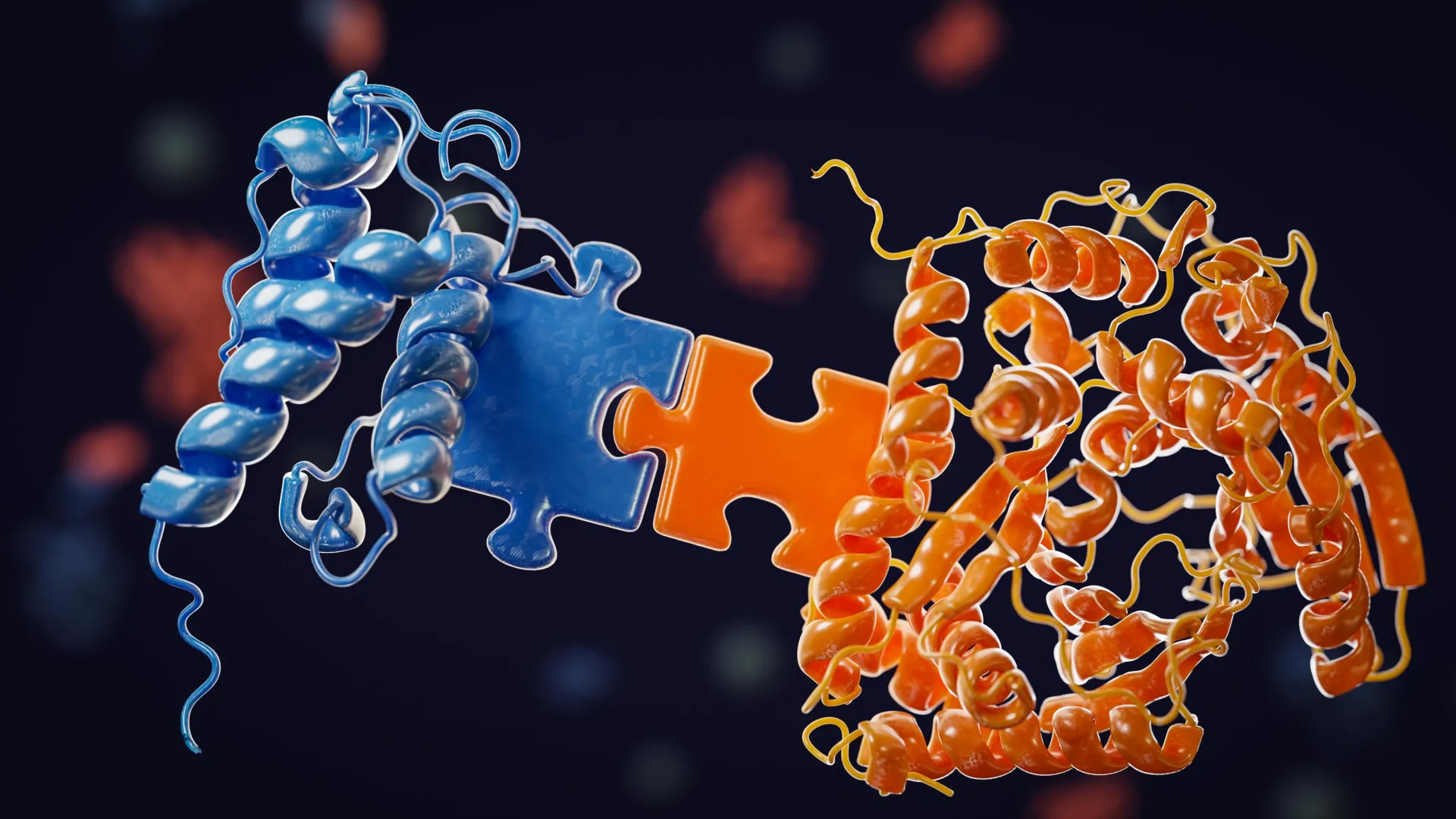
This groundbreaking discovery, published recently in the prestigious journal Nature Communications, sheds critical light on the intricate mechanisms employed by bacteria to produce a family of potent anti-cancer compounds, including Romidepsin (Istodax), an FDA-approved treatment for specific blood cancers. For years, the scientific community has harbored ambitions of harnessing bacterial enzymes to create novel drug variants through a process known as combinatorial biosynthesis. However, progress in this promising field has been significantly hampered by a fundamental lack of understanding regarding how these complex enzymes orchestrate their work with such remarkable precision and versatility. The new research from a collaborative team at the University of Warwick and Monash University finally cracks this long-standing biological code, revealing a natural "mix and match" system that offers a revolutionary blueprint for designing future cancer therapies.
Decades of Mystery: The Promise of Natural Products in Drug Discovery
The quest for effective cancer treatments has long been intertwined with the exploration of natural products. From the earliest days of modern medicine, substances derived from plants, fungi, and bacteria have served as invaluable sources of therapeutic compounds. Penicillin, a mold-derived antibiotic, revolutionized infection treatment, while plant-based compounds like paclitaxel (Taxol) and the vinca alkaloids became cornerstones of chemotherapy. These natural molecules often possess incredibly complex structures that are challenging, if not impossible, to synthesize entirely in a laboratory setting, making their biological origin paramount.
In the realm of cancer, microbial natural products have shown particular promise. Bacteria, in their constant evolutionary arms race for survival, have developed sophisticated biochemical pathways to produce a vast array of secondary metabolites, many of which exhibit potent biological activities, including anti-tumor effects. The idea of "combinatorial biosynthesis" emerged as a tantalizing prospect: if scientists could understand and manipulate the enzymatic machinery responsible for building these complex molecules, they could potentially create bespoke drug variants with improved efficacy, reduced side effects, or novel mechanisms of action. This approach promised to accelerate drug discovery, circumventing the laborious and often serendipitous process of screening countless natural extracts. However, without a clear understanding of the bacterial enzymes’ cooperative dynamics, this promise largely remained unfulfilled, a scientific enigma waiting to be solved.
Unlocking Nature’s Chemical Factories: The Role of Docking Domains
The core of this recent breakthrough lies in the identification of tiny molecular connectors dubbed ‘docking domains.’ These small, yet critically important, molecular regions act as communication hubs, facilitating interactions between the central drug-building machinery and the various enzymes responsible for adding different components to the nascent drug molecule. Dr. Munro Passmore, a Research Fellow in the Department of Chemistry at the University of Warwick and the study’s first author, articulated the significance of this finding: "For decades, we’ve known that bacteria can naturally produce multiple versions of powerful anti-cancer drugs, yet we had no idea how they achieved this. This work finally cracks that code. We’ve identified how the different enzymes communicate and cooperate to produce these drug variants, something that has eluded researchers because the system is so elegantly economical. It’s the breakthrough we needed to actually engineer these drugs ourselves."
The elegance of this system stems from its flexible design. These docking domains share a conserved connection point, allowing them to interact with a multitude of enzyme partners. This inherent adaptability explains how bacteria can generate a diverse array of related drug molecules while simultaneously maintaining the exquisite precision required for these compounds to retain their therapeutic effectiveness. Essentially, the bacteria employ a modular assembly line, where different enzymatic ‘workers’ can be swapped in and out, each adding a unique chemical ‘component’ to the drug structure, all guided by these crucial docking domains. This sophisticated yet economical mechanism ensures a high degree of structural diversity from a relatively small set of genetic instructions.
The drugs in question, like Romidepsin, are complex cyclic molecules known as depsipeptides. These compounds are meticulously assembled from amino acid building blocks, alongside a conserved hydroxy acid pharmacophore, all intricately linked through a combination of peptide and ester bonds. Inside bacteria, these molecules are constructed by massive protein complexes referred to as PKS-NRPS hybrids. These hybrids combine the activities of polyketide synthase (PKS) and nonribosomal peptide synthetase (NRPS), two of nature’s most prolific and versatile biosynthetic machineries. The new research unequivocally demonstrates that the key to this intricate assembly process resides in the docking domains, which function as molecular connectors, enabling one segment of the production line to recognize and seamlessly transfer its product to the subsequent enzymatic station. This precise, coordinated hand-off is the fundamental mechanism underpinning combinatorial biosynthesis and allows bacteria to naturally generate an impressive array of drug variants.
Romidepsin and the HDAC Inhibitor Family: Clinical Relevance
The discovery specifically focuses on a vital class of anti-cancer medicines known as Histone Deacetylase (HDAC) inhibitors. These drugs operate by blocking histone deacetylases, enzymes that play a crucial role in regulating which genes are switched on or off within cells. In cancer, aberrant gene expression often contributes to uncontrolled cell growth and survival. By inhibiting HDACs, these drugs can reactivate tumor suppressor genes, induce cell differentiation, and promote programmed cell death (apoptosis) in cancer cells.
Romidepsin, marketed as Istodax, is an FDA-approved HDAC inhibitor primarily used to treat certain T-cell lymphomas, a type of blood cancer. Its efficacy underscores the therapeutic potential of compounds derived from these bacterial pathways. Another chemically related compound, FR-901375, has been known to scientists for decades, yet its precise biological pathway of production within bacteria remained a mystery. This study triumphantly fills in that critical missing piece, providing a complete picture of its biosynthesis. Understanding the full biosynthetic pathway of such compounds is not merely an academic exercise; it is crucial for optimizing their production, identifying potential new derivatives, and ultimately developing more effective treatments. The global burden of cancer remains immense, with millions of new cases diagnosed annually and countless lives affected. Innovations in drug development, particularly those that streamline the creation of new therapeutic agents, are thus of paramount importance.
A Blueprint for Future Therapies: Engineering Better Drugs
The implications of this discovery for future cancer drug development are profound and far-reaching. Professor Greg Challis, Monash Warwick Alliance Professor of Sustainable Chemistry at the University of Warwick and Monash University, succinctly captured the essence of this potential: "This research gives us a blueprint to do what nature does, but better and faster. By reverse-engineering nature’s evolutionary logic, we can now design synthetic pathways that generate new anti-cancer drug candidates with properties optimized for clinical use, such as superior potency, improved selectivity, and fewer side effects."
The ability to engineer these drugs ourselves opens up unprecedented opportunities. Traditional drug discovery is notoriously expensive and time-consuming, with high attrition rates. By understanding nature’s elegant design principles, researchers can now bypass some of these hurdles. Improved potency means lower dosages, potentially reducing toxicity. Enhanced selectivity implies targeting cancer cells more precisely, minimizing damage to healthy tissues and thereby reducing severe side effects, a common challenge with many existing chemotherapies. Furthermore, the capacity to modify these drugs could help overcome mechanisms of drug resistance, a major clinical obstacle in long-term cancer treatment. The immediate goal, according to Professor Challis, is to build an expanded library of candidate drugs tailored for various cancers where current treatments are urgently needed or prove inadequate. This shift from merely understanding how these systems operate to actively building new ones marks a significant paradigm change in pharmaceutical research.
The Evolutionary Insight and Methodological Rigor
Beyond the immediate practical applications, the study also offers valuable insights into the evolutionary biology of natural drug-producing systems. The researchers hypothesize that the newly identified compound, FR-901375, most likely evolved from a related drug-producing pathway through processes of gene duplication and recombination over vast stretches of evolutionary time. This understanding of how nature diversifies its chemical repertoire can further inform rational drug design, allowing scientists to mimic these evolutionary strategies in the laboratory to generate novel compounds.
Solving such a complex, decades-old mystery required a sophisticated, multidisciplinary approach. The research team meticulously combined state-of-the-art techniques from structural biology, biochemistry, genetics, and computational modeling. Structural biology, perhaps involving techniques like X-ray crystallography or cryo-electron microscopy, would have been crucial for determining the three-dimensional structures of the enzymes and their docking domains, revealing the precise molecular interactions. Biochemical assays would have been employed to characterize the enzymatic reactions, understand reaction kinetics, and confirm the function of individual components. Genetic manipulation, such as gene knockout or overexpression, would have allowed the researchers to probe the roles of specific genes and enzymes in the biosynthetic pathway. Finally, computational modeling, including molecular dynamics simulations, would have helped predict and validate enzyme-substrate interactions and the dynamics of the assembly line, providing a holistic understanding of the system’s operation. This comprehensive methodological toolkit was essential to unraveling the intricate interplay between the various components of the bacterial drug-making machinery.
Broader Implications for Cancer Treatment and Beyond
The implications of this discovery extend far beyond merely designing new HDAC inhibitors. The fundamental principles uncovered regarding enzyme communication and modular assembly in PKS-NRPS systems could be applied to a much wider array of natural product biosynthesis. This could unlock new avenues for producing antibiotics, antivirals, immunosuppressants, and other critical pharmaceuticals. The ability to precisely engineer microbial factories to produce designer drugs represents a significant leap forward in synthetic biology and metabolic engineering, potentially making drug production more sustainable, efficient, and cost-effective.
For cancer patients, this research offers a tangible beacon of hope. The development of new therapeutic agents, particularly for hard-to-treat cancers or those that have developed resistance to existing drugs, is a continuous and pressing need. By shortening the drug discovery pipeline and enabling the rational design of optimized compounds, this breakthrough could significantly accelerate the pace at which novel treatments reach the clinic. While clinical trials and regulatory approvals are still lengthy processes, the initial step of identifying promising candidates with improved properties is now poised for a transformative acceleration. This discovery is a testament to the power of fundamental scientific inquiry, proving that understanding nature’s intricate mechanisms can lead directly to innovative solutions for some of humanity’s most challenging diseases.
The Road Ahead: From Understanding to Engineering
The journey from a laboratory discovery to a widely available medicine is long and arduous. However, the University of Warwick and Monash University team has provided a critical foundation. Their immediate goal to build an expanded library of anti-cancer candidates reflects the urgency and potential of their findings. The next phases will likely involve extensive preclinical testing to assess the efficacy and safety of these new drug candidates, followed by rigorous human clinical trials.
This work marks a pivotal moment in the intersection of microbiology, chemistry, and medicine. It underscores the incredible potential residing within the microbial world, much of which remains unexplored. By finally understanding how bacteria orchestrate the production of complex, life-saving molecules, scientists are no longer merely observing nature’s genius; they are beginning to emulate and improve upon it, paving the way for a new era of targeted and effective cancer therapies. The decades-long mystery has been solved, and in its place, a clear path forward for engineered therapeutics has emerged.
