
 By Nana O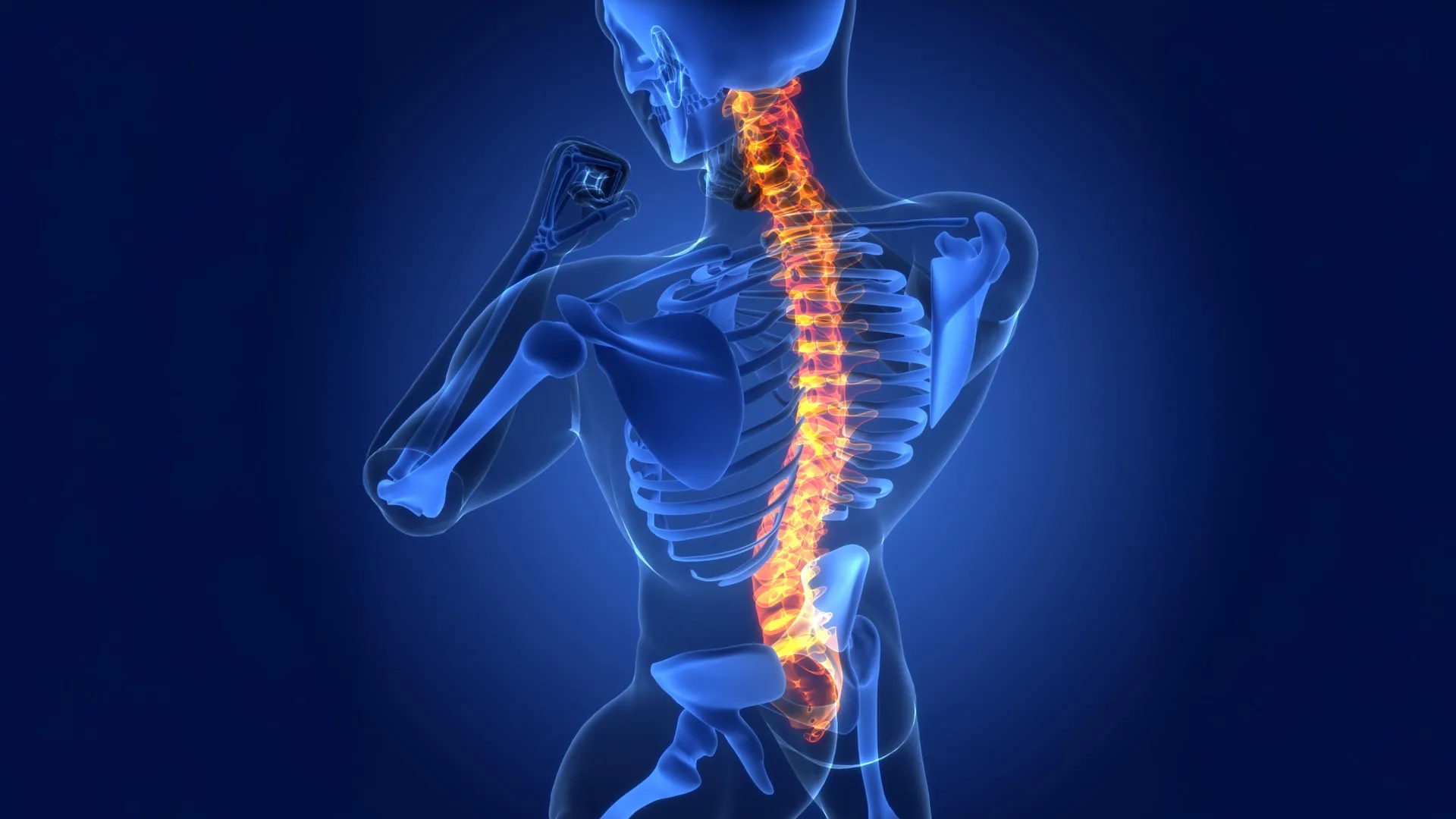
Los Angeles, CA – In a significant breakthrough with profound implications for treating spinal cord injuries, stroke, and neurodegenerative diseases like multiple sclerosis, researchers at Cedars-Sinai have identified a previously unknown biological repair process within the central nervous system. The groundbreaking findings, published in the prestigious scientific journal Nature, reveal an unexpected and critical role for astrocytes, a fundamental support cell type in the brain and spinal cord, in driving tissue regeneration. This discovery opens promising avenues for the development of novel therapeutic strategies aimed at restoring function and mitigating the devastating effects of these neurological conditions.
The research, spearheaded by neuroscientist Joshua Burda, PhD, assistant professor of Biomedical Sciences and Neurology at Cedars-Sinai, highlights how astrocytes located far from the immediate site of injury actively participate in the complex healing cascade. "Astrocytes are critical responders to disease and disorders of the central nervous system — the brain and spinal cord," stated Dr. Burda, who served as the senior author of the study. "We discovered that astrocytes far from the site of an injury actually help drive spinal cord repair. Our research also uncovered a mechanism used by these unique astrocytes to signal the immune system to clean up debris resulting from the injury, which is a critical step in the tissue-healing process."
The Cedars-Sinai team has named these crucial, distant astrocytes "lesion-remote astrocytes" (LRAs). Further analysis revealed that these LRAs are not a monolithic group but comprise several distinct subtypes, each with specialized functions. Crucially, the study provides the first detailed explanation of how one specific LRA subtype can detect damage occurring at a distance and initiate a cascade of responses that actively support tissue recovery. This finding challenges previous understandings of astrocyte function, which often emphasized their role primarily at the immediate site of injury or in maintaining baseline neural homeostasis.
Understanding the Spinal Cord’s Response to Injury
To fully appreciate the significance of the LRAs’ role, it is essential to understand the anatomy and typical response of the spinal cord to trauma. The spinal cord, a vital conduit of information between the brain and the rest of the body, is a long, cylindrical bundle of nerve tissue extending from the brainstem downwards. Internally, it is organized into gray matter, characterized by its butterfly or H-shape, which houses nerve cell bodies, dendrites, unmyelinated axons, and astrocytes. Surrounding the gray matter is the white matter, predominantly composed of myelinated nerve fibers, also known as axons, which are crucial for transmitting electrical signals rapidly over long distances. Astrocytes are ubiquitously present throughout both gray and white matter, forming a critical glial network that supports neuronal health, regulates the extracellular environment, and ensures the efficient transmission of neural signals.
When the spinal cord sustains an injury, such as from trauma, stroke, or disease, nerve fibers are often torn or damaged. This disruption can lead to a cascade of detrimental events, including the loss of motor control (paralysis), sensory deficits (affecting touch, temperature, and pain), and autonomic dysfunction. A hallmark of spinal cord injury is the breakdown of damaged nerve fibers into cellular debris. In many other tissues of the body, inflammatory responses are generally localized to the injury site, facilitating a contained healing process. However, the unique architecture of the spinal cord, with nerve fibers spanning considerable lengths, means that damage and subsequent inflammation can propagate far beyond the initial point of insult, potentially affecting healthy tissue and hindering recovery. This widespread inflammatory response has long been considered a significant barrier to effective spinal cord repair.
Lesion-Remote Astrocytes and Enhanced Immune Cleanup
The Cedars-Sinai study employed sophisticated experimental models, including mice subjected to controlled spinal cord injuries, to investigate the functional roles of different astrocyte populations. The results provided compelling evidence that LRAs are not passive bystanders but active participants in promoting repair. Moreover, the researchers observed strong correlative evidence suggesting that this same CCN1-mediated process occurs in human spinal cord tissue affected by injury.
A key discovery within the LRA population was the identification of a specific subtype that produces a protein known as CCN1. This protein acts as a crucial signaling molecule, effectively communicating with and directing the behavior of immune cells within the central nervous system, particularly microglia. Microglia are the resident immune cells of the brain and spinal cord, acting as the primary scavengers of cellular debris and pathogens.
"One function of microglia is to serve as chief garbage collectors in the central nervous system," explained Dr. Burda. "After tissue damage, they eat up pieces of nerve fiber debris — which are very fatty and can cause them to get a kind of indigestion. Our experiments showed that astrocyte CCN1 signals the microglia to change their metabolism so they can better digest all that fat." This metabolic reprogramming of microglia is critical. Without it, the phagocytic (debris-engulfing) activity of microglia can become inefficient, leading to the accumulation of undigested fatty debris.
The research suggests that this improved debris clearance, facilitated by LRA-derived CCN1, may offer a biological explanation for why some patients experience partial, spontaneous recovery after spinal cord injury, even without targeted therapeutic intervention. Conversely, when the researchers experimentally eliminated astrocyte-derived CCN1 in their mouse models, the healing process was significantly impaired. "If we remove astrocyte CCN1, the microglia eat, but they don’t digest. They call in more microglia, which also eat but don’t digest," Dr. Burda elaborated. "Big clusters of debris-filled microglia form, heightening inflammation up and down the spinal cord. And when that happens, the tissue doesn’t repair as well." This highlights the delicate balance required for effective tissue repair and the detrimental consequences of disrupting this finely tuned communication pathway. The accumulation of inflammatory debris and hyperactive microglia can exacerbate secondary damage, creating a more hostile environment for neural regeneration.
Broader Implications for Neurological Diseases
The findings extend beyond the realm of traumatic spinal cord injury. The research team also examined spinal cord samples from individuals diagnosed with multiple sclerosis (MS), a chronic autoimmune disease characterized by inflammation and demyelination in the central nervous system. In these samples, they observed the same CCN1-related repair process involving LRAs and microglia. This suggests that the fundamental principles of LRA-mediated repair may be applicable to a wider spectrum of neurological conditions that involve inflammation and tissue damage, including stroke, traumatic brain injury, and other neurodegenerative disorders.
David Underhill, PhD, chair of the Department of Biomedical Sciences at Cedars-Sinai, emphasized the broader significance of this work. "The role of astrocytes in central nervous system healing is remarkably understudied," he commented. "This work strongly suggests that lesion-remote astrocytes offer a viable path for limiting chronic inflammation, enhancing functionally meaningful regeneration, and promoting neurological recovery after brain and spinal cord injury and in disease." The concept of targeting cells distant from the primary injury site represents a novel therapeutic paradigm.
Future Directions and Therapeutic Potential
Dr. Burda and his team are actively pursuing strategies to harness the CCN1 pathway for therapeutic benefit. Their current research focuses on developing interventions that can either stimulate the production of CCN1 by LRAs or directly deliver CCN1 to enhance microglial function and accelerate debris clearance. This could involve pharmacological agents, gene therapy approaches, or even cell-based therapies.
Furthermore, the team is investigating how astrocyte CCN1 might influence other critical aspects of neurological health, including its role in inflammatory neurodegenerative diseases and the aging process. Understanding these connections could lead to interventions that not only promote recovery from acute injury but also protect against the long-term decline associated with chronic neurological conditions and aging.
The implications of this research are far-reaching. For individuals living with spinal cord injuries, stroke, or MS, the prospect of enhanced recovery and improved quality of life is a beacon of hope. By uncovering a fundamental biological mechanism that promotes healing, the Cedars-Sinai team has laid the groundwork for developing therapies that could significantly alter the trajectory of these debilitating conditions. The development of therapies targeting the LRA-CCN1-microglia axis could offer a novel approach to managing inflammation, clearing damaging debris, and fostering an environment conducive to neural regeneration, ultimately aiming to restore lost neurological function.
Chronological Context of the Research
While the specific timeline of this particular study’s publication is recent, the understanding of astrocytes’ role in the central nervous system has evolved over decades. Initially viewed primarily as passive structural support cells, research in the late 20th and early 21st centuries began to reveal their active participation in synaptic function, neurotransmitter regulation, and immune modulation. The concept of astrocyte heterogeneity, with distinct subtypes performing specialized roles, has also gained traction more recently.
The work published in Nature represents a significant advancement in this ongoing scientific exploration. It builds upon previous knowledge of microglia as immune scavengers and the inflammatory response to CNS injury. The critical innovation here is the identification of a specific, distant astrocyte population (LRAs) that actively orchestrates a key aspect of the immune cleanup process through the signaling molecule CCN1. This discovery refines our understanding of how the central nervous system attempts to heal itself and highlights a previously unrecognized therapeutic target. The publication in Nature signifies that the findings have undergone rigorous peer review by leading experts in the field, underscoring their scientific validity and potential impact.
Supporting Data and Experimental Design
The study’s conclusions are supported by a combination of in vivo experiments in mouse models and ex vivo analysis of human tissue. In the mouse models, researchers utilized established methods for inducing controlled spinal cord injuries, allowing for precise observation of cellular and molecular events during the healing process. Techniques such as immunohistochemistry were employed to visualize and quantify the presence and activation states of astrocytes and microglia, as well as the expression of key proteins like CCN1. Functional assessments were performed to measure motor and sensory recovery in the injured animals.
Crucially, the study’s findings were corroborated by examining spinal cord tissue from human patients. This comparative analysis provides strong evidence that the observed biological mechanisms are conserved across species, increasing the translational relevance of the research. The identification of CCN1-related processes in human MS tissue, for example, strengthens the argument for the broader applicability of these findings. The elimination of astrocyte-derived CCN1 in mouse models, leading to impaired healing and increased inflammation, serves as a critical piece of evidence demonstrating the causal role of this pathway in promoting repair.
Official Statements and Research Support
The research was conducted at Cedars-Sinai, a leading academic medical center renowned for its commitment to biomedical research and clinical innovation. The study was supported by a comprehensive array of funding sources, reflecting the significant investment required for such complex investigations. These include grants from the U.S. National Institutes of Health (NIH) under various program numbers (e.g., 5R01NS128094, R00NS105915, K99NS105915, F31NS129372, K99AG084864, R35 NS097303, R01 NS123532, R01MH128866, U18TR004146, P30 CA023168), the Paralyzed Veterans Research Foundation of America, Wings for Life, the Cedars-Sinai Center for Neuroscience and Medicine Postdoctoral Fellowship, the American Academy of Neurology Neuroscience Research Fellowship, the California Institute for Regenerative Medicine Postdoctoral Scholarship, the U.S. Department of Defense USAMRAA award W81XWH2010665, and The Arnold O. Beckman Postdoctoral Fellowship. The Purdue University Center for Cancer Research, funded by NIH grant P30 CA023168, was also acknowledged. This multifaceted funding underscores the collaborative and resource-intensive nature of cutting-edge scientific discovery.
The list of contributing authors from Cedars-Sinai includes Sarah McCallum, Keshav B. Suresh, Timothy S. Islam, Manish K. Tripathi, Ann W. Saustad, Oksana Shelest, Aditya Patil, David Lee, Brandon Kwon, Katherine Leitholf, Inga Yenokian, Sophia E. Shaka, Jasmine Plummer, Vinicius F. Calsavara, and Simon R.V. Knott. Additional authors from other institutions include Connor H. Beveridge, Palak Manchandra, Caitlin E. Randolph, Gordon P. Meares, Ranjan Dutta, Riki Kawaguchi, and Gaurav Chopra. This extensive list of collaborators highlights the multidisciplinary nature of the research effort.
Broader Impact and Future Outlook
The identification of lesion-remote astrocytes and their role in orchestrating immune cleanup represents a paradigm shift in our understanding of central nervous system repair. For decades, therapeutic efforts have largely focused on preventing further damage or attempting to stimulate direct nerve regeneration, often with limited success. This new research suggests an alternative, and potentially more effective, strategy: enhancing the body’s own intrinsic repair mechanisms.
By targeting the CCN1 pathway, researchers aim to amplify the beneficial actions of LRAs, thereby facilitating more efficient debris clearance and reducing the detrimental effects of chronic inflammation. This could translate into improved functional recovery for patients with spinal cord injuries, leading to greater mobility and independence. For stroke survivors, enhanced clearing of cellular debris and reduced inflammation might mitigate secondary brain damage and improve cognitive and motor outcomes. In the context of multiple sclerosis, modulating this pathway could help to limit ongoing tissue damage and potentially slow disease progression.
The long-term implications are profound. This discovery could pave the way for a new generation of neuroprotective and regenerative therapies. Future research will likely focus on translating these findings from the laboratory to the clinic, a process that typically involves extensive preclinical testing, safety evaluations, and eventually, human clinical trials. The ongoing studies into the role of astrocyte CCN1 in neurodegenerative diseases and aging suggest that the impact of this research may extend even further, potentially offering new insights into the mechanisms of brain health and decline throughout the lifespan. The commitment to further research and development by the Cedars-Sinai team signals a sustained effort to translate this promising scientific discovery into tangible benefits for patients.
