
 By admin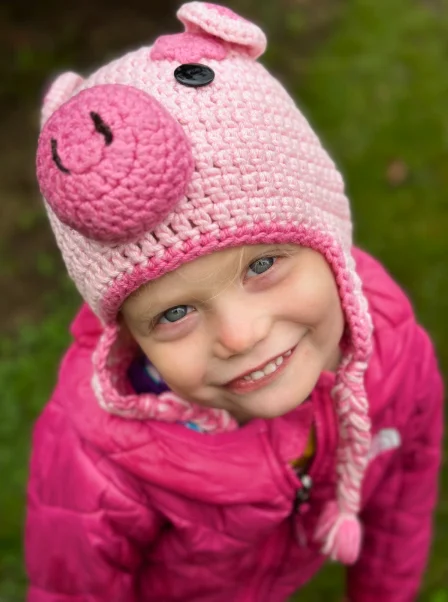
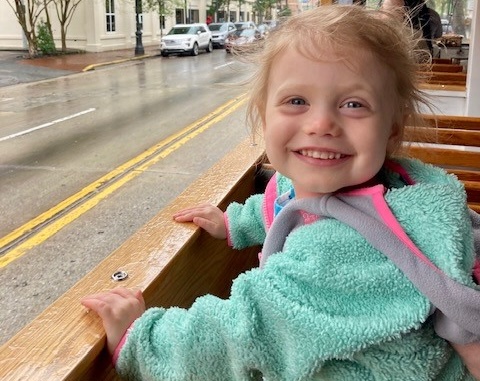
The landscape of pediatric oncology is witnessing a transformative shift as targeted immunotherapy and philanthropic partnerships converge to address some of the most aggressive forms of childhood leukemia. For seven-year-old Ella, a survivor of a rare and historically lethal subtype of acute myeloid leukemia (AML) known as M7-AML, the transition from a terminal prognosis to a thriving childhood represents more than a personal victory; it serves as a proof of concept for a new model of medical research. Diagnosed at an age when the statistical probability of reaching her third birthday was minimal, Ella’s progression into elementary school, soccer, and dance classes highlights the critical role of specialized research funded outside the traditional pharmaceutical pipeline. This evolution in care is now being formalized through the creation of the Pediatric AML Collaborative, an initiative led by the Children’s Cancer Research Fund (CCRF) to bridge the gap between laboratory discovery and clinical application for the nation’s most vulnerable patients.
Understanding M7-AML and the Challenges of Pediatric Leukemia
Acute myeloid leukemia is a cancer of the blood and bone marrow characterized by the rapid growth of abnormal myeloid cells. While pediatric AML as a whole has seen improvements in survival rates over the last three decades, specific subtypes remain notoriously difficult to treat. M7-AML, or acute megakaryoblastic leukemia, is one such subtype. It is frequently associated with specific genetic translocations and is known for its aggressive nature and high rate of relapse following standard chemotherapy.
For decades, the standard of care for pediatric AML has relied heavily on intensive chemotherapy and, in many cases, bone marrow transplantation. While these treatments can be effective, they are also highly toxic, often resulting in long-term side effects including cardiotoxicity, secondary cancers, and developmental delays. The challenge for researchers like Dr. Soheil Meshinchi at the Fred Hutchinson Cancer Center in Seattle has been to identify a "Holy Grail" of therapy: a treatment that is both more effective at eradicating cancer cells and significantly less damaging to the child’s developing body.
The Meshinchi Lab and the Evolution of Targeted Immunotherapy
Long before Ella’s diagnosis, Dr. Meshinchi was investigating the molecular landscape of AML to identify specific targets that exist on cancer cells but not on healthy tissue. This search for "targets" is the foundation of modern immunotherapy. In the case of Ella’s specific subtype, the research focused on a revolutionary "one-and-done" treatment. Unlike traditional chemotherapy, which requires multiple rounds of systemic toxins, this therapy is designed to activate the patient’s own immune system to recognize and destroy leukemia cells with surgical precision.
The mechanism involves identifying a protein or marker unique to the M7-AML cells. Once identified, researchers can engineer treatments—such as CAR-T cell therapy or monoclonal antibodies—that act as a homing beacon for the immune system. This approach offers the potential for a single, definitive treatment course that eliminates the need for years of debilitating hospital stays. However, moving such a discovery from a Petri dish in Seattle to a pediatric patient in a clinical setting requires a level of financial and logistical support that the current medical economy often fails to provide.
The Economic "Valley of Death" in Rare Disease Research
One of the most significant hurdles in pediatric cancer research is the lack of commercial incentive for large pharmaceutical companies. Because the number of children diagnosed with specific subtypes like M7-AML is relatively small, the potential for a high return on investment is limited. This creates what researchers call the "Valley of Death," a phase where promising laboratory science stalls because there is no funding to transition into human clinical trials.
Dr. Meshinchi noted that since the annual patient population for this specific kind of AML is so small, traditional drug companies often show little interest. This leaves the burden of funding on federal grants, which are highly competitive and often favor broader research, or on private philanthropy. In Ella’s case, her family recognized that her survival depended on research that was currently underfunded. By partnering with the Children’s Cancer Research Fund, they were able to raise over $1.3 million. This infusion of capital was not merely a donation; it was the catalyst that allowed Dr. Meshinchi’s team to finalize their data and meet the rigorous requirements for a clinical trial.
Chronology of a Medical Milestone: From Lab to Patient
The timeline of this breakthrough reflects years of incremental progress followed by a rapid acceleration once funding was secured.
- Pre-2018: Dr. Meshinchi’s lab at Fred Hutchinson Cancer Center conducts foundational research on the genetic markers of M7-AML, identifying potential targets for immunotherapy.
- 2018–2020: Ella is diagnosed with M7-AML. As her family seeks out the most advanced treatments, they connect with Dr. Meshinchi’s work, realizing that his "one-and-done" therapy could be her only hope if she were to suffer a relapse.
- 2021–2023: The partnership between Ella’s family and CCRF intensifies. Fundraising efforts reach the $1.3 million mark, providing the necessary resources to move the research into the clinical trial preparation phase.
- 2024: CCRF leverages its national network to coordinate with other foundations and families, ensuring that the infrastructure for a multi-center trial is in place.
- April 2025: The clinical trial officially enrolls its first pediatric patient, marking a historic moment in the treatment of rare AML subtypes.
This timeline demonstrates that while the science may take decades to mature, the transition to clinical application can be achieved in "record time" when financial roadblocks are removed.

The Role of the Children’s Cancer Research Fund (CCRF)
The Children’s Cancer Research Fund has evolved from a traditional grant-making organization into a strategic coordinator of pediatric oncology efforts. Recognizing that individual families cannot be expected to fund entire clinical trials on their own, CCRF provides the organizational "glue" necessary to sustain long-term research.
For Dr. Meshinchi’s trial, CCRF did more than just provide a platform for fundraising. They connected the lab with a network of committed donors and helped navigate the complex regulatory environment required to launch a national trial. This support system ensures that when a researcher makes a breakthrough, there is a ready-made pathway to bring that discovery to the bedside. This model is now being scaled through the launch of a new, national initiative.
Launching the Pediatric AML Collaborative
The success of the funding model used for Dr. Meshinchi’s research has led to the creation of the Pediatric AML Collaborative. This is a national collective designed to unify the efforts of families, clinicians, researchers, and foundations. The collaborative aims to solve the systemic issues that plague childhood cancer research:
- Data Centralization: Currently, data on rare cancers is often siloed within individual institutions. The collaborative will facilitate the sharing of genomic data and treatment outcomes to accelerate discovery.
- Sustained Funding Streams: By pooling resources from multiple foundations and families, the collaborative ensures that research does not stall when a single donation drive ends.
- Streamlined Clinical Trials: The collaborative will work to standardize the process for launching multi-center trials, making it easier for children across the country to access experimental treatments regardless of their geographic location.
- Advocacy and Awareness: By presenting a united front, the collaborative can better advocate for federal policy changes that incentivize the development of "orphan drugs" for pediatric populations.
Analysis of Implications for the Future of Oncology
The implications of Ella’s story and the formation of the Pediatric AML Collaborative extend far beyond a single case of leukemia. It represents a shift toward "precision medicine," where treatment is tailored to the genetic profile of the individual patient’s tumor.
Furthermore, this movement highlights a growing trend in "venture philanthropy," where donors act more like investors in medical outcomes than passive contributors. By targeting specific "un-fundable" gaps in the research pipeline, these organizations are effectively de-risking the science for future commercial or federal investment. If the "one-and-done" immunotherapy proves successful in wider trials, it could set a new standard for how all pediatric cancers are treated—prioritizing the long-term quality of life and biological integrity of the child.

Conclusion: A New Paradigm for Survival
As Ella continues to meet developmental milestones that once seemed impossible, her journey serves as a reminder of the stakes involved in pediatric research. The "miracle" her mother describes is, in reality, the result of decades of disciplined laboratory work, the courage of a family to advocate for their child, and a philanthropic infrastructure capable of turning $1.3 million into a life-saving clinical trial.
The enrollment of the first patient in the April 2025 trial is a significant victory, but the work of the Pediatric AML Collaborative is only beginning. By removing the financial and bureaucratic roadblocks that have historically slowed progress, the medical community is moving closer to a future where a diagnosis of M7-AML is no longer a terminal sentence, but a manageable condition met with precise, effective, and compassionate care. The goal remains clear: to ensure that every child, regardless of the rarity of their disease, has the opportunity to skip to the car after dance class, just like Ella.
