
 By admin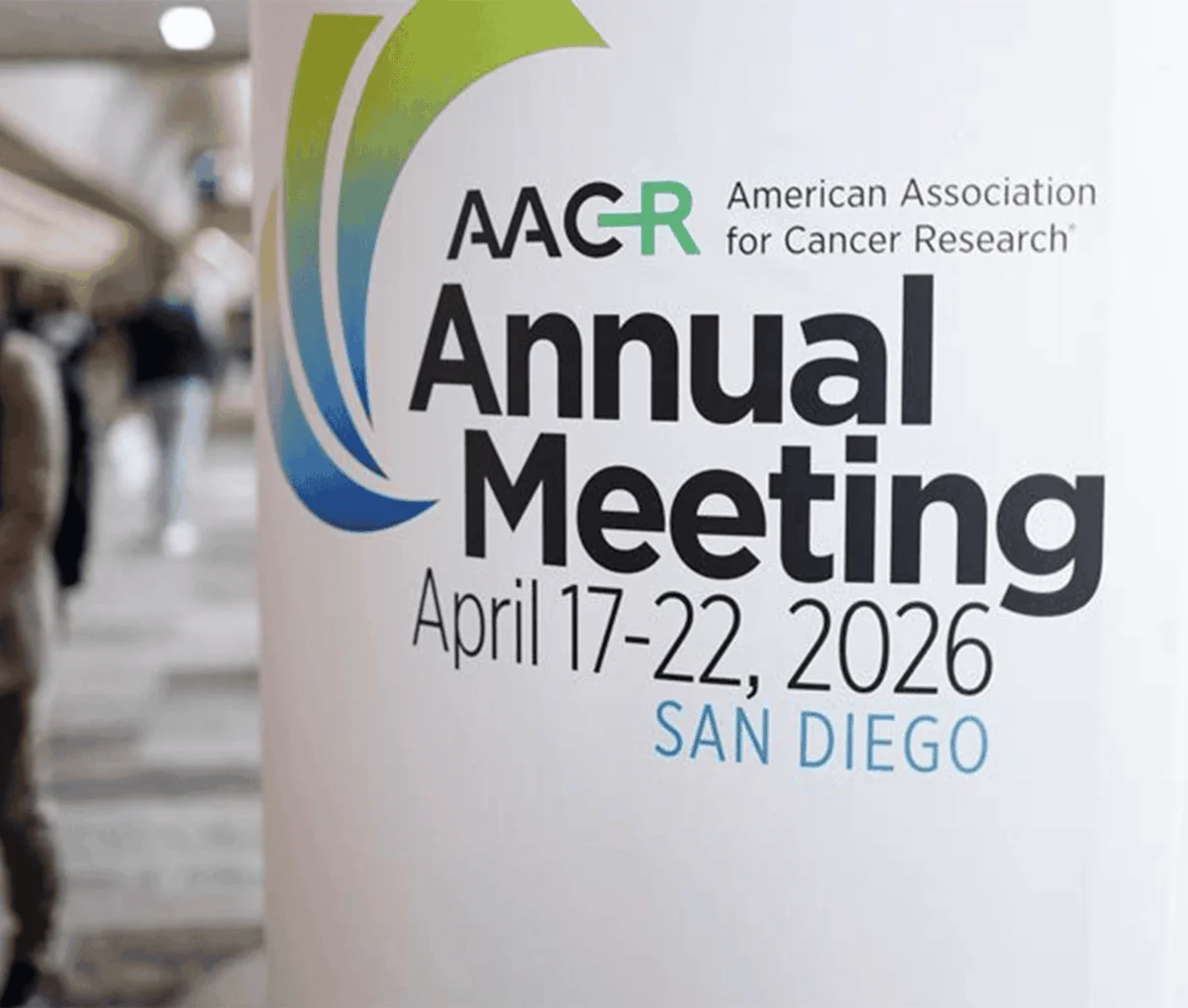
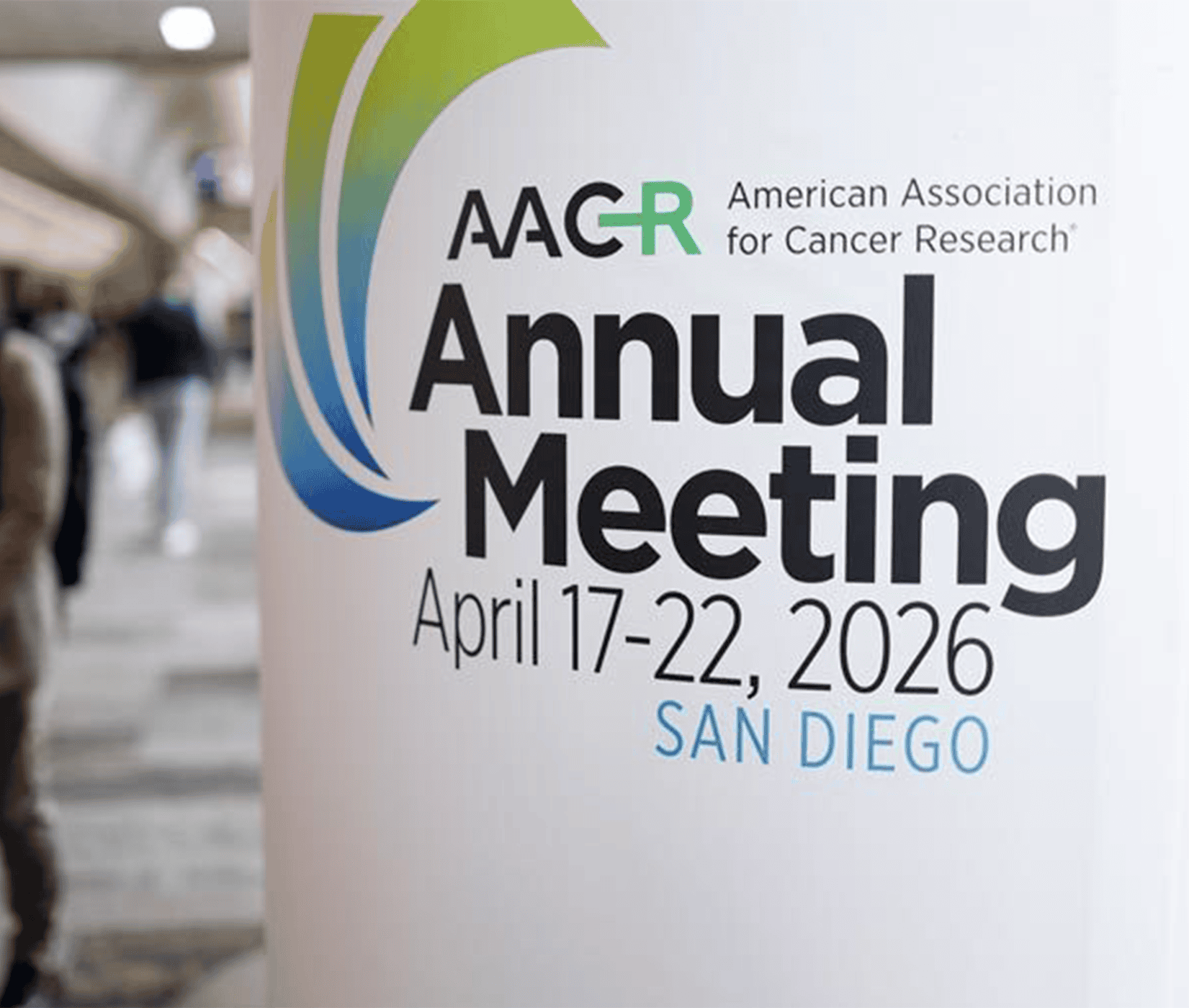
The 2026 American Association of Cancer Research (AACR) Annual Meeting, held in San Diego from April 17-22, served as a critical nexus for the global oncology community, illuminating the profound evolution underway in cancer research. This year’s gathering underscored a pivotal shift: progress is no longer merely incremental but increasingly driven by the synergistic convergence of breakthroughs in fundamental biology, cutting-edge technology, and responsive policy frameworks. This integrated approach is fundamentally reshaping our understanding of disease, accelerating the development of novel treatments, and streamlining their journey from laboratory to patient care. The meeting’s diverse program, featuring thousands of presentations and discussions, coalesced around several overarching themes that signify the field’s trajectory towards more comprehensive, precise, and equitable cancer solutions.
AACR 2026: A Confluence of Innovation and Collaboration
The AACR Annual Meeting is one of the most significant events in the cancer research calendar, bringing together scientists, clinicians, industry leaders, and patient advocates from around the world. Founded in 1907, the AACR has historically championed the advancement of cancer science through research, education, communication, and collaboration. The 2026 meeting continued this tradition, providing a vital platform for the dissemination of the latest findings, fostering interdisciplinary dialogue, and setting the agenda for future research priorities. The atmosphere in San Diego was charged with the collective ambition to translate scientific discovery into tangible improvements in patient outcomes, reflecting a global consensus on the urgency of the cancer challenge. The sheer volume of data presented—from preclinical studies to late-stage clinical trials—highlighted the vibrant pace of innovation, yet it was the emphasis on how these disparate elements are being woven together that truly defined the meeting’s character.
Deciphering Cancer as an Integrated Biological System
A dominant intellectual current at AACR 2026 was the reinforced understanding of cancer not as an isolated cluster of aberrant cells, but as a dynamic and intricate biological system. This expanded view moves beyond a solely tumor-centric perspective to encompass the complex interplay of the tumor microenvironment (TME). Research presented extensively explored how various components—including immune cells, surrounding stromal tissue, metabolic pathways, and even the gut microbiome—engage in a sophisticated biological dialogue that profoundly influences tumor initiation, progression, and response to therapy.
One particularly compelling area of inquiry centered on the role of the nervous system within the TME. Historically, nerves were often considered passive elements, yet emerging evidence presented at the meeting demonstrated their active participation in shaping tumor behavior. Nerve signals, for instance, can modulate immune responses, potentially dampening anti-tumor activity and contributing to therapeutic resistance. This novel neuro-oncological perspective adds another layer of complexity to understanding why certain tumors remain recalcitrant to standard treatments. Furthermore, in specific tumor types, the invasion of cancer cells into nerve structures—a phenomenon known as perineural invasion—is now emerging as a potential prognostic biomarker, predicting not only disease aggressiveness but also the likelihood of response to immunotherapeutic interventions. This deeper understanding of the systemic nature of cancer, encompassing distant biological influences, is paving the way for more holistic diagnostic and therapeutic strategies.
Immunotherapy’s Evolution: From Broad Activation to Precision Targeting
Immunotherapy, once a promising but nascent field, has unequivocally transformed the landscape of cancer care. Its initial breakthroughs, which earned the Nobel Prize in Physiology or Medicine in 2018 for checkpoint blockade discoveries, unleashed the immune system’s power against cancer. The AACR 2026 meeting showcased the field’s ongoing evolution, signaling a mature shift from broad immune activation towards highly precise and predictable approaches. The focus is now firmly on identifying the right patients, targeting specific tumor features, and modulating immune pathways at optimal junctures to maximize efficacy and minimize toxicity.
A significant portion of the immunotherapy discussions centered on unraveling the mechanisms behind immune response failure. Even in the presence of immune cells within the TME, tumors possess sophisticated strategies to create an immunosuppressive milieu, pushing these cells into a state of dysfunction or exhaustion. Presentations detailed how researchers are characterizing these dysfunctional states, reframing therapeutic resistance not as an insurmountable barrier but as a dynamic, potentially reversible condition. This understanding is critical for designing next-generation combination therapies that can reactivate exhausted immune cells or overcome suppressive signals.
Cell therapies, particularly chimeric antigen receptor (CAR) T-cell therapy, continued to be a focal point, demonstrating the profound potential of engineered immune-based approaches. While CAR T-cells have achieved remarkable success in certain hematological malignancies like lymphomas and leukemias, their application to solid tumors has remained a formidable challenge due to issues like antigen heterogeneity, the immunosuppressive TME, and trafficking limitations. The AACR-ASCO Joint Session, a highlight of the meeting, provided updates on ongoing efforts to overcome these hurdles. Next-generation CAR T-cell designs, including those incorporating "armored" features for enhanced persistence, novel targeting strategies for improved specificity, and built-in safety switches, were extensively discussed. These innovations aim to improve durability, targeting precision, and safety profiles, expanding the reach of this transformative therapy to a broader spectrum of cancers.
Beyond treating established disease, immunotherapy is also making strides in the realm of cancer prevention. A groundbreaking study presented at AACR 2026, led by investigators at The University of Texas MD Anderson Cancer Center, demonstrated the potential of direct intralesional injection of nivolumab (Opdiv®), a PD-1 checkpoint inhibitor, in oral precancerous lesions. The study reported an average reduction in lesion size of 60%, with over 80% of treated lesions remaining cancer-free after one year. This represents a paradigm shift, offering a less invasive intervention than traditional surgical approaches, thereby preserving function and significantly enhancing patients’ quality of life while mitigating the risk of progression to invasive cancer.
The meeting also celebrated progress beyond immunotherapeutic modalities. Therapies specifically targeting tumors driven by KRAS mutations, once famously deemed "undruggable" due to the protein’s complex structure and lack of clear binding pockets, are now showing promising results. KRAS mutations are among the most common oncogenic drivers in human cancers, particularly prevalent in pancreatic (up to 90% of cases) and lung adenocarcinomas (around 30%). Data presented by companies such as Revolution Medicines highlighted novel small molecule inhibitors capable of targeting specific KRAS variants, offering new possibilities for patients with some of the most challenging and aggressive diseases. These advancements represent a testament to decades of persistent research and structural biology efforts.
Further insights into the evolving clinical landscape were provided by CRI Research Scientist Fahad Benthani, PhD. His comprehensive analysis of over 24,000 global immunotherapy trials revealed significant trends, including an increasing diversity in therapeutic approaches, a surge in combination strategies, and a sophisticated shift in how biomarkers are being utilized to guide drug development and patient selection. This data-driven perspective is crucial for optimizing future clinical trial designs and accelerating the delivery of effective treatments to the right patients.
[Embed YouTube video: https://www.youtube.com/embed/N0v1FdyRTlo?rel=0]
Technological Enablers: Fueling Discovery and Accelerating Development
While biological insights and therapeutic innovations form the core of cancer research, it is the rapid evolution of technology that acts as the indispensable accelerant, enabling discovery and development at unprecedented scales and speeds. AACR 2026 showcased how technological advancements are not just supporting research but actively driving its frontiers.
Artificial intelligence (AI) and machine learning (ML) have permeated nearly every stage of the research pipeline, from foundational drug discovery to intricate clinical trial design. AI algorithms are now capable of rapidly analyzing vast datasets—genomic, proteomic, imaging, and clinical—to identify subtle patterns and correlations that would be imperceptible to human analysis. This capability significantly speeds up target identification, lead compound optimization, and even the prediction of drug toxicity and efficacy. In clinical trials, AI assists in optimizing patient stratification, predicting responders, and monitoring adverse events, leading to more efficient and personalized trials. The consistency and speed offered by AI promise to dramatically shorten the drug development timeline, bringing therapies to patients faster.
Concurrently, new platforms from companies like 10x Genomics are revolutionizing our ability to interrogate tumors at an unparalleled resolution. These spatial transcriptomics and single-cell sequencing technologies allow researchers to analyze gene expression profiles and cellular heterogeneity at the individual cell level, critically, within their native tissue context. This spatial dimension is paramount for understanding the complex interactions between cancer cells, immune cells, and stromal components within the tumor microenvironment—a crucial factor in predicting treatment response and resistance. These technologies provide a "molecular map" of the tumor, revealing intricate cellular ecosystems that were previously inaccessible.
The meeting also highlighted significant progress in developing more physiologically relevant disease models. Traditional two-dimensional cell cultures and simplified animal models often fail to accurately mimic the complexity of human cancer, leading to high attrition rates in drug development. New experimental models, such as organoids (three-dimensional cell cultures derived from patient tumors that retain much of the original tumor’s architecture and function) and patient-derived xenografts (PDX models, where human tumor tissue is engrafted into immunocompromised mice), are emerging as powerful tools. These models, complemented by sophisticated computational approaches, offer a more predictive platform for evaluating drug candidates, potentially reducing the need for extensive animal testing and making research outcomes more translatable to human patients.
Policy and Infrastructure: Scaling Progress for Global Impact
Even amidst the exhilarating pace of scientific and technological advancement, the AACR 2026 meeting brought into sharp focus the enduring structural challenges that dictate how—and how quickly—innovations reach patients globally. Discussions during the AACR Researcher Town Hall underscored pervasive concerns regarding the persistent uncertainty in federal research funding, particularly in the United States, which remains a primary engine of biomedical discovery. This unpredictability creates instability for long-term projects and early-career investigators, threatening the continuity of critical research programs. Furthermore, the increasing global competition in scientific innovation necessitates robust and sustained investment to maintain leadership in cancer research.
Clinical trials, the indispensable bridge between laboratory discovery and clinical practice, sit at the very heart of these infrastructural challenges. Despite their critical role in validating new therapies, they remain notoriously slow to launch, often burdened by complex regulatory requirements, and difficult for many patients to access. This creates a significant bottleneck, delaying potentially life-saving treatments.
A compelling poster presentation by CRI’s Director of Strategic Programs, Cynthia Neben, PhD, elucidated both the magnitude of this challenge and the substantial opportunity for improvement. Her work highlighted that efforts aimed at enhancing access to clinical trials and streamlining patient enrollment could dramatically expand participation. This expansion is not merely about numbers; it is about ensuring that the benefits of immunotherapeutic and other advanced cancer treatments reach a diverse patient population, representing the real-world demographics of cancer patients. Strategies discussed included decentralized trial models, community-based outreach programs, and simplified trial protocols to reduce patient burden and increase geographic accessibility. Improving clinical trial infrastructure and access is not just an operational goal; it is an ethical imperative to ensure equitable access to the latest advancements.
[Embed YouTube video: https://www.youtube.com/embed/bZYp-jDN_J0?rel=0]
Looking Ahead: From Isolated Discoveries to Integrated Solutions
The overarching and undeniable message emanating from AACR 2026 is a clarion call for integration. The future of cancer research lies not in isolated breakthroughs within single disciplines, but in the sophisticated convergence and synergy of biology, technology, and policy. This holistic approach is essential to translate scientific insights into real-world impact—to improve patient lives, extend survival, and ultimately, conquer cancer.
This paradigm shift is a testament to the tireless efforts of a vast, interconnected community of researchers. The Cancer Research Institute (CRI) network, a global force in immunotherapy research, was prominently represented at this year’s meeting, with its members contributing foundational findings across basic immunology, pioneering translational science, and innovative clinical research. Their work exemplifies the collaborative spirit necessary to tackle such a complex disease.
The scientific advancements continue at an exhilarating pace. The current opportunity, and indeed the urgent imperative, is to ensure that this progress reaches patients not only faster but also more equitably and with unprecedented precision. This demands a concerted effort from all stakeholders—scientists pushing the boundaries of knowledge, technologists developing transformative tools, policymakers creating supportive environments, and patient advocates ensuring that the patient voice remains central.
The path forward is no longer solely about discovering what is scientifically possible. It is about making those possibilities work effectively, efficiently, and equitably in practice, ensuring that the promise of integrated cancer research becomes a reality for every patient.
Sources
- American Association for Cancer Research (AACR) Annual Meeting 2026 Official Proceedings.
- Presentations and Abstracts from The University of Texas MD Anderson Cancer Center.
- Research findings from Cancer Research Institute (CRI) Research Scientist Fahad Benthani, PhD, and Director of Strategic Programs, Cynthia Neben, PhD.
- Data from Revolution Medicines.
- Information on 10x Genomics platforms.
- Immunotherapy and biomarker definitions from Cancer Research Institute Immunoglossary.
