
 By admin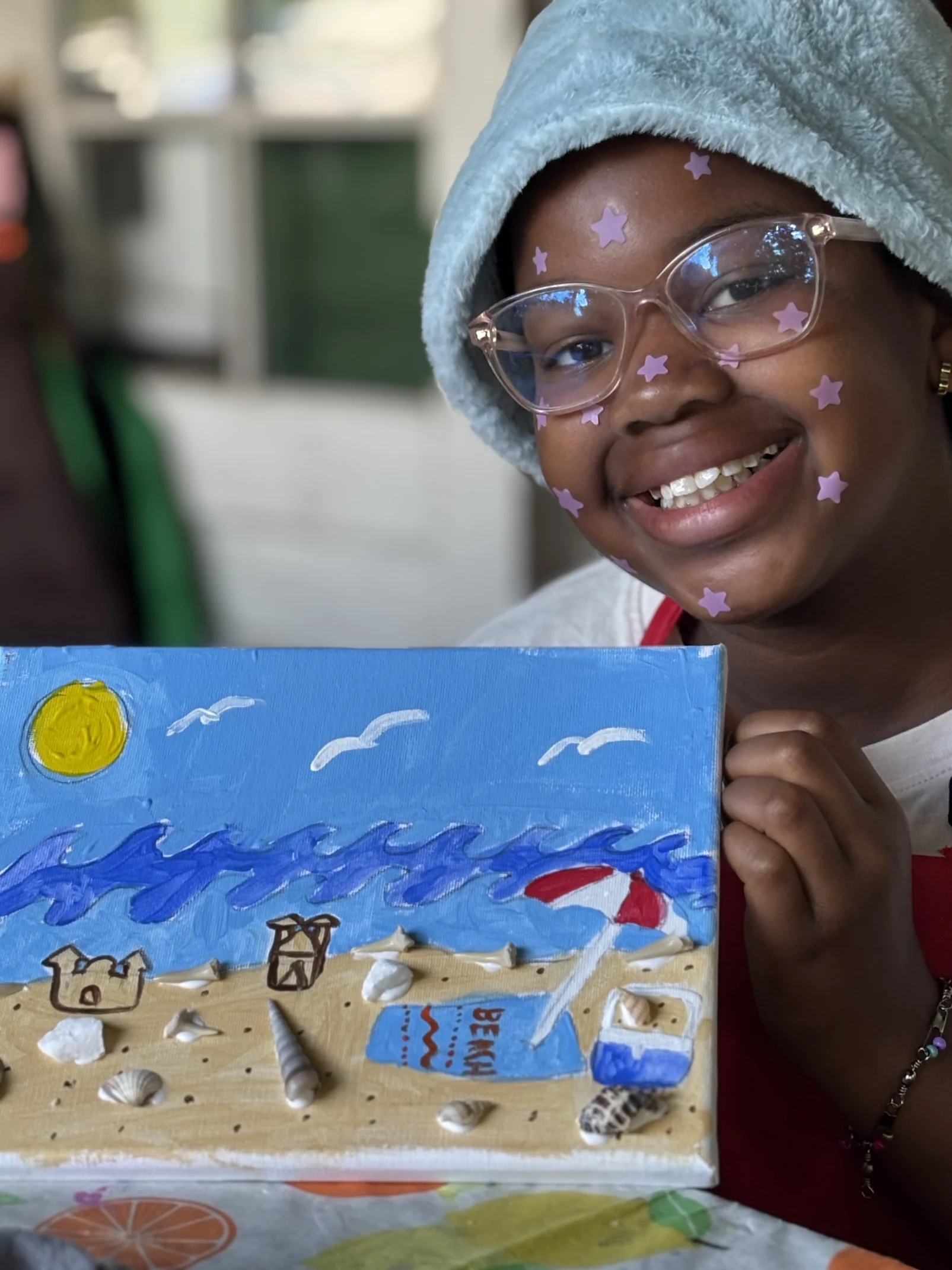
In the bedroom of ten-year-old Valerie, a piece of custom artwork hangs as a definitive statement of identity, serving as a visual manifesto for a child who refused to let a life-threatening diagnosis dictate her future. For Valerie, known to her friends and family as Val, the piece is more than an aesthetic contribution to her walls; it is a reframing of a traumatic experience. After a grueling battle with Hodgkin lymphoma, Val has utilized her natural creativity—expressed through drawing, dancing, and playing the cello—to reclaim a narrative that cancer attempted to overwrite. Her journey from a high-stakes medical diagnosis to her current role as a celebrated ambassador for the Children’s Cancer Research Fund (CCRF) highlights the intersection of cutting-edge pediatric oncology and the profound power of psychological resilience.
From Nigeria to a Life-Altering Diagnosis
The trajectory of Valerie’s life shifted significantly when she and her mother, Adaora, relocated from Nigeria to the United States. Settling in a region often referred to as a "cheese capital" of the world—a nod to the heavy dairy industry of the American Midwest—the family initially attributed Valerie’s emerging physical discomfort to dietary adjustments. When Valerie began experiencing intermittent stomach pain, the initial suspicion leaned toward dairy intolerance or a minor gastrointestinal issue. However, the situation escalated as the pain intensified and secondary symptoms began to manifest.
Adaora, a medical doctor by profession, possessed the clinical intuition to recognize that her daughter’s condition transcended common pediatric ailments. The transition from maternal concern to clinical urgency led to a series of diagnostic tests that eventually revealed a sobering reality: Valerie had Hodgkin lymphoma. While Hodgkin lymphoma is one of the most treatable forms of pediatric cancer, it remains a rare diagnosis for a child of Valerie’s age, as the disease more commonly appears in adolescents and young adults between the ages of 15 and 19.
The Clinical Landscape of Pediatric Hodgkin Lymphoma
Hodgkin lymphoma is a malignancy of the lymphatic system, which is a vital part of the body’s immune network. In Valerie’s case, her treatment plan represented the vanguard of modern pediatric oncology. Historically, cancer treatment relied heavily on aggressive chemotherapy and high-dose radiation. While effective at eradicating tumors, these methods often left young survivors with "late effects," including secondary cancers, cardiovascular disease, and reproductive issues later in life.

Valerie’s medical team opted for a sophisticated regimen that combined traditional chemotherapy with immunotherapy. This dual approach is the result of decades of research funded by organizations like the CCRF, aimed at maintaining high cure rates while drastically reducing long-term toxicity. Immunotherapy works by "unmasking" cancer cells, allowing the patient’s own immune system to recognize and destroy the malignancy more effectively. Today, thanks to these advancements, the five-year survival rate for children diagnosed with Hodgkin lymphoma is approximately 95%. Despite these favorable statistics, the immediate reality of the treatment remains a significant physical and emotional burden for any child.
Psychological Agency and the "BALD" Manifesto
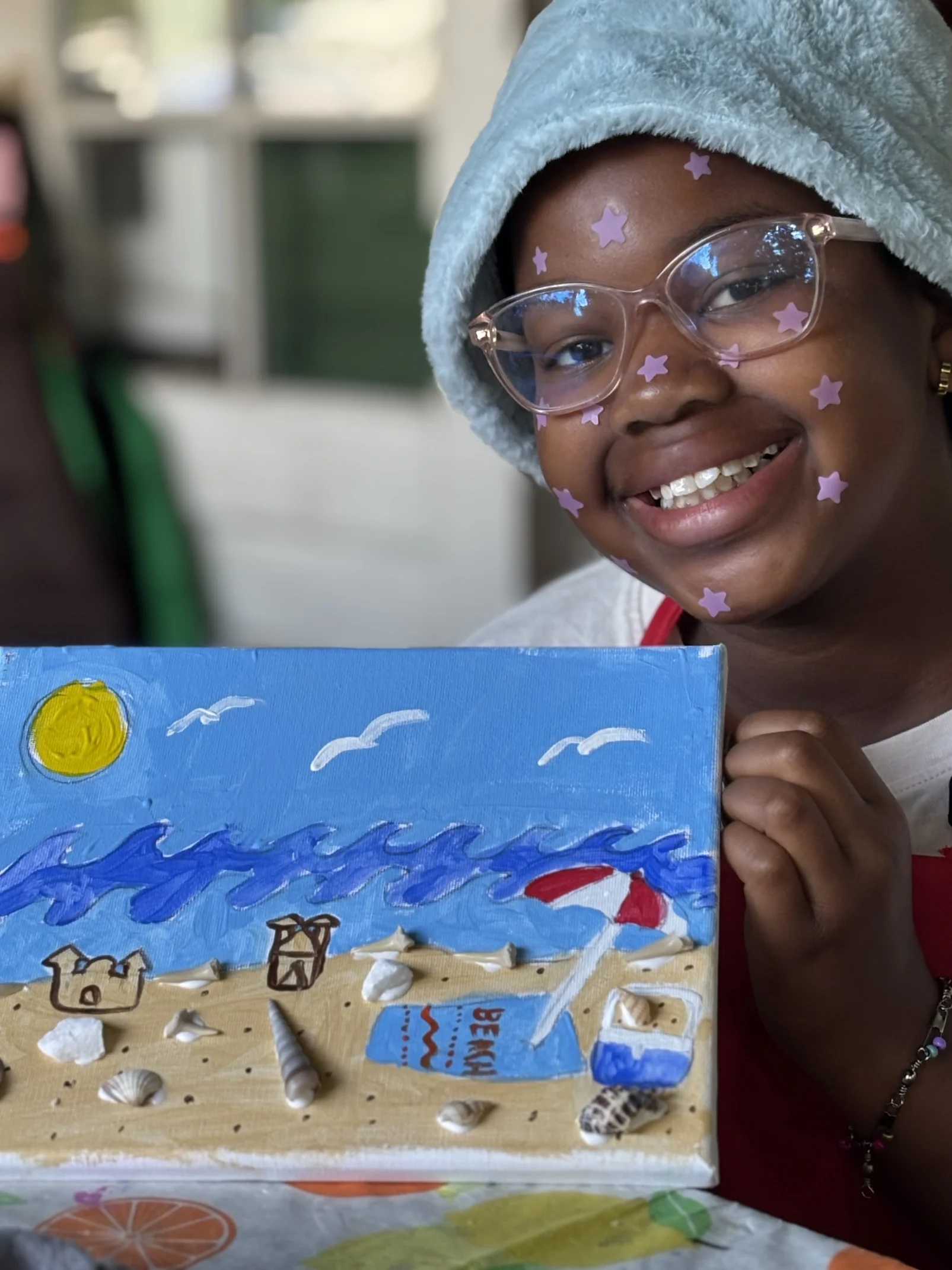
One of the most visible and emotionally taxing side effects of Valerie’s treatment was the loss of her hair. For many pediatric patients, alopecia serves as a constant, public reminder of their illness, often leading to a loss of confidence and a sense of isolation. Valerie, however, chose to engage with this change through her creative lens. She produced an artwork titled "BALD," which functioned as a declaration of strength rather than a lament of loss. By transforming a symptom into a symbol of "conquering anything," Valerie exercised a form of psychological agency that experts suggest is crucial for long-term recovery in pediatric patients.
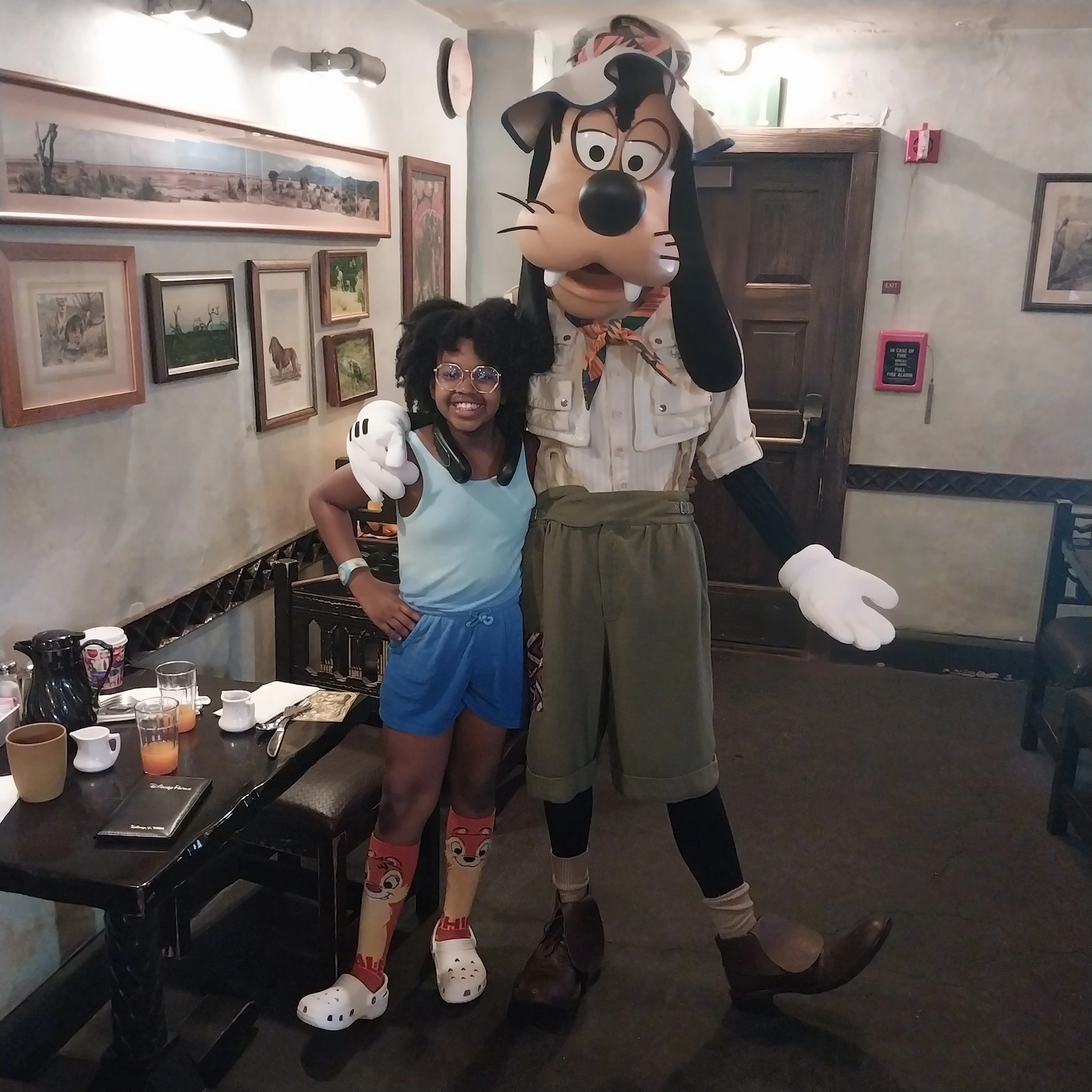
Throughout her treatment, Valerie maintained a commitment to her pre-diagnosis life. She attended school whenever her energy levels permitted and continued to participate in dance, a medium she uses to express the stories of her imagination. This persistence was bolstered by a robust community support system. In a display of communal solidarity, friends and neighbors surrounded Valerie and Adaora with a network of support, providing meals and constant communication to mitigate the isolation that often accompanies intensive medical treatment.
The Role of the Children’s Cancer Research Fund
The successful outcome of Valerie’s case is inextricably linked to the work of the Children’s Cancer Research Fund (CCRF). Based in Minneapolis, the CCRF is a national non-profit organization dedicated to closing the funding gap in pediatric cancer research. While adult cancers receive significant federal funding and private investment, pediatric cancer research is frequently underfunded, leaving many rare childhood cancers with few specialized treatment options.
The CCRF focuses on three primary pillars:
- Discovery: Funding high-risk, high-reward research that leads to breakthroughs in how childhood cancers are treated.
- Health Disparities: Addressing the inequities in cancer outcomes among different socioeconomic and ethnic groups.
- Survivor Support: Researching and implementing programs to help children navigate the "late effects" of treatment and thrive into adulthood.
Valerie’s transition from patient to survivor was facilitated by the very protocols the CCRF helps develop. Her ability to undergo a treatment that spared her from the most debilitating side effects of 20th-century oncology is a direct result of the clinical trials and research initiatives supported by donors and advocates.
Glamorama: A Legacy of Philanthropy and Fashion
As Valerie celebrates her status as cancer-free, she has taken on a high-profile role as an ambassador for the return of Glamorama. This iconic event, which blends high fashion, music, and performance art, has a long-standing history of benefiting the CCRF. For decades, Glamorama served as a premier fundraising vehicle, raising millions of dollars for pediatric cancer research through ticket sales, sponsorships, and live auctions.
The return of the production marks a significant moment for the Twin Cities philanthropic community. Valerie is one of five ambassadors selected to represent the face of the cause. Her involvement goes beyond mere representation; she is actively participating in the creative collaboration that brings the production to life. By integrating survivors like Valerie into the fabric of the event, Glamorama shifts the focus from the tragedy of the diagnosis to the triumph of the individual. The event serves as a platform to demonstrate that research does more than just save lives—it preserves the childhoods and the creative potential of patients.
Analysis of Implications for Pediatric Oncology
Valerie’s story serves as a case study for several broader trends in the medical and social landscape of pediatric health. First, it underscores the importance of "de-escalation" in cancer treatment—the medical philosophy of using the minimum amount of toxic intervention necessary to achieve a cure. As survival rates for pediatric cancers continue to climb, the focus of the medical community has shifted toward the quality of life for survivors.
Second, Valerie’s journey highlights the critical role of parental advocacy and professional intuition. The fact that Adaora’s medical background prompted a faster diagnostic pivot likely contributed to the timely initiation of Valerie’s treatment. This emphasizes the need for increased public awareness regarding the early signs of pediatric malignancies, which can often mimic less serious illnesses.
Finally, the success of community-funded research models like the CCRF suggests a shift in how medical progress is achieved. With federal funding for pediatric-specific trials often lagging behind adult oncology, private philanthropy has become the lifeblood of innovation. Events like Glamorama are not merely social gatherings; they are essential economic engines that drive the development of the next generation of therapies.
Looking Forward: A Future Defined by Thriving
Today, Valerie is no longer defined by the protocols of the oncology ward. She has returned to her cello, her dance classes, and her social circles with a renewed sense of purpose. Her role as an ambassador for the CCRF and Glamorama provides a bridge between her personal experience and a broader mission to ensure that other children have access to the same life-saving innovations she received.
As tickets for the Glamorama event continue to sell at a rapid pace, the focus remains on the tangible impact of these funds. For Valerie, the "BALD" artwork in her room remains a permanent fixture—not as a reminder of a struggle, but as a trophy of a battle won. Her story stands as a powerful reminder that while cancer may attempt to define a child, the combination of medical excellence, creative resilience, and community support can ensure that the child always has the final word.
