
 By admin
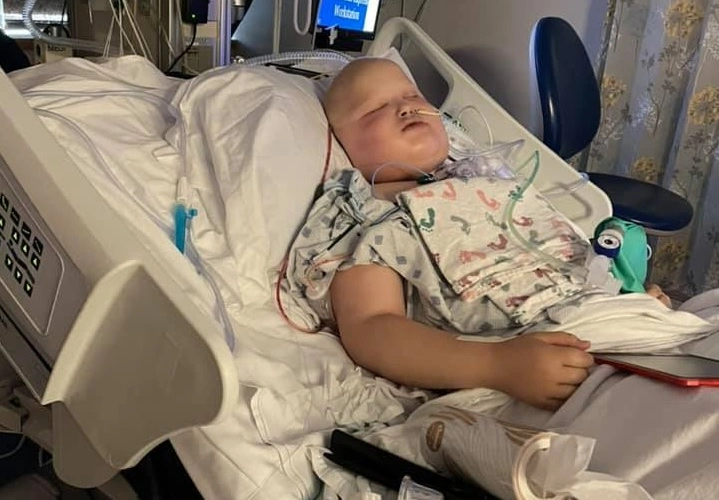
What began as a routine trip to the dentist for a suspected impacted tooth rapidly escalated into a life-altering medical emergency for nine-year-old Fritz and his parents, Erika and Joe. During the examination, the dentist identified a suspicious mass in the child’s jaw, prompting an immediate referral to a local hospital. Upon arrival at the emergency room, the gravity of the situation became clear as medical staff bypassed the standard waiting procedures. Erika recalled the unsettling speed of the intake, noting that the immediate attention from multiple specialists served as an early indicator of a severe underlying condition. Fritz was quickly scheduled for a CT scan and a biopsy to determine the nature of the growth.
The diagnostic process was fraught with complications. Due to the highly vascular nature of the tumor, the biopsy resulted in significant internal bleeding, causing Fritz to lose nearly a liter of blood. The emergency required an immediate blood transfusion to stabilize his condition. Following the procedure, pathology results confirmed a diagnosis of Ewing sarcoma, a rare and aggressive form of primary bone cancer. This diagnosis marked the beginning of an intensive, multi-year medical journey that would involve radical surgery, toxic chemotherapy regimens, and a complex series of reconstructive procedures.
The Clinical Challenges of Rare Ewing Sarcoma Presentations
Ewing sarcoma is a malignancy that primarily affects children and young adults, typically manifesting in the long bones of the legs or arms, or within the pelvis. According to the American Cancer Society, Ewing sarcoma accounts for approximately 1% of all childhood cancers, with roughly 200 to 250 cases diagnosed annually in the United States. However, Fritz’s case was exceptionally rare. His tumor originated in the jaw, a presentation that occurs in less than 1% of all Ewing sarcoma cases. This statistical rarity placed Fritz in a category often referred to by oncologists as "the rarest of the rare," necessitating a highly specialized and aggressive treatment plan.
The rarity of the location presented unique surgical and oncological challenges. Because the tumor was located in the facial structure, doctors had to balance the necessity of complete tumor resection with the preservation of vital functions, including breathing, swallowing, and speech. The medical team determined that a comprehensive approach involving systemic chemotherapy and radical surgery was the only viable path forward.

A Chronology of Treatment: From "Red Devil" to Jaw Reconstruction
Fritz’s treatment protocol was grueling, beginning with months of systemic chemotherapy. Among the drugs administered was Doxorubicin, a potent chemotherapy agent often referred to in clinical settings as the "Red Devil." This moniker stems from the drug’s distinct bright red color and its notorious level of toxicity. While highly effective at killing cancer cells, Doxorubicin is known for its severe side effects, including potential long-term damage to the heart muscle (cardiotoxicity) and the suppression of the immune system.
Following the initial rounds of chemotherapy intended to shrink the tumor, Fritz underwent a massive surgical intervention. Surgeons removed more than two-thirds of his jawbone to ensure clear margins and prevent a recurrence of the malignancy. To reconstruct his face, medical teams performed a fibula free flap procedure, which involved harvesting bone and vascular tissue from Fritz’s leg to create a new jaw. This complex microsurgery required the precise connection of tiny blood vessels to ensure the transplanted tissue remained viable.
The surgical journey did not end with the jaw reconstruction. Fritz also required a complex airway reconstruction surgery to ensure he could breathe independently following the structural changes to his face and neck. Throughout these procedures, Fritz remained under the care of a multidisciplinary team, including pediatric oncologists, maxillofacial surgeons, otolaryngologists, and intensive care specialists. Despite the physical toll of these interventions, his family noted that he maintained a resilient spirit, often using humor and pranks to navigate the isolation of long hospital stays.
The Long-Term Impact of Survival: Navigating "Late Effects"
While Fritz’s most recent scans show no evidence of disease (NED), the transition from active treatment to survivorship has introduced a new set of challenges known as "late effects." Pediatric cancer survivors often face lifelong health complications resulting from the very treatments that saved their lives. For Fritz, the shift from a healthy child to a patient requiring a complex pharmaceutical regimen was stark. Erika noted that her son transitioned from taking simple daily vitamins to requiring medications typically reserved for geriatric patients or those with chronic organ failure.
The toll of Ewing sarcoma treatment often includes:
- Endocrine Disruptions: Aggressive chemotherapy can impact growth hormones and thyroid function, necessitating lifelong monitoring by endocrinologists.
- Cardiovascular Risks: The use of anthracyclines like Doxorubicin increases the lifetime risk of heart failure.
- Secondary Malignancies: Survivors of Ewing sarcoma have a higher risk of developing secondary cancers later in life due to radiation and chemotherapy exposure.
- Structural and Dental Issues: Given the location of Fritz’s tumor, he faces ongoing challenges related to facial symmetry, dental alignment, and bone density in the reconstructed areas.
Currently, Fritz’s schedule remains dominated by medical oversight. He regularly attends "day-long" appointments where he rotates through various specialists, including sleep medicine doctors, surgeons, and oncologists. This reality underscores a growing concern in the pediatric oncology community: the "toxic trade-off" where survival comes at the cost of permanent physical impairment.
The Role of Private Philanthropy in Pediatric Research
Fritz’s story serves as a catalyst for a broader discussion regarding the funding of childhood cancer research. Despite being the leading cause of death by disease in children in the United States, pediatric cancer research receives a disproportionately small fraction of federal funding. The National Cancer Institute (NCI) allocates approximately 4% of its annual budget to childhood cancer research, with the vast majority of funding directed toward adult cancers such as lung, breast, and prostate cancer.
Because rare diseases like Ewing sarcoma do not offer the same "market incentives" for pharmaceutical companies as adult cancers, the development of new, less toxic treatments relies heavily on private philanthropy. Organizations like the Children’s Cancer Research Fund (CCRF) fill this critical gap. Fritz has been named the 2026 Ambassador for Glamorama, a major fundraising event dedicated to supporting CCRF’s mission.
The impact of such funding is already visible in the clinical landscape. Recent CCRF-funded research into Ewing sarcoma has contributed to the launch of new clinical trials focused on targeted therapies. Unlike traditional chemotherapy, which attacks all rapidly dividing cells, targeted treatments aim to interfere with the specific genetic mutations—such as the EWS-FLI1 fusion protein—that drive Ewing sarcoma growth. These advancements hold the promise of higher cure rates with significantly fewer long-term side effects for future patients.
Broader Implications and the Path Forward
The case of Fritz highlights the necessity of a community-driven approach to medical advancement. Joe, Fritz’s father, emphasized that progress in pediatric oncology is not inevitable but is the result of deliberate advocacy and financial support from the public. The goal of modern research is not merely to increase the five-year survival rate—which currently stands at approximately 70% for localized Ewing sarcoma—but to ensure that survivors can lead full, healthy lives free from the burden of chronic medical complications.
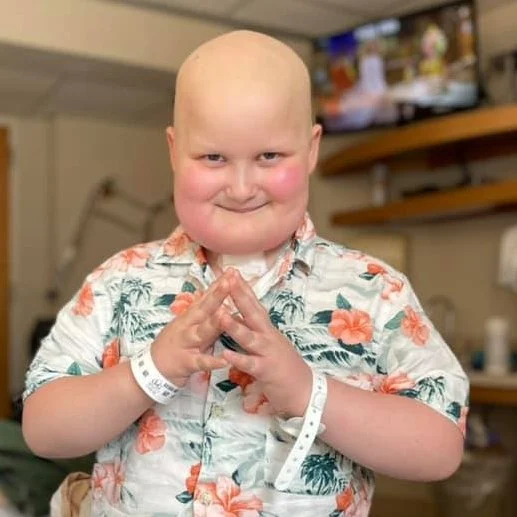
The transition of Fritz into his teenage years brings new developmental milestones, but also the continued reality of managing the side effects of his bone cancer treatment. His role as a Glamorama Ambassador is intended to put a human face on the statistics of childhood cancer, reminding donors that behind every research grant is a child fighting for a future.
As the medical community moves toward precision medicine, the data gathered from rare cases like Fritz’s becomes invaluable. By studying the rarest presentations of these diseases, researchers can gain a deeper understanding of tumor biology, leading to breakthroughs that may eventually apply to more common forms of cancer. For now, the focus remains on supporting the infrastructure of pediatric research and ensuring that children diagnosed with aggressive malignancies have access to the most advanced care possible. The message from the family and their advocates is clear: while the "red carpet" of the emergency room is a sight no parent wants to see, the support of a dedicated research community ensures that there is a path forward after the diagnosis.
