
 By admin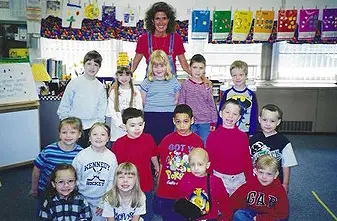
In the rugged terrain of Minnesota’s North Shore, a journey of 25.5 miles represents more than a physical challenge; it serves as a multi-decade bridge between past tragedy and future hope. This August, two women, Michele Benyo and Alicia, will navigate the demanding Superior Hiking Trail as part of the CureSearch Ultimate Hike. Their participation marks a significant milestone in a story that began in 1997, highlighting the enduring impact of pediatric cancer on families and communities, as well as the critical need for specialized medical research in the field of oncology.
The mission is centered on the memory of David Benyo, who was diagnosed with rhabdomyosarcoma at the age of four. While the hike is a testament to personal loss, it also functions as a platform to address the systemic challenges in pediatric cancer funding and treatment. As Alicia and Michele prepare for the 25.5-mile trek, their story underscores the lifelong bonds formed in the shadow of illness and the transformative power of turning grief into advocacy.
The Clinical Struggle: The Chronology of David Benyo’s Diagnosis
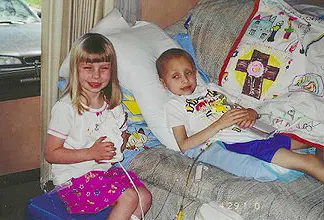
The narrative of David Benyo’s battle with cancer began in December 1997. His parents discovered a physical abnormality that was soon identified as rhabdomyosarcoma, a highly aggressive form of soft tissue cancer. At the time of his initial diagnosis, David was found to have a tumor the size of a grapefruit. The medical intervention that followed was intensive, involving a combination of chemotherapy, surgical procedures, and blood transfusions.
Rhabdomyosarcoma (RMS) is a rare malignancy that accounts for approximately 3% of all childhood cancers. It originates in mesenchymal cells that are destined to become skeletal muscle. For David, the initial year of treatment appeared successful. The tumor retreated, and his family was able to participate in a Make-A-Wish trip to Disney World, a common milestone for children facing life-threatening illnesses. However, the reprieve was temporary.
Shortly after returning from the trip, the cancer relapsed, manifesting this time in David’s bone marrow. The medical team at Minneapolis Children’s Hospital employed aggressive measures, including high-dose chemotherapy and radiation. Notably, David became one of the first pediatric patients at the facility to undergo a stem cell transplant, a procedure that was then at the cutting edge of pediatric oncology. Despite a second period of remission, the cancer returned for a third time. Facing the limitations of available medical technology in the late 1990s, David, then nearly seven years old, expressed a desire to cease treatment. He passed away in May 2000.
The Long-Term Impact on Peer Groups and Communities
The loss of a child reverberates far beyond the immediate family, often shaping the lives of peers and educators for decades. Alicia, a kindergarten classmate of David, represents the enduring psychological impact of childhood bereavement. For years, Alicia struggled with the weight of the loss, avoiding the topic of cancer as a coping mechanism. This phenomenon is well-documented in developmental psychology, where the death of a peer can lead to long-term anxiety or a sense of "survivor guilt" among young children.
Despite the pain associated with the memory, Alicia maintained a connection with David’s mother, Michele. This relationship culminated in a symbolic gesture during Alicia’s high school graduation, where she presented Michele with a locket containing David’s photograph. The gesture served as a public acknowledgement that David’s presence remained a fundamental part of the graduating class’s identity.
Today, Alicia serves as a special needs teacher at the same elementary school she and David attended. Her career choice reflects a common trajectory for those touched by early-life trauma, often gravitating toward service-oriented professions. The recent loss of her own mother—who had been David’s Sunday school teacher—to cancer has provided a renewed impetus for her involvement in cancer advocacy.
The CureSearch Ultimate Hike: Context and Objectives
The CureSearch Ultimate Hike is a flagship fundraising program designed to bridge the gap between federal research funding and the actual costs of developing new pediatric cancer therapies. The Superior Hiking Trail, where Alicia and Michele will hike, is known for its steep climbs, rocky descents, and breathtaking views of Lake Superior. Completing 25.5 miles in a single day requires significant physical preparation and mental fortitude.
CureSearch for Children’s Cancer is a national non-profit organization that focuses specifically on the "funding gap" in pediatric oncology. While adult cancer research receives substantial investment from pharmaceutical companies and federal agencies, pediatric cancer is often sidelined due to the smaller market size for specialized drugs.
Key Statistics in Pediatric Cancer Research:
- Funding Disparity: Historically, only about 4% of federal funding for cancer research is directed toward pediatric cancers.
- Treatment Lag: Many of the chemotherapy protocols used for children today were developed decades ago, leading to long-term side effects and secondary health issues in survivors.
- Incidence: Approximately 15,000 children and adolescents in the United States are diagnosed with cancer each year.
- Research Focus: CureSearch prioritizes "transitional research," which aims to move lab discoveries into clinical trials more quickly, specifically targeting high-risk cancers like rhabdomyosarcoma.
The Psychological and Social Implications of Communal Grief
The decision for Michele and Alicia to hike together is a significant act of "active mourning." In the field of sociology, this is often described as the creation of a "memorial community." By participating in the Ultimate Hike, they are transitioning from passive recipients of grief to active agents of change.
"This gives me the opportunity to do something meaningful for both of them," Alicia stated, referring to David and her late mother. This sentiment reflects a broader trend in philanthropic engagement where donors and participants seek "experiential advocacy." The physical toll of the hike mirrors the arduous journey of cancer treatment, creating a visceral connection between the fundraiser and the cause.
From a journalistic perspective, the story of Alicia and Michele highlights the necessity of long-term support systems for bereaved families. The fact that their bond has persisted for over 24 years suggests that the "healing process" is not a destination but a continuous engagement with the memory of the deceased.
Analysis: The Role of Philanthropy in Medical Advancement
The participation of individuals like Alicia and Michele is vital for the advancement of pediatric medicine. Because childhood cancers are biologically distinct from adult cancers, they require unique therapeutic approaches. However, the "Valley of Death"—the gap between basic laboratory research and clinical application—is particularly wide in pediatrics.
Organizations like CureSearch use funds raised through events like the Ultimate Hike to support the International Neuroblastoma Risk Group (INRG) and other consortia that aggregate data to find cures for rare pediatric malignancies. The $25.5-mile hike is a microcosm of the marathon required for drug development. Every dollar raised contributes to the high costs of Phase I and Phase II clinical trials, which are essential for proving the safety and efficacy of new treatments.
Furthermore, these events raise public awareness about the late effects of cancer treatment. Survivors of pediatric cancer often face lifelong health challenges, including heart disease, secondary cancers, and cognitive impairments, due to the toxicity of traditional treatments. Research funded by these initiatives increasingly focuses on "targeted therapies" that aim to kill cancer cells while sparing healthy tissue, thereby improving the quality of life for survivors.
Conclusion: A Path Toward Future Breakthroughs
As August approaches, the training regimens for Michele and Alicia intensify. Their journey on the Superior Hiking Trail is a tribute to a life cut short and a commitment to ensuring that future families face different outcomes. The story of David Benyo, once a "feisty" four-year-old who compared himself to a cheetah, continues to evolve through the footsteps of those who loved him.
The CureSearch Ultimate Hike serves as a reminder that while medical science has made significant strides since David’s diagnosis in 1997, the work is far from complete. Through the combination of personal narrative and clinical necessity, Alicia and Michele are lacing up their boots to confront a challenge that is both physical and deeply emotional. In doing so, they provide a roadmap for how communities can transform the heavy burden of loss into a beacon of purpose and hope.
For those looking to support the cause or participate in future events, information is available through the CureSearch national portal. The efforts of these hikers ensure that the stories of children like David do not end with a diagnosis, but continue through the progress of life-saving research and the enduring strength of human connection.
