
 By admin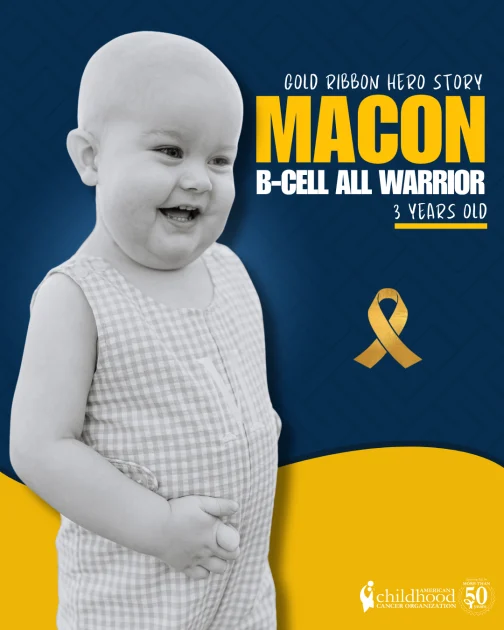
The speed with which a family’s trajectory can shift from normalcy to intensive oncology care is a hallmark of pediatric leukemia. For Macon’s family, the diagnosis arrived without the warning of traditional symptoms; the toddler appeared healthy and active prior to the blood screening. This "silent" onset underscores the critical importance of routine pediatric screenings and the vigilance of primary care providers in identifying hematological abnormalities before physical symptoms manifest.
Clinical Overview of B-Cell Acute Lymphoblastic Leukemia
B-Cell Acute Lymphoblastic Leukemia is a type of cancer in which the bone marrow makes too many immature lymphocytes, a type of white blood cell. In the case of B-ALL, these cells are specifically B lymphocytes, which are responsible for producing antibodies to fight infections. When these cells become malignant, they crowd out healthy white blood cells, red blood cells, and platelets, leading to a host of systemic vulnerabilities.
According to the National Cancer Institute, ALL is the most common form of childhood cancer, accounting for approximately 25% of all cancer diagnoses in children under the age of 15. While the prognosis for pediatric ALL has improved significantly over the last several decades—with five-year survival rates now exceeding 90%—the treatment regimen remains one of the most intensive and prolonged in pediatric medicine. The complexity of the disease requires a multi-phased approach involving induction, consolidation, and long-term maintenance therapy, often spanning several years to ensure the total eradication of residual leukemic cells.
Chronology of Treatment and Medical Complications
Macon’s journey through the oncology healthcare system began immediately following his diagnosis. The initial phase of treatment for B-ALL focuses on "induction," with the primary goal of achieving clinical remission. For Macon, this involved the surgical placement of a chemo-port, a small device implanted under the skin to allow for the frequent administration of chemotherapy and the drawing of blood samples without repeated needle sticks.
However, the path to recovery is rarely linear. Macon’s clinical course was complicated by a serious staph infection (Staphylococcus aureus) in his bloodstream, a common but dangerous risk for pediatric oncology patients whose immune systems are suppressed by both the cancer and the chemotherapy. This complication necessitated the removal and subsequent replacement of his port, doubling the surgical burden on the toddler.
Over the first year of treatment, Macon underwent a rigorous schedule of medical procedures, including:
- Intravenous Chemotherapy: The administration of potent cytotoxic drugs designed to kill rapidly dividing cancer cells.
- Lumbar Punctures: Also known as spinal taps, these procedures are performed every six weeks to check for the presence of leukemia cells in the cerebrospinal fluid and to administer intrathecal chemotherapy directly into the central nervous system, a common site for relapse.
- Bone Marrow Biopsies: Invasive procedures used to monitor the cellular composition of the marrow and verify that the leukemia remains in a state of molecular remission.
Despite the physiological toll of these interventions, Macon has successfully completed his first full year of treatment. His mother, Madeline, reports that his weekly blood work currently shows no circulating leukemia cells, indicating that the current protocol is effectively managing the disease.
The Long-Term Treatment Horizon
The standard of care for male pediatric patients with ALL often involves a longer treatment duration than for female patients, frequently extending to three or three and a half years. This extended "maintenance" phase is designed to prevent the recurrence of the disease, as leukemia cells can remain dormant in the body even when not detectable by standard blood tests.
Macon is currently in the midst of a long-term chemotherapy protocol that is projected to last a total of two and a half years. This phase of treatment is a delicate balancing act; the goal is to provide enough chemotherapy to suppress the cancer while allowing the child to maintain a semblance of a normal life. For Macon, this means continuing to engage in the developmental activities of a three-year-old—playing outside with his sister, utilizing riding toys, and participating in family activities—while adhering to a strict medical schedule.
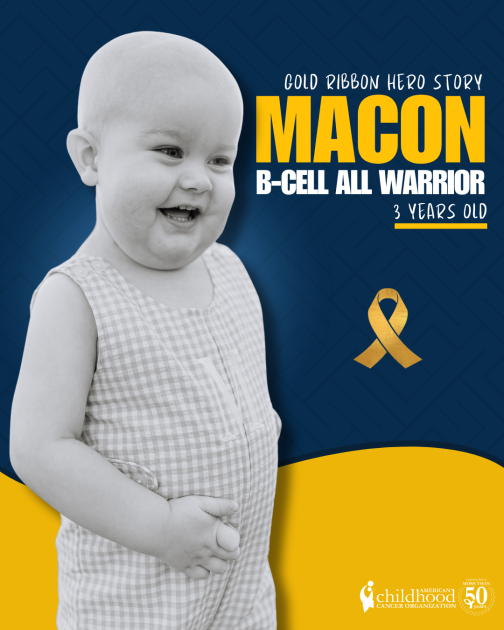
If the current trajectory of successful treatment continues, Macon is scheduled to reach a major milestone known as "ringing the bell" in May 2027. This ceremony is a symbolic tradition in oncology wards worldwide, marking the completion of active treatment and the transition into long-term survivorship and monitoring.
Supporting Data and Pediatric Cancer Statistics
The impact of a diagnosis like Macon’s extends beyond the individual patient, highlighting broader trends and challenges in the field of pediatric oncology. Each year, approximately 15,000 children and adolescents in the United States are diagnosed with cancer. While pediatric cancer is considered rare compared to adult malignancies, it remains the leading cause of death by disease for children in the U.S.
Data from the American Cancer Society indicates that:
- Incidence Rates: The incidence of pediatric ALL has been slightly increasing over the past few decades, though the reasons for this trend remain a subject of active research.
- Treatment Toxicity: While survival rates are high, the "cure" comes at a cost. Up to 80% of childhood cancer survivors develop chronic health conditions as a result of the intensive treatments they received during development, including heart disease, secondary cancers, and cognitive impairments.
- Research Funding: Pediatric cancer research receives a disproportionately small percentage of federal funding compared to adult cancers. Advocates often point out that only about 4% of the National Cancer Institute’s budget is dedicated specifically to childhood cancer research.
The role of organizations like the American Childhood Cancer Organization (ACCO) is critical in bridging the gap between medical treatment and family support. These organizations provide resources for navigation, educational materials for parents, and advocacy for increased research funding to develop less toxic and more effective therapies.
Implications for Families and Healthcare Systems
The diagnosis of B-ALL imposes a significant psychosocial and financial burden on families. The "shock, fear, and disbelief" described by Macon’s mother are universal experiences for parents thrust into the role of medical caregivers. The logistics of managing a two-and-a-half-year treatment plan—involving weekly hospital visits, medication management, and the constant threat of infection—require a total restructuring of family life.
From a healthcare policy perspective, Macon’s case highlights the necessity of comprehensive insurance coverage and the importance of "well-child" visits. Without the routine finger-prick test during his two-year checkup, Macon’s leukemia might have progressed to a much more symptomatic and dangerous stage before discovery. Early detection remains one of the most effective tools in improving outcomes and reducing the intensity of required interventions.
Furthermore, the integration of supportive care is essential. Treating a "warrior" like Macon involves more than just eradicating malignant cells; it involves supporting the emotional well-being of the child and their siblings. The fact that Macon remains a "playful little boy" despite his medical ordeal is a testament to the advancements in pediatric supportive care, which focuses on pain management, psychological support, and the preservation of childhood during chronic illness.
Conclusion and Future Outlook
Macon’s journey is emblematic of the resilience found in pediatric oncology wards across the country. As he moves toward his May 2027 goal, his case serves as a reminder of the progress made in treating B-Cell Acute Lymphoblastic Leukemia, as well as the work that remains to be done. The objective for the medical community continues to be the refinement of treatment protocols to minimize long-term side effects while maintaining high cure rates.
For the public and the philanthropic community, Macon’s story is a call to action. Childhood cancer is a marathon, not a sprint, and the families navigating these paths require sustained support. By funding research and supporting advocacy organizations, society can contribute to a future where a leukemia diagnosis is no longer a life-altering trauma, but a manageable condition with a guaranteed path back to a healthy childhood. As Macon continues his chemotherapy, his progress remains a beacon of hope for other families entering the "shock and disbelief" of a new diagnosis, proving that with early detection and rigorous care, the "warrior" spirit can prevail over the most daunting of clinical challenges.
