
 By admin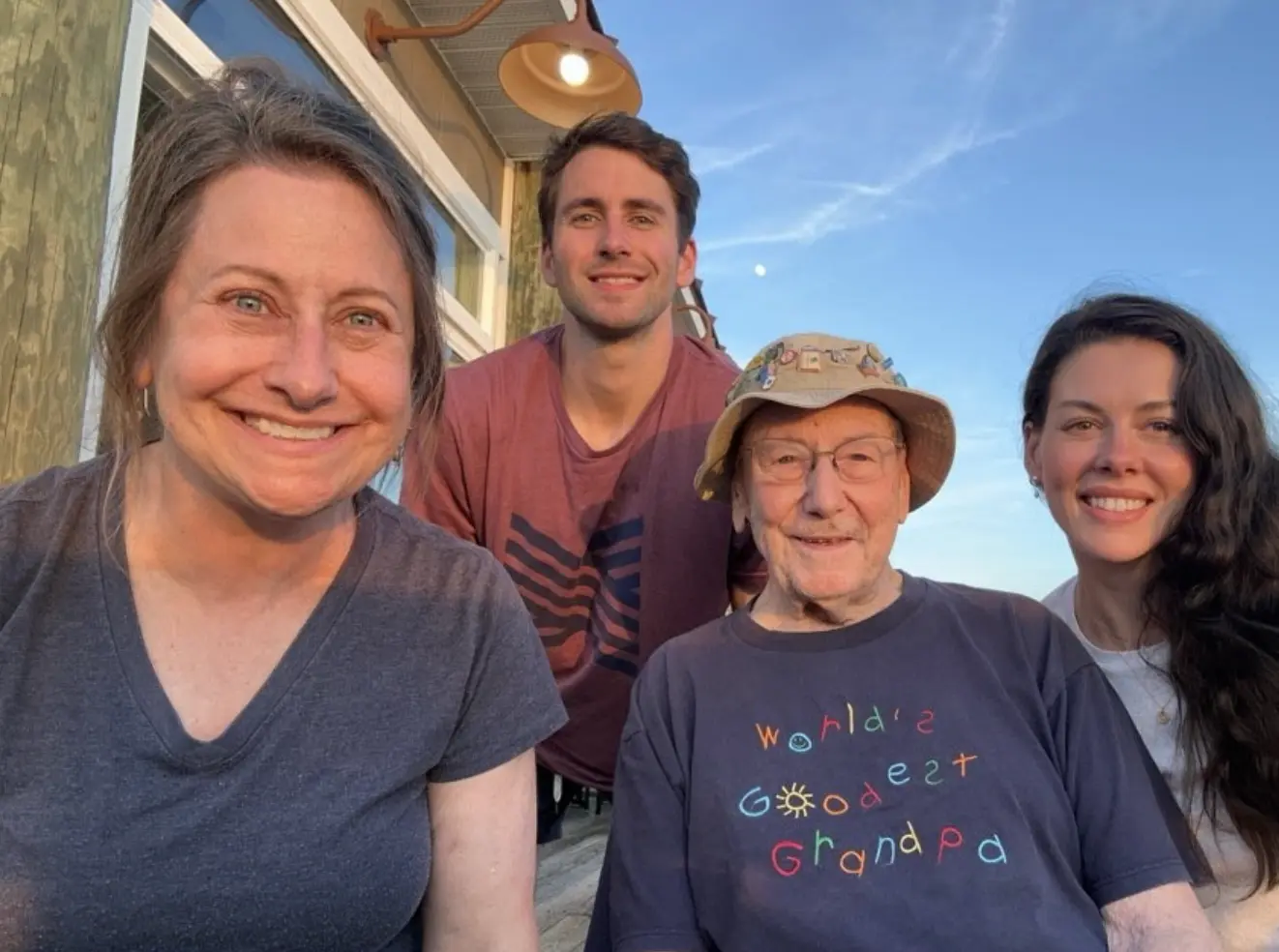
The landscape of pediatric oncology is undergoing a significant shift as a new generation of philanthropists, led by technology entrepreneurs, begins to apply data-driven mindsets to medical research funding. Among these emerging leaders is Alex Monahan, a Northern Virginia native and Stanford University alumnus, who has transitioned from the high-stakes world of sports analytics and technology startups to becoming a primary benefactor for the Children’s Cancer Research Fund (CCRF). Monahan’s journey from witnessing the devastating effects of cancer within his own family to funding cutting-edge clinical trials illustrates a broader trend of "venture philanthropy," where donors seek measurable impacts and technological integration in the fight against disease.
A Personal Catalyst: The Roots of a Philanthropic Mission
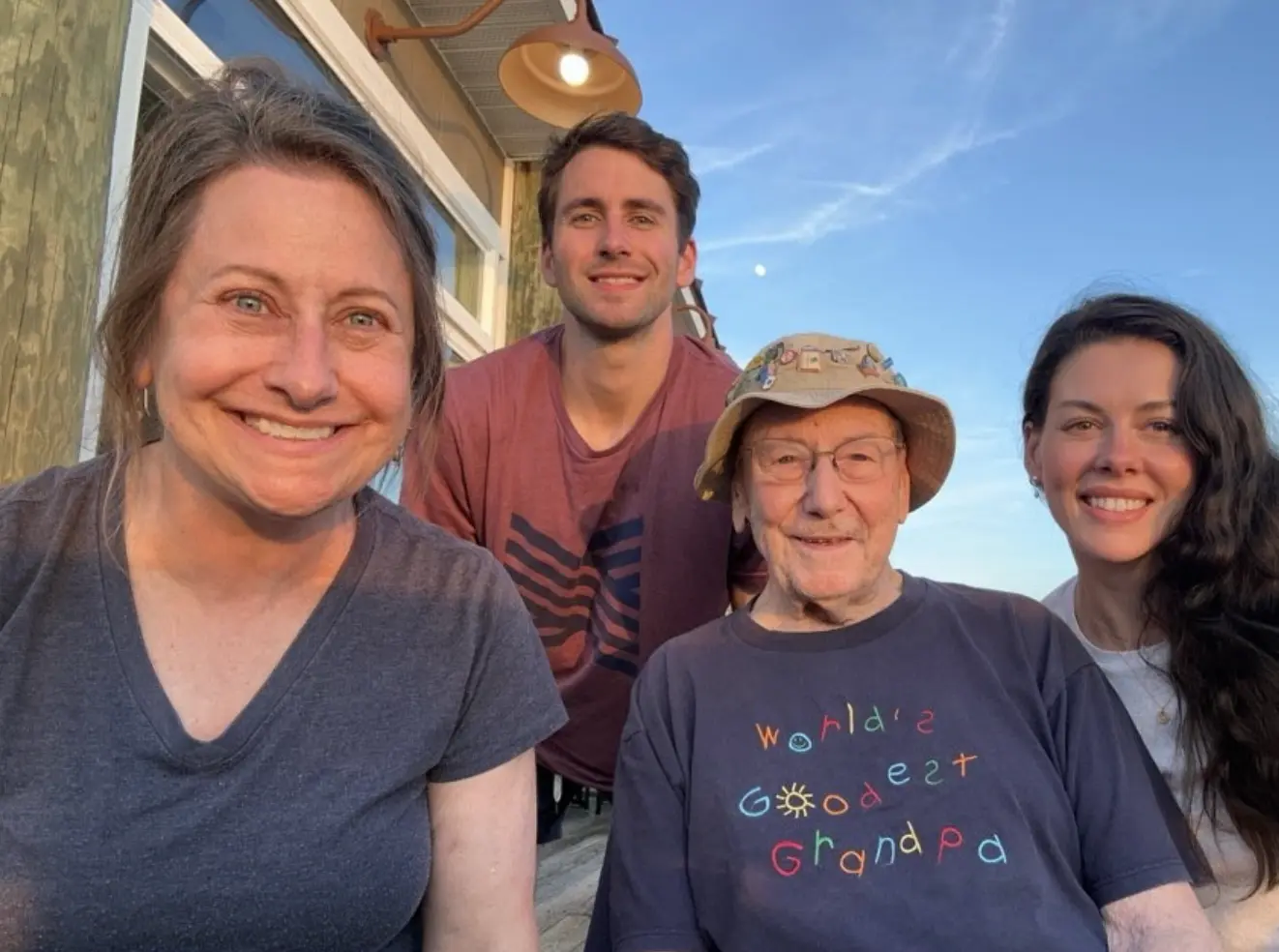
Alex Monahan’s commitment to cancer research is not merely a byproduct of professional success but is deeply rooted in personal loss and family resilience. Growing up in Northern Virginia, Monahan experienced the clinical and emotional realities of cancer at a young age. While still in high school, he navigated the loss of his grandmother, an experience that provided his first intimate look at the limitations of existing medical interventions. Years later, the threat returned when his father was diagnosed with the disease.
Reflecting on these formative years, Monahan noted that cancer has been a persistent presence throughout his life. While his family dealt with adult-onset cancers, the experience left him with a profound sense of empathy for those facing pediatric diagnoses. He has frequently observed that while the struggle for adults is immense, the prospect of a child navigating such a grueling medical journey is a challenge that requires a unique level of community support and scientific innovation. This personal history created a psychological bridge between his eventual financial success and his desire to contribute to the medical field.
From Stanford to OddsJam: The Intersection of Data and Entrepreneurship
Despite an early interest in medicine, Monahan’s academic and professional trajectory took him toward the burgeoning fields of technology and data science. At Stanford University, a hub for global innovation, he honed the skills necessary to navigate complex systems and identify market inefficiencies. This education culminated in the co-founding of OddsJam, a data-driven startup that revolutionized the sports betting industry by providing users with real-time analytical tools and market transparency.
The success of OddsJam was rapid. By leveraging sophisticated algorithms and user-centric design, the platform became a staple in its industry. When the time came to sell the startup, Monahan found himself at a crossroads common to successful young entrepreneurs: the transition from wealth accumulation to legacy building. Rather than entering a traditional retirement or immediately launching a new commercial venture, Monahan began a rigorous search for a cause where his resources could serve as a catalyst for systemic change.
The Strategic Selection of Children’s Cancer Research Fund
Monahan’s entry into the world of philanthropy was characterized by the same analytical approach he applied to his business ventures. He sought an organization that not only prioritized groundbreaking research but also maintained a transparent pipeline between donor contributions and clinical outcomes. A comprehensive digital search led him to the Children’s Cancer Research Fund (CCRF), a national nonprofit dedicated to ending childhood cancer by funding the most promising research and supporting families through their darkest hours.
Monahan has described himself as an "instant supporter" of CCRF, citing the organization’s clarity of mission and its focus on high-impact research. His philosophy on giving is rooted in a long-term temporal perspective. He often remarks that current donors are essentially the "people of 20 years ago," meaning that the investments made in the present day will dictate the standard of care, survival rates, and quality of life for the next generation of pediatric patients. This forward-looking approach aligns with CCRF’s goal of moving beyond standard treatments toward cures that are both more effective and less toxic.
The Role of Artificial Intelligence and Modern Technology in Oncology
One of the primary drivers of Monahan’s interest in CCRF is the organization’s willingness to embrace technological advancements in the lab. With a background in software and data, Monahan is particularly attuned to how Artificial Intelligence (AI) and machine learning can expedite the discovery phase of medical research.
In the traditional model of drug discovery, identifying a viable compound and moving it through clinical trials can take over a decade and cost billions of dollars. Monahan advocates for the integration of AI tools that can simulate molecular interactions, analyze vast genomic datasets, and identify patterns that human researchers might overlook. These tools have the potential to:
- Accelerate Discovery: Reducing the time it takes to identify potential therapeutic targets.
- Personalize Treatment: Utilizing precision medicine to tailor treatments to a child’s specific genetic makeup, thereby increasing efficacy.
- Minimize Side Effects: Optimizing dosages and treatment delivery to reduce the long-term "late effects" that plague childhood cancer survivors, such as heart disease or secondary cancers.
Monahan’s support is particularly focused on survivorship and quality of life. He acknowledges that while increasing the five-year survival rate is a primary goal, ensuring that survivors can lead healthy, productive lives is equally vital.
Supporting Breakthrough Clinical Trials: A Case Study in Impact
A cornerstone of Monahan’s philanthropic portfolio is his support for specific, high-stakes initiatives like the brain tumor clinical trial at Children’s Minnesota. Brain tumors remain one of the deadliest forms of pediatric cancer, often proving resistant to conventional radiation and chemotherapy. The CCRF-funded trials at Children’s Minnesota represent the cutting edge of neuro-oncology, focusing on innovative delivery methods and targeted therapies.
Monahan’s involvement in these projects is not as a scientist, but as a facilitator who understands the "why" and the "how" of the research. By relying on experts to guide his contributions, he ensures that his capital is directed toward the projects with the highest probability of clinical success. This partnership between a non-scientist benefactor and world-class medical researchers creates a synergy that allows for more aggressive pursuit of "high-risk, high-reward" studies that federal funding might overlook.
The Human Dimension: Sports as a Catalyst for Resilience
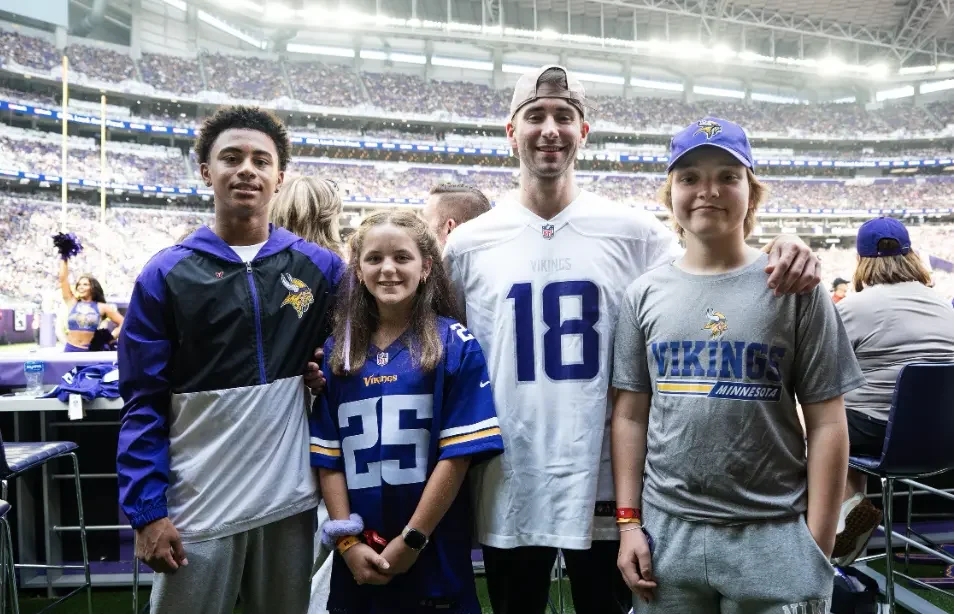
Beyond the laboratory, Monahan has engaged directly with the families served by CCRF. In a recent initiative, he spent time with cancer-affected families in the CCRF suite during a Minnesota Vikings pre-season game. For Monahan, this was a poignant reminder of the social and psychological toll of a cancer diagnosis.
Growing up, Monahan viewed sports as a vital escape during difficult times. Seeing pediatric patients find joy and excitement in the stadium environment reinforced his belief that philanthropy must address the whole person, not just the disease. The resilience shown by these children, often referred to as "warriors" within the community, served as a powerful motivator to continue his support. This event highlighted a critical aspect of CCRF’s mission: providing "moments that matter" for families who are often consumed by the rigors of hospital schedules and treatment cycles.
Analysis: The Funding Gap in Pediatric Cancer Research
Monahan’s entry into this field comes at a critical time. Despite cancer being the leading cause of death by disease for children in the United States, pediatric cancer research is historically underfunded compared to adult cancers. Data from the National Cancer Institute (NCI) indicates that only about 4% of the federal budget for cancer research is specifically allocated to pediatric cases.
This disparity creates a "funding gap" that private philanthropists like Monahan must fill. Private organizations like CCRF are responsible for a significant portion of the initial "seed funding" required for innovative ideas. Once a concept is proven viable through private funding, it is more likely to receive larger federal grants. Thus, Monahan’s contributions act as a force multiplier, de-risking new research and paving the way for larger-scale clinical implementation.
Implications for the Future of Philanthropy
Alex Monahan’s approach offers a blueprint for the next generation of donors. His advice to those new to philanthropy is characterized by realism and a sense of urgency. He views money as a "tool" and emphasizes that its value is derived entirely from its application. By encouraging donors to "get started now" and to not be afraid of understanding the underlying science, he is advocating for a more engaged, informed, and proactive donor class.
His first major donation to CCRF was structured with a high degree of transparency. The CCRF team worked closely with him to outline how his gift would support specific research priorities. This level of clarity is essential for modern donors who are accustomed to the metrics-driven environments of the tech sector.
Conclusion: Moving the Needle Toward a Brighter Future
The partnership between Alex Monahan and the Children’s Cancer Research Fund signifies a maturing of the philanthropic sector, where personal passion meets professional expertise. By focusing on the intersection of technology, survivorship, and direct family support, Monahan is helping to move the needle in a field that requires constant innovation.
As AI continues to permeate the medical field and as clinical trials yield new insights into the genetic drivers of pediatric tumors, the role of the private donor remains indispensable. For Monahan, the mission is both personal and universal. Through thoughtful, strategic giving, he is not only honoring the memory of his own family members but is also investing in a future where a childhood cancer diagnosis is no longer a life-altering tragedy, but a manageable and ultimately curable condition. The legacy he is building today, rooted in the data of the present and the hope for the future, promises to redefine pediatric oncology for the next twenty years and beyond.
