
 By Suherman Candra Maholtra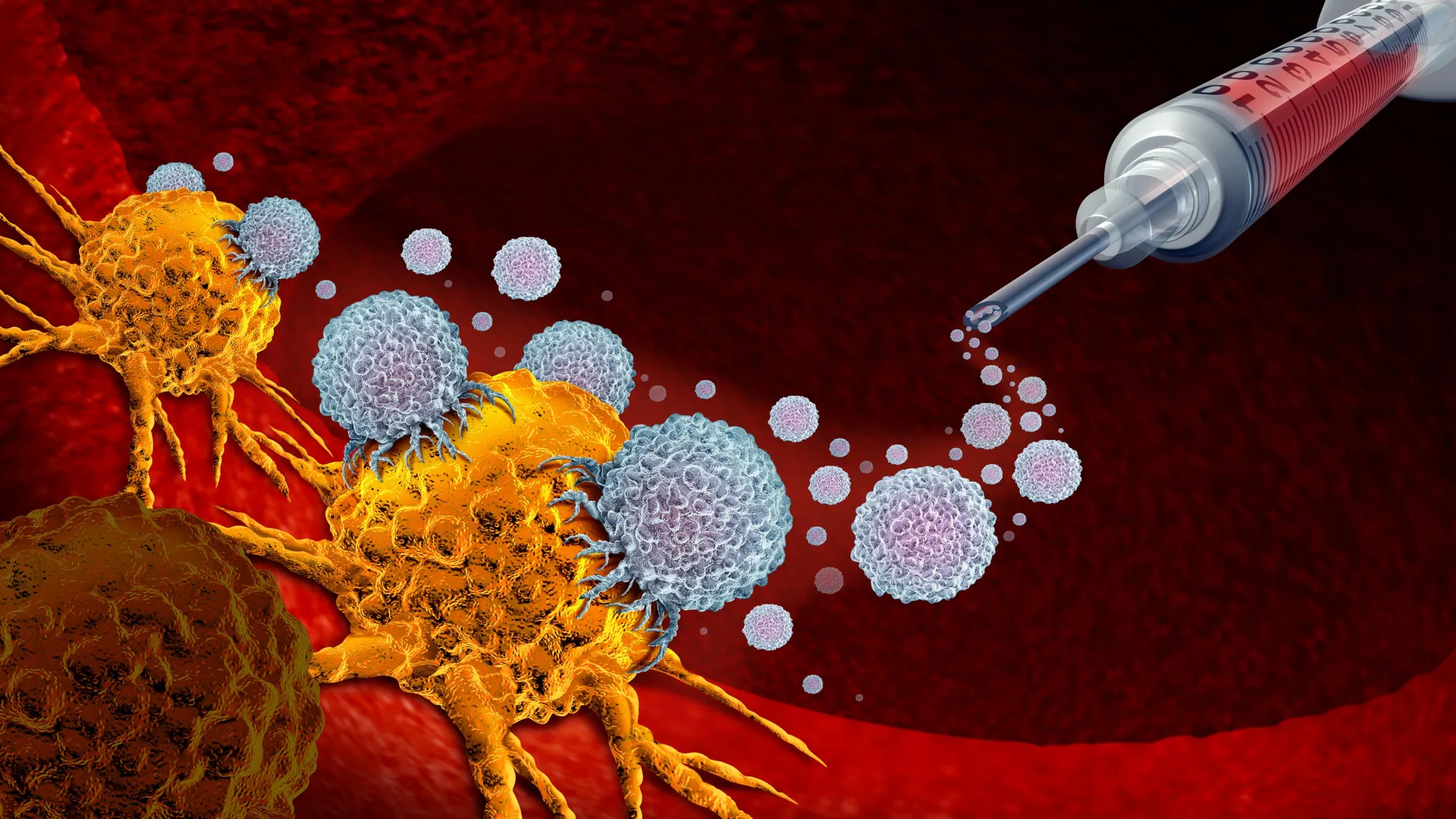
The field of oncology is witnessing a potential paradigm shift as researchers at the University of Florida have successfully demonstrated that an experimental mRNA vaccine can significantly enhance the efficacy of immunotherapy, providing a "universal" method to activate the body’s immune system against various forms of cancer. Published in the journal Nature Biomedical Engineering, the study reveals that by utilizing a non-specific mRNA formulation—one that does not target a particular tumor protein—the researchers were able to "wake up" the immune system, inducing it to attack tumors as if they were a viral infection. This discovery, led by investigators at the UF Health Preston A. Wells Jr. Center for Brain Tumor Therapy and the McKnight Brain Institute, offers a promising new avenue for treating tumors that have historically remained resistant to conventional therapies, including surgery, radiation, and chemotherapy.
A New Mechanism for Immune Activation
For years, the development of cancer vaccines has focused on two primary strategies: identifying a common protein target shared by many patients or creating highly personalized vaccines tailored to the specific genetic mutations of an individual’s tumor. The University of Florida study introduces what co-author Duane Mitchell, M.D., Ph.D., describes as a "third emerging paradigm." Instead of focusing on the specific "fingerprint" of a cancer cell, this new approach uses an mRNA vaccine to stimulate a generalized, high-intensity immune response.
The vaccine functions by delivering mRNA—the genetic blueprint cells use to produce proteins—encapsulated in lipid nanoparticles. Once administered, the vaccine triggers the immune system to respond with the same urgency it would show toward a foreign virus. This "revving up" of the immune system was found to stimulate the expression of a protein called PD-L1 within the tumors. While PD-L1 is often used by cancer cells to hide from the immune system, its increased expression in this context actually made the tumors more "visible" and receptive to a class of drugs known as immune checkpoint inhibitors.
Senior author Elias Sayour, M.D., Ph.D., a UF Health pediatric oncologist and principal investigator at the RNA Engineering Laboratory, noted that the results were both unexpected and exciting. The ability of an mRNA vaccine to produce tumor-specific effects without being engineered for a specific tumor type suggests that a single, standardized vaccine could potentially be used across a broad spectrum of patients. This "off-the-shelf" capability would circumvent the logistical and financial hurdles associated with manufacturing personalized treatments, which currently require weeks or months to produce for each individual patient.
Chronology of Research and Technological Evolution
The breakthrough at the University of Florida is the culmination of more than eight years of intensive research by Dr. Sayour and his team. The journey began with the refinement of lipid nanoparticle technology to deliver mRNA more effectively. The team’s work gained significant momentum following the global success of mRNA technology in the fight against COVID-19, which proved the safety and scalability of the platform.
In 2023, Sayour’s lab achieved a major milestone with a first-in-human clinical trial involving four patients with glioblastoma, a notoriously aggressive and lethal form of brain cancer. In that trial, the researchers used a "specific" vaccine derived from the patients’ own tumor cells. The results were striking: the vaccine rapidly reprogrammed the immune system to attack the glioblastoma, demonstrating a vigorous response in a remarkably short timeframe.
Building on that success, the current study sought to determine if the same immune-reprogramming effect could be achieved without the need for patient-specific tumor material. By testing a generalized mRNA formulation in various mouse models, the team explored whether the "viral mimicry" induced by the vaccine could bridge the gap between a dormant immune system and an active antitumor response. The research, supported by the National Institutes of Health (NIH) and several private foundations, moved through several phases of testing, from melanoma models to bone and brain cancer models, consistently showing that the vaccine could sensitize resistant tumors to further treatment.
Supporting Data and Experimental Outcomes
The data gathered from the mouse-model studies provided a robust proof of concept for the universal vaccine approach. In models of melanoma—a skin cancer often used to test immunotherapies due to its high mutation rate—the researchers combined the mRNA vaccine with a PD-1 inhibitor. PD-1 inhibitors are monoclonal antibodies designed to prevent cancer cells from "switching off" T cells. The study found that while the PD-1 inhibitor alone had limited success against treatment-resistant strains, the addition of the mRNA vaccine led to a potent synergistic effect.
Key findings from the experimental data include:
- Increased T-Cell Infiltration: The researchers observed that the vaccine prompted previously "exhausted" or inactive T cells to multiply and infiltrate the tumor environment. This shift from a "cold" tumor (one that the immune system ignores) to a "hot" tumor (one under active attack) is a holy grail in oncology.
- PD-L1 Modulation: The vaccine successfully upregulated PD-L1 expression within the tumor microenvironment. While counterintuitive, this upregulation ensured that the checkpoint inhibitor drugs had a clear target to bind to, thereby "unmasking" the cancer for destruction.
- Broad Efficacy: Beyond melanoma, the team tested the vaccine as a monotherapy in models of bone cancer (osteosarcoma) and brain cancer. In some of these models, the immune response was so strong that the tumors were eliminated entirely without the need for additional drugs.
- Viral Mimicry: Molecular analysis confirmed that the immune system’s reaction to the mRNA vaccine mirrored its reaction to a severe viral infection, releasing high levels of interferons and other signaling proteins that coordinate a systemic defense.
Expert Responses and Institutional Impact
The implications of the study have drawn praise from the wider scientific community at the University of Florida. Duane Mitchell, who also directs the UF Clinical and Translational Science Institute, emphasized the profound nature of these findings if they can be replicated in humans. "It could potentially be a universal way of waking up a patient’s own immune response to cancer," Mitchell stated. He noted that the ability to prime the immune system to work in tandem with existing drugs could significantly improve survival rates for patients who currently have few options.
Dr. Sayour highlighted that the study provides a pathway for commercialization that was previously thought to be impossible for mRNA cancer vaccines. By moving away from the "one patient, one vaccine" model, the medical industry could produce these treatments at scale, making them accessible to community hospitals rather than just specialized research centers.
The research was a collaborative effort involving the UF Lillian S. Wells Department of Neurosurgery and the Department of Pediatrics. The multidisciplinary nature of the study—combining oncology, immunology, and nanotechnology—reflects the growing trend of "convergence science" in modern medicine.
Broader Implications and Future Directions
The success of this study arrives at a critical juncture in cancer research. While immunotherapy has revolutionized the treatment of some cancers, such as lung cancer and certain leukemias, many solid tumors remain resistant. The "cold" nature of these tumors, where the immune system simply fails to recognize the presence of a threat, has been a major barrier. The University of Florida’s universal vaccine essentially provides the "spark" needed to ignite the immune system, potentially turning those "cold" tumors "hot."
The next steps for the research team involve refining the mRNA formulations to maximize the duration of the immune response while minimizing potential side effects. Although the mouse models showed high tolerance for the treatment, human physiology presents more complex challenges. The team is currently preparing for human clinical trials to test the generalized vaccine in patients with various types of treatment-resistant solid tumors.
If successful in human trials, this technology could redefine the standard of care for oncology. A universal vaccine could be administered as a first-line treatment alongside chemotherapy, or as a salvage therapy for patients who have exhausted all other options. Furthermore, the "off-the-shelf" nature of the vaccine means it could be deployed rapidly following a diagnosis, preventing the cancer from progressing during the weeks typically required to manufacture personalized immunotherapies.
Analysis of Potential Challenges
Despite the optimism surrounding the UF study, several hurdles remain. The transition from mouse models to human subjects is notoriously difficult in cancer research, as the human immune system is significantly more complex and the tumor microenvironment more heterogeneous. There is also the question of "immune exhaustion," where the immune system might initially attack the tumor but eventually fatigue, allowing the cancer to return.
However, the UF team’s strategy of combining the vaccine with checkpoint inhibitors is specifically designed to address this. By using the vaccine to "wake up" the system and the inhibitors to "keep it awake," they hope to create a sustained antitumor effect. The financial and regulatory landscape will also play a role; while a universal vaccine is more cost-effective than personalized versions, the path through FDA approval for a new class of "viral-mimic" vaccines will require rigorous safety data.
The University of Florida’s findings represent a significant leap forward in the application of mRNA technology. What began as a tool for preventing infectious diseases is rapidly becoming a sophisticated weapon in the fight against internal threats. As the research team moves toward human trials, the medical community remains cautiously optimistic that the "one-two punch" of mRNA vaccines and immunotherapy could finally turn the tide against the most resilient forms of cancer.
