
 By Budi Oetomo Narendra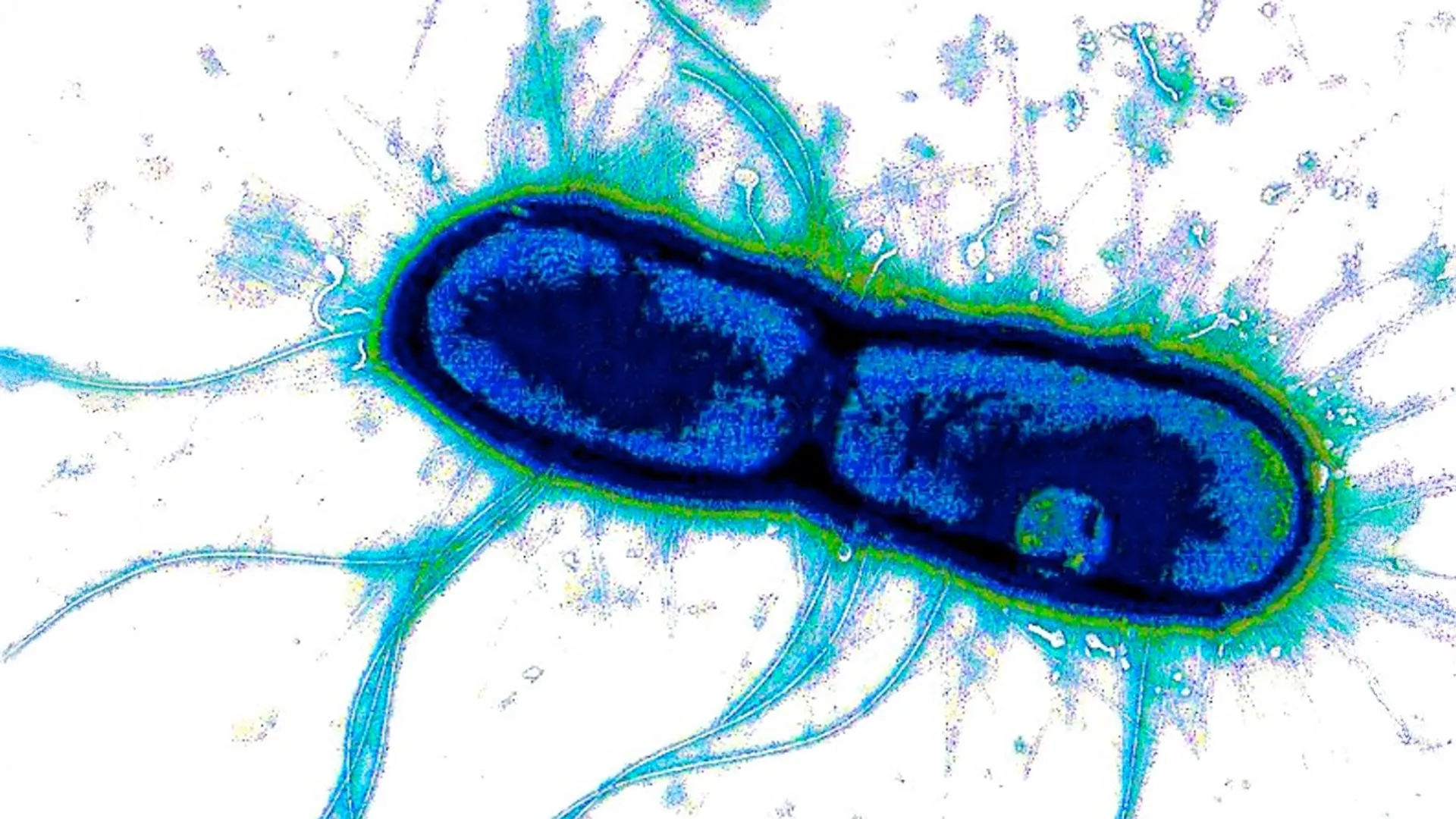
Enterotoxigenic E. coli (ETEC) and Shigella species collectively inflict hundreds of millions of infections globally each year, standing as grim leaders among the causes of fatal diarrheal disease, particularly devastating young children in low-income countries. Despite intensive research spanning decades, the scientific community has been unable to deliver effective vaccines against either pathogen, largely due to the formidable challenge posed by the wide antigenic variability between bacterial strains. Now, a groundbreaking discovery by researchers at Washington University School of Medicine in St. Louis offers a beacon of hope, identifying a previously unexploited biological vulnerability shared by these dangerous gut bacteria. This revelation paves the way for the potential development of a single, universal vaccine capable of protecting against both.
The Global Burden of Diarrheal Diseases: A Persistent Crisis
Diarrheal diseases remain a leading cause of morbidity and mortality worldwide, especially among children under five. According to the World Health Organization (WHO) and UNICEF, diarrheal diseases are responsible for approximately half a million deaths in children under five annually, making them the second leading infectious cause of death in this vulnerable age group. ETEC and Shigella are prominent culprits in this tragic toll.
ETEC, often associated with "traveler’s diarrhea" in adults, is a major cause of severe, dehydrating diarrhea in children in endemic regions, contributing significantly to childhood malnutrition and impaired cognitive development. Its global incidence is estimated at over 200 million cases per year. Shigella, on the other hand, causes shigellosis, a highly contagious and severe form of dysentery characterized by bloody diarrhea, fever, and abdominal cramps. Its virulence is particularly concerning, with estimates suggesting over 160 million cases annually and more than 200,000 deaths, predominantly in children under five in sub-Saharan Africa and South Asia.
Beyond the devastating human cost, the economic burden of these infections is immense. Healthcare expenditures, lost productivity, and the long-term impact on child development strain public health systems and national economies, particularly in regions already grappling with limited resources.
A Decades-Long Struggle: The Elusive Vaccine
The scientific pursuit of vaccines for ETEC and Shigella has been a long and arduous journey, fraught with significant hurdles. Traditional vaccine approaches often target surface proteins or toxins produced by bacteria. However, both ETEC and Shigella exhibit vast genetic diversity, leading to numerous serotypes and strains with varying surface antigens. A vaccine effective against one strain might offer little to no protection against another, necessitating multi-component vaccines that are complex to design, produce, and administer. This antigenic variability has been a major "Achilles’ heel" for vaccine developers, often leading to vaccine candidates with limited breadth of protection or insufficient efficacy.
Furthermore, these pathogens colonize the gut mucosa, requiring a robust mucosal immune response that is often challenging to elicit with conventional vaccine delivery methods. The need for a vaccine that can provide broad, cross-protective immunity against a wide array of strains has been a pressing unmet global health need.
Unveiling a Shared Vulnerability: The Mucus Barrier Breakers
The recent breakthrough, published on June 15 in the prestigious journal PNAS, offers a paradigm shift in this decades-long quest. The research team, led by scientists from WashU Medicine, in collaboration with experts at the University of Missouri and the International Centre for Diarrhoeal Disease Research in Bangladesh (ICDDR,B), identified that ETEC, Shigella, and several other diarrhea-causing bacteria rely on a trio of closely related enzymes to breach the gut’s crucial protective mucus layer and establish infection. This common dependency represents a profound biological vulnerability.
The intestinal mucus layer is the body’s first line of defense against gut pathogens. Composed primarily of mucin glycoproteins, this viscous barrier physically separates the delicate intestinal epithelial cells from the luminal contents, including harmful microbes. It also harbors antimicrobial peptides and immune cells, acting as a dynamic immunological fortress. Pathogens must penetrate this formidable barrier to reach and colonize the host cells, initiate toxin production, and cause disease.
James M. Fleckenstein, MD, a professor of medicine in the Division of Infectious Diseases at WashU Medicine and co-senior author of the study, emphasized the significance of this early stage of infection. "Before they can cause disease, gut pathogens must first get through a thick mucus layer that lines the intestines," he explained. "This early stage of infection may offer an opportunity to stop disease before it starts, without harming helpful microorganisms."
Fleckenstein’s laboratory had previously identified one of these critical enzymes, EatA, in disease-causing E. coli. EatA plays a pivotal role in breaking down a key structural component of intestinal mucus. The new study dramatically expanded this understanding by revealing that two similar enzymes, SepA and Pic, produced by Shigella and other diarrheal pathogens, perform the same function. This finding of homologous enzymes sharing a common function across distinct bacterial species is the linchpin of the discovery.
The Science Behind the Breakthrough: Antibodies that Neutralize Multiple Threats
The team’s meticulous research involved a multi-pronged approach, integrating clinical samples with cutting-edge structural biology. Working with co-senior author Ali Ellebedy, PhD, the Leo Loeb Professor in the WashU Medicine Department of Pathology & Immunology, Fleckenstein and colleagues isolated antibodies from individuals in Bangladesh who had naturally contracted ETEC infections. They also utilized samples from volunteers intentionally exposed to the bacteria in controlled studies, providing a robust dataset of human immune responses.
Crucially, the researchers discovered that antibodies capable of blocking EatA—the enzyme found in ETEC—also possessed the remarkable ability to neutralize SepA and Pic, the analogous enzymes in Shigella and other pathogens. This cross-reactivity was a pivotal finding, demonstrating the potential for a single antibody response to disarm multiple bacterial threats.
To unravel the molecular mechanism behind this broad protection, structural biologists at the University of Missouri, including first author David P. Buckley, PhD, a postdoctoral research associate, employed cryo-electron microscopy (cryo-EM). Cryo-EM is a powerful technique that rapidly freezes biological molecules, allowing them to be imaged in extraordinary detail at near-atomic resolution. Their analysis precisely mapped where the most effective neutralizing antibodies bind on these enzymes. The images revealed that these antibodies target a conserved region—a specific common structural motif—shared by all three enzymes. This shared binding site elegantly explains how a single antibody can effectively disable the mucus-degrading machinery employed by a diverse array of pathogens.
Zachary Berndsen, PhD, an assistant professor of biochemistry at the University of Missouri and co-senior author on the study, highlighted the implications for vaccine design. "This study establishes EatA as a viable vaccine candidate capable of providing protection across multiple pathogens," he stated. "By identifying the key regions of EatA that are targeted by neutralizing antibodies capable of inhibiting its enzymatic function, we’ve established a foundation for rational vaccine design—a major advance toward development of effective therapeutics that have the potential to save many lives." This shift towards rational design, informed by precise molecular understanding, is a significant departure from previous empirical vaccine development efforts.
Validation from the Field: Evidence from Bangladesh
The scientific findings are further strengthened by compelling epidemiological evidence gathered from children in Dhaka, Bangladesh. Earlier studies conducted by the research group in collaboration with ICDDR,B had shown that children who naturally developed antibodies against EatA were significantly less likely to become ill with diarrheal disease. Conversely, children who lacked these protective antibodies faced a substantially higher risk of infection and illness. This real-world validation provides critical support for the hypothesis that targeting these enzymes can indeed confer protection against natural infections. Such correlative evidence from endemic populations is often a strong indicator of a vaccine candidate’s potential clinical efficacy.
Broader Implications: Combating Antibiotic Resistance and Beyond
The potential impact of this discovery extends far beyond merely preventing diarrheal diseases. One of the most critical public health crises of our time is the accelerating rise of antibiotic resistance. The widespread and often indiscriminate use of antibiotics to treat bacterial infections, including diarrheal diseases, has exerted immense selective pressure, leading to the emergence and global spread of multidrug-resistant strains of ETEC and Shigella. This makes treating infections increasingly difficult and costly, sometimes leaving clinicians with no effective therapeutic options.
A broadly protective vaccine could dramatically reduce the incidence of ETEC and Shigella infections, thereby decreasing the need for antibiotic treatments. This reduction in antibiotic usage would, in turn, alleviate the selective pressure driving resistance, contributing significantly to global efforts to preserve the efficacy of existing antibiotics. The WHO has repeatedly emphasized the urgent need for new vaccines to combat antimicrobial resistance, and this discovery aligns perfectly with that strategic imperative.
Furthermore, while often associated with developing countries, ETEC also poses a threat in industrialized nations. It has been linked to major foodborne outbreaks in the United States and other high-income countries. However, its diagnosis can be challenging as clinical laboratories often struggle to differentiate enterotoxigenic E. coli from the harmless commensal E. coli strains commonly found in the gut. This diagnostic ambiguity leads to underreporting and potentially missed opportunities for public health intervention. A vaccine would offer proactive protection, regardless of diagnostic limitations. The implications for international travel and military personnel, who frequently encounter ETEC as a cause of traveler’s diarrhea, are also substantial.
The Road Ahead: From Lab to Clinic
The research team is now actively pursuing the next steps in translating this fundamental discovery into a viable vaccine. The journey from initial scientific breakthrough to a widely available vaccine is typically long and complex, involving several critical phases:
- Preclinical Development: This involves further characterizing the vaccine candidate, optimizing its formulation, and testing its safety and immunogenicity in animal models. Researchers will need to determine the optimal antigen presentation and adjuvant systems to elicit a strong and durable immune response.
- Phase 1 Clinical Trials: Small studies in healthy human volunteers to assess the vaccine’s safety, dosage, and initial immune responses.
- Phase 2 Clinical Trials: Larger studies to further evaluate safety, immunogenicity, and preliminary efficacy in a greater number of participants, often in the target population (e.g., children in endemic regions).
- Phase 3 Clinical Trials: Large-scale efficacy trials involving thousands of participants to conclusively demonstrate the vaccine’s ability to prevent disease and confirm its safety profile.
- Regulatory Approval and Manufacturing: If successful, the vaccine candidate would then undergo rigorous review by regulatory bodies (e.g., FDA, EMA, WHO prequalification) and require scalable manufacturing processes to ensure widespread availability.
"These bacteria have evolved right alongside us, and they’ve gotten very good at breaching our defenses," Fleckenstein reflected. "If we can block that first step, we have a chance to stop these infections before they ever take hold." The potential for a single vaccine to protect against multiple major causes of severe diarrhea would be a monumental achievement in global health, significantly reducing child mortality and alleviating the massive burden of diarrheal diseases worldwide. The collaborative nature of this research, involving institutions in the U.S. and Bangladesh, underscores the global effort required to tackle such pervasive health challenges.
This pivotal work was supported by essential grants from the National Institute of Allergy and Infectious Diseases (NIAID) of the National Institutes of Health (NIH), specifically grant numbers R01 AI089894 and R01 AI126887, as well as by the Department of Veterans Affairs, under grant number 5I01BX001469-05. The content presented here is solely the responsibility of the authors and does not necessarily represent the official views or endorsements of the NIH or the Department of Veterans Affairs.
