
 By admin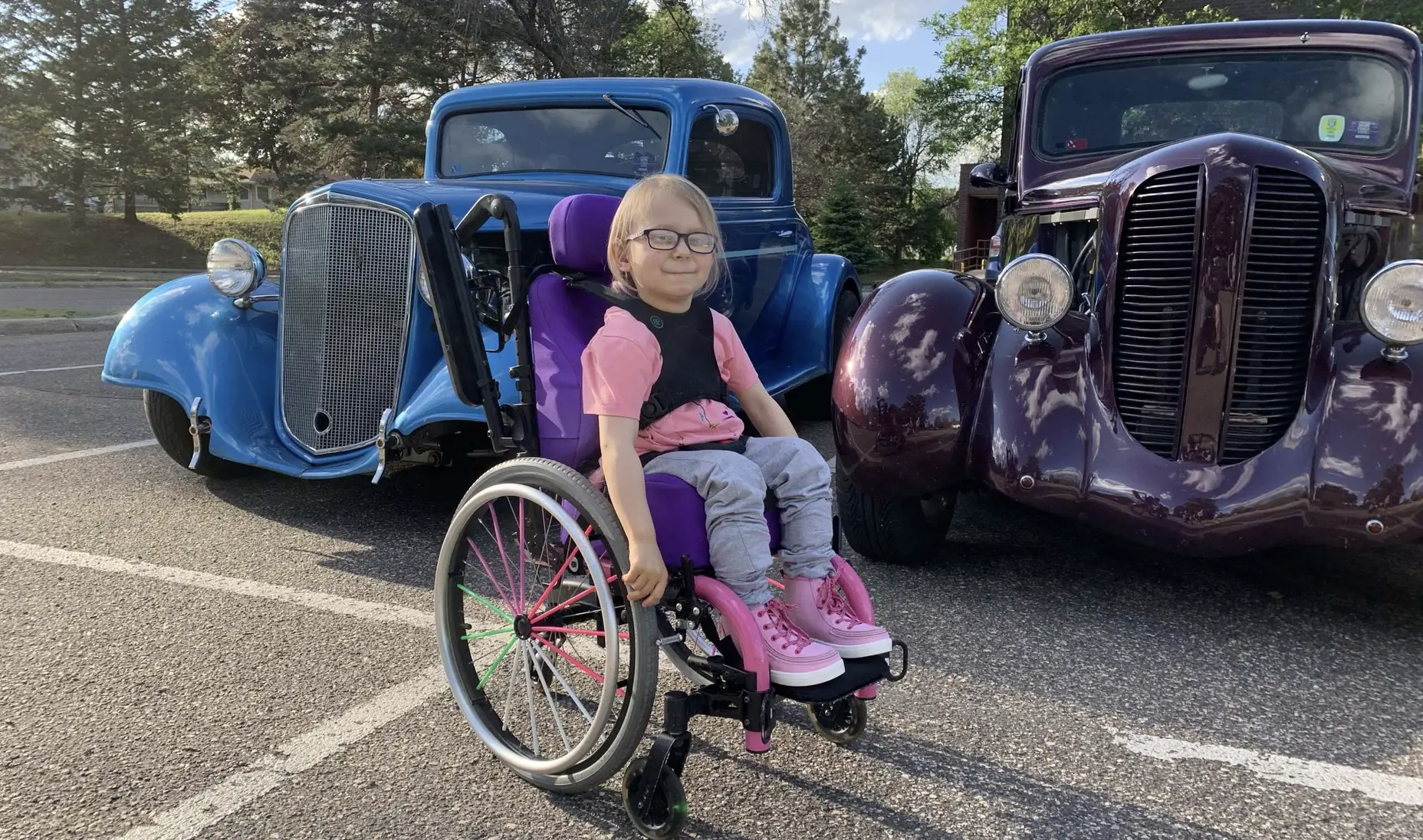
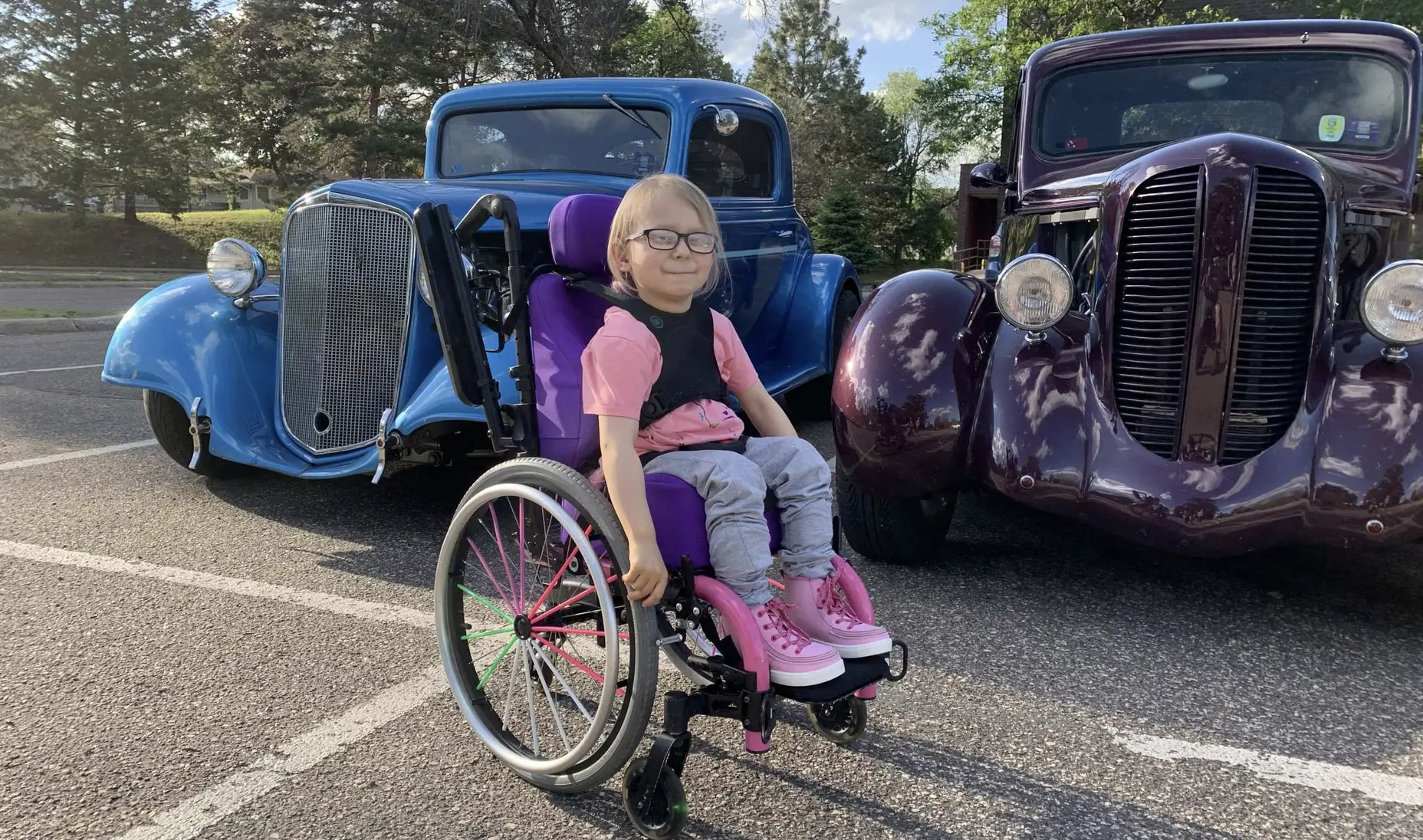
The trajectory of pediatric oncology has reached a critical juncture where the success of initial survival is increasingly weighed against the long-term physiological and psychological costs of aggressive treatment protocols. For patients like Emma, who was diagnosed with high-risk neuroblastoma at the age of two, the journey from diagnosis to remission serves as a profound case study in both the remarkable capabilities of modern medicine and the urgent need for more refined, less toxic therapeutic interventions. Emma’s case, characterized by a sudden loss of motor function and the discovery of a tumor pressing against her spinal column, underscores the aggressive nature of neuroblastoma, a malignancy that accounts for approximately 7% to 10% of all childhood cancers and is responsible for a disproportionate 15% of pediatric cancer deaths.
Neuroblastoma is a complex disease arising from immature nerve cells, known as neuroblasts, which fail to develop into functional nerve cells or fibers. While it most commonly originates in the adrenal glands, it can manifest anywhere along the sympathetic nervous system. In Emma’s instance, the primary threat was localized to the spine, but the "high-risk" designation of her pathology necessitated an exhaustive, multimodal treatment regimen that spanned 18 months. This period was marked by a relentless cycle of chemotherapy, surgical intervention, and advanced radiological techniques, reflecting the standard of care for patients whose tumors exhibit biological markers of aggression or have already metastasized.
The Chronology of a High-Stakes Clinical Intervention
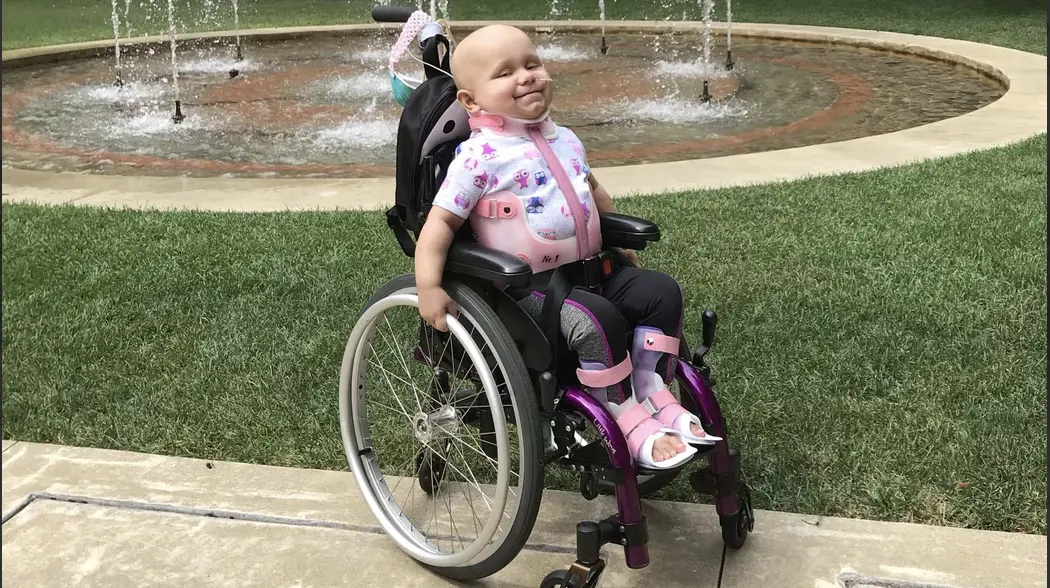
The medical response to Emma’s diagnosis was immediate and comprehensive, reflecting the urgency required to address high-risk neuroblastoma. The first priority was the administration of intensive chemotherapy to stabilize the tumor’s growth and reduce its mass before surgical intervention could be safely attempted. This was followed by a series of highly invasive procedures, including spinal cord surgery to alleviate the pressure causing her paralysis and a partial lung removal, a procedure necessitated by the tumor’s proximity to vital thoracic structures.
As the treatment progressed, Emma underwent proton beam radiation, a more precise form of radiotherapy that targets tumors while minimizing damage to surrounding healthy tissue—a critical consideration in pediatric patients whose organs are still developing. Following this, she underwent an autologous stem cell transplant, a procedure designed to "rescue" the bone marrow after high-dose chemotherapy has decimated the patient’s immune system. The final phase of her primary treatment involved immunotherapy, a burgeoning field of medicine that leverages the body’s own immune system to identify and destroy remaining cancer cells.
Despite the successful eradication of the primary tumor, the physical toll of these interventions has been permanent. Emma’s status as a survivor is tempered by a suite of "late effects"—chronic health issues that arise as a direct consequence of life-saving treatments. These include profound bilateral hearing loss, a common side effect of platinum-based chemotherapy agents like cisplatin, as well as permanent paralysis and a compromised immune system. Furthermore, the psychological burden of "scanxiety"—the pervasive fear of relapse—remains a constant factor in her daily life, highlighting the fact that for high-risk neuroblastoma patients, the end of treatment is rarely the end of the medical journey.
Statistical Disparities and the Challenge of High-Risk Cases
The clinical landscape of neuroblastoma is defined by a stark statistical divide. According to data from the American Cancer Society and the National Cancer Institute, children diagnosed with low-risk or intermediate-risk neuroblastoma have an exceptionally high five-year survival rate, often exceeding 95%. These cases frequently respond well to moderate surgery or observation, as some neuroblastoma tumors in infants can spontaneously regress.
However, the prognosis for high-risk cases remains one of the most significant challenges in pediatric oncology. For children like Emma, the five-year survival rate hovers between 50% and 60%, despite the use of the most intensive therapies available. The primary reason for this disparity is the propensity of high-risk neuroblastoma to metastasize to the bone marrow, bones, liver, and, in increasingly documented cases, the central nervous system (CNS). When neuroblastoma reaches the brain, the prognosis drops significantly, largely because the blood-brain barrier acts as a formidable obstacle to traditional chemotherapy agents.
The Goldsmith Study: A New Frontier in Targeted Immunotherapy
In response to these persistent challenges, the Children’s Cancer Research Fund (CCRF) is currently supporting a pioneering study led by Kelly Goldsmith, MD, at Emory University. This research focuses on the development of a novel immunotherapy utilizing gamma delta (γδ) T cells. Unlike the more commonly known alpha beta (αβ) T cells used in standard CAR-T cell therapies, gamma delta T cells possess unique properties that make them particularly suited for treating solid tumors like neuroblastoma.
Gamma delta T cells act as a bridge between the innate and adaptive immune systems. They are capable of recognizing stressed or malignant cells without the need for the complex "matching" required by other T cell therapies. This allows for the potential development of "off-the-shelf" treatments derived from healthy donors, which could be administered to patients more rapidly than traditional personalized cell therapies.
A primary focus of Dr. Goldsmith’s research is the engineering of these cells to target a specific protein known as GFRA2. This protein is frequently overexpressed on the surface of neuroblastoma cells, particularly those that have successfully invaded the central nervous system. By "programming" the gamma delta T cells to seek out GFRA2, researchers hope to create a treatment that can bypass the blood-brain barrier and eliminate metastatic cells in the brain that have historically been unreachable by conventional medicine.
Furthermore, the study aims to enhance the persistence of these cells within the patient’s body. One of the historical failures of immunotherapy in solid tumors has been the "exhaustion" of the injected immune cells, which often lose their efficacy before the cancer is fully eradicated. Dr. Goldsmith’s team is working on genetic modifications to ensure these T cells remain active and vigilant for longer periods, providing a sustained defense against recurrence.
The Logistical and Socioeconomic Burden of Survivorship
While the scientific community focuses on biological cures, Emma’s story also highlights the logistical and socioeconomic hurdles that define the post-cancer experience. Emma resides approximately one hour away from the nearest hospital, and her multidisciplinary care team is distributed across two different states. This geographical fragmentation creates significant barriers to accessing the specialized support she requires, including physical, occupational, and speech therapy.
The "financial toxicity" of pediatric cancer extends far beyond the initial hospital bills. For families in rural or semi-rural areas, the ongoing costs of travel, specialized equipment for paralysis, and the loss of parental income due to caregiving responsibilities create a secondary crisis. Emma’s ongoing need for therapy is not a luxury but a necessity for maintaining her quality of life, yet the current healthcare infrastructure often fails to provide seamless transitions from acute oncology care to long-term rehabilitative support.
Professional analysts in the field of pediatric healthcare suggest that Emma’s situation is representative of a "survivorship gap." As survival rates for high-risk cancers slowly improve, the healthcare system has not yet fully adapted to the needs of a growing population of survivors who require lifelong, specialized care. The mental exhaustion and fear of relapse mentioned in Emma’s case are also indicative of a need for more robust psychosocial support systems that are integrated into the standard of care, rather than treated as optional extras.
Broader Implications for the Future of Pediatric Medicine
The implications of the Goldsmith study and Emma’s lived experience suggest a paradigm shift in how pediatric cancer is approached. The goal is no longer just "survival at any cost," but "survival with a high quality of life." The shift toward targeted immunotherapies like the gamma delta T cell project represents an effort to move away from the "slash, burn, and poison" methods of the past—surgery, radiation, and chemotherapy—toward precision medicine that spares healthy tissue and reduces the incidence of late effects.
If Dr. Goldsmith’s research proves successful in clinical trials, it could pave the way for similar treatments in other pediatric solid tumors, such as osteosarcoma or Ewing sarcoma, which also suffer from high rates of metastasis and limited treatment options for advanced cases. The focus on the GFRA2 protein also opens new avenues for diagnostic imaging, potentially allowing doctors to identify CNS involvement much earlier than current technology permits.
In conclusion, Emma’s journey from a two-year-old who lost her ability to walk to a survivor navigating the complexities of a post-cancer life serves as both a testament to human resilience and a call to action for the medical community. While the 50-60% survival rate for high-risk neuroblastoma represents a significant improvement over previous decades, the persistent "late effects" and the difficulty of treating metastatic disease indicate that the battle is far from won. Through the continued funding of innovative research at institutions like Emory University and a renewed focus on the holistic needs of survivors, the hope is that future patients will not only survive their diagnosis but do so with the health and support necessary to thrive.
