
 By admin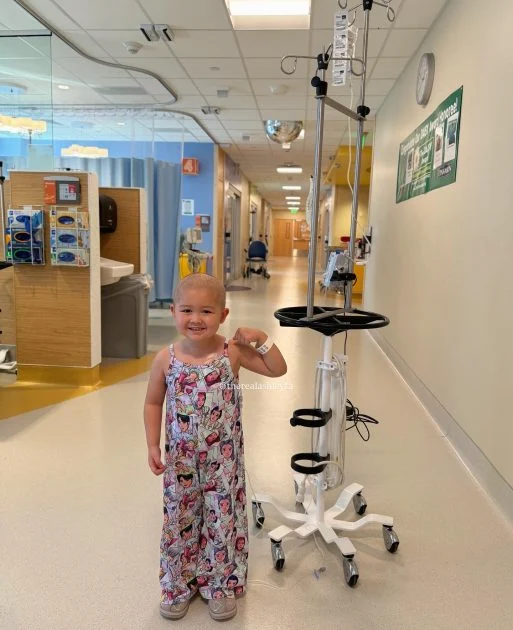
The American Childhood Cancer Organization (ACCO) has officially named four-year-old Rylee as a 2026 Ambassador, highlighting a journey defined by maternal intuition, rigorous medical intervention, and the resilient spirit of a child facing Acute Lymphoblastic Leukemia (ALL). Rylee’s story, while unique in its personal details, reflects a broader narrative within pediatric oncology—one where the persistence of caregivers often serves as the first line of defense against life-threatening illnesses. As she prepares for a treatment protocol extending into late 2027, Rylee’s case provides a window into the complexities of modern cancer care, the importance of targeted immunotherapy, and the critical role of psychological support systems for families in crisis.
The Challenge of Early Detection and the Power of Intuition
The path to Rylee’s diagnosis was marked by a series of clinical encounters that initially failed to identify the underlying malignancy. Her mother, Ashley, reported a progression of symptoms that included persistent fevers, chills, body aches, a swollen eye, inflamed lymph nodes, unexplained bruising, and joint pain. Despite multiple visits to Urgent Care facilities and Emergency Rooms, the family was repeatedly told that the symptoms were likely the result of minor infections or common allergies. This experience is not uncommon in pediatric oncology; many symptoms of childhood leukemia mimic those of routine childhood illnesses, often leading to diagnostic delays.
In clinical literature, the "gut feeling" of a parent is increasingly recognized as a significant factor in pediatric triage. Ashley’s refusal to accept a "minor" diagnosis led her to demand a comprehensive blood test on August 6th. By 5:00 PM that day, the results confirmed every parent’s greatest fear: Rylee had leukemia. The speed with which the situation escalated following the blood work—Rylee was transported via ambulance to a specialized facility in Denver within hours—underscores the acute nature of ALL, where white blood cell counts can reach dangerous levels rapidly, necessitating immediate stabilization and the commencement of chemotherapy.
A Life-Altering Diagnosis Amidst Military Deployment
The emotional burden of Rylee’s diagnosis was compounded by the logistical realities of military life. At the time of the diagnosis, Rylee’s father, Jacob, was deployed thousands of miles overseas. This left Ashley to navigate the initial shock of the news, the emergency transport, and the first critical week of intensive care as a solo parent. The intersection of childhood cancer and military service introduces unique stressors, including the "shattered" feeling of receiving life-altering news in isolation and the subsequent scramble to coordinate emergency leave for the service member.
For Rylee, the first week of treatment was a gauntlet of invasive procedures. Medical teams placed a port-a-cath for long-term venous access, performed a bone marrow biopsy to gauge the extent of the disease, and conducted a lumbar puncture to deliver chemotherapy directly into her spinal fluid—a preventative measure against the spread of leukemia to the central nervous system. These procedures, alongside five total transfusions of blood and platelets, represent the aggressive "induction" phase of treatment designed to force the cancer into remission.
The Clinical Landscape of Acute Lymphoblastic Leukemia
Acute Lymphoblastic Leukemia is the most common form of cancer diagnosed in children, accounting for approximately 80% of all pediatric leukemia cases. It is a cancer of the lymphoid line of blood cells, characterized by the overproduction of immature white blood cells (lymphoblasts). While the diagnosis is devastating, the prognosis for pediatric ALL has improved dramatically over the last several decades. According to the American Cancer Society, the five-year survival rate for children with ALL is now approximately 90%, a testament to the refinement of multi-agent chemotherapy protocols and the introduction of targeted therapies.
Despite the high survival rates, the treatment remains one of the most grueling in pediatric medicine. The standard of care involves several phases: induction, consolidation (or intensification), and a long-term maintenance phase. Rylee reached a significant milestone in early September when she was declared to be in remission, meaning that no leukemia cells were detectable in her bone marrow by standard microscopic examination. However, remission does not signal the end of treatment. To prevent relapse, Rylee’s protocol is scheduled to continue through October 2027, highlighting the marathon-like nature of pediatric cancer recovery.
Innovative Therapies and the Superhero Backpack
One of the more modern aspects of Rylee’s treatment is the use of Blinatumomab, often referred to as "Blina." Unlike traditional chemotherapy, which kills rapidly dividing cells throughout the body, Blinatumomab is a type of immunotherapy known as a bispecific T-cell engager (BiTE). It works by acting as a bridge, connecting the body’s T-cells (a type of immune cell) to the CD19 protein found on the surface of leukemia cells. This allows the patient’s own immune system to recognize and destroy the cancer.
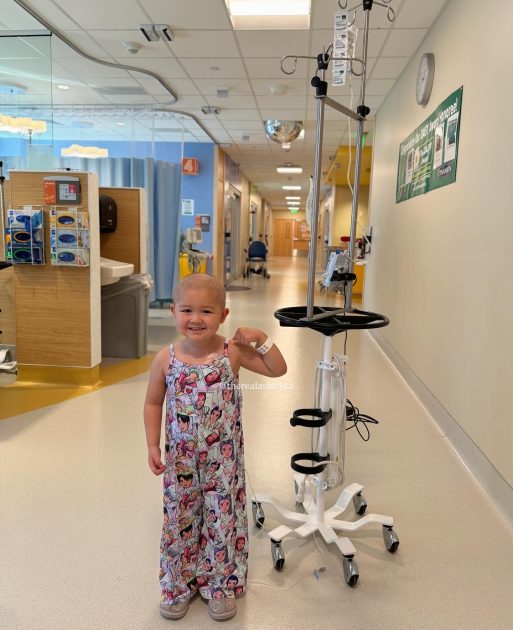
The administration of Blinatumomab requires a continuous infusion over a 28-day cycle. For a four-year-old, being tethered to an IV pole for a month would be developmentally and physically restrictive. To mitigate this, medical teams utilize portable infusion pumps housed in small backpacks. Rylee’s family has embraced this as her "superhero backpack," a psychological framing that transforms a medical necessity into a symbol of strength. This approach allows Rylee to maintain a degree of normalcy, enabling her to play with her siblings and ride her bike while receiving life-saving medication.
The Psychological Utility of Medical Play in Pediatric Oncology
Beyond the biological treatment of the disease, the psychological well-being of the child is a primary concern for organizations like the ACCO. Rylee’s engagement with the ACCO’s Medical Play Kit illustrates a critical concept in pediatric care: "medical play." This involves providing children with toy versions of the equipment they encounter in the hospital, such as syringes (without needles), stethoscopes, and bandages.
Pediatric psychologists argue that medical play helps children regain a sense of agency in an environment where they often feel powerless. By "treating" a doll or acting as "Dr. Ta," Rylee processes her trauma and demystifies the procedures she undergoes. When Rylee remarked, "I’m really going to be Dr. Ta now!" during her unboxing of the kit, she demonstrated a cognitive shift from being a passive recipient of care to an active participant in the medical world. This empowerment is vital for long-term mental health and cooperation with treatment.
The American Childhood Cancer Organization: A Legacy of Support
Rylee’s role as an Ambassador for the ACCO places her at the forefront of an organization with a deep history. Founded in 1970 by a group of parents whose children were diagnosed with cancer, the ACCO (formerly known as the Candlelighters Childhood Cancer Foundation) is the oldest and largest grassroots childhood cancer organization in the United States. Its mission is to provide resources, advocacy, and support to families at no cost.
The ACCO’s work is funded largely through donations, which support the distribution of Medical Play Kits, educational books, and peer support programs. By elevating Rylee as an Ambassador, the organization aims to raise awareness about the "gold ribbon"—the international symbol for childhood cancer—and the ongoing need for research funding. Pediatric cancer research remains chronically underfunded compared to adult cancers, a gap that the ACCO and its ambassadors work to close through public outreach and legislative advocacy.
Broader Implications for Parental Advocacy in Healthcare
The narrative of Rylee’s journey serves as a potent reminder of the importance of parental advocacy within the healthcare system. Ashley’s advice to "trust your gut" even when labeled an "overreacting mom" resonates with many families who have faced diagnostic challenges. In the context of a busy healthcare system, the persistence of a caregiver can be the catalyst for the specific diagnostic test that changes the outcome.
From a journalistic and systemic perspective, Rylee’s case highlights the need for better integration of parental observations into clinical decision-making. While clinicians rely on objective data and diagnostic algorithms, the "subjective" knowledge a parent has of their child’s baseline behavior is an invaluable diagnostic tool. When a parent reports that their child is "not themselves" despite normal-appearing vital signs, it warrants a deeper investigation.
The Road Ahead: Maintenance and Resilience
As Rylee moves forward, her life will be a balance between the rigors of oncology and the joys of early childhood. Her interests—tea parties, bike riding, and playing with siblings—are the very things that her treatment seeks to preserve. The road to October 2027 is long, involving regular clinic visits, blood draws, and the potential side effects of long-term medication. However, the early achievement of remission and the successful integration of immunotherapy provide a strong foundation for her recovery.
Rylee’s journey is documented by her mother not just as a personal archive, but as a testament to the reality of the "warrior" lifestyle. As Ashley noted, parents in this position do not have the luxury of falling apart; they must show up every day, even when their own hearts feel "shattered into a million pieces." This resilience, coupled with medical innovation and community support, defines the current state of pediatric oncology. Rylee, the 2026 ACCO Ambassador, stands as a symbol of that resilience, reminding the public that while kids can’t fight cancer alone, with the right advocates and medical tools, they can fight—and they can win.
