
 By Suherman Candra Maholtra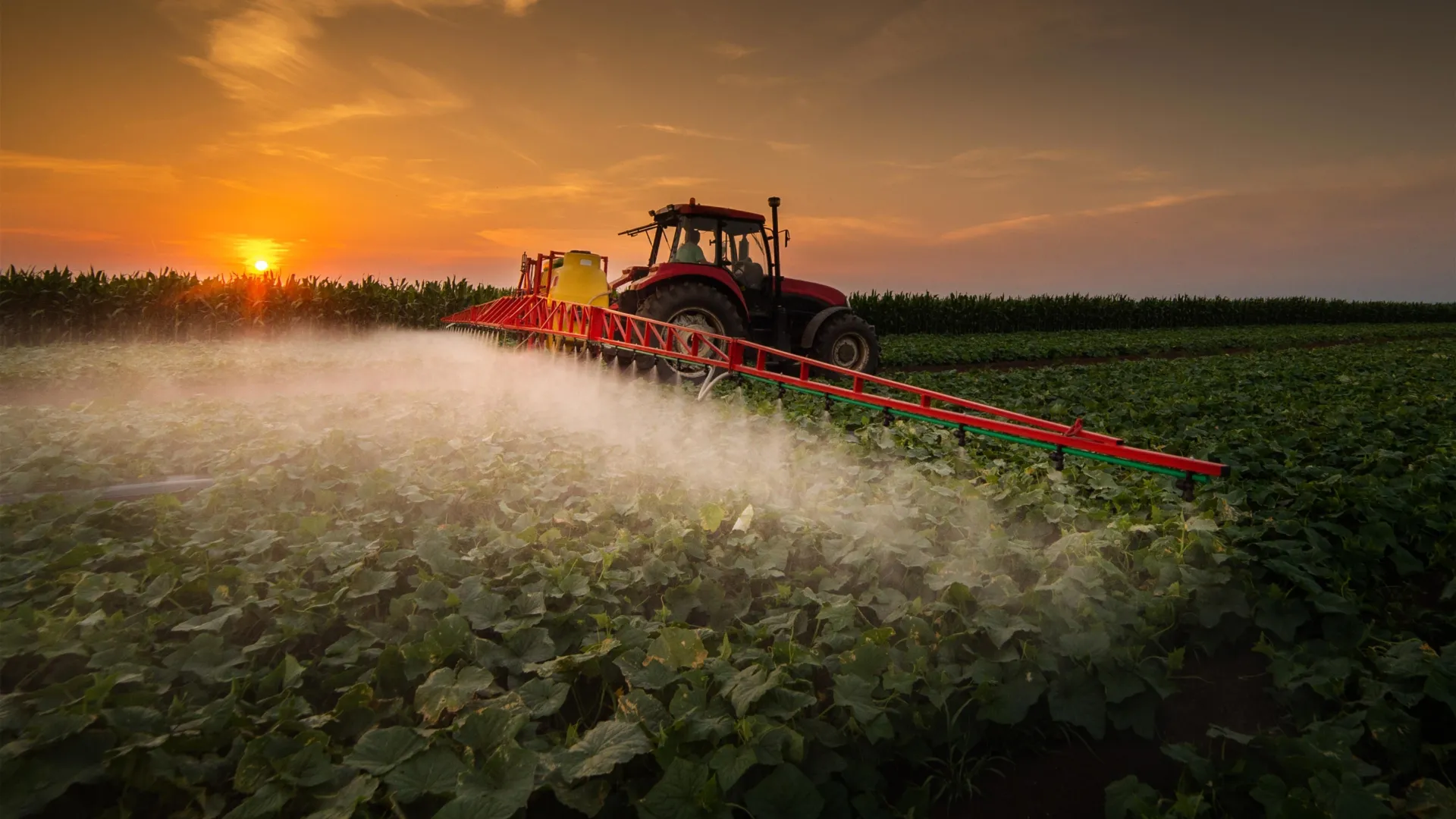
A comprehensive analysis led by researchers at the Penn State Cancer Institute has identified a significant correlation between agricultural land use and increased rates of melanoma in Pennsylvania. The study, published on November 14 in the journal JCO Clinical Cancer Informatics, reveals that residents in counties characterized by high levels of cultivated cropland and intensive herbicide application face a substantially higher risk of developing the deadliest form of skin cancer. The findings challenge the traditional public health narrative that melanoma risk is almost exclusively a byproduct of recreational sun exposure, suggesting instead that environmental and occupational factors related to farming may play a critical role in the disease’s prevalence across the Commonwealth.
Investigating the 15-County Melanoma Hotspot
The research team, spearheaded by scientists at the Penn State College of Medicine, conducted a meticulous review of cancer registry data spanning a five-year period from 2017 through 2021. Their analysis focused on the geographical distribution of melanoma cases across Pennsylvania’s 67 counties. The most striking discovery was the identification of a 15-county region in South Central Pennsylvania where the incidence of melanoma was disproportionately high.
According to the data, adults over the age of 50 living in this specific agricultural belt were 57% more likely to be diagnosed with melanoma compared to residents in other parts of the state. This demographic—individuals over 50—is particularly vulnerable as melanoma often develops after decades of cumulative environmental exposure. While Pennsylvania as a whole has seen rising skin cancer rates in recent decades, the concentration of cases in these rural and semi-rural counties prompted researchers to look beyond ultraviolet (UV) radiation as the sole culprit.
Charlene Lam, an associate professor of dermatology at Penn State Health and a co-author of the study, noted that the elevated risk was not confined to isolated pockets or specific occupational groups. "The elevated cases appear in both rural and urban counties within this region," Lam stated. She emphasized that the risk extends to entire communities, not just the farmers who work directly with the land.
The Statistical Correlation: Crops, Chemicals, and Cancer
To isolate the potential drivers of this trend, the researchers employed sophisticated statistical modeling. They adjusted for known variables, including the levels of ultraviolet radiation in different geographic areas and various socioeconomic factors such as income and access to healthcare. Even after these adjustments, two environmental factors remained consistently and strongly associated with higher melanoma rates: the amount of cultivated acreage and the intensity of herbicide use.
The study quantified these risks with precision. For every 10% increase in the amount of cultivated land within a county, there was a corresponding 14% rise in melanoma cases. Similarly, the use of herbicides showed a direct relationship with cancer incidence: a 9% increase in land treated with herbicides was linked to a 13% increase in melanoma diagnoses.
Pennsylvania is a major agricultural producer, with millions of acres dedicated to crops such as corn, soybeans, and wheat. These crops often require significant chemical intervention to manage weeds and pests. The researchers suggest that the sheer volume of these chemicals in the environment may be creating a unique risk profile for the surrounding populations.
Biological Mechanisms: Beyond the Sunburn
While the link between UV radiation and DNA damage is well-documented, the Penn State study explores how agricultural chemicals might exacerbate this process or create independent pathways for cancer development. Eugene Lengerich, emeritus professor of public health sciences at Penn State and the study’s senior author, explained that herbicides and pesticides are designed to be biologically active.
"Pesticides and herbicides are designed to alter biological systems," Lengerich said. "Some of those same mechanisms, like increasing photosensitivity or causing oxidative stress, could theoretically contribute to melanoma development."
Photosensitivity is a condition where the skin becomes abnormally sensitive to UV radiation following exposure to certain chemicals. If residents in agricultural areas are unknowingly exposed to photosensitizing herbicides through the air or water, their skin may become more susceptible to damage from even moderate amounts of sunlight. Furthermore, oxidative stress—a process where unstable molecules called free radicals damage cells—is a known precursor to many forms of cancer, including melanoma.
The study also referenced a growing body of international literature that supports these findings. Previous research has indicated that certain agricultural chemicals can interfere with the human immune response, making it harder for the body to identify and destroy early-stage cancer cells. In animal and plant studies, these chemicals have been shown to cause direct DNA damage, a hallmark of oncogenesis.
The Problem of Chemical Drift and Community Exposure
One of the most significant implications of the Penn State research is that environmental exposure is not limited to those who handle agricultural products professionally. The study highlights the phenomenon of "chemical drift," where herbicides applied to fields are carried by wind currents into neighboring residential areas.
"Our findings suggest that melanoma risk could extend beyond occupational settings to entire communities," Lam explained. These substances do not remain stationary; they can settle in household dust, accumulate in local soil, and even enter groundwater systems. Consequently, a resident who never enters a farm field but lives in a county with high agricultural activity may still experience chronic, low-level exposure to these substances.
This community-wide risk profile necessitates a shift in how public health officials approach skin cancer prevention. While traditional advice focuses on wearing hats and applying sunscreen at the beach, the Penn State team argues that residents in agricultural regions may need more targeted warnings regarding environmental contaminants.
Chronology of Research and Contextual Background
The Penn State study builds upon years of mounting concern regarding the health impacts of modern farming practices. Over the last two decades, the use of systemic herbicides has increased globally, driven by the adoption of genetically modified crops designed to withstand heavy chemical applications.
In 2015, the International Agency for Research on Cancer (IARC) classified certain common herbicides as "probably carcinogenic to humans," a move that sparked intense debate among regulators and the agricultural industry. While much of the focus has been on non-Hodgkin lymphoma, the Penn State study adds to a smaller but significant set of data linking these chemicals to skin malignancies.
Similar patterns of elevated melanoma in farming regions have been observed in Utah, as well as in European nations like Poland and Italy. The Pennsylvania study is unique in its focus on a specific 15-county region and its ability to correlate local cancer registry data with specific land-use patterns over a concentrated five-year window.
Limitations and the Need for Further Study
Despite the strong correlations found, the researchers were careful to characterize their findings as an association rather than definitive proof of causation. Benjamin Marks, the first author of the paper and a medical and public health student at the Penn State College of Medicine, cautioned that the study identifies a "signal" that requires deeper investigation.
"Think of this as a signal, not a verdict," Marks said. He noted that while the data suggests a connection between cultivated land, herbicides, and melanoma, other factors—such as genetic predispositions within certain populations, behavioral patterns, or specific regional environmental conditions—could also be contributing to the trend.
The study serves as a foundational "ecological" analysis, which looks at populations and environments rather than tracking individual patients’ specific chemical exposures over time. To move from association to causation, future research will need to involve longitudinal studies that monitor individual exposure levels and biological markers of damage.
A "One Health" Approach to Public Health
The findings have profound implications for public health policy and environmental regulation. Eugene Lengerich emphasized the importance of a "One Health" approach—a collaborative framework that recognizes the health of people is closely connected to the health of animals and our shared environment.
"Cancer prevention can’t happen in isolation," Lengerich stated. "If herbicides and farming practices are contributing to melanoma risk, then solutions must involve not just doctors, but farmers, environmental scientists, policymakers and communities working together."
This approach suggests that future interventions might include:
- Enhanced Environmental Monitoring: Increased testing of air and water quality in agricultural "hotspots" to track the spread of herbicides.
- Agricultural Innovation: Supporting farmers in adopting precision application technologies that reduce chemical drift and overall herbicide volume.
- Targeted Screenings: Providing increased access to dermatological screenings for residents in high-risk agricultural counties, particularly those over the age of 50.
- Public Education: Informing rural communities about the potential risks of environmental exposure and the importance of protective measures that go beyond sun avoidance.
Moving Forward: Next Steps in Research
As a direct result of these findings, the Penn State Cancer Institute is planning the next phase of its research. Charlene Lam is currently leading studies within the affected 15-county area to gather more granular data on farming practices and potential exposure pathways. This will involve interviewing residents and farmers to better understand the nuances of chemical use and lifestyle factors in these communities.
The research team also hopes that their work will encourage other states with significant agricultural sectors to conduct similar analyses. By identifying geographic and environmental patterns of cancer, public health officials can move toward more proactive and localized prevention strategies.
In the interim, health experts continue to urge all Pennsylvania residents—regardless of their proximity to farmland—to remain vigilant about skin health. This includes performing routine self-examinations, seeking professional skin checks for any changing moles or lesions, and utilizing sun-protective clothing and high-SPF sunscreen when outdoors.
The Penn State study, supported by the MPH Capstone Program, the Medical Student Research Project, and the Algin B. Garrett Professorship, stands as a critical reminder that the environment we live in is a powerful determinant of our long-term health outcomes. As the Commonwealth continues to balance its agricultural heritage with public health needs, the data provided by this research will likely serve as a cornerstone for future environmental and health policy discussions.
