
 By admin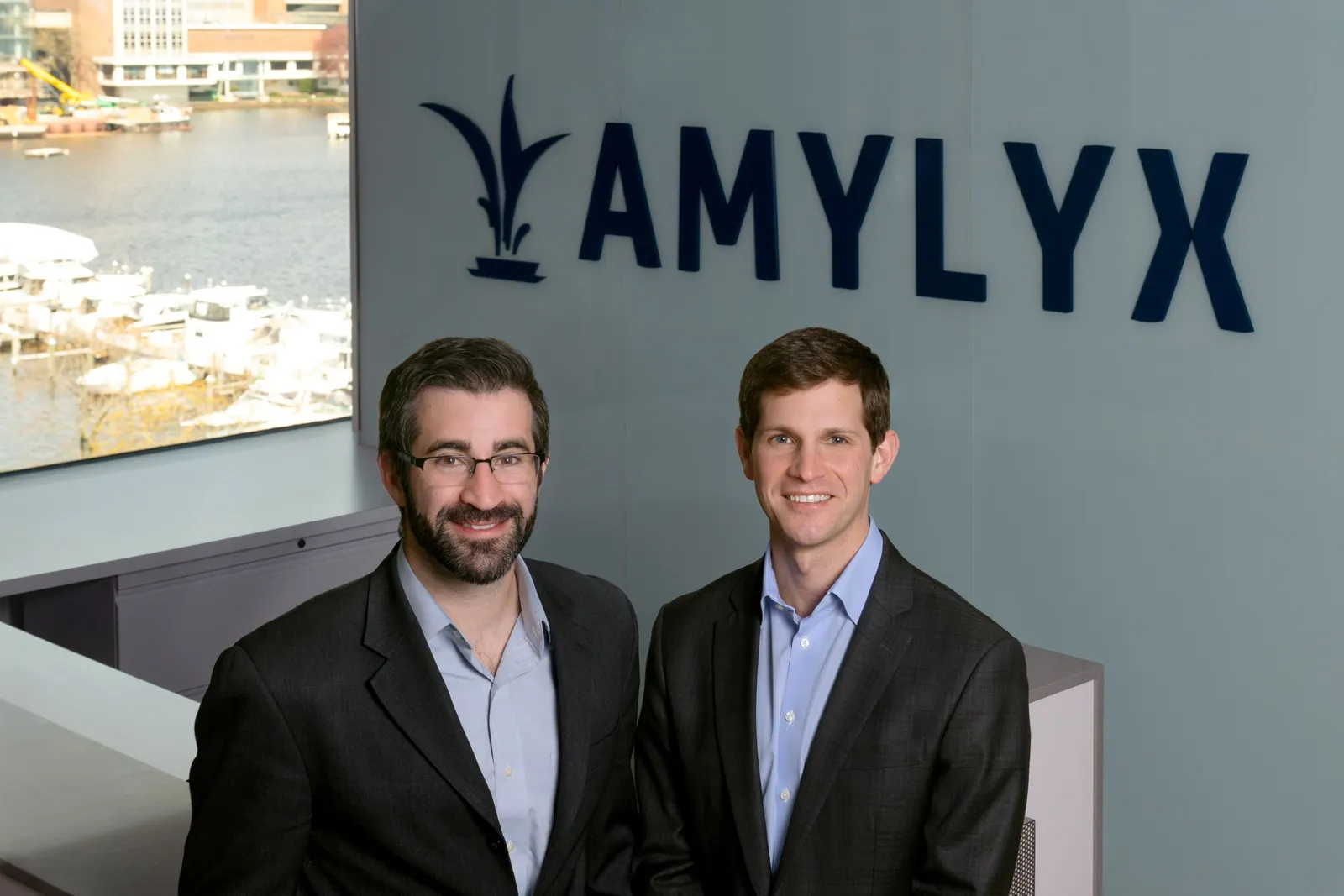
Boston-area biopharmaceutical company Amylyx Pharmaceuticals has reported overwhelmingly positive results from a pivotal Phase 3 clinical trial for its experimental drug, avexitide, designed to treat dangerously low blood sugar levels experienced by some patients following bariatric surgery, marking a significant potential turnaround for the firm. The announcement on Tuesday confirmed that avexitide, a potentially first-of-its-kind therapy for post-bariatric hypoglycemia (PBH), successfully met its primary endpoint, demonstrating a substantial 55% reduction in serious to severe hypoglycemic events compared to a placebo. This clinical breakthrough not only offers a beacon of hope for thousands of patients grappling with a debilitating and currently untreatable condition but also provides Amylyx with a crucial new commercial focus after a challenging period. The company plans to submit a New Drug Application (NDA) to the U.S. Food and Drug Administration (FDA) before the end of the year, aiming to bring this innovative treatment to market.
The Unmet Need: Understanding Post-Bariatric Hypoglycemia
Post-bariatric hypoglycemia (PBH) is a serious and often debilitating complication that can arise in individuals who have undergone bariatric surgery, particularly Roux-en-Y gastric bypass. While bariatric surgery is a highly effective intervention for severe obesity and associated metabolic conditions like Type 2 diabetes, a subset of patients subsequently develops reactive hypoglycemia. This condition is characterized by an exaggerated insulin response to food intake, leading to a rapid and significant drop in blood glucose levels, often several hours after a meal.
The symptoms of PBH are varied and can range from mild to life-threatening. Patients commonly experience neuroglycopenic symptoms, which occur when the brain is starved of its essential fuel, glucose. These include confusion, disorientation, dizziness, lightheadedness, tremors, palpitations, slurred speech, and loss of coordination. In more severe instances, patients can experience syncope (fainting), seizures, or even fall into a coma, necessitating emergency medical intervention. The unpredictable nature and severity of these events profoundly impact a patient’s quality of life, leading to anxiety, fear of eating, social isolation, and a significant burden on daily activities. Many patients live in constant apprehension of their next hypoglycemic episode, severely restricting their diets and lifestyles in an attempt to manage the condition.
Currently, there are no FDA-approved pharmacological treatments specifically for PBH. Management strategies largely revolve around dietary modifications, such as consuming frequent small meals, limiting simple carbohydrates, and increasing protein and fiber intake to stabilize blood sugar. However, these dietary interventions are often insufficient for patients with severe symptoms, who continue to experience recurrent and dangerous hypoglycemic events despite strict adherence. The prevalence of PBH varies, but research cited by the Cleveland Clinic Journal of Medicine indicates that it affects approximately one-tenth to one-third (10-33%) of patients who undergo bariatric procedures, translating to hundreds of thousands of individuals worldwide who lack an effective therapeutic option. This substantial unmet medical need underscores the critical importance of avexitide’s positive trial results.
Avexitide’s Clinical Breakthrough: Detailed Trial Results and Safety Profile
Amylyx Pharmaceuticals’ late-stage study, known as the Phase 3 GLP-1 Antagonist Study in Post-Bariatric Hypoglycemia (GLADIATOR) trial, rigorously evaluated the efficacy and safety of avexitide in patients with PBH. The trial’s primary endpoint, the reduction in serious to severe hypoglycemic events, was decisively met with a 55% decrease compared to placebo. This statistically significant outcome demonstrates avexitide’s potent ability to mitigate the most dangerous aspects of the disease.
Beyond efficacy, the trial also provided reassuring safety data. Researchers classified the majority of adverse events observed as mild or moderate in severity. The most commonly reported side effects included diarrhea and local reactions at the injection site, such as bruising or redness. These findings suggest a manageable safety profile, which is crucial for a chronic condition requiring long-term treatment. "What we heard very consistently from endocrinologists and people with [post-bariatric hypoglycemia] is that every one of these events is a medical emergency. Preventing even a single event matters," remarked Justin Klee, co-founder and co-CEO of Amylyx, in an interview. His co-founder and co-CEO, Joshua Cohen, further emphasized the significance, calling the new results a "home run" and far exceeding most expectations, while describing PBH as a "totally debilitating disease." The enthusiastic response from medical experts on the trial’s steering committee, who were reportedly "over the moon" upon learning the findings, highlights the profound impact this treatment could have on clinical practice and patient care.
A Novel Mechanism: Targeting GLP-1 Receptors Differently
A key aspect of avexitide’s innovation lies in its unique mechanism of action, which involves the glucagon-like peptide-1 (GLP-1) receptor system. GLP-1 is an incretin hormone that plays a crucial role in glucose homeostasis. Released from the gut in response to food intake, GLP-1 stimulates insulin secretion from pancreatic beta cells, slows gastric emptying, and reduces glucagon secretion, all contributing to lower blood glucose levels. This pathway has been successfully targeted by a blockbuster class of drugs, known as GLP-1 receptor agonists (e.g., semaglutide, tirzepatide), which activate GLP-1 receptors to treat Type 2 diabetes and promote weight loss by enhancing insulin release and other metabolic benefits.

Avexitide, however, takes a fundamentally different approach. Instead of activating GLP-1 receptors, avexitide acts as a GLP-1 receptor antagonist. In the context of PBH, patients often experience an exaggerated and rapid surge in GLP-1 secretion after bariatric surgery, leading to an excessive and untimely release of insulin. By blocking the GLP-1 receptors, avexitide aims to dampen this overactive insulin response, thereby preventing the severe drops in blood sugar that characterize PBH. This represents a novel therapeutic strategy, diverging significantly from the established GLP-1 agonist paradigm and showcasing the versatility of targeting this receptor system for different metabolic conditions. This targeted antagonism of GLP-1 is precisely what makes avexitide a potentially effective treatment for PBH, as it directly addresses the underlying pathological hyperinsulinism without interfering with the beneficial effects of GLP-1 in other physiological contexts.
Amylyx’s Strategic Re-evaluation and Acquisition: A Timeline of Resilience
The success of avexitide marks a pivotal moment for Amylyx Pharmaceuticals, which has navigated a turbulent period in its corporate history. The company had previously gained significant attention and an accelerated FDA approval in September 2022 for its first drug, Relyvrio (known as AMX0035), a treatment for amyotrophic lateral sclerosis (ALS). This approval was based on promising, though limited, Phase 2 data, with the condition of a confirmatory Phase 3 trial. However, in a rare and difficult decision announced in March 2024, Amylyx voluntarily withdrew Relyvrio from the market globally after the large confirmatory trial, called PHOENIX, failed to demonstrate a statistically significant benefit over placebo in slowing the progression of the fatal neurodegenerative disease. This withdrawal, accompanied by a significant restructuring and workforce reduction, was a major setback that led to a sharp decline in the company’s stock price and raised questions about its future.
Amidst this challenging backdrop, Amylyx strategically pivoted its focus. The company identified avexitide as a promising asset and acquired it for $35 million in April 2024 through the bankruptcy proceedings of Eiger BioPharmaceuticals. Eiger had been developing avexitide for several years, having conducted multiple mid-stage trials not only for post-bariatric hypoglycemia but also for congenital hyperinsulinism, another rare genetic disorder characterized by excessive insulin production. This prior clinical work provided Amylyx with a strong foundation and a clear pathway forward. Klee and Cohen recognized the strategic value, noting that Eiger’s previous trials suggested that Amylyx might only need one additional positive late-stage experiment to file a marketing application. This astute acquisition and rapid progression to a successful Phase 3 trial underscore Amylyx’s resilience and strategic acumen in identifying and rapidly advancing a high-potential therapeutic candidate. The company’s team has been diligently assembling the application throughout the year, with commercial launch preparations already underway, reflecting their confidence in the drug’s potential.
Regulatory Pathway and Commercial Outlook
The path to market for avexitide appears to be expedited, largely due to its FDA Breakthrough Therapy designation. This special status is granted to therapies that address serious or life-threatening conditions and demonstrate preliminary clinical evidence of substantial improvement over existing therapies. It facilitates faster development and review processes, allowing for more frequent interactions with the FDA and potentially an accelerated approval timeline. While Klee and Cohen refrained from confirming specific meetings with FDA staff prior to filing, the Breakthrough Therapy status strongly suggests a collaborative and efficient review process once the NDA is submitted.
Market analysts have quickly recognized the significant commercial potential of avexitide. In a client note, analysts at Mizuho Securities projected that risk-adjusted revenue from avexitide could reach an impressive $1.3 billion by 2040. Similarly, Joseph Thome, an analyst at TD Cowen, has modeled peak annual sales of avexitide hitting $1.5 billion in the U.S. alone. Thome further suggested that this figure "may prove conservative as diagnosis and awareness improve," indicating that the true market opportunity could be even larger as healthcare providers become more attuned to diagnosing and managing PBH with an approved therapeutic option. The lack of current approved treatments means avexitide would enter a blue-ocean market, commanding a premium pricing strategy typical for first-in-class drugs addressing unmet needs. Factors influencing market penetration will include the rate of diagnosis among bariatric surgery patients, physician education on the availability and benefits of avexitide, and patient advocacy.
Broader Implications and Future Prospects
The positive trial results for avexitide represent a profound turning point for Amylyx Pharmaceuticals. Financially, the news triggered a significant positive reaction, with the company’s stock price rising 14% in after-hours trading following the disclosure of early trial results. This rebound in investor confidence is critical for Amylyx, providing renewed stability and a clear commercial pathway. The potential revenue from avexitide could solidify the company’s financial position, allowing it to invest further in its pipeline and pursue other promising therapeutic candidates. Amylyx still has other programs, including the continued assessment of AMX0035 (Relyvrio’s active components) as a treatment for Wolfram syndrome, a rare genetic disorder, and an experimental genetic medicine for ALS, showcasing a diversified research and development strategy.
For the hundreds of thousands of patients suffering from PBH, avexitide offers a long-awaited solution. An approved treatment could dramatically improve their quality of life, reduce the frequency and severity of dangerous hypoglycemic events, and allow them to lead more normal, less fear-driven lives. It represents a significant advancement in metabolic medicine and highlights the potential of targeted GLP-1 receptor antagonism beyond the established agonist applications. This success could also spur further research into the therapeutic applications of GLP-1 receptor antagonists for other conditions characterized by hyperinsulinism or dysregulated glucose metabolism.
From a broader pharmaceutical landscape perspective, Amylyx’s journey serves as a testament to the high-stakes nature of drug development, the importance of strategic pivots, and the enduring quest to address significant unmet medical needs. The company reported a net loss of $43 million in the second quarter of the current fiscal year, and as of June 30, it held $251 million in cash, cash equivalents, and short-term investments, providing a financial runway projected to extend into 2028. The anticipated revenue stream from avexitide, should it gain regulatory approval, is expected to significantly bolster these financials, securing Amylyx’s long-term operational stability and enabling continued innovation in the biopharmaceutical space. The company’s ability to navigate adversity and emerge with a potentially groundbreaking therapy positions it as a resilient and innovative player in the industry.
