
 By Lina carolina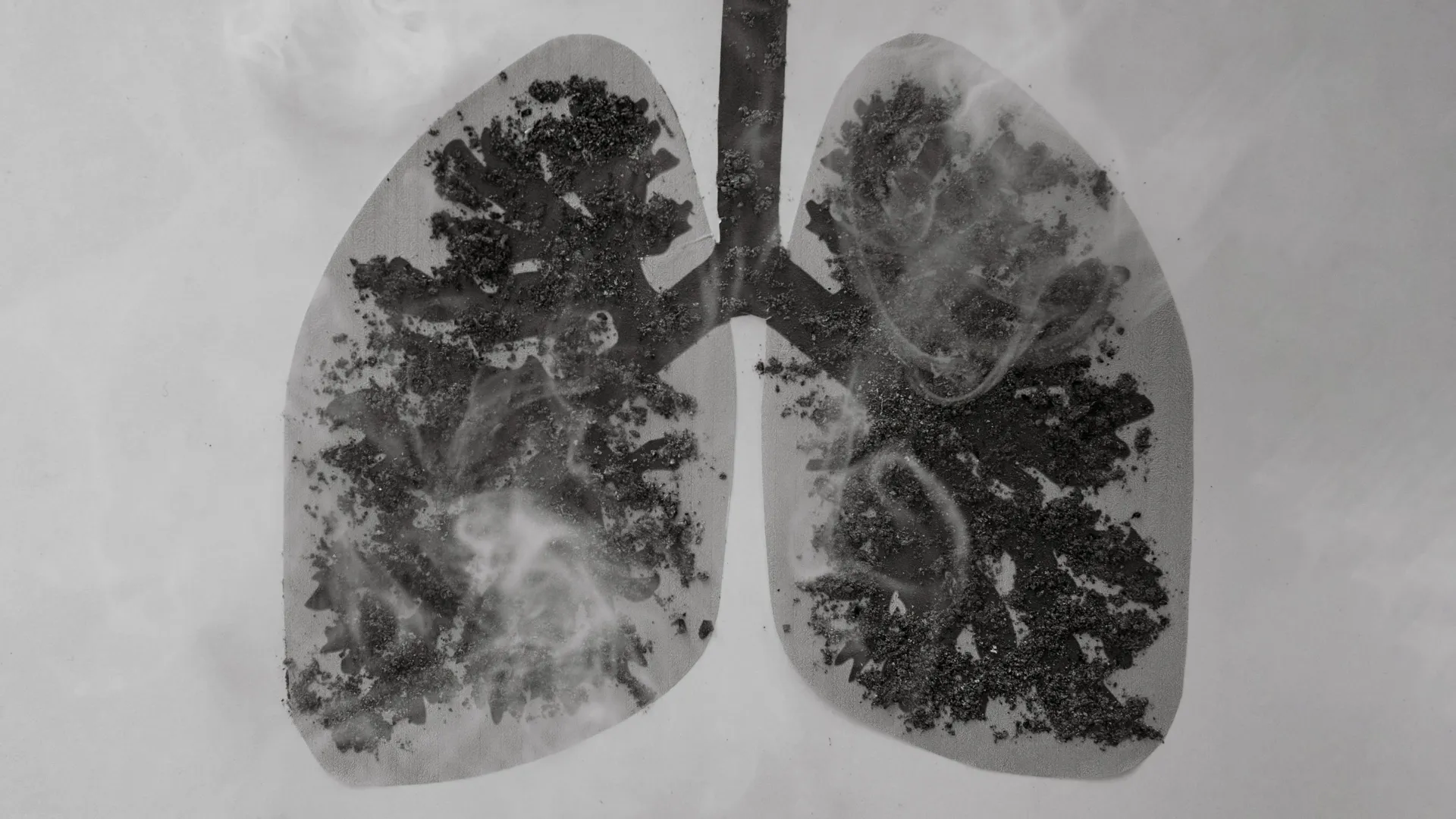
A groundbreaking study published on June 10th in ERJ Open Research has revealed a significant difference in the accumulation of carbon deposits within lung cells of individuals with Chronic Obstructive Pulmonary Disease (COPD) compared to those who smoke but do not have the disease. The research, conducted by scientists at the University of Manchester, UK, indicates that alveolar macrophages, crucial immune cells in the lungs, exhibit a greater burden of soot-like carbon in COPD patients. This accumulation appears to be associated with impaired lung function and heightened inflammation, offering new insights into the complex pathogenesis of COPD.
Unveiling the Role of Carbon in COPD Pathogenesis
COPD is a progressive and debilitating lung disease characterized by persistent airflow limitation, affecting millions worldwide. Its primary risk factors are well-established, with cigarette smoking being the most prominent, followed by exposure to environmental pollutants such as diesel exhaust and polluted air. These external agents introduce particulate matter, including carbon, into the delicate architecture of the lungs.
The study focused on alveolar macrophages, a type of white blood cell residing in the alveoli, the tiny air sacs where gas exchange occurs. Their primary function is to act as a first line of defense, engulfing foreign particles, pathogens, and cellular debris to maintain lung health. However, the Manchester-based research team, led by Dr. James Baker and Dr. Simon Lea, investigated how chronic exposure to carbon particles might compromise this protective mechanism in the context of COPD.
"COPD is a complex disease that has a number of environmental and genetic risk factors," explained Dr. Baker. "One factor is exposure to carbon from smoking or breathing polluted air. We wanted to study what happens in the lungs of COPD patients when this carbon builds up in alveolar macrophage cells, as this may influence the cells’ ability to protect the lungs."
Methodology and Key Findings
The researchers utilized lung tissue samples obtained from surgical procedures for suspected lung cancer. Crucially, they specifically analyzed samples that were confirmed to be free of cancerous cells. The study cohort comprised 28 individuals diagnosed with COPD and 15 individuals who were current smokers but did not exhibit COPD. This design allowed for a direct comparison between the two groups, isolating the impact of COPD beyond the general effects of smoking.
Under high-powered microscopy, the scientists meticulously examined the alveolar macrophage cells from each participant. Their analysis focused on two key parameters: the size of the cells and the quantity of carbon particles accumulated within them. The results presented a stark contrast.
The study found that alveolar macrophage cells from COPD patients contained, on average, more than three times the amount of accumulated carbon when compared to cells from smokers without COPD. Furthermore, the researchers observed a direct correlation between the presence of carbon and cell size, with carbon-laden macrophages consistently appearing larger than their counterparts with little to no visible carbon.
Carbon Accumulation and Lung Function Decline
A critical aspect of the research delved into the functional implications of this carbon burden. The study measured lung function using the FEV1% (Forced Expiratory Volume in one second) percentage, a standard metric that quantifies the volume of air a person can forcibly exhale in one second. This value is a key indicator of airway obstruction and disease severity in conditions like COPD.
The findings revealed a significant association: patients with larger deposits of carbon within their alveolar macrophages exhibited poorer lung function, as indicated by lower FEV1% values. This suggests a direct link between the physical accumulation of carbon particles and the functional decline characteristic of COPD.
To further elucidate the cellular mechanisms at play, the researchers conducted in-vitro experiments. They exposed healthy macrophages to carbon particles in a laboratory setting. The results mirrored their observations in human lung tissue. These exposed cells significantly increased in size and demonstrated an elevated production of pro-inflammatory proteins. This indicates that carbon itself can trigger inflammatory responses within these crucial lung immune cells, contributing to the chronic inflammation that defines COPD.
Distinguishing COPD-Specific Carbon Burden
Dr. Simon Lea emphasized the significance of the comparison between COPD patients and smokers without the disease. "As we compared cells from COPD patients with cells from smokers, we can see that this build-up of carbon is not a direct result of cigarette smoking," Dr. Lea stated. "Instead, we show alveolar macrophages in COPD patients contain more carbon and are inherently different in terms of their form and function compared to those in smokers."
This distinction is crucial. It suggests that while smoking is a primary contributor to COPD and introduces carbon into the lungs, the excessive accumulation and its pathological consequences observed in COPD patients may involve additional factors beyond simple exposure.
The study raises compelling questions about the underlying reasons for this increased carbon burden in COPD patients. Dr. Lea proposed two potential hypotheses: "It could be that people with COPD are less able to clear the carbon they breathe in. It could also be that people exposed to more particulate matter are accumulating this carbon and developing COPD as a result."
The research team plans to investigate these hypotheses further. "In future, it would be interesting to study how this carbon builds up and how lung cells respond over a longer period of time," Dr. Lea added. Such longitudinal studies could provide invaluable insights into the temporal dynamics of carbon accumulation and its progression within the COPD lung.
Expert Commentary and Broader Implications
Professor Fabio Ricciardolo, Chair of the European Respiratory Society’s group on monitoring airway disease, who was not involved in the study, provided an independent perspective on the research. "This set of experiments suggest that people with COPD accumulate unusually large amounts of carbon in the cells of their lungs," Professor Ricciardolo commented. "This build-up seems to be altering those cells, potentially causing inflammation in the lungs and leading to worse lung function."
Professor Ricciardolo also highlighted the study’s contribution to understanding the role of environmental pollution. "In addition, this research offers some clues about why polluted air might cause or worsen COPD," he noted. "However, we know that smoking and air pollution are risk factors for COPD and other lung conditions, so we need to reduce levels of pollution in the air we breathe and we need to help people to quit smoking."
The findings of this study have significant implications for public health initiatives and clinical management of COPD.
Public Health and Environmental Policy
The research reinforces the established link between air pollution and respiratory health. The elevated carbon burden in COPD patients, even when controlling for smoking status, underscores the potential role of inhaled particulate matter in disease development and exacerbation. This provides further impetus for stricter regulations on air quality and a continued push for cleaner energy sources and reduced industrial emissions.
- Timeline of Air Pollution Awareness and COPD: The understanding of air pollution’s impact on respiratory health has evolved significantly. Early epidemiological studies in the mid-20th century began to link smog events to increased respiratory mortality. By the late 20th century, the concept of "particulate matter" (PM) as a distinct health hazard gained traction, with ongoing research defining its composition and health effects. The current study builds upon this long-standing body of evidence by pinpointing a specific cellular mechanism of harm in COPD.
- Supporting Data: The World Health Organization (WHO) estimates that ambient (outdoor) air pollution causes 4.2 million premature deaths worldwide each year. Fine particulate matter (PM2.5), which includes carbon particles from combustion, is particularly harmful as it can penetrate deep into the lungs. In 2019, outdoor air pollution was responsible for an estimated 1.7 million deaths in the Western Pacific region alone.
Clinical Implications and Future Research
From a clinical perspective, the study opens avenues for further investigation into diagnostic and therapeutic strategies.
- Biomarker Potential: The amount of carbon within alveolar macrophages could potentially serve as a novel biomarker for COPD severity or progression. Future research could explore whether this accumulation can be reliably measured in less invasive samples, such as sputum, to aid in patient stratification and monitoring.
- Therapeutic Targets: Understanding how carbon accumulation impacts macrophage function could lead to the development of new therapeutic approaches. Strategies aimed at enhancing the clearance of particulate matter from the lungs or mitigating the inflammatory response triggered by carbon could prove beneficial for COPD patients.
- Individual Susceptibility: The observation that some smokers without COPD do not exhibit the same level of carbon accumulation raises questions about individual genetic or epigenetic factors that might influence susceptibility to particulate matter and the development of COPD. Further research into these factors could lead to personalized preventive and treatment strategies.
The study’s findings, while significant, also highlight the need for continued research into the multifaceted nature of COPD. The interplay between genetics, environmental exposures, and cellular responses is complex, and unraveling these interactions is crucial for improving the lives of individuals affected by this chronic disease. As Professor Ricciardolo aptly summarized, the call to action remains clear: reducing air pollution and supporting smoking cessation efforts are paramount in the global fight against COPD. This research provides a compelling scientific rationale for these ongoing public health imperatives.
