
 By Billy Candra
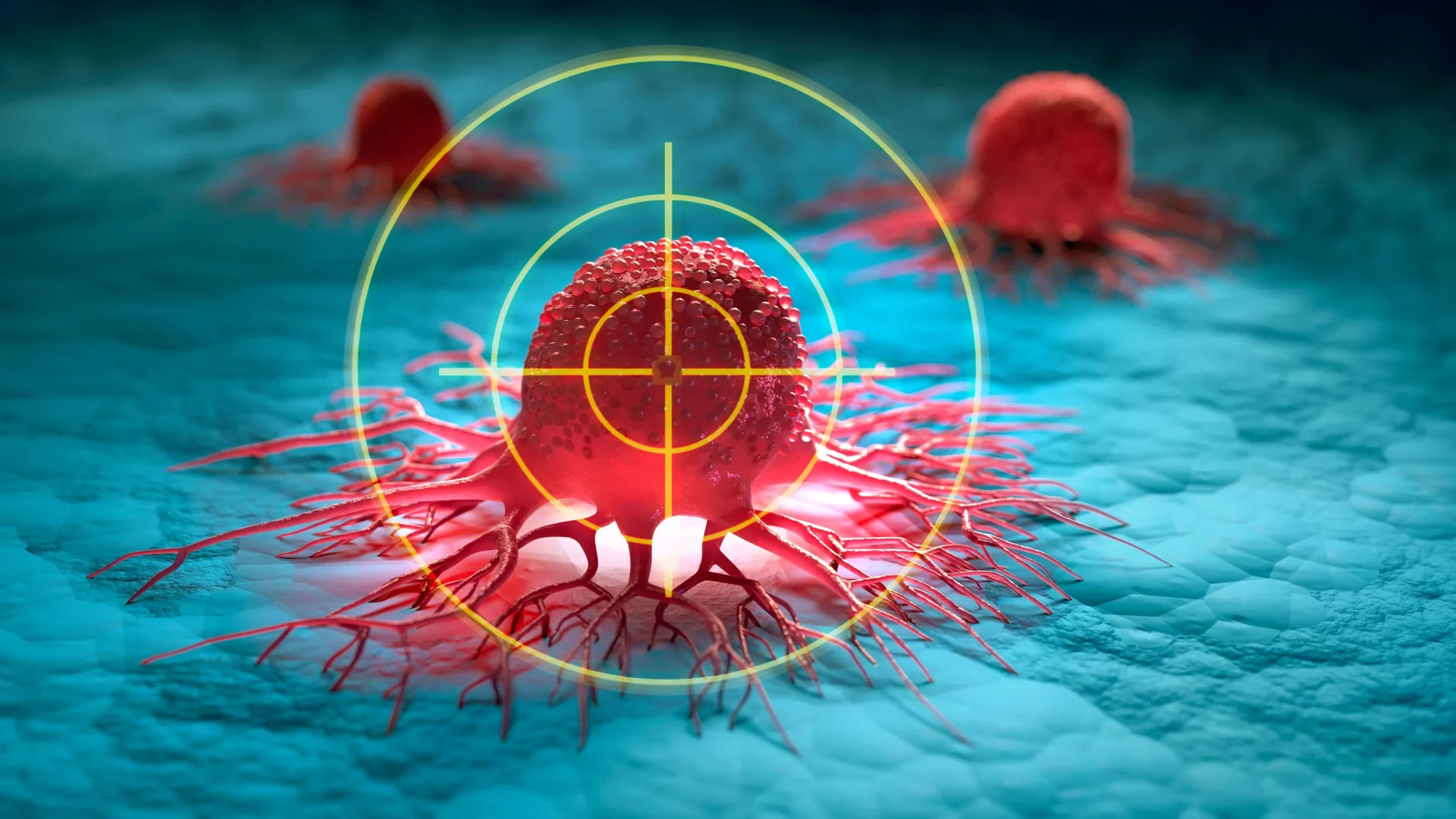
Scientists at the Icahn School of Medicine at Mount Sinai have announced a groundbreaking development in experimental immunotherapy, unveiling a novel strategy that deviates from conventional cancer treatments. Instead of directly assailing cancer cells, this innovative approach targets the supportive cells that encapsulate and shield them, effectively dismantling the tumor’s protective "fortress" from within. The research, which offers a promising new direction for treating advanced solid tumors that have historically resisted existing therapies, was published in the January 22 online issue of Cancer Cell, a Cell Press Journal. The findings are based on aggressive preclinical models of metastatic ovarian and lung cancer, demonstrating significant efficacy and offering a beacon of hope for patients facing these challenging diseases.
The Enduring Challenge of Metastatic Cancer
Metastatic cancer, defined by the spread of cancer cells from the primary tumor to distant sites in the body, remains the predominant cause of cancer-related deaths globally. Despite remarkable advancements in oncology, approximately 90% of all cancer fatalities are attributed to metastatic disease. Solid tumors, such as lung and ovarian cancers, are particularly formidable adversaries due to their aggressive nature, tendency to metastasize early, and complex biology that often renders them refractory to current treatments. For instance, lung cancer is the leading cause of cancer death worldwide, with a five-year survival rate dropping dramatically once it has metastasized. Ovarian cancer, often diagnosed at advanced stages due to its subtle symptoms, also presents significant challenges, with metastatic forms having a similarly poor prognosis.
The difficulty in treating these advanced solid tumors stems from several factors. One critical hurdle is tumor heterogeneity, where cancer cells within a single tumor exhibit diverse genetic mutations and characteristics, making it challenging for a single therapy to eliminate all malignant cells. Furthermore, solid tumors are often encased in a dense, immunosuppressive microenvironment that acts as a formidable barrier against immune attack and drug penetration. This complex ecosystem, composed of various non-cancerous cells, blood vessels, and signaling molecules, actively promotes cancer growth, survival, and resistance to therapy.
Limitations of Current Immunotherapies in Solid Tumors
Immunotherapy, which harnesses the body’s own immune system to fight cancer, has revolutionized cancer treatment over the past decade. Therapies like checkpoint inhibitors, which block proteins that prevent immune cells from attacking cancer, and CAR T-cell therapy, which engineers a patient’s T-cells to recognize and kill cancer cells, have achieved remarkable success, particularly in hematological (blood) cancers such as leukemia and lymphoma. For example, the first CAR T-cell therapy, Kymriah (tisagenlecleucel), was approved by the FDA in 2017 for pediatric and young adult patients with acute lymphoblastic leukemia, marking a pivotal moment in cancer care. Subsequent approvals have expanded CAR T-cell applications to other blood cancers.
However, translating this success to solid tumors has proven significantly more challenging. A primary reason for this disparity lies in the unique characteristics of solid tumor microenvironments (TMEs). Unlike blood cancers, solid tumors possess a dense stromal matrix and a diverse population of immune-suppressive cells that actively shield cancer cells from immune effector cells. The lack of universal, highly expressed, and specific target antigens on solid tumor cells also complicates the design of effective CAR T-cell therapies, which typically rely on identifying such markers to direct T-cells. Moreover, even when CAR T-cells successfully infiltrate solid tumors, they often become exhausted or functionally impaired by the hostile TME, limiting their persistence and efficacy.
A Paradigm Shift: Targeting the Tumor Microenvironment
Recognizing these formidable obstacles, the Mount Sinai team adopted a radically different strategy, drawing inspiration from the ancient Greek legend of the Trojan horse. Instead of attempting a direct assault on the cancer cells, which are often heavily guarded, their therapy aims to bypass these defenses by targeting the very cells that provide protection. This innovative approach focuses on tumor-associated macrophages (TAMs), a type of immune cell that, while typically beneficial in healthy tissues, becomes reprogrammed within the tumor environment to support cancer survival and growth.
"What we call a tumor is really cancer cells surrounded by cells that feed and protect them. It’s a walled fortress," explains lead study author Jaime Mateus-Tique, PhD, a faculty member in Immunology and Immunotherapy at the Icahn School of Medicine at Mount Sinai. "With immunotherapy, we kept running into the same problem — we can’t get past this fortress’s guards. So, we thought: what if we targeted these guards, turned them from protectors to friends, and used them as a gateway to bring a wrecking force within the fortress." This "Trojan horse" strategy represents a significant conceptual leap, shifting the therapeutic focus from the cancer cells themselves to their critical support network.
The Dual Role of Tumor-Associated Macrophages (TAMs)
Macrophages are versatile immune cells that play crucial roles in maintaining tissue homeostasis, clearing cellular debris, and initiating immune responses against pathogens. In healthy tissues, they act as early responders to infection and injury, helping to resolve inflammation and facilitate tissue repair. However, within the complex milieu of a developing tumor, these same cells undergo a profound transformation. They are "reprogrammed" by signals from cancer cells and other components of the TME, adopting a pro-tumor phenotype.
These reprogrammed TAMs become key orchestrators of tumor progression. They contribute to immune suppression by releasing inhibitory cytokines, hindering the activity of anti-tumor immune cells like killer T cells. They also promote angiogenesis (the formation of new blood vessels that feed the tumor), facilitate cancer cell proliferation, and aid in metastasis by remodeling the extracellular matrix. Crucially, TAMs form a significant component of the tumor mass, sometimes even outnumbering cancer cells, creating a physical and immunological shield that protects the malignant cells from immune surveillance and therapeutic agents. The Mount Sinai team’s insight was to view these abundant "guards" not as an insurmountable barrier, but as a critical vulnerability.
Engineering the "Armored" CAR T Cells for a New Target
The core of this novel therapy lies in re-engineering Chimeric Antigen Receptor (CAR) T cells. Traditional CAR T-cell therapy involves collecting a patient’s T-cells, genetically modifying them in the lab to express a CAR that recognizes a specific protein on the surface of cancer cells, expanding these engineered cells, and then infusing them back into the patient. The CAR acts like a homing device, enabling the T-cells to specifically bind to and destroy cancer cells.
For this new approach, the researchers redirected the CAR T cells to recognize tumor macrophages instead of cancer cells. This is a crucial distinction, as finding suitable, specific, and consistently expressed targets on solid tumor cells has been a major impediment to CAR T-cell efficacy in these cancers. By targeting TAMs, which are present in virtually every type of tumor and are critical for tumor survival, the therapy bypasses the challenge of tumor heterogeneity and antigen loss on cancer cells.
Beyond simply targeting TAMs, the Mount Sinai team further modified these CAR T cells, creating "armored" versions. These armored CAR T cells were engineered to release interleukin-12 (IL-12), a potent immune-stimulating cytokine. IL-12 plays a critical role in activating killer T cells (cytotoxic T lymphocytes) and natural killer (NK) cells, thereby enhancing the overall anti-tumor immune response. This dual action—removing the immune-suppressing TAMs and simultaneously boosting the activity of other immune cells via IL-12—is designed to comprehensively reshape the tumor microenvironment.
Preclinical Breakthroughs: Dramatic Results in Animal Models
The efficacy of this innovative therapy was rigorously tested in aggressive preclinical models of metastatic ovarian and lung cancer. These models are designed to closely mimic the advanced stages of human disease, providing a robust platform for evaluating novel treatments. The results observed in these experiments were dramatic and highly encouraging.
Mice treated with the engineered, armored CAR T cells exhibited significantly extended survival compared to untreated control mice. Remarkably, many of the treated animals achieved complete cures, indicating that the therapy was capable of eradicating established metastatic disease. This outcome is particularly significant given the aggressive nature of the cancer models used and the inherent difficulty in treating metastatic solid tumors. The ability to induce complete and durable responses in such challenging settings underscores the potential transformative impact of this new strategy.
To meticulously understand how the therapy exerted its profound effects within the tumor, the researchers employed advanced spatial genomics techniques. These cutting-edge analytical tools allowed them to map the cellular landscape of the tumor microenvironment at a high resolution, both before and after treatment. These analyses provided critical insights, revealing that the treatment profoundly transformed the tumor environment. Specifically, it led to the selective removal of immune-suppressing TAMs and, concurrently, a robust influx and activation of immune cells capable of killing cancer, such as cytotoxic T lymphocytes. This detailed mechanistic understanding reinforces the therapeutic rationale and highlights the precision with which the armored CAR T cells orchestrated this immune remodeling.
The Mechanism Unveiled: Reshaping the Tumor’s Defenses
The transformation of the tumor microenvironment is central to the success of this therapy. By selectively eliminating TAMs, the armored CAR T cells dismantle a key component of the tumor’s protective shield. This removal of immune-suppressing cells creates an opening, allowing the immune system to regain its anti-tumor functionality. The localized release of IL-12 by the armored CAR T cells then acts as a powerful amplifier, recruiting and activating other immune cells, particularly killer T cells, to join the fight against the cancer.
This shift from an immune-suppressed to an immune-active state within the tumor is particularly impactful because it renders the therapy largely "antigen-independent." This means that the treatment does not rely on identifying specific, unique cancer cell markers, which are often heterogeneous or prone to mutation in solid tumors. Instead, by targeting the common denominator of TAMs, the strategy possesses broad applicability across many different cancer types, including those that have previously shown resistance to traditional immunotherapies. The fact that the same approach proved effective in both lung and ovarian cancer models, two distinct and challenging solid tumor types, strongly underscores its potential as a broadly applicable treatment platform.
Senior author Brian Brown, PhD, Director of the Icahn Genomics Institute, and Mount Sinai Professor of Genetic Engineering, articulated the significance of this discovery: "Macrophages are found in every type of tumor, sometimes outnumbering the cancer cells. They’re there because the tumor uses them as a shield." He added, "What’s so exciting is that our treatment converts these cells from protecting the cancer to killing it. We’ve turned foe into ally." This encapsulates the innovative spirit of the research – repurposing the enemy’s defenses to become a weapon against it.
Expert Insights and Significance
The findings from the Icahn School of Medicine at Mount Sinai represent more than just another experimental treatment; they establish a fundamentally new paradigm for cancer therapy. By strategically targeting the tumor microenvironment, specifically tumor-associated macrophages, the researchers have demonstrated a viable pathway to overcome some of the most persistent challenges in treating solid tumors. This "outside-in" approach, focusing on the tumor’s supportive infrastructure rather than its malignant cells directly, could unlock new therapeutic avenues for cancers that have long been considered intractable.
The success in preclinical models of metastatic ovarian and lung cancer is particularly encouraging given the high unmet medical need in these patient populations. For patients whose cancers have progressed despite conventional treatments and even newer immunotherapies, this novel strategy offers a renewed sense of hope. The concept of reprogramming the tumor microenvironment to become immune-permissive, rather than immune-suppressive, has been a long-standing goal in cancer research, and this study provides compelling proof of concept for achieving it.
Dr. Brown emphasized the broader implications, stating, "This establishes a new way to treat cancer. By targeting tumor macrophages, we’ve shown that it can be possible to eliminate cancers that are refractory to other immunotherapies." This sentiment highlights the potential to expand the benefits of CAR T-cell therapy beyond its current scope in blood cancers, extending its reach to the vast majority of cancer patients suffering from solid tumors.
Looking Ahead: Translational Path and Future Promise
Despite the groundbreaking nature of these preclinical findings, the researchers underscore that studies in humans are still critically needed to determine whether the therapy is safe, tolerable, and effective for patients. The results, while dramatic, should be viewed as a robust proof of concept rather than an immediate cure for human cancer. The transition from animal models to human clinical trials is a complex and lengthy process, requiring rigorous testing to ensure both efficacy and patient safety.
The Mount Sinai team is now actively engaged in refining the approach. A key focus of their ongoing work is to precisely control where and how IL-12 is released within tumors in mouse models. Optimizing the spatial and temporal release of this powerful immune-stimulating molecule is crucial to maximize the therapy’s anti-tumor impact while simultaneously mitigating any potential systemic toxicities that could arise from widespread IL-12 activity. Their ultimate goal is to fine-tune the treatment regimen as it moves closer to potential human testing.
Beyond lung and ovarian cancer, the researchers express confidence that this strategy could form the basis for future CAR T therapies aimed at reshaping tumors by targeting their support cells, not solely the cancer cells themselves. This opens the door to a new generation of immunotherapies that leverage the tumor microenvironment as a strategic point of intervention, potentially expanding the reach of CAR T-cell therapy to a wide array of cancers previously deemed untreatable with this modality. The future of cancer therapy may increasingly lie in understanding and manipulating the intricate ecosystem that allows tumors to thrive.
The comprehensive study, titled "Armored macrophage-targeted CAR-T cells reset and reprogram the tumor microenvironment and control metastatic cancer growth," lists its authors as Jaime Mateus-Tique, Ashwitha Lakshmi, Bhavya Singh, Rhea Iyer, Alfonso R. Sánchez-Paulete, Chiara Falcomata, Matthew Lin, Gvantsa Pantsulaia, Alexander Tepper, Trung Nguyen, Angelo Amabile, Gurkan Mollaoglu, Luisanna Pia, Divya Chhamalwan, Jessica Le Berichel, Hunter Potak, Marco Colonna, Alessia Baccarini, Joshua Brody, Miriam Merad, and Brian D. Brown. The groundbreaking work received vital support from NIH grants (U01CA28408, R01CA254104), alongside generous contributions from the Alliance for Cancer Gene Therapy, the Feldman Family Foundation, and the Applebaum Foundation.
