
 By Suherman Candra Maholtra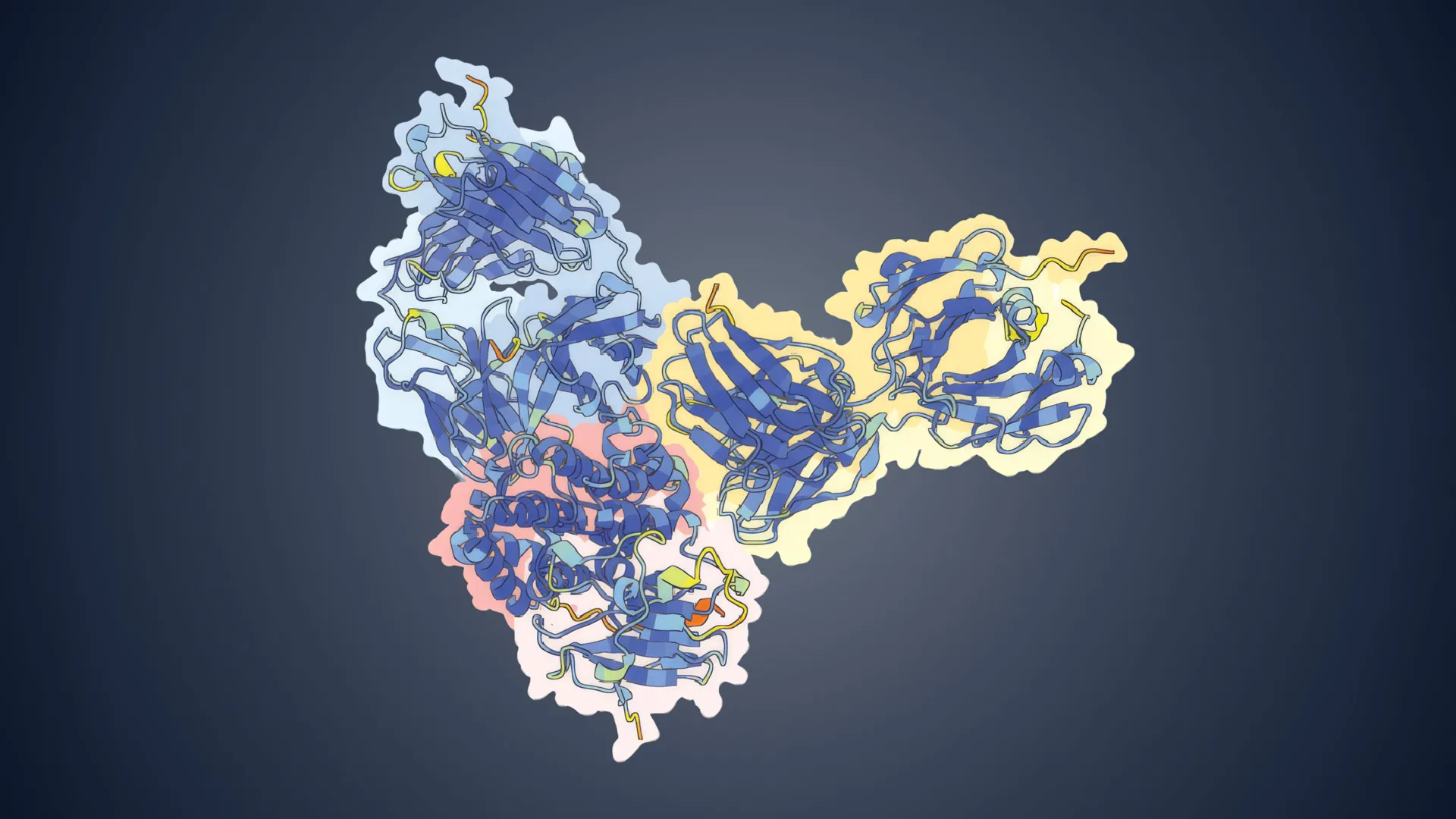
In a landmark development for global public health, an international consortium of scientists has leveraged high-performance artificial intelligence to identify a critical vulnerability in the monkeypox virus (MPXV), marking a significant leap toward the creation of next-generation vaccines and therapeutic treatments. The research, recently detailed in the journal Science Translational Medicine, highlights how the integration of machine learning and traditional immunology can drastically accelerate the timeline for drug discovery. By pinpointing a specific viral surface protein that had previously gone unnoticed by the scientific community, the team has opened a new front in the fight against a pathogen that has caused widespread illness and death across the globe over the last two years.
The study reveals that mice administered with a newly identified viral protein, discovered through AI-driven analysis, produced robust neutralizing antibodies capable of thwarting the virus. This breakthrough offers a potential alternative to current vaccination strategies, which rely on older, more complex technologies. As the world continues to grapple with the resurgence of mpox—particularly in regions of Africa where more virulent strains have emerged—this discovery provides a roadmap for interventions that are not only more effective but also easier to manufacture and distribute on a global scale.
The Global Mpox Crisis: Context and Evolution
The urgency of this research is underscored by the volatile history of the mpox virus. Historically endemic to parts of Central and West Africa, the virus gained international notoriety in 2022 when a massive multi-country outbreak occurred. During that period, the virus spread rapidly through social networks, infecting more than 150,000 individuals and resulting in nearly 500 confirmed deaths. The 2022 outbreak was characterized by painful rashes, lesions, and flu-like symptoms, placing an immense burden on healthcare systems that were still recovering from the COVID-19 pandemic.
While the 2022 outbreak was eventually stabilized in many high-income countries through behavioral changes and the deployment of existing smallpox vaccines, the threat has not dissipated. In 2024, a new and more lethal variant known as Clade Ib began spreading rapidly in the Democratic Republic of Congo and neighboring nations. This strain has shown a higher mortality rate and a concerning ability to spread through routine household contact, particularly endangering children and pregnant women. The limitations of current medical countermeasures have become increasingly apparent, as existing vaccines—originally designed for smallpox—are often in short supply and difficult to produce in the volumes required for a global emergency.
Limitations of Current Vaccine Technology
The primary defense against mpox currently involves the use of the JYNNEOS vaccine (also known as MVA-BN), which utilizes a modified, weakened version of the Vaccinia virus. While effective, these whole-virus vaccines present significant logistical and manufacturing hurdles. They require complex biological processes to grow the virus in cell cultures, leading to high production costs and lengthy manufacturing timelines. Furthermore, because they involve the entire viral structure, they can sometimes trigger broad immune responses that are less targeted than a refined, protein-based approach.
Jason McLellan, a professor of molecular biosciences at The University of Texas at Austin and a co-lead author of the study, emphasized the need for a more streamlined solution. "Unlike a whole-virus vaccine that’s big and complicated to produce, our innovation is just a single protein that’s easy to make," McLellan stated. This shift toward "subunit vaccines"—which use only a specific piece of the virus to trigger an immune response—mirrors the technological evolution seen in modern hepatitis B and shingles vaccines, which are known for their safety and efficacy.
The Methodology: Reverse Vaccinology and AI Integration
The research team, which included lead authors Rino Rappuoli and Emanuele Andreano from the Fondazione Biotecnopolo di Siena in Italy, employed a strategy known as "reverse vaccinology." This method flips the traditional vaccine development process on its head. Instead of starting with the virus and trying to weaken it, researchers start with the human immune system’s successful response to the infection.
The Italian team began by analyzing blood samples from individuals who had either recovered from an mpox infection or had been previously vaccinated. From these samples, they isolated 12 specific antibodies that demonstrated a powerful ability to neutralize the virus. However, isolating the antibodies was only half the battle. To create a vaccine, the scientists needed to know exactly which part of the virus these antibodies were "locking" onto.
This is where the complexity of the monkeypox virus became a barrier. MPXV is a large, complex DNA virus that displays dozens of different proteins on its surface. Identifying the specific "antigen"—the viral feature that the immune system recognizes—out of 35 potential candidates would typically require years of painstaking "trial and error" laboratory work.
To bypass this bottleneck, McLellan’s group utilized AlphaFold 3, an advanced AI model developed by Google DeepMind. AlphaFold 3 is designed to predict the 3D structures of proteins and how they interact with other molecules. By inputting the genetic sequences of the viral proteins and the structures of the patient-derived antibodies, the AI was able to simulate thousands of interactions in a fraction of the time it would take a human team.
Discovery of OPG153: The Hidden Target
The AI model identified a protein named OPG153 with a high degree of confidence, suggesting it was the primary target for the most effective neutralizing antibodies. Remarkably, OPG153 had been largely overlooked in previous research. Before this study, it had never been considered a viable target for vaccine or antibody development.
"It would have taken years to find this target without AI," McLellan noted. "It was really exciting because no one had ever considered it before. It had never been shown to be a target of neutralizing antibodies."
Once the AI pointed toward OPG153, the team moved back into the laboratory to validate the prediction. They engineered the protein and tested it in animal models. The results were definitive: mice that were immunized with the OPG153 protein produced the same type of high-potency neutralizing antibodies found in the human survivors. This confirmed that OPG153 is an essential component of the virus’s machinery and a "weak point" that a vaccine can exploit.
Chronology of Research and Development
The path to this discovery followed a rigorous timeline that underscores the collaborative nature of modern international science:
- May 2022: The global mpox outbreak begins, prompting the collection of biological samples from infected and recovered patients in Europe and North America.
- Late 2022 – Early 2023: Researchers at Fondazione Biotecnopolo di Siena isolate and characterize 12 potent neutralizing antibodies from the patient samples.
- Mid-2023: The UT Austin team receives the antibody data and begins the AI-modeling phase using AlphaFold to screen the MPXV proteome for potential antigens.
- Late 2023: OPG153 is identified as the top candidate. Laboratory synthesis of the protein begins, followed by immunization trials in mice.
- Early 2024: Experimental data confirms that OPG153-induced antibodies effectively neutralize the virus in vivo.
- Late 2024: The findings are peer-reviewed and published in Science Translational Medicine, accompanied by patent filings for the antigen and the associated antibodies.
Implications for Smallpox and Biosecurity
The discovery of OPG153 has implications that extend far beyond the current mpox crisis. MPXV belongs to the Orthopoxvirus genus, which also includes the Variola virus—the causative agent of smallpox. Although smallpox was declared eradicated in 1980, it remains a significant concern for global biosecurity due to its high mortality rate and potential for aerosol transmission.
Because the proteins in the Orthopoxvirus family are closely related, a vaccine targeting OPG153 could potentially provide cross-protection against smallpox. This would allow governments to stockpile a safer, more stable, and more easily manufactured protein-based vaccine as a defense against a potential re-emergence of smallpox, whether through accidental release or intentional misuse.
Economic and Manufacturing Advantages
One of the most significant impacts of this research lies in the realm of global health equity. Current mpox vaccines require "cold chain" storage—extremely low temperatures—to remain viable, which makes distribution in rural or resource-limited areas of Africa nearly impossible. Furthermore, the high cost of production makes them prohibitively expensive for the countries that need them most.
A protein-based vaccine, like the one proposed using OPG153, is generally more thermostable, meaning it can survive at higher temperatures for longer periods. Additionally, the manufacturing process for recombinant proteins is well-established and can be scaled up quickly using existing facilities that produce other common vaccines. This could lead to a significant reduction in the per-dose cost, making the vaccine accessible to the millions of people in the Congo Basin and other regions where the virus is endemic.
Official Responses and Future Directions
The scientific community has reacted with cautious optimism to the study. While the results in mice are promising, the transition to human clinical trials is the next critical hurdle.
The University of Texas at Austin has already filed a patent application for the use of OPG153 and its derivatives. Simultaneously, the Fondazione Biotecnopolo di Siena has secured patent protections for the specific antibodies identified. These legal steps are essential for attracting the pharmaceutical partnerships necessary to fund expensive human trials.
"We started with people who survived infection… and worked backward to find what part of the virus acted as the antigen," McLellan explained. "Then we engineered the antigen to elicit similar antibodies in mice." The next phase involves refining these antigens to ensure they provide long-lasting immunity and testing them for safety in humans.
Additional contributors to the study from UT Austin included Emily Rundlet, Ling Zhou, and Connor Mullins, with funding support provided in part by the Welch Foundation. The collaborative effort highlights a growing trend in biotechnology: the marriage of academic research, international cooperation, and cutting-edge computational tools.
Conclusion: A New Era of Vaccine Design
The identification of OPG153 represents more than just a potential new shot in the arm; it symbolizes a shift in how humanity responds to emerging infectious diseases. By using AI to "decode" the virus and reverse vaccinology to mimic the body’s natural successes, scientists are moving away from the era of "one-size-fits-all" whole-virus vaccines toward a future of precision vaccinology.
As the team prepares for the next stages of development, the global health community watches closely. If the OPG153-based vaccine proves successful in humans, it will not only provide a vital tool to end the current mpox threat but also serve as a blueprint for rapidly responding to the next "Disease X" that may emerge on the global stage. The integration of AI into this field has effectively shortened the distance between an outbreak and a solution, offering a new sense of hope in the ongoing battle against viral evolution.
