
 By admin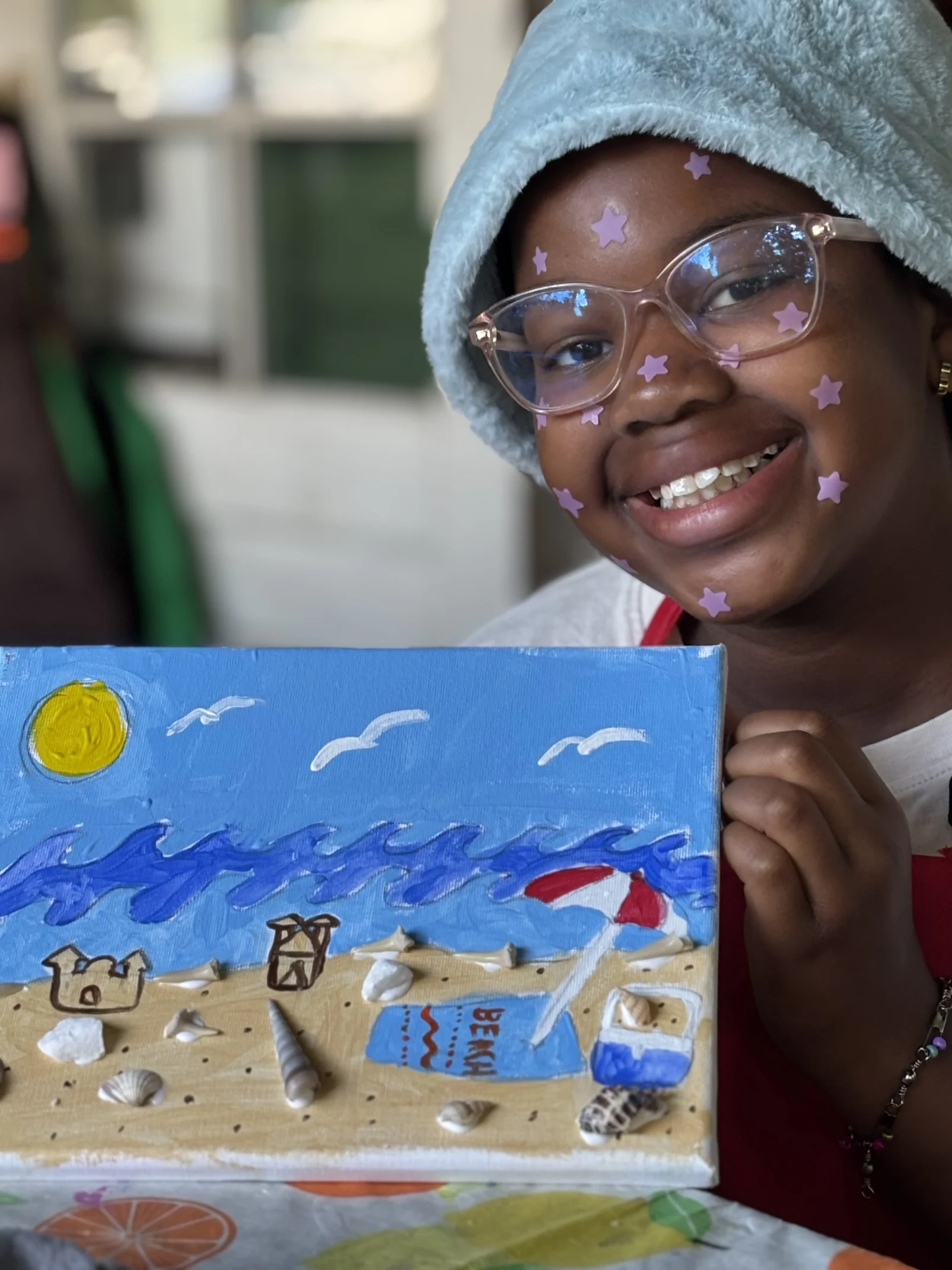
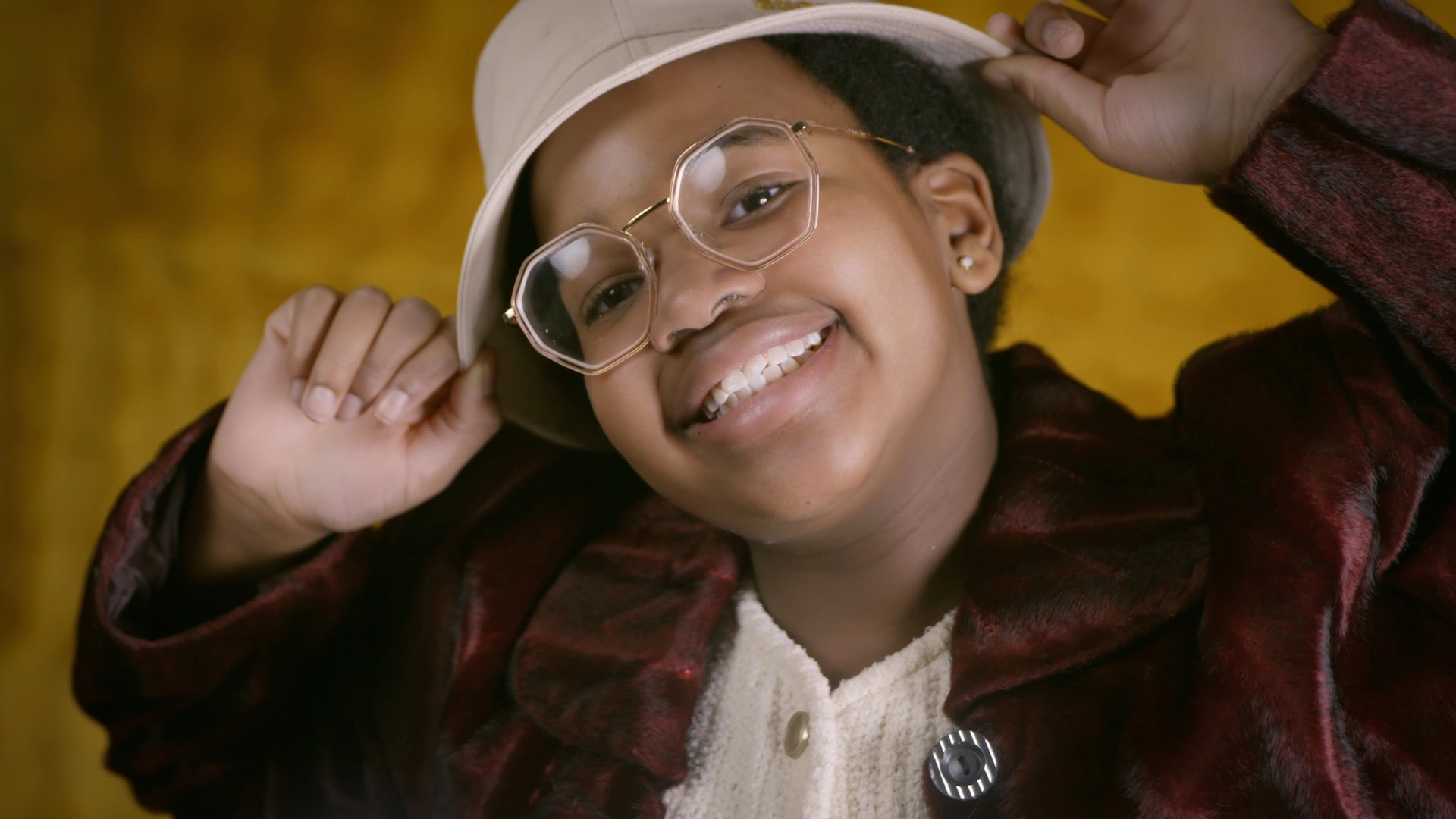
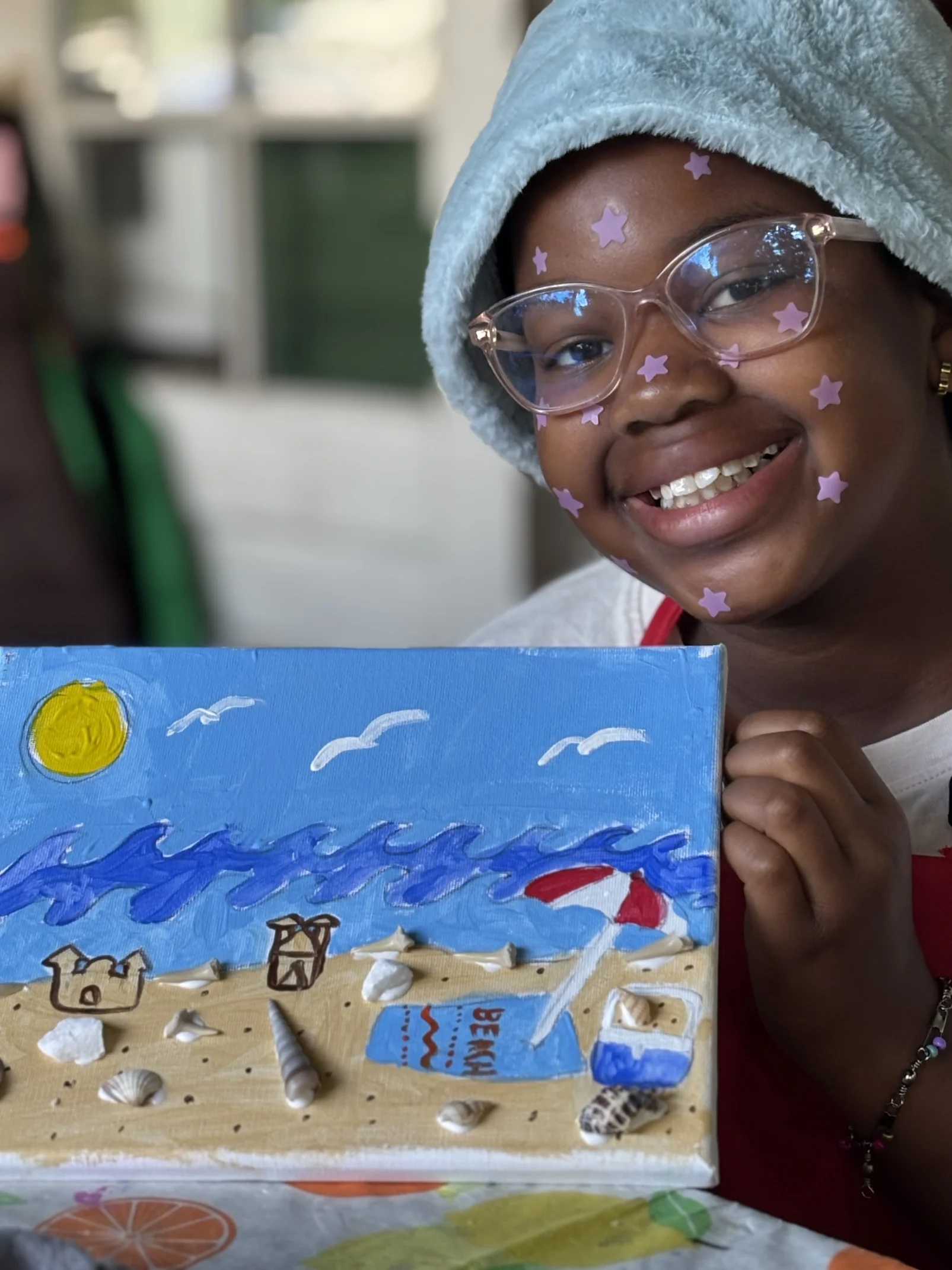
In a quiet bedroom, 10-year-old Valerie keeps a piece of artwork that serves as a profound manifesto of her identity, one that stands in stark contrast to the labels often imposed by a medical diagnosis. For Valerie, known affectionately as Val, a piece of creative writing hanging on her wall is more than just a creative exercise; it is a declaration of autonomy. Following a grueling battle with Hodgkin lymphoma, Val has utilized her artistic talents—spanning drawing, dance, and music—to reframe her experience not as a victim of a life-threatening illness, but as a survivor defined by resilience and creativity. This journey from a shocking diagnosis to her current role as an ambassador for the Children’s Cancer Research Fund (CCRF) highlights the evolving landscape of pediatric oncology, where the focus has shifted toward high-efficacy treatments with reduced long-term toxicity.
Val’s story has gained national attention as she prepares to join four other childhood cancer survivors for the highly anticipated return of Glamorama. The event, a legendary fashion and variety production, serves as a major benefit for the Children’s Cancer Research Fund, an organization dedicated to closing the funding gap in pediatric cancer research. As an ambassador, Val is tasked with helping bring the production to life, using the same imagination that helped her navigate the darkest days of chemotherapy. Her participation underscores a broader narrative in the medical community: the vital importance of psychological well-being and community support in the successful treatment of pediatric patients.
Clinical Context and the Evolution of Hodgkin Lymphoma Treatment
Valerie’s medical journey began with symptoms that were initially difficult to pin down. Living in a region often celebrated for its dairy industry, her mother, Adaora, initially suspected a dietary intolerance or a digestive issue as Val complained of recurring stomach pain. However, as the symptoms persisted and intensified, Adaora’s professional background as a physician proved pivotal. Recognizing that the clinical picture was shifting toward something more systemic and serious, she sought further diagnostic testing.
The eventual diagnosis was Hodgkin lymphoma, a cancer of the lymphatic system. While Hodgkin lymphoma is one of the most curable forms of childhood cancer, it is relatively rare in children as young as Valerie, as it typically sees a higher incidence in adolescents and young adults. According to the National Cancer Institute, Hodgkin lymphoma accounts for roughly 3% of all childhood cancers. The disease is characterized by the presence of Reed-Sternberg cells—large, abnormal lymphocytes that begin to proliferate in the lymph nodes.
Val’s treatment regimen represented the cutting edge of pediatric oncology. She underwent a combination of traditional chemotherapy and immunotherapy. This "dual-track" approach is the result of decades of clinical trials aimed at "de-escalating" treatment. In the past, aggressive radiation and high-dose chemotherapy were the standards of care, often leading to severe "late effects" such as secondary cancers, cardiovascular disease, and infertility later in life. Modern protocols, like the one Valerie received, prioritize targeted therapies that train the immune system to recognize and destroy cancer cells while minimizing damage to healthy tissue. Today, the five-year survival rate for children with Hodgkin lymphoma exceeds 95%, a testament to the research funded by organizations like the CCRF.
A Chronology of Resilience: From Nigeria to the Oncology Ward
Valerie’s path to survivorship is marked by significant life transitions. Before the diagnosis, Valerie and her mother moved from Nigeria to the United States, a transition that required adapting to a new culture, climate, and social environment. This move, while challenging, demonstrated the family’s inherent adaptability—a trait that would be tested when Valerie’s health began to decline.
The timeline of her illness followed a rapid progression:
- Initial Presentation: Intermittent abdominal pain and lethargy were initially attributed to minor ailments or the stress of relocation.
- Diagnostic Escalation: When the pain became chronic, Adaora advocated for comprehensive imaging and biopsies, leading to the Hodgkin lymphoma diagnosis.
- Treatment Phase: Valerie began a multi-month protocol involving intravenous chemotherapy and immunotherapy. During this time, she faced the physical toll of the medication, including the loss of her hair.
- The Artistic Pivot: It was during the peak of her treatment that Valerie created her "BALD" artwork. Rather than viewing hair loss as a loss of self, she used the word as an acronym for strength and confidence, effectively reclaiming her narrative from the side effects of the medication.
- Remission: Following the completion of her protocol, scans confirmed that Valerie was cancer-free.
- Advocacy: In late 2023 and early 2024, Valerie transitioned from patient to advocate, joining the CCRF as a public face for the need for continued research funding.
The Role of Creative Expression in Pediatric Healing
Medical professionals increasingly recognize that the "cure" for cancer involves more than just the eradication of malignant cells; it requires the preservation of the child’s spirit. Valerie’s reliance on the cello, dance, and drawing provided a psychological buffer against the isolation of the hospital environment. Research published in the Journal of Pediatric Oncology Nursing suggests that art therapy can significantly reduce perceived pain and anxiety in children undergoing chemotherapy.
For Val, the "BALD" poem was a turning point. "Going through chemotherapy makes me feel like I can conquer anything," she remarked during her recovery. This sentiment is echoed by child life specialists who work with pediatric patients to find "pockets of control" in an environment where they have very little autonomy. By choosing how she viewed her physical changes, Valerie maintained a sense of agency that many adults struggle to find in similar circumstances.
Community Support and the Physician-Parent Perspective
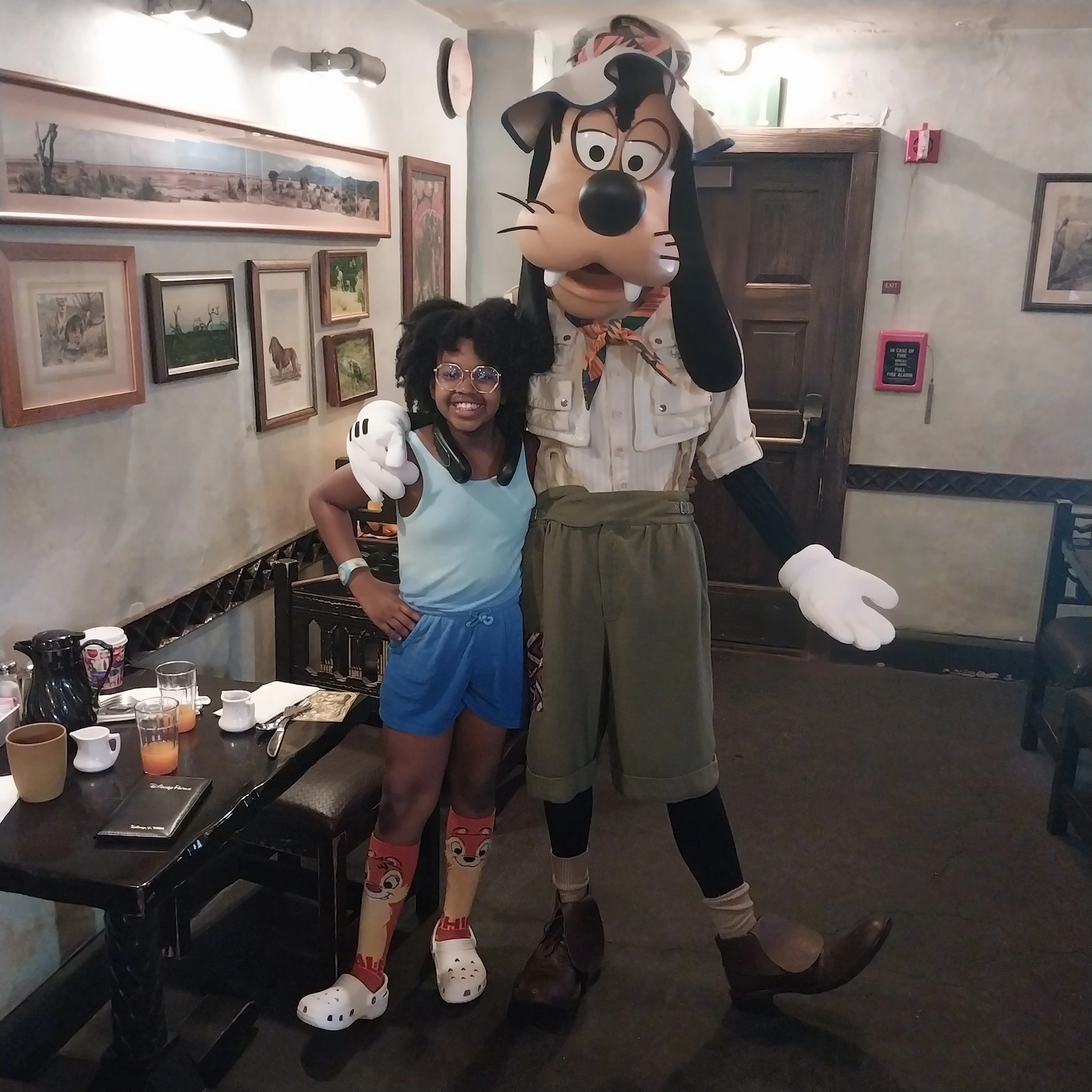
The impact of Valerie’s diagnosis was felt deeply by her community. As a doctor, Adaora was uniquely positioned to understand the technical aspects of her daughter’s care, but she was also vulnerable to the emotional weight of a life-threatening diagnosis. The support system that emerged around them—ranging from meals provided by neighbors to messages of encouragement from her school—highlighted the necessity of a "village" in the face of chronic illness.
In journalistic interviews and organizational statements, the role of the community is often cited as a critical factor in patient outcomes. For Valerie and Adaora, this support ensured that the logistics of daily life did not overshadow the emotional needs of the family. This community spirit is now being channeled into the upcoming Glamorama event, which serves as a nexus for donors, researchers, and survivors to unite under a common goal.
Glamorama: A Legacy of Philanthropy and the Future of Research
Glamorama has long been a staple of the philanthropic calendar, originally gaining fame as a high-fashion runway show that toured major U.S. cities. Its revival as a benefit for the Children’s Cancer Research Fund marks a new chapter for the event. The production is not merely a fashion show; it is a theatrical celebration of life and a primary engine for fundraising.
The funds raised through Glamorama are directed toward several key areas:
- Seed Grants: Providing initial funding for innovative research ideas that are too "young" to receive federal grants from the National Institutes of Health (NIH).
- Clinical Trials: Supporting the infrastructure necessary to bring new drugs from the lab to the bedside.
- Quality of Life Programs: Funding initiatives that address the long-term emotional and physical needs of survivors.
As an ambassador, Valerie represents the "return on investment" for these research dollars. Her presence on the stage is a living reminder that the 95% survival rate is not just a statistic—it is a collection of lives reclaimed.
Broader Implications and Analysis
Valerie’s story reflects a broader trend in the United States regarding the integration of immigrant families into the healthcare system and the success of pediatric specialty care. Her journey from Nigeria to a cancer-free life in America underscores the importance of access to high-tier medical research. However, it also serves as a reminder of the work that remains. While the survival rate for Hodgkin lymphoma is high, other pediatric cancers, such as certain types of brain tumors and sarcomas, have seen much slower progress in survival metrics.
The transition from patient to "ambassador" is also a significant psychological milestone. For Valerie, participating in Glamorama allows her to transform a traumatic experience into a platform for leadership. This transition is a key component of what psychologists call "post-traumatic growth," where individuals experience positive psychological change as a result of struggling with highly challenging life circumstances.
Conclusion: A Night of Celebration
As the date for Glamorama approaches, the focus remains on the kids like Valerie who are helping to shape the production. The event is expected to draw a diverse crowd of supporters, from medical professionals to fashion enthusiasts, all united by the goal of ensuring that every child diagnosed with cancer has the same opportunity for a positive outcome as Valerie.
Tickets for the event are currently being distributed, with organizers reporting high demand. The evening promises to be a showcase of imagination and collaboration, mirroring the very traits that Valerie used to navigate her treatment. For the 10-year-old who once sat in a hospital room redefining the word "bald," the stage at Glamorama is not just a platform for fashion—it is a podium from which she can show the world that cancer may have tried to define her, but her spirit was far too large to be contained by a diagnosis. In the end, Valerie’s story is a powerful testament to the fact that while research provides the cure, it is the child’s own courage and the support of a dedicated community that provide the healing.
