
 By admin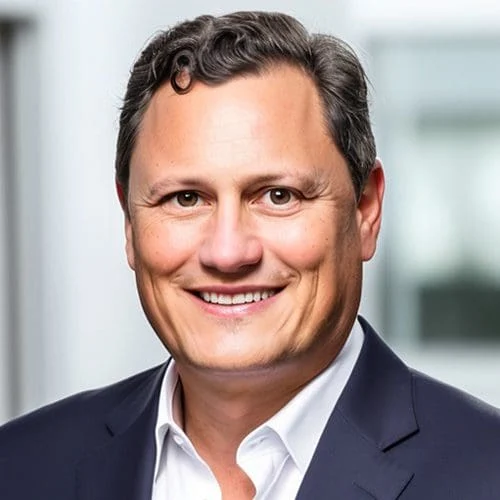
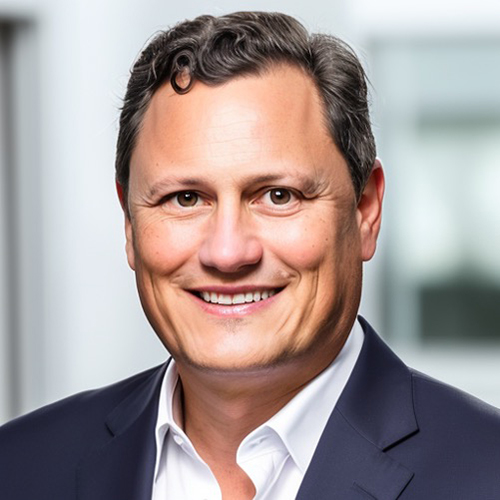
CureSearch for Children’s Cancer, a leading national non-profit organization dedicated to accelerating the development of safe and effective treatments for pediatric cancer, has officially announced the appointment of Mark Zafra to its Board of Directors. Zafra, a highly accomplished executive currently serving as the Chief Procurement Officer at LiveRamp, brings more than two decades of specialized expertise in global strategic sourcing, supply chain management, and large-scale organizational transformation to the board. His appointment comes at a critical juncture for the organization as it seeks to expand its reach and optimize its operational strategies to address the persistent funding and developmental gaps in the field of pediatric oncology.
The addition of Zafra to the leadership team is seen as a strategic move to integrate high-level corporate efficiency with philanthropic mission-driven goals. With a career spanning several of the world’s most influential technology and healthcare companies, Zafra is expected to provide invaluable guidance on resource allocation, vendor management, and the streamlining of global operations. His professional background is complemented by a profound personal connection to the cause, as a cancer survivor himself, which aligns his personal advocacy with the organization’s long-term vision of ending childhood cancer.
A Career Defined by Strategic Leadership and Innovation
Mark Zafra’s professional trajectory reflects a consistent focus on driving efficiency and innovation within complex global environments. In his current capacity as Chief Procurement Officer at LiveRamp, a prominent data collaboration platform, Zafra oversees a comprehensive portfolio that includes global strategic sourcing, purchasing, travel, and accounts payable. His leadership at LiveRamp is characterized by a commitment to operational excellence and the implementation of robust procurement frameworks that support scalable growth.
Prior to his tenure at LiveRamp, Zafra held several high-stakes leadership positions at industry-leading corporations. His resume includes significant roles at Twitter, where he managed global sourcing initiatives during periods of rapid expansion, and Allianz Fireman’s Fund, where he focused on financial services procurement. His experience also extends into the healthcare and technology sectors through his work with McKesson, Hewlett-Packard (HP), and Agilent Technologies. These roles allowed him to master the intricacies of supply chain logistics and cost-management strategies in industries that require high levels of precision and regulatory compliance.
The Board of Directors at CureSearch identified Zafra’s ability to lead large-scale transformation initiatives as a primary asset. In the non-profit sector, where every dollar must be maximized to support research and clinical trials, the insights of a procurement expert can lead to more efficient use of donor funds. By applying corporate-level rigor to the organization’s sourcing and vendor partnerships, Zafra is positioned to help CureSearch navigate the logistical challenges of funding international research projects.
The Intersection of Personal Experience and Professional Mission
While Zafra’s professional credentials are extensive, his personal history provides the emotional and ethical foundation for his service. As a cancer survivor, Zafra possesses a firsthand understanding of the physical, emotional, and financial toll of a cancer diagnosis. This personal journey has fueled a lifelong commitment to advocacy and a desire to ensure that modern medical advancements are accessible to the most vulnerable patient populations, specifically children.
This year marks a significant milestone in Zafra’s life: the 20th anniversary of his initial cancer diagnosis. To commemorate two decades of survivorship, Zafra is not only joining the board but is also taking an active role in CureSearch’s signature fundraising efforts. He is scheduled to participate in the CureSearch Ultimate Hike in Jackson, Wyoming. The Ultimate Hike is a grueling endurance event that challenges participants to trek significant distances in a single day to raise funds and awareness for childhood cancer research. For Zafra, the hike serves as a physical manifestation of the journey many patients endure and a symbolic gesture of his dedication to the cause.
"It is with great enthusiasm and a deep sense of responsibility that I join CureSearch’s Board of Directors," Zafra stated in a recent release. "As a survivor myself, I am a passionate advocate for advancing cancer research and am honored by the opportunity to contribute my skills and experience to a mission that matters deeply to me."
The Landscape of Pediatric Cancer Research and Funding
The appointment of a new board member with Zafra’s specific skillset highlights the unique challenges faced by the pediatric oncology community. Despite significant advancements in adult cancer treatments, pediatric cancer research remains chronically underfunded. According to data from the National Cancer Institute (NCI), only about 4% of federal funding for cancer research is specifically allocated to childhood cancers. This disparity creates a "funding gap" that non-profit organizations like CureSearch strive to fill.
Furthermore, the development of new drugs for children is often slower than for adults. Many treatments currently used for children were originally designed for adults and can be highly toxic to developing bodies, leading to lifelong side effects such as heart damage, secondary cancers, and cognitive impairments. CureSearch focuses its efforts on "safe and effective" treatments, prioritizing research that reduces long-term toxicity while increasing survival rates.
Data suggests that while the overall five-year survival rate for childhood cancer has risen to approximately 85%, certain types of pediatric cancers, such as diffuse intrinsic pontine glioma (DIPG) and certain forms of neuroblastoma, still have very low survival rates. The inclusion of strategic leaders like Zafra is intended to accelerate the "bench-to-bedside" process, ensuring that promising laboratory research reaches clinical trials and, eventually, the children who need it most.
Official Responses and Organizational Impact
The leadership at CureSearch has expressed high confidence in the impact Zafra will have on the organization’s future. Jared Brancazio, the CureSearch Board Chair, emphasized the dual value of Zafra’s corporate expertise and his personal narrative.
"Mark’s professional leadership and personal commitment to advancing cancer research make him an incredible addition to the CureSearch Board," said Brancazio. "We’re honored to have him help guide our work and accelerate our impact. His background in procurement and supply chain management provides a unique lens through which we can view our operational goals and strategic investments."
The board’s role at CureSearch involves overseeing the organization’s strategic direction, ensuring financial accountability, and supporting fundraising initiatives. By bringing in an executive from the technology sector, CureSearch is aligning itself with contemporary business practices that emphasize data-driven decision-making and lean operations. This is particularly relevant as the organization manages a diverse portfolio of research grants and partnerships with academic institutions and biopharmaceutical companies.
Broader Implications for the Non-Profit Sector
Zafra’s appointment reflects a broader trend in the non-profit world: the recruitment of "C-suite" executives to board positions to foster a more business-like approach to philanthropy. In an era where donors demand high levels of transparency and measurable impact, having a Chief Procurement Officer on the board signals a commitment to fiscal responsibility and operational efficiency.
For CureSearch, this means more than just managing budgets; it involves optimizing the entire "supply chain" of research—from the initial donation to the delivery of a new therapy in a clinical setting. Zafra’s experience with global sourcing at companies like Twitter and HP will likely translate into better-negotiated partnerships and a more robust infrastructure for the organization’s international research collaborations.
The timing of this appointment also coincides with a renewed national focus on cancer research, often referred to as the "Cancer Moonshot" initiative, which aims to accelerate progress in cancer prevention, detection, and treatment. As federal and private sectors look for ways to collaborate more effectively, individuals like Zafra, who bridge the gap between corporate efficiency and patient advocacy, will play an essential role in shaping the future of healthcare philanthropy.
Chronology of Mark Zafra’s Path to CureSearch Leadership
The path to Zafra’s appointment is marked by a series of professional achievements and personal milestones that have converged in his new role:
- 2004: Mark Zafra receives his first cancer diagnosis, beginning a journey of treatment and eventual survivorship that would inform his future advocacy.
- Early 2000s – 2010s: Zafra builds a formidable career in procurement and supply chain management, holding key positions at Agilent Technologies, HP, and McKesson, where he honed his skills in large-scale sourcing.
- Mid-2010s: Zafra joins Twitter, leading global sourcing initiatives during a period of intense technological and organizational transformation.
- Recent Years: Zafra transitions to LiveRamp as Chief Procurement Officer, establishing himself as a top-tier executive in the data and technology space.
- 2024: Zafra marks 20 years of cancer survivorship.
- Present: CureSearch officially welcomes Zafra to the Board of Directors, coinciding with his commitment to the Ultimate Hike in Jackson, Wyoming.
As CureSearch continues to fund innovative research and advocate for the 15,000 children diagnosed with cancer each year in the United States, the integration of Zafra’s strategic vision is expected to provide a significant boost to the organization’s operational capacity. His story serves as a reminder of the progress made in cancer treatment over the last two decades, while his professional role highlights the work still required to make those treatments safer and more effective for the next generation.
