
 By admin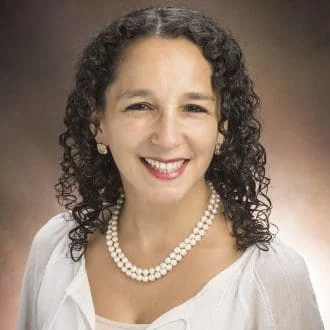
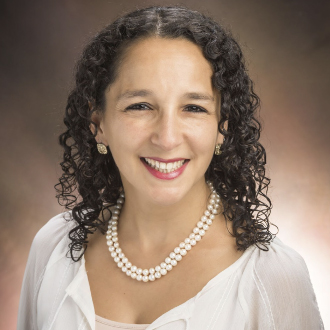
In a significant move to accelerate the development of life-saving treatments for pediatric cancer, CureSearch for Children’s Cancer has announced a $1 million grant to Dr. Yael Mossé of the Children’s Hospital of Philadelphia (CHOP). This funding, delivered through the prestigious Acceleration Initiative Award, is specifically earmarked for the advancement of a novel precision medicine approach targeting high-risk neuroblastoma. As one of the most aggressive and complex forms of childhood cancer, neuroblastoma remains a primary focus for oncologists seeking to improve survival rates while minimizing the long-term toxicities associated with traditional therapies.
Dr. Mossé, a renowned physician-scientist and professor of pediatrics at CHOP, was selected following a rigorous, multi-stage competitive review process. The grant aims to bridge the "valley of death" in drug development—the gap between laboratory discovery and clinical implementation—ensuring that cutting-edge molecular research reaches the bedsides of children who have exhausted standard treatment options.
The Critical Challenge of High-Risk Neuroblastoma
Neuroblastoma is a cancer that develops from immature nerve cells found in several areas of the body. It most commonly arises in and around the adrenal glands, which have similar origins to nerve cells, but it can also develop in the abdomen, chest, neck, and near the spine. It is the most common extracranial solid tumor in children, accounting for approximately 8% to 10% of all pediatric cancer diagnoses.
Despite representing a relatively small percentage of total cases, neuroblastoma is disproportionately lethal, responsible for roughly 15% of all pediatric cancer-related deaths. The disease is categorized into risk groups based on the age of the child, the stage of the cancer, and the biological characteristics of the tumor. While low-risk cases often have excellent outcomes, the "high-risk" category presents a formidable challenge. For these patients, the five-year survival rate has historically hovered around 50%, even with intensive therapy including high-dose chemotherapy, surgery, radiation, and stem cell transplants.
The primary hurdle in treating high-risk neuroblastoma is its propensity for recurrence and its resistance to conventional cytotoxic agents. Many survivors also face a lifetime of "late effects," including hearing loss, heart problems, and secondary cancers, caused by the very treatments used to save their lives. Dr. Mossé’s research seeks to shift this paradigm by utilizing precision medicine to target the specific genetic drivers of the tumor, thereby sparing healthy tissue and reducing systemic toxicity.
Dr. Yael Mossé and the Precision Medicine Revolution
The selection of Dr. Yael Mossé for this award underscores her longstanding leadership in the field of pediatric oncology. Her work has been instrumental in identifying the genetic basis of neuroblastoma. Most notably, Dr. Mossé and her team at CHOP were pioneers in discovering that mutations in the Anaplastic Lymphoma Kinase (ALK) gene are a primary driver in both familial and sporadic cases of neuroblastoma.
This discovery transformed the understanding of the disease from a generic solid tumor into a genetically defined condition that could potentially be neutralized with targeted inhibitors. The $1 million grant from CureSearch will allow Dr. Mossé to refine these targeted therapies. The research focuses on a new generation of drugs designed to inhibit cancer-driving mutations more effectively than previous iterations. By focusing on the molecular "on-switches" that allow neuroblastoma cells to proliferate uncontrollably, the proposed treatment aims to achieve higher efficacy with a fraction of the side effects seen in traditional chemotherapy.
"This award provides an unprecedented opportunity to streamline the overall development of a novel therapy for patients with neuroblastoma by accelerating the entire drug development process," Dr. Mossé stated. "This translation of our science could not be possible without the support of CureSearch."
The Acceleration Initiative: A Strategic Funding Model
CureSearch’s Acceleration Initiative Award is distinct from typical academic grants. While federal funding through the National Cancer Institute (NCI) often focuses on foundational, early-stage biological research, the Acceleration Initiative is designed to push projects that are already showing promise toward the clinical trial phase.
The program addresses a systemic weakness in the pharmaceutical industry: the lack of financial incentive for companies to develop drugs specifically for children. Because pediatric cancers are considered "rare diseases" in the context of the total population, the market for these drugs is smaller than for adult cancers like lung or breast cancer. This often leaves pediatric research underfunded.
CureSearch intervenes by providing the necessary capital to conduct the rigorous pre-clinical testing and regulatory filings required by the FDA. The goal is to produce "clinic-ready" treatments within a three-year timeframe. The $1 million grant is intended to fund the specialized staff, laboratory resources, and multi-institutional collaborations necessary to meet these aggressive timelines. This specific project is also supported in part by the Norcross Foundation, highlighting the importance of philanthropic partnerships in the medical research ecosystem.
Chronology of Progress in Neuroblastoma Research
To understand the significance of this grant, it is essential to view it within the timeline of neuroblastoma research over the last two decades:
- Early 2000s: Researchers identify that high-risk neuroblastoma is often driven by MYCN amplification, a genetic marker associated with poor prognosis.
- 2008: Dr. Yael Mossé and her colleagues publish landmark research identifying ALK mutations as a key target in neuroblastoma. This opens the door for the use of ALK inhibitors, which were originally developed for adult lung cancer.
- 2010–2015: Initial clinical trials of first-generation ALK inhibitors show promise but also reveal that tumors can develop resistance to these drugs over time.
- 2016–2021: Second and third-generation inhibitors are developed to overcome resistance. Research shifts toward identifying which specific mutations respond best to which drugs.
- 2024: CureSearch awards the $1 million grant to Dr. Mossé to finalize the development of a precision-targeted therapeutic strategy that integrates these advanced inhibitors into frontline treatment protocols.
This timeline demonstrates a steady progression from basic genetic discovery to the current focus on clinical optimization and "smart" drug delivery.
Analyzing the Funding Landscape and Federal Challenges
The timing of the CureSearch award is particularly critical given the current climate of federal research funding. While the National Institutes of Health (NIH) remains the largest funder of biomedical research in the world, its budget is subject to the fluctuations of federal appropriations and political shifts. Furthermore, only about 4% of the NCI’s total budget is traditionally allocated specifically to pediatric cancer research.
This "4% problem" has long been a point of contention among advocacy groups. While programs like the Research to Accelerate Cures and Equity (RACE) for Children Act have mandated that certain adult cancer drugs also be tested in children, the gap in dedicated pediatric funding remains vast.
Private organizations like CureSearch fill this void by prioritizing high-risk, high-reward projects that might be deemed too specialized for broad federal grants. By focusing on precision medicine, CureSearch is betting on a future where "one-size-fits-all" chemotherapy is replaced by individualized genetic blueprints. This approach not only increases the chances of survival but also protects the developmental trajectory of the child, ensuring that survivors can lead healthy, productive lives after cancer.
Broader Implications for Pediatric Oncology
The implications of Dr. Mossé’s work extend beyond neuroblastoma. The methodologies being developed at CHOP—such as the identification of biomarkers to predict drug response and the use of liquid biopsies to monitor tumor mutations in real-time—serve as a blueprint for treating other pediatric solid tumors, such as osteosarcoma and Ewing sarcoma.
Furthermore, the success of the Acceleration Initiative provides a proof-of-concept for how non-profits can drive drug development. If Dr. Mossé’s project successfully transitions to a Phase I clinical trial, it will demonstrate that a combination of targeted philanthropy and elite academic research can bypass the traditional roadblocks of the pharmaceutical industry.
The medical community is watching this project closely. If the precision treatment proves successful, it could lead to a significant increase in the five-year survival rate for high-risk neuroblastoma, potentially pushing it toward the 70-80% range seen in other pediatric cancers like leukemia.
Conclusion: A Focused Path Forward
The $1 million grant awarded to Dr. Yael Mossé represents more than just financial support; it is a strategic investment in the future of pediatric medicine. By empowering one of the world’s leading experts at a premier institution like the Children’s Hospital of Philadelphia, CureSearch is ensuring that the most promising scientific theories are given the resources to become practical medical realities.
As neuroblastoma continues to claim the lives of children across the globe, the race for a cure remains urgent. With the support of the Norcross Foundation and the oversight of CureSearch, Dr. Mossé’s team is now positioned to accelerate their work, bringing hope to families and a new standard of care to the field of oncology. The focus remains clear: to treat the child by targeting the cancer, ensuring that the cure is as precise as the science that discovered it.
