
 By Nana O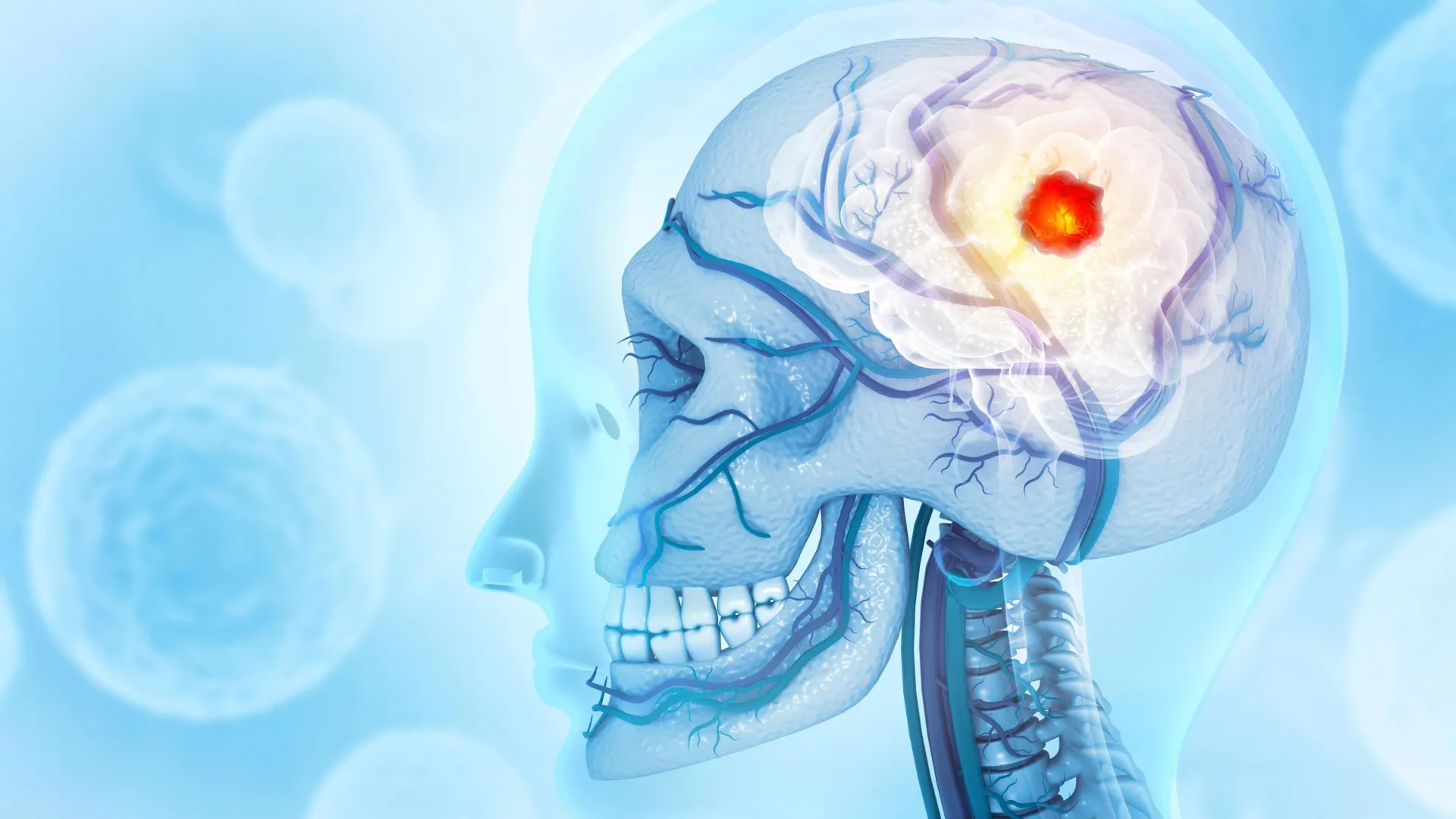
Researchers at the Montefiore Einstein Comprehensive Cancer Center (MECCC) and Albert Einstein College of Medicine have unveiled groundbreaking findings that fundamentally alter our understanding of glioblastoma, the most aggressive and lethal form of brain cancer. For decades, glioblastoma has been primarily viewed as a disease confined to brain tissue, leading to therapies focused on local eradication. However, this new research, published in the esteemed journal Nature Neuroscience on October 3, reveals that glioblastoma extends its destructive reach far beyond the brain, significantly impacting the skull, altering the crucial immune environment within the skull’s bone marrow, and disrupting the body’s systemic immune defenses. This paradigm-shifting discovery suggests that current treatment strategies, which largely disregard these extra-cranial effects, may be contributing to the disease’s notorious resistance to therapy.
The implications of this research are profound, potentially paving the way for entirely new therapeutic approaches to combat glioblastoma. "Our discovery that this notoriously hard-to-treat brain cancer interacts with the body’s immune system may help explain why current therapies — all of them dealing with glioblastoma as a local disease — have failed, and it will hopefully lead to better treatment strategies," stated Jinan Behnan, Ph.D., the paper’s corresponding author. Dr. Behnan, an assistant professor in the Leo M. Davidoff Department of Neurological Surgery and in the department of microbiology & immunology at Einstein, and a distinguished member of the National Cancer Institute (NCI)-designated MECCC, emphasized the critical shift in perspective this research offers.
A Grim Prognosis and a New Hypothesis
Glioblastoma remains one of the most formidable challenges in oncology. In the United States alone, the NCI estimates that approximately 15,000 individuals are diagnosed with this devastating cancer each year. Despite aggressive treatment regimens, which typically involve a combination of surgery, chemotherapy, and radiation, the median survival time for patients remains tragically short, hovering around 15 months. This dismal prognosis underscores the urgent need for novel therapeutic avenues.
The research team’s investigation was spurred by emerging evidence indicating a complex interplay between the skull and the brain. Recent studies have highlighted the existence of exceptionally fine channels that traverse the skull, acting as conduits for the exchange of molecules and immune cells between the cranial bone and the brain. This anatomical connection, previously underestimated in its functional significance, provided the fertile ground for Dr. Behnan’s team to explore glioblastoma’s potential extraneural impact.
Unveiling the Skull’s Hidden Role
Bone Erosion and Enlarged Pathways
Utilizing sophisticated imaging technologies, the researchers meticulously examined mice that had developed two distinct types of glioblastoma. Their observations revealed a startling pattern: the cancer actively induced erosion of the skull bones, with a particular predilection for the sutures—the fibrous joints where the skull bones fuse. This observed bone loss was not a general consequence of brain injury or cancer; it appeared to be a specific characteristic of glioblastoma and other aggressive brain tumors. Control groups of mice experiencing strokes, other forms of brain injury, or cancers located elsewhere in the body did not exhibit this specific skull erosion.
Crucially, the findings in mice were mirrored in human patients. Computed tomography (CT) scans of individuals diagnosed with glioblastoma displayed comparable reductions in skull thickness, and notably, in the same anatomical regions identified in the experimental animal models. This cross-species validation lends significant weight to the researchers’ observations and suggests a conserved biological mechanism.
The erosion of skull bone was found to have a direct consequence on the interconnectedness between the skull and brain. In the affected mice, the researchers observed an increase in both the number and the size of the channels linking the skull and brain. The scientists hypothesized that these enlarged channels serve as critical pathways, enabling the glioblastoma tumor to transmit molecular signals into the skull marrow. This molecular communication, they proposed, could profoundly alter the immune landscape within the marrow, creating an environment conducive to tumor growth and progression.
The Marrow’s Immune Imbalance
A Shift Towards Inflammation
The pivotal discovery within the skull marrow involved a dramatic rebalancing of its immune cell population. Employing advanced single-cell RNA sequencing, a technique that allows for the analysis of gene expression in individual cells, the researchers identified a significant shift in favor of pro-inflammatory myeloid cells. Glioblastoma, they found, nearly doubled the levels of inflammatory neutrophils while simultaneously decimating several types of antibody-producing B cells and other B cell populations.
"The skull-to-brain channels allow an influx of these numerous pro-inflammatory cells from the skull marrow to the tumor, rendering the glioblastoma increasingly aggressive and, all too often, untreatable," explained E. Richard Stanley, Ph.D., a co-author of the study and professor of developmental and molecular biology at Einstein. Dr. Stanley underscored the critical implication of this immune dysregulation: "This indicates the need for treatments that restore the normal balance of immune cells in the skull marrow of people with glioblastoma. One strategy would be suppressing the production of pro-inflammatory neutrophils and monocytes while at the same time restoring the production of T and B cells."
The research further illuminated the systemic nature of glioblastoma’s impact by comparing the immune responses in different bone marrow sites. Unlike the skull marrow, which became pro-inflammatory, the bone marrow in the femur (thigh bone) exhibited a different reaction. In femur marrow, glioblastoma actively suppressed genes essential for the production of several types of immune cells, highlighting that the cancer orchestrates distinct immune alterations across different skeletal locations. This differential response suggests that glioblastoma is not merely a local brain disease but a systemic one, capable of manipulating the immune system throughout the body.
Therapeutic Interventions and Unintended Consequences
Anti-Osteoporosis Drugs Under Scrutiny
Intrigued by the bone erosion observed in glioblastoma, the researchers investigated whether medications commonly used to prevent bone loss, such as those for osteoporosis, might influence the disease’s progression. They administered two FDA-approved osteoporosis drugs, zoledronic acid and denosumab, to mice bearing glioblastoma tumors.
The results were complex and, in some aspects, concerning. Both drugs successfully halted the skull erosion. However, one of the drugs, zoledronic acid, was found to accelerate tumor progression in one of the tested glioblastoma models. Furthermore, both zoledronic acid and denosumab interfered with the efficacy of anti-PD-L1, a promising immunotherapy drug that works by enhancing the activity of tumor-fighting T cells. This finding suggests that interventions aimed at bone health, while potentially mitigating skull damage, could inadvertently compromise the effectiveness of established and emerging cancer therapies.
This unexpected interaction raises critical questions for clinical practice. If patients with glioblastoma also suffer from osteoporosis or are at risk of bone density loss, their treatment protocols might require careful recalibration. The potential for anti-osteoporosis medications to exacerbate glioblastoma or diminish immunotherapy’s impact necessitates further investigation and may require a more nuanced approach to managing comorbidities in cancer patients.
Broader Implications and Future Directions
The study’s findings, published under the title "Brain Tumors Induce Widespread Disruption of Calvarial Bone and Alteration of Skull Marrow Immune Landscape," represent a significant leap forward in understanding glioblastoma. The research team, comprising numerous scientists from MECCC and Einstein, alongside international collaborators from Osaka University in Japan, Karolinska Hospital in Sweden, Duke University Medical Center in the United States, the University of California, San Francisco, and the German Rheumatism Research Center and Freie Universität Berlin in Germany, has provided a robust foundation for future research and clinical translation.
The identification of the skull marrow as a key player in glioblastoma’s pathogenesis opens up a new frontier for therapeutic development. Future strategies could focus on:
- Targeting Skull Marrow Immune Dysregulation: Developing therapies that specifically restore the normal balance of immune cells in the skull marrow, perhaps by inhibiting pro-inflammatory signals or promoting the generation of anti-tumor immune cells.
- Repurposing or Modifying Osteoporosis Treatments: Investigating whether modifications to existing bone-protective drugs could offer benefits without the detrimental effects on tumor progression or immunotherapy.
- Developing Systemic Therapies: Acknowledging glioblastoma as a systemic disease that requires a multi-pronged approach, potentially combining local brain treatments with therapies that address the immune alterations in the skull and elsewhere.
- Early Detection of Extracranial Involvement: Exploring methods to detect skull bone changes or alterations in skull marrow immune profiles at earlier stages, potentially allowing for more timely and effective interventions.
The implications of this research extend beyond glioblastoma. The intricate relationship between bone marrow and the immune system, and how tumors can exploit these connections, may hold relevance for other cancers and inflammatory diseases. This study serves as a powerful reminder of the body’s interconnectedness and the complex, often hidden, ways in which diseases can spread and manifest. As research continues, the hope is that these discoveries will translate into tangible improvements in the lives of patients facing this devastating diagnosis.
