
 By Nana O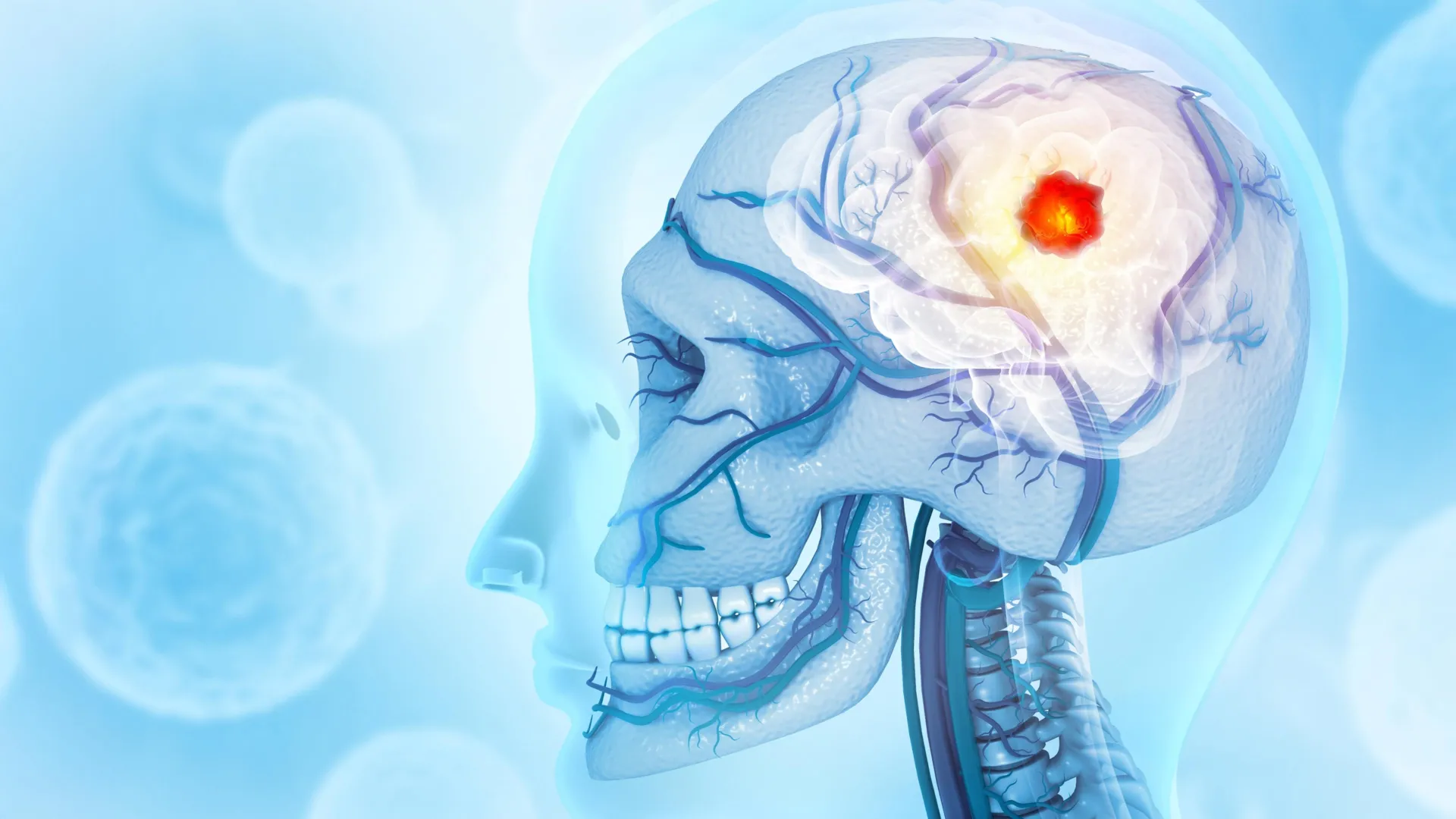
Researchers at the Montefiore Einstein Comprehensive Cancer Center (MECCC) and the Albert Einstein College of Medicine have unveiled groundbreaking findings that fundamentally alter the understanding of glioblastoma, the most aggressive and lethal form of brain cancer. For decades, glioblastoma has been primarily conceptualized as a disease that infiltrates and destroys brain tissue. However, this new research demonstrates that the cancer’s insidious reach extends far beyond the neural parenchyma, profoundly impacting the skull bone, altering the immune cell composition within the skull’s bone marrow, and consequently disrupting the body’s overall immune response. These revelations, published on October 3rd in the prestigious journal Nature Neuroscience, carry significant implications for existing treatment paradigms and offer new avenues for therapeutic intervention.
The study’s lead author, Dr. Jinan Behnan, an assistant professor in the Leo M. Davidoff Department of Neurological Surgery and in the department of microbiology & immunology at Einstein, and a member of the NCI-designated MECCC, articulated the significance of the discovery. "Our discovery that this notoriously hard-to-treat brain cancer interacts with the body’s immune system may help explain why current therapies — all of them dealing with glioblastoma as a local disease — have failed, and it will hopefully lead to better treatment strategies," Dr. Behnan stated. This perspective underscores a paradigm shift from viewing glioblastoma as a localized intracranial malignancy to recognizing it as a more systemic threat that manipulates the body’s own defenses.
The Pervasive Reach of Glioblastoma
Glioblastoma presents a formidable challenge in oncology. In the United States alone, approximately 15,000 individuals are diagnosed with this devastating cancer each year, according to the National Cancer Institute (NCI). Despite aggressive multimodal treatment approaches, which typically involve surgery to remove as much of the tumor as possible, followed by radiation therapy and chemotherapy (often temozolomide), the prognosis remains grim. The median survival time for patients undergoing the current standard of care hovers around a mere 15 months, highlighting the urgent need for novel therapeutic strategies.
The newly published research, titled "Brain Tumors Induce Widespread Disruption of Calvarial Bone and Alteration of Skull Marrow Immune Landscape," meticulously details the complex interplay between glioblastoma and the skull. The study’s genesis was rooted in recent scientific advancements that identified extremely thin channels, known as emissary veins and canals, connecting the skull to the brain. These channels were understood to facilitate the exchange of molecules and immune cells between these two distinct compartments. This anatomical insight provided the critical foundation for the research team’s investigation into how glioblastoma might exploit these pathways.
A Deeper Look into Skull Marrow and Bone Health
The skull, like other bones in the body, is not inert scaffolding. It houses bone marrow, a vital hematopoietic organ responsible for the continuous production of immune cells, including lymphocytes and myeloid cells, as well as other blood components. The researchers hypothesized that glioblastoma, by infiltrating the cranial region, could directly influence the microenvironment of the skull marrow.
To test this hypothesis, the team employed sophisticated imaging techniques to examine mice that had developed two distinct types of glioblastoma. Their observations revealed a striking phenomenon: the cancer induced significant erosion of the skull bones. This bone loss was particularly pronounced along the sutures, the fibrous joints where the cranial bones fuse. Crucially, this specific type of bone erosion appeared to be a hallmark of glioblastoma and other aggressive brain tumors. It was not observed in control groups of mice that had experienced strokes, other forms of brain injury, or even cancers located elsewhere in the body, suggesting a unique biological interaction between glioblastoma and cranial bone.
The findings in the animal models were further corroborated by the analysis of CT scans from human patients diagnosed with glioblastoma. These scans revealed a similar pattern of reduced skull thickness in the same anatomical regions that exhibited bone erosion in the mice, providing compelling evidence of a shared pathological mechanism across species.
Altering the Immune Landscape
The erosion of skull bone observed in the mouse models led to a significant increase in both the number and size of the channels connecting the skull and the brain. The researchers proposed that these enlarged conduits could serve as a direct pathway for the tumor to transmit molecular signals into the skull marrow. These signals, in turn, could profoundly alter the immune environment within the marrow, potentially creating a more permissive milieu for tumor growth and progression.
Utilizing advanced single-cell RNA sequencing technology, the research team meticulously analyzed the immune cell populations within the skull marrow of mice with glioblastoma. Their findings were dramatic. The cancer had orchestrated a significant shift in the immune cell balance, heavily favoring pro-inflammatory myeloid cells. Specifically, the levels of inflammatory neutrophils nearly doubled, while several types of crucial antibody-producing B cells and other B cell populations were dramatically reduced, to the point of near elimination.
Dr. E. Richard Stanley, a study co-author and professor of developmental and molecular biology at Einstein, elaborated on the consequences of this altered immune landscape. "The skull-to-brain channels allow an influx of these numerous pro-inflammatory cells from the skull marrow to the tumor, rendering the glioblastoma increasingly aggressive and, all too often, untreatable," Dr. Stanley explained. He further emphasized the critical need for treatments that can effectively restore the normal balance of immune cells in the skull marrow of glioblastoma patients. A potential therapeutic strategy, he suggested, would involve suppressing the production of pro-inflammatory neutrophils and monocytes while simultaneously promoting the restoration of T and B cell populations.
A Systemic Disease Manifestation
The research also shed light on the systemic nature of glioblastoma, challenging the long-held perception of it being solely a localized brain disease. The study revealed differential responses in bone marrow based on its location. While glioblastoma aggressively activated genes in the skull marrow to boost the production of inflammatory immune cells, the marrow in the femur, a long bone in the leg, exhibited a different reaction. In femur marrow, the cancer actually suppressed genes necessary for the production of several types of immune cells, indicating a complex and geographically varied impact on the body’s hematopoietic system. This divergence in marrow response underscores the multifaceted systemic effects of glioblastoma.
Investigating the Impact of Osteoporosis Medications
Intrigued by the observed bone erosion, the researchers investigated whether medications commonly used to treat osteoporosis, which are designed to prevent bone loss, might influence the progression of glioblastoma. They administered two FDA-approved osteoporosis drugs, zoledronic acid and denosumab, to mice bearing glioblastoma tumors.
The results were complex. Both drugs successfully halted the skull bone erosion. However, one of the drugs, zoledronic acid, unexpectedly exacerbated tumor progression in one of the glioblastoma models. Furthermore, both zoledronic acid and denosumab significantly hampered the efficacy of anti-PD-L1, an immunotherapy drug that works by boosting the activity of tumor-fighting T cells. This finding suggests a potential contraindication or need for careful consideration when combining anti-osteoporosis therapies with existing immunotherapies for glioblastoma patients.
Broader Implications and Future Directions
The implications of these findings are far-reaching. They provide a compelling biological rationale for the limited success of current glioblastoma therapies, which have historically focused on eradicating tumor cells within the brain itself. By revealing the cancer’s ability to manipulate the skull and its bone marrow, the research opens up new avenues for therapeutic development. Strategies that target the bone marrow microenvironment, aim to restore immune homeostasis within the skull, or prevent the tumor from exploiting the skull-brain channels could offer novel approaches to combat this devastating disease.
The identification of specific immune cell populations that are dysregulated by glioblastoma—namely, the overabundance of pro-inflammatory neutrophils and the depletion of B cells—provides concrete targets for future drug development. Restoring the balance of these cells could potentially dampen the pro-tumorigenic inflammatory response and re-engage the patient’s immune system in fighting the cancer.
Furthermore, the study’s findings regarding the interaction of osteoporosis medications with glioblastoma and immunotherapy highlight the critical importance of a holistic understanding of cancer biology. It emphasizes that treatments for one condition can have unintended consequences on another, necessitating careful consideration of a patient’s entire physiological state when designing therapeutic regimens.
The collaborative nature of this research, involving scientists from MECCC, Albert Einstein College of Medicine, and international institutions such as Osaka University in Japan, Karolinska Hospital in Sweden, Duke University Medical Center in North Carolina, the University of California, San Francisco, and the German Rheumatism Research Center, underscores the global effort to unravel the complexities of glioblastoma.
While this research marks a significant leap forward, further studies are warranted to translate these findings into clinical practice. Clinical trials exploring novel therapeutic agents that target the skull marrow immune landscape, or combinations of existing therapies designed to overcome the immunosuppressive effects induced by glioblastoma, will be crucial. The journey from laboratory discovery to patient benefit is often long, but this research offers a beacon of hope by illuminating previously hidden pathways of glioblastoma progression and providing a new framework for developing more effective treatments for patients facing this formidable diagnosis. The future of glioblastoma treatment may lie not only in attacking the tumor itself but also in healing the very bone that encases it and the immune system it disrupts.
