
 By admin
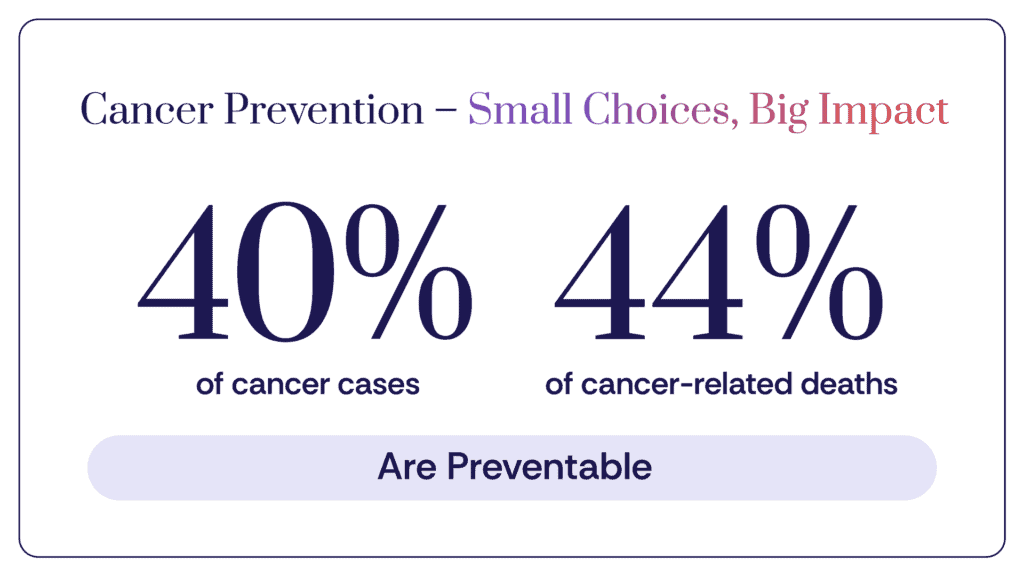
February marks National Cancer Prevention Month, a crucial period dedicated to spotlighting the profound impact of lifestyle choices on cancer risk. Recent findings from the American Cancer Society (ACS) underscore the urgency of this observance, revealing that a staggering 40% of cancer cases diagnosed in the U.S. are attributable to preventable factors. Furthermore, an estimated 44% of cancer deaths projected for 2025 could be averted through modifiable behaviors. These statistics are not merely abstract figures; they represent a powerful call to action, emphasizing that while perfection is an unattainable ideal, strategic risk reduction through everyday decisions can yield significant, life-saving benefits. The narrative of cancer is increasingly shifting from one of inevitability to one where individual agency, supported by robust public health initiatives, plays a pivotal role in shaping outcomes.
The Landscape of Cancer Prevention: A Public Health Imperative
Cancer prevention encompasses deliberate actions aimed at reducing the likelihood of developing cancer. This primarily involves adopting healthier lifestyle choices and minimizing exposure to known carcinogens. While genetic predispositions and other non-modifiable factors certainly play a role, a substantial portion of cancer incidence is influenced by factors within an individual’s control. This understanding forms the bedrock of modern cancer prevention strategies, moving beyond a fatalistic view of the disease to one of proactive empowerment. The ACS study, an authoritative analysis published in CA: A Cancer Journal for Clinicians, meticulously dissects the landscape of preventable cancers, providing specific percentages linked to various risk factors. This comprehensive data serves as a vital tool for both public health policy formulation and individual health guidance.
The economic and societal implications of preventable cancers are immense. Cancer care places a tremendous burden on healthcare systems, national economies, and individual families. According to the National Cancer Institute (NCI), national expenditures for cancer care in the United States were projected to reach $240 billion by 2030. Investing in prevention, therefore, is not just a health imperative but an economic one, promising long-term savings and enhanced societal well-being. Public health campaigns during National Cancer Prevention Month aim to translate complex scientific data into actionable advice, fostering a collective commitment to healthier living and a reduction in cancer’s devastating toll.
Modifiable Risk Factors: Six Pillars of Prevention
The ACS study, building on decades of research, identifies several key modifiable risk factors. Understanding these factors and the mechanisms by which they contribute to carcinogenesis is the first step toward effective prevention.
1. Eradicating Tobacco Use: The Foremost Preventable Risk
Cigarette smoking remains the single most significant preventable cause of cancer, responsible for an estimated 20% of all cancers and a staggering 30% of all cancer deaths, as highlighted by the ACS study. The historical context of tobacco’s link to cancer is well-documented, with definitive scientific evidence emerging in the mid-20th century. Tobacco smoke contains over 7,000 chemicals, at least 70 of which are confirmed carcinogens. These compounds, including polycyclic aromatic hydrocarbons (PAHs), nitrosamines, and heavy metals, inflict direct damage upon cellular DNA, leading to mutations that can drive uncontrolled cell growth—the hallmark of cancer. Furthermore, smoking impairs the immune system’s ability to detect and destroy nascent cancer cells, effectively disarming one of the body’s primary defenses.
While lung cancer is overwhelmingly the most common and fatal cancer associated with smoking, accounting for nine out of ten related deaths in the U.S., the carcinogenic effects of tobacco extend far beyond the respiratory system. Smoking is a known cause of nearly 20 other cancer types, including cancers of the esophagus, larynx, mouth, throat, kidney, bladder, liver, pancreas, stomach, colon and rectum, and even certain types of leukemia. The systemic absorption of carcinogens means that virtually no organ is immune to the detrimental effects of tobacco.
The danger is not limited to active smokers. Secondhand smoke, the involuntary inhalation of smoke from burning tobacco products, contains the same cocktail of harmful chemicals and carcinogens. Exposure to secondhand smoke significantly increases the risk of lung cancer in non-smokers and has been linked to larynx, nasopharynx, and breast cancers in adults, and respiratory issues and other health problems in children. This underscores the importance of smoke-free environments in homes, workplaces, and public spaces.
The rise of e-cigarettes and vaping presents a new, evolving challenge. While often marketed as a "safer" alternative to traditional cigarettes, preliminary research suggests that e-cigarettes are not without risk. The aerosols contain potentially harmful chemicals, including heavy metals, ultrafine particles, and flavoring agents, some of which are known carcinogens or irritants. Long-term studies are still underway, but public health bodies caution against their use, especially by adolescents, due to potential addiction and unknown long-term health consequences, including cancer risk.
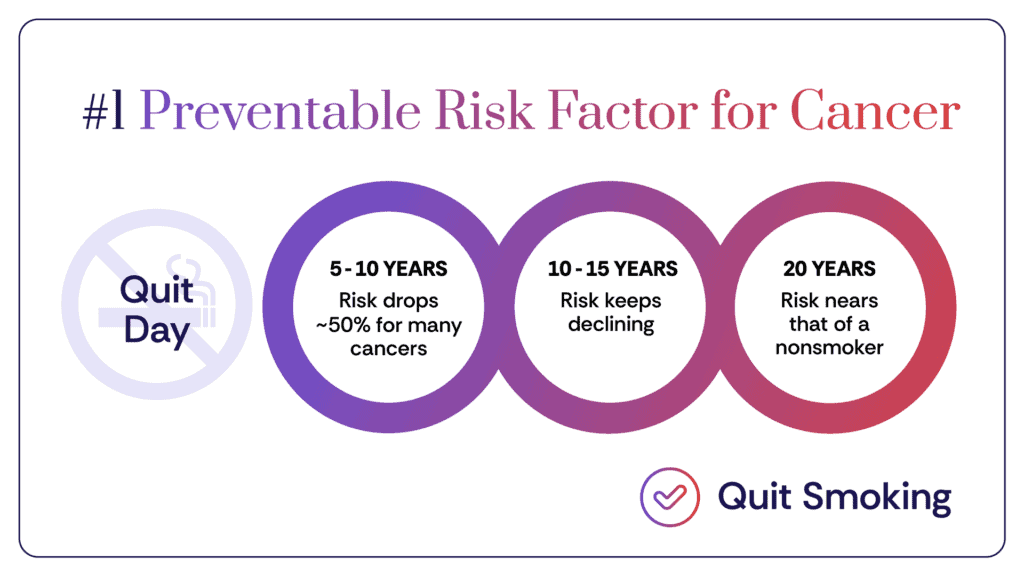
Prevention Tip: Quitting smoking, regardless of how long one has smoked, offers profound and immediate health benefits. Within 5 to 10 years of cessation, the risk of developing 12 types of cancer decreases by half. After 10 to 20 years, the risk approaches that of a lifelong non-smoker. Resources such as quitlines (e.g., 1-800-QUIT-NOW), nicotine replacement therapies, and counseling services are widely available to support individuals in their journey to a smoke-free life. Creating smoke-free homes and workplaces protects not only smokers but also those around them.
2. Moderating Alcohol Consumption: Less is Better
Alcohol consumption is another significant, yet often underestimated, lifestyle factor contributing to cancer risk. The ACS study indicates that alcohol contributed to 5.4% of all cancers, highlighting its substantial impact. The link between alcohol and cancer is dose-dependent, meaning that even low levels of consumption can increase risk, and the risk escalates with increased intake. Cancers strongly associated with alcohol include those of the mouth, throat (pharynx and larynx), esophagus, liver, breast (in women), and colorectum.
The mechanisms by which alcohol promotes cancer development are multifaceted. When alcohol (ethanol) is metabolized in the body, it produces acetaldehyde, a highly toxic chemical and a probable human carcinogen. Acetaldehyde can damage DNA and proteins, leading to mutations. Alcohol can also generate reactive oxygen species (free radicals), causing oxidative stress that further harms DNA and promotes chronic inflammation. Chronic inflammation is a known driver of cancer progression. Furthermore, alcohol can interfere with the body’s ability to absorb essential nutrients, such as folate, which plays a critical role in DNA repair. For women, alcohol can increase estrogen levels, a hormone linked to breast cancer development. The synergistic effect of alcohol and tobacco is particularly concerning; alcohol can act as a solvent, making the cells of the mouth and throat more permeable to carcinogens from tobacco smoke, significantly amplifying cancer risk.
Globally, alcohol is recognized as a major public health concern. The World Health Organization (WHO) estimates that alcohol consumption is responsible for millions of cancer cases worldwide each year. In the U.S., approximately 20,000 adults die annually from alcohol-associated cancers, a majority of which are considered preventable through modified alcohol intake. Health organizations, including the U.S. Centers for Disease Control and Prevention (CDC), advise limiting alcohol consumption to no more than one drink per day for women and two drinks per day for men, emphasizing that the lowest risk comes from not drinking at all.
Prevention Tip: Reducing alcohol intake can be achieved through various strategies. Experimenting with "mocktails" or non-alcoholic alternatives can be an enjoyable way to cut back. Designating specific alcohol-free days each week can help establish healthier habits. For those who do not currently drink, there is no health-based reason to start. Awareness of standard drink sizes is also crucial for accurate self-monitoring.
3. Maintaining a Healthy Weight and Staying Active: Dynamic Defenses
Beyond tobacco and alcohol, overall physical health, characterized by body weight and activity levels, profoundly influences cancer risk. Excess body weight, specifically obesity, emerged as the second-most preventable cause of cancer development in the ACS study, accounting for 7.6% of cases. Physical inactivity contributed an additional 3.1%. These factors are implicated in the development of numerous cancers, including those of the stomach, uterus (endometrial), esophagus (adenocarcinoma), kidney, liver, colon and rectum, pancreas, breast (postmenopausal), and ovary.
The precise mechanisms linking excess body weight to cancer are complex and involve several biological pathways. Adipose (fat) tissue is not merely an inert storage depot; it is an active endocrine organ that releases a cascade of hormones and inflammatory signals, collectively known as adipokines (e.g., leptin, adiponectin). In individuals with excess body fat, these signals often create a state of chronic low-grade inflammation throughout the body, providing a fertile ground for cancer initiation and progression. Obesity also disrupts hormone balances, leading to elevated levels of insulin, insulin-like growth factor-1 (IGF-1), and sex hormones like estrogen (particularly in postmenopausal women), all of which can stimulate cell growth and proliferation, contributing to cancer development. Furthermore, excess weight can impair immune function, making the body less effective at detecting and eliminating cancerous cells.
Physical activity, conversely, acts as a powerful protective factor. Regular exercise helps regulate hormone levels, reduces inflammation, improves insulin sensitivity, and strengthens the immune system. It also contributes directly to weight management by increasing energy expenditure. The benefits of physical activity extend beyond direct biological mechanisms; it also improves overall well-being, reduces stress, and enhances quality of life.
Prevention Tip: The journey to a healthy weight and increased activity is about sustainable progress, not immediate perfection. Every movement counts, from structured workouts to daily activities like walking, gardening, or dancing. Health organizations like the ACS and WHO recommend at least 150 minutes of moderate-intensity aerobic activity or 75 minutes of vigorous-intensity activity per week, along with muscle-strengthening activities on two or more days. Starting small, doing what feels comfortable, and finding enjoyable activities are key to long-term adherence. Even incremental increases in physical activity can yield measurable health benefits.
4. Nutritional Choices: Eating for Health, Not Just Sustenance
The adage "you are what you eat" holds significant truth in the context of cancer prevention. The ACS study highlights that dietary habits, including insufficient intake of fruits and vegetables, low dietary fiber and calcium, and high consumption of processed foods and red meat, are linked to a variety of cancers. These include cancers of the oral cavity, pharynx, esophagus, stomach, and colorectum.
An imbalanced diet can contribute to cancer development through several pathways. Diets high in processed foods, particularly those rich in refined sugars, unhealthy fats, and artificial additives, often lead to chronic inflammation, oxidative stress, and weight gain—all established cancer risk factors. Red and processed meats (e.g., bacon, sausage, hot dogs) have been linked to an increased risk of colorectal cancer. The cooking of red meat at high temperatures can produce heterocyclic amines (HCAs) and polycyclic aromatic hydrocarbons (PAHs), which are known carcinogens. Additionally, the heme iron in red meat can promote the formation of N-nitroso compounds, another class of carcinogens.
Conversely, a diet rich in fruits, vegetables, and whole grains provides essential micronutrients, antioxidants, and fiber. Antioxidants help neutralize free radicals, reducing DNA damage. Dietary fiber promotes healthy digestion, aids in weight management, and can influence the gut microbiome, which plays a crucial role in immune function and inflammation. A healthy gut microbiome can produce beneficial short-chain fatty acids that protect against colorectal cancer. Calcium, while its role is complex, has been associated with a reduced risk of colorectal cancer, though excessive supplementation without medical advice is not recommended.
Prevention Tip: Dietary changes should focus on sustainable shifts rather than restrictive diets. Prioritize a diverse intake of colorful fruits and vegetables, aiming for at least 5 servings daily. Opt for whole grains over refined grains. Limit consumption of red and processed meats, instead choosing leaner protein sources like poultry, fish, and legumes. Reducing intake of ultra-processed foods, which are often high in calories, unhealthy fats, and sugar, can have a substantial positive impact. Small, consistent changes, such as adding an extra serving of vegetables to meals or swapping a sugary snack for fruit, can collectively lead to significant risk reduction.
5. Sun Safety: Shielding Against UV Radiation
Ultraviolet (UV) radiation exposure is a primary risk factor for skin cancer, accounting for 4.6% of preventable cancer cases. UV radiation, whether from natural sunlight or artificial sources like tanning beds, directly damages the DNA in skin cells. This damage can lead to mutations that result in uncontrolled cell growth, giving rise to basal cell carcinoma, squamous cell carcinoma, and the most dangerous form, melanoma. The cumulative effect of sun exposure over a lifetime, as well as episodes of severe sunburn, significantly increases risk.
The global incidence of skin cancer, particularly melanoma, has been on the rise, underscoring the critical need for effective sun protection strategies. Tanning beds, in particular, emit concentrated UV radiation that can be many times more intense than natural midday sun, making them especially dangerous. The World Health Organization (WHO) and other health bodies strongly advise against the use of tanning beds, especially for individuals under the age of 18, due to the established link with increased skin cancer risk.
Prevention Tip: Implementing comprehensive sun safety measures is straightforward and highly effective. Always apply broad-spectrum sunscreen with an SPF of 30 or higher to all exposed skin, even on cloudy days or during winter months, as UV radiation can penetrate clouds and reflect off snow. Reapply sunscreen every two hours, or more frequently if swimming or sweating. Seek shade, particularly during peak UV hours (typically between 10 a.m. and 4 p.m.). Wear protective clothing, including long-sleeved shirts, pants, wide-brimmed hats, and UV-blocking sunglasses. Avoid tanning beds entirely. Regular self-skin exams and professional dermatological checks are also crucial for early detection of any suspicious lesions.
6. Vaccines and Screening: Proactive and Reactive Prevention
Two powerful, yet often overlooked, tools in the cancer prevention arsenal are vaccination and routine cancer screenings. These interventions represent critical public health victories, offering direct protection against certain cancer-causing agents and enabling early detection when treatments are most effective.
Vaccinations: The development of vaccines against oncogenic viruses stands as a testament to medical progress.
- Human Papillomavirus (HPV) Vaccine: HPV is a common sexually transmitted infection responsible for nearly all cases of cervical cancer, as well as a significant proportion of anal, oropharyngeal (throat), vaginal, vulvar, and penile cancers. The HPV vaccine is incredibly effective at preventing infection by the most dangerous strains of HPV. The CDC recommends routine HPV vaccination for boys and girls at age 11 or 12, though it can be given as early as age 9 and up to age 26 for those not adequately vaccinated. Data shows a dramatic reduction in HPV infections and precancerous lesions in vaccinated populations, promising a future with significantly lower rates of HPV-related cancers.
- Hepatitis B Virus (HBV) Vaccine: Chronic infection with HBV is a leading cause of hepatocellular carcinoma (liver cancer), especially in regions with high endemic rates. The HBV vaccine effectively prevents HBV infection, thereby reducing the risk of developing chronic hepatitis and subsequent liver cancer. Universal vaccination of infants and high-risk adults has been a cornerstone of global liver cancer prevention efforts.
Screenings: Cancer screening aims to detect cancer early, often before symptoms appear, when treatment is most likely to be successful. In some cases, screenings can even prevent cancer by identifying and removing precancerous lesions.
- Colorectal Cancer: Screening tests like colonoscopies, sigmoidoscopies, and stool-based tests can detect precancerous polyps, which can then be removed before they develop into cancer. Regular screening is recommended starting at age 45 for individuals of average risk.
- Cervical Cancer: Pap tests (Papanicolaou tests) and HPV tests are highly effective in detecting abnormal cervical cells or HPV infections that could lead to cervical cancer, allowing for timely intervention.
- Breast Cancer: Mammograms are the most common screening tool for breast cancer, helping to detect tumors at an early, more treatable stage. Guidelines vary but typically recommend regular mammograms for women starting in their 40s or 50s.
- Lung Cancer: For individuals at high risk due to a history of heavy smoking, low-dose computed tomography (LDCT) scans are recommended for early detection of lung cancer.
Prevention Tip: Consult with your healthcare provider to understand which vaccines and screening schedules are appropriate for your age, sex, family history, and personal risk factors. Adherence to recommended screening guidelines is a critical component of secondary cancer prevention, allowing for early intervention and improved outcomes.
Progress Over Perfection: A Collective and Individual Journey
The sheer number of factors influencing cancer risk can feel daunting, leading to a sense of overwhelming responsibility. However, the core message from public health experts, including those at the American Cancer Society, is one of empowerment: every small, manageable step taken towards a healthier lifestyle contributes significantly to reducing individual cancer risk. It is not about achieving an impossible standard of perfection, but about making consistent, informed choices that accumulate over time.
The implications of these findings extend beyond individual health. Public health policies play a crucial role in creating environments that support healthy choices. This includes initiatives like tobacco taxation, regulations on food labeling, urban planning that encourages physical activity, and robust vaccination programs. Government agencies, non-profit organizations, healthcare providers, and communities must work in concert to disseminate accurate information, provide accessible resources, and advocate for policies that make cancer prevention a societal priority.
As National Cancer Prevention Month concludes, the focus shifts from awareness to sustained action. The conversation around cancer is evolving, increasingly emphasizing prevention as a cornerstone of long-term health and well-being. By understanding the science behind preventable cancers and integrating evidence-based strategies into daily life, individuals can actively participate in writing a healthier future for themselves and their communities. The journey of prevention is a lifelong commitment, but one where every conscious decision helps to tilt the odds in favor of health and longevity. It is a powerful reminder that while we cannot control all aspects of our health, we hold significant agency in shaping our destiny against this formidable disease.
