
 By Nana O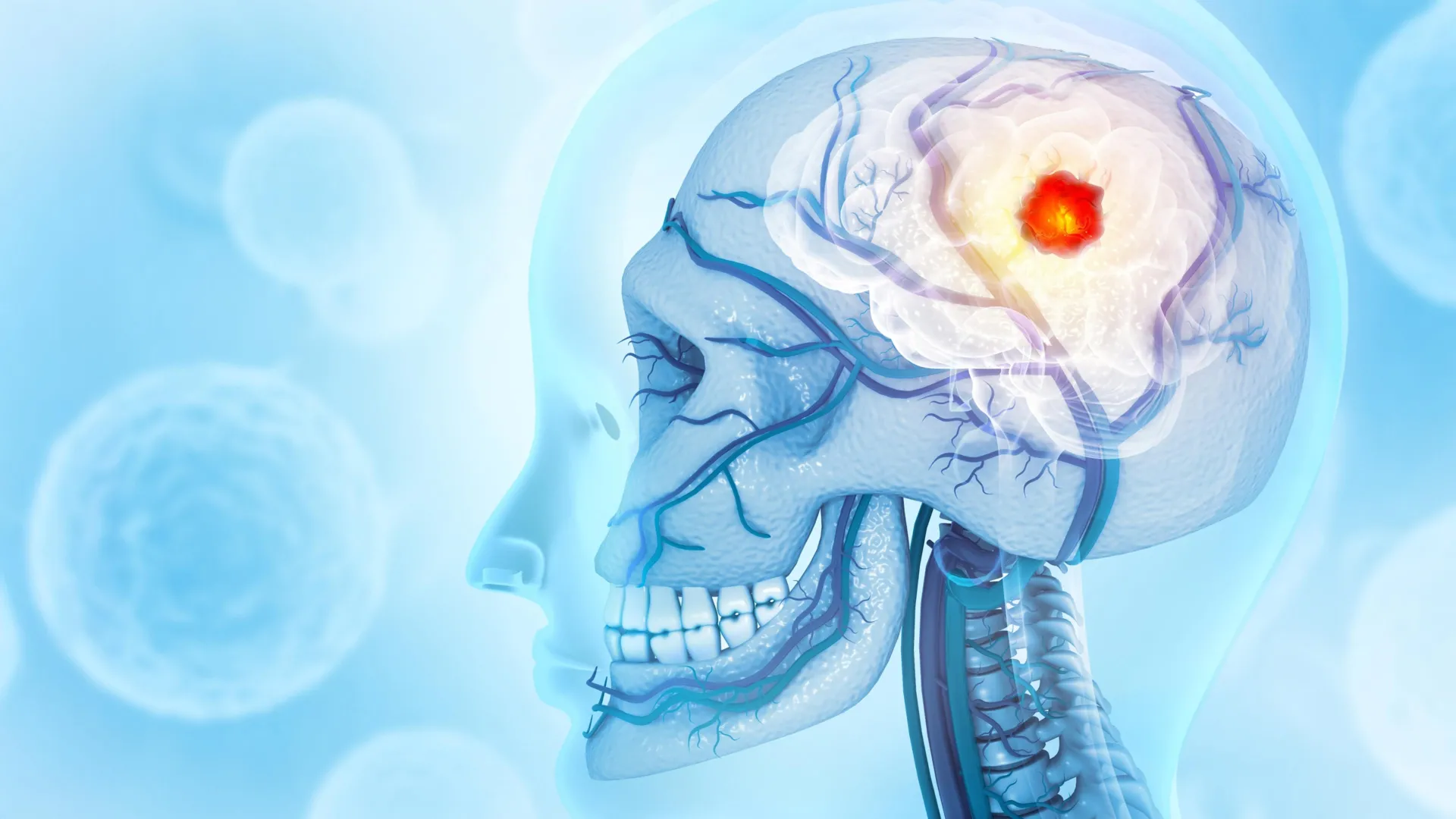
Researchers at the Montefiore Einstein Comprehensive Cancer Center (MECCC) and the Albert Einstein College of Medicine have unveiled groundbreaking findings that fundamentally challenge the long-held understanding of glioblastoma, the most aggressive and lethal form of brain cancer. The study, published on October 3rd in the prestigious journal Nature Neuroscience, reveals that glioblastoma does not confine its destructive influence solely to brain tissue. Instead, it actively engages with and damages the skull itself, profoundly altering the composition of the bone marrow within the cranial vault and, in doing so, significantly disrupting the body’s immune system. This paradigm-shifting discovery carries critical implications for treatment strategies, indicating that therapies designed to combat bone loss could, paradoxically, accelerate the disease’s progression.
A New Understanding of Glioblastoma’s Systemic Reach
For decades, glioblastoma has been treated as a localized malignancy, a formidable enemy contained within the confines of the brain. Current standard-of-care protocols, which typically involve a multi-modal approach of surgery, radiation therapy, and chemotherapy, have yielded limited success, with a median survival time of approximately 15 months for diagnosed patients in the United States. The National Cancer Institute (NCI) estimates that around 15,000 individuals in the U.S. are diagnosed with this devastating cancer annually. The new research, led by Dr. Jinan Behnan, an assistant professor in the Leo M. Davidoff Department of Neurological Surgery and in the department of microbiology & immunology at Einstein, and a member of the NCI-designated MECCC, suggests that this localized approach may be a key reason for the persistent lack of therapeutic breakthroughs.
"Our discovery that this notoriously hard-to-treat brain cancer interacts with the body’s immune system may help explain why current therapies — all of them dealing with glioblastoma as a local disease — have failed, and it will hopefully lead to better treatment strategies," stated Dr. Behnan, the paper’s corresponding author. This sentiment underscores the potential for a radical shift in how glioblastoma is conceptualized and treated, moving from a purely intracranial focus to a more holistic, systemic view.
The Skull: An Unsuspected Battleground
The research team’s investigation was spurred by recent scientific revelations concerning the intricate vascular and cellular connections that bridge the skull and the brain. It is now understood that extremely thin channels exist, facilitating a dynamic exchange of molecules and immune cells between these two vital regions. These channels, previously overlooked in the context of brain cancer, have emerged as crucial conduits for glioblastoma’s insidious influence.
Using sophisticated imaging technologies, Dr. Behnan’s team meticulously examined mice engineered to develop two distinct types of glioblastoma. Their observations were stark: the cancer induced significant erosion of skull bones, with a particular predilection for the sutures – the fibrous joints where the skull bones fuse. Crucially, this specific pattern of bone loss was found to be uniquely associated with glioblastoma and other aggressive brain tumors. It did not manifest in mice experiencing strokes, other forms of brain injury, or cancers that originated elsewhere in the body, reinforcing the idea that glioblastoma possesses a unique tropism for cranial bone.
To validate these findings in humans, the researchers analyzed CT scans of glioblastoma patients. The results mirrored those observed in the animal models, revealing comparable reductions in skull thickness in the same anatomical regions. This cross-species consistency provides robust evidence for glioblastoma’s direct impact on the cranial structure.
Marrow Malignancy: The Immune System’s Compromise
The erosion of skull bone, the study revealed, led to a significant increase in both the number and the size of the channels connecting the skull and the brain. The scientists theorized that these enlarged conduits might serve as pathways for the tumor to transmit molecular signals into the skull marrow, thereby corrupting its normally balanced immune environment.
The skull, much like other bones in the body, houses bone marrow. This vital tissue is the birthplace of immune cells and other essential blood components. By altering the skull marrow, glioblastoma appears to be orchestrating a pro-tumorigenic immune response.
Employing single-cell RNA sequencing, a powerful technique for analyzing the genetic expression of individual cells, the researchers uncovered a dramatic shift in the skull marrow’s immune cell landscape. Glioblastoma induced a significant skewing towards pro-inflammatory myeloid cells. Specifically, the levels of inflammatory neutrophils nearly doubled, while several types of antibody-producing B cells and other B cell populations were drastically reduced, almost to the point of elimination.
"The skull-to-brain channels allow an influx of these numerous pro-inflammatory cells from the skull marrow to the tumor, rendering the glioblastoma increasingly aggressive and, all too often, untreatable," explained Dr. E. Richard Stanley, a professor of developmental and molecular biology at Einstein and a co-author of the study. "This indicates the need for treatments that restore the normal balance of immune cells in the skull marrow of people with glioblastoma. One strategy would be suppressing the production of pro-inflammatory neutrophils and monocytes while at the same time restoring the production of T and B cells."
Systemic Divergence: Skull vs. Femur Marrow
Further adding to the evidence that glioblastoma is not merely a local phenomenon but a disease with systemic ramifications, the study highlighted a striking difference in how the bone marrow of the skull and the femur (the long bone in the thigh) responded to the cancer. While glioblastoma activated genes in the skull marrow that amplified the production of inflammatory immune cells, the marrow within the femur, in contrast, experienced a suppression of genes crucial for the generation of several types of immune cells. This divergent response underscores the complex and multifaceted ways glioblastoma infiltrates and manipulates the body’s intricate defense mechanisms.
Unforeseen Consequences of Osteoporosis Treatments
The researchers’ investigation took an unexpected turn when they explored the potential impact of anti-osteoporosis medications. Given that glioblastoma was causing bone loss in the skull, the team hypothesized that drugs designed to prevent bone resorption might influence the disease. They administered two FDA-approved osteoporosis drugs – zoledronic acid and denosumab – to mice bearing glioblastoma tumors.
The results were both informative and concerning. Both drugs successfully halted the skull bone erosion. However, zoledronic acid, in one of the glioblastoma models, inadvertently promoted tumor progression. Furthermore, both medications appeared to interfere with the efficacy of anti-PD-L1, a promising immunotherapy drug that enhances the activity of tumor-fighting T cells. This finding raises a critical caution flag regarding the use of bone-preserving therapies in patients with glioblastoma, suggesting that such treatments could potentially exacerbate the disease or diminish the effectiveness of existing immunotherapies.
Implications for Future Therapeutic Strategies
The findings of this study represent a significant leap forward in understanding glioblastoma’s complex biology. By revealing the intricate interplay between the tumor, the skull bone, and the bone marrow’s immune microenvironment, the research opens up entirely new avenues for therapeutic intervention.
Potential Treatment Directions:
- Targeting Skull Marrow Inflammation: Future treatments could focus on modulating the immune landscape of the skull marrow. This might involve developing drugs that specifically suppress the overproduction of pro-inflammatory neutrophils and monocytes while simultaneously stimulating the production of crucial T and B cells.
- Rebalancing Immune Cells: Restoring a healthy balance of immune cells in the skull marrow could potentially disarm the pro-tumorigenic environment and enhance the body’s natural ability to fight the cancer.
- Rethinking Bone-Targeting Therapies: The study’s findings on osteoporosis drugs necessitate a careful re-evaluation of their use in glioblastoma patients. Further research is crucial to understand the precise mechanisms by which these drugs affect tumor progression and immunotherapy response.
- Broader Systemic Therapies: Glioblastoma may need to be approached as a systemic disease, with treatments that address not only the primary tumor in the brain but also its influence on distant sites like the bone marrow.
A Collaborative Effort
The research paper, titled "Brain Tumors Induce Widespread Disruption of Calvarial Bone and Alteration of Skull Marrow Immune Landscape," is a testament to extensive collaboration. In addition to Drs. Behnan and Stanley, numerous researchers from MECCC and Einstein contributed significantly, including Abhishek Dubey, Biljana Stangeland, Imane Abbas, David Fooksman, Ph.D., Wade R. Koba, B.S., Jinghang Zhang, M.D., Benjamin T. Himes, Ph.D., Derek Huffman, Ph.D., Zhiping Wu, Rachel Welch, David Reynolds, B.S., Kostantin Dobrenis, Ph.D., Qinge Ye, Kevin Fisher, and Emad Eskandar, M.D. The study also benefited from international partnerships with researchers from Osaka University in Japan, Karolinska Hospital in Sweden, Duke University Medical Center in North Carolina, the University of California, San Francisco, and the German Rheumatism Research Center (DRFZ) and Freie Universität Berlin in Germany.
This comprehensive, multi-institutional effort underscores the global commitment to unraveling the mysteries of glioblastoma and developing more effective treatments for patients facing this devastating diagnosis. The discovery promises to reshape the future of brain cancer research and clinical practice.
