
 By admin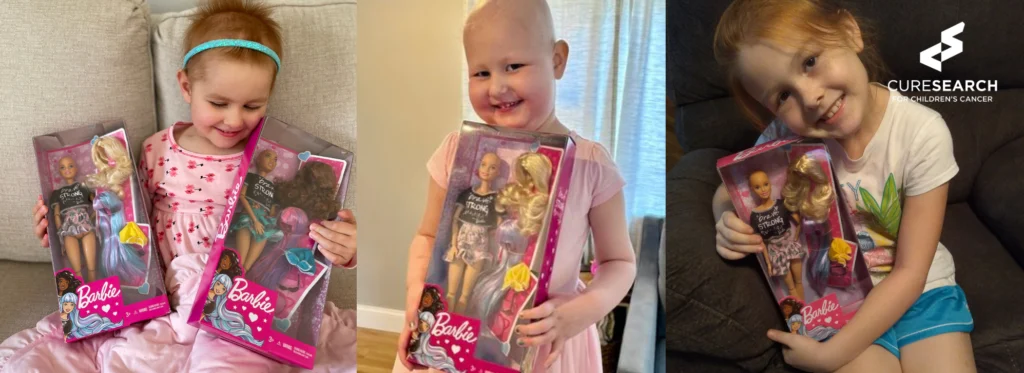
In a significant milestone for pediatric patient support and corporate social responsibility, CureSearch for Children’s Cancer and Mattel are marking the 10th anniversary of the Brave Barbie program. Launched as a collaborative effort to provide emotional support to children facing the physical rigors of oncology treatment, the program has grown from a specialized initiative into a national symbol of resilience. Since its inception, the partnership has focused on addressing the psychological impact of hair loss, a common and often traumatic side effect of chemotherapy and radiation, by providing a toy that mirrors the appearance of the children it serves.
The program’s reach has expanded significantly over the last decade. To date, more than 100,000 Brave Barbie dolls have been distributed free of charge to children across the United States. These dolls are sent directly to families and are also stocked in more than 200 hospitals and treatment centers nationwide. By providing a bald Barbie doll, Mattel and CureSearch aim to normalize the experience of hair loss and reinforce the message that a child’s identity and beauty are not defined by their physical appearance during treatment.
The Origins and Mission of the Brave Barbie Program
The Brave Barbie initiative began in 2013 following advocacy from parents and medical professionals who recognized a gap in the toy market for children undergoing intensive medical treatments. While Barbie has historically represented a wide range of careers and lifestyles, there was a pressing need for a version of the doll that represented the reality of thousands of young girls diagnosed with cancer and other illnesses resulting in alopecia.
CureSearch, a national nonprofit based in Bethesda, Maryland, joined forces with Mattel to ensure these dolls reached the hands of those who needed them most. The mission was twofold: to provide immediate comfort to patients and to raise awareness about the unique challenges of pediatric cancer. Unlike standard Barbie dolls found on retail shelves, Brave Barbie is not sold in stores. It is produced specifically as a gift for patients, ensuring that the initiative remains focused on its philanthropic roots rather than commercial gain.
Nancy Molenda, Executive Director of the Mattel Children’s Foundation and Corporate Philanthropy, emphasized the doll’s role as a companion. “Brave Barbie is given to children that are going through difficult cancer treatments so that they can see themselves and feel comforted that they’re not going through this alone,” Molenda stated. This sense of representation is critical in pediatric care, where the sudden loss of hair can lead to social withdrawal and a diminished sense of self for young patients.
Navigating the Realities of Pediatric Oncology and Treatment Toxicity
While Brave Barbie serves as a source of emotional comfort, the organizations behind the doll are also deeply involved in addressing the underlying medical crisis of childhood cancer. Pediatric cancer remains the leading cause of death by disease among children in the United States. Each year, approximately 15,000 children and adolescents are diagnosed with cancer, facing a healthcare journey that is fundamentally different from adult oncology.
Kay Koehler, President and CEO of CureSearch, highlights a grim reality often overlooked by the general public: the long-term "toxicity" of current treatment protocols. Because many pediatric treatments were originally developed for adults, they can be incredibly harsh on developing bodies.
“When children go through cancer treatments, the toxicity from their treatment causes lifelong side effects,” Koehler explained. “They can become blind or deaf, and there’s always a risk of secondary cancer or heart failure just as they’re graduating from high school, or beginning to start their new life.”
The data regarding "late effects" of cancer treatment is sobering. According to clinical research, more than 60% of childhood cancer survivors will develop at least one chronic health condition as a result of their treatment, and 25% will face a severe or life-threatening complication by the time they reach middle age. This reality underscores the importance of CureSearch’s mission to fund translational research—scientific work specifically designed to move from the laboratory to clinical trials, resulting in "smarter" and less toxic therapies.
The Psychological Impact of Representative Play
The introduction of Brave Barbie aligns with a broader movement within the toy industry toward inclusivity and representation. Psychologists have long noted that toys are more than just playthings; they are tools for identity formation and social development. For a child losing their hair to chemotherapy, a doll that shares that physical trait can act as a bridge to self-acceptance.
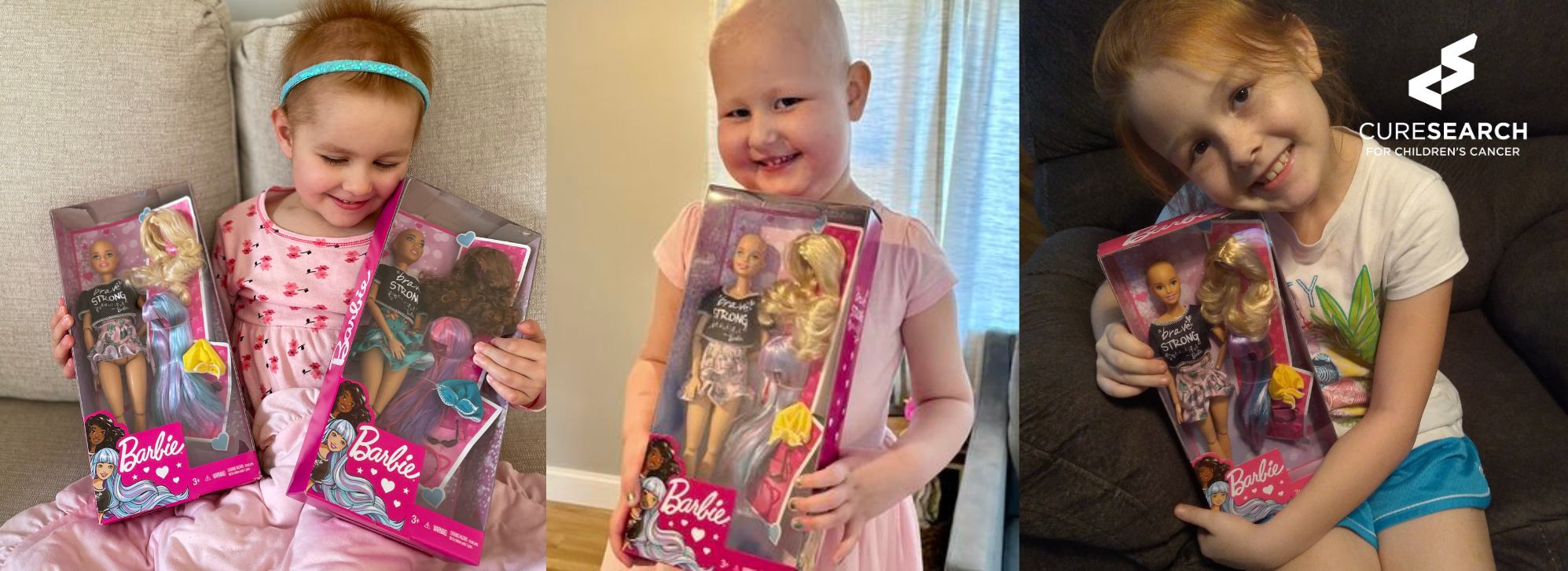
Krystle Kincade-Crean, whose daughter Chloe was diagnosed with leukemia in 2022, shared the profound impact the doll had on her family. “When Chloe got her doll in the mail, there was a moment of joy when she saw that the doll looked like her,” Kincade-Crean recalled. “I’m really happy that Brave Barbie can show Chloe that bald is beautiful and hair doesn’t define her.”
By seeing a high-profile, iconic figure like Barbie without hair, children are provided with a visual shorthand for strength. The doll typically comes with accessories such as headscarves and wigs, allowing children to play out the various stages of their own treatment and recovery. This form of "medical play" is often utilized by Child Life Specialists in hospitals to help patients process their diagnoses and feel a sense of agency over their circumstances.
A Decade of Distribution and Hospital Partnerships
The logistics of the Brave Barbie program involve a sophisticated network of hospital partnerships. By integrating the dolls into the hospital setting, Mattel and CureSearch ensure that the resource is available at the point of care. Many of the 200+ participating hospitals use the dolls as part of their intake process for new oncology patients, providing the toy as a "courage kit" item.
The distribution of over 100,000 dolls over ten years represents a significant commitment from the Mattel Children’s Foundation. For Mattel, the project is a cornerstone of its broader "Barbie Fashionistas" philosophy, which has seen the brand introduce dolls with various skin tones, body types, and disabilities, including dolls that use wheelchairs or have vitiligo. However, Brave Barbie remains distinct due to its specialized distribution model and its direct link to the oncology community.
Analysis: The Role of Corporate-Nonprofit Synergy in Healthcare
The success of the Brave Barbie program provides a template for how corporate entities and specialized nonprofits can collaborate to address complex social issues. Mattel provides the manufacturing power, brand recognition, and logistical infrastructure, while CureSearch provides the medical context, the connection to the patient community, and a focus on the long-term solution: better research.
From a journalistic perspective, the program’s longevity—reaching the ten-year mark—indicates a sustainable model of philanthropy. Many corporate social responsibility (CSR) initiatives are short-lived or tied to specific marketing campaigns. The Brave Barbie program’s persistence suggests it has become an essential component of pediatric supportive care.
Furthermore, the program highlights the necessity of non-commercial avenues for specialized toys. Because the market for a bald Barbie is relatively small compared to the general population, a traditional retail model might not have been viable or appropriate. By choosing a donation-based model, the partners have prioritized patient access over profit margins.
Future Outlook for Pediatric Cancer Advocacy
As CureSearch and Mattel celebrate this decade of partnership, the focus remains on the future of pediatric healthcare. CureSearch continues to advocate for increased federal and private funding for childhood cancer research, noting that only a small fraction of the National Cancer Institute’s budget is dedicated specifically to pediatric cases.
The organization’s unique funding model is "laser-focused" on accelerating the development of new therapies in areas of high unmet need. By only funding projects with the strongest potential to reach clinical trials, CureSearch aims to bridge the "valley of death" in drug development—the gap between initial laboratory discovery and the availability of a new treatment for patients.
For families currently navigating a diagnosis, Brave Barbie remains available. Requests can be made through the CureSearch website, where the organization also provides resources for parents on understanding clinical trials and managing the long-term side effects of treatment.
In conclusion, the ten-year anniversary of Brave Barbie is a testament to the power of representation in pediatric medicine. While the doll cannot cure the disease, it serves as a critical ally for children during their most difficult moments. As research continues to advance toward safer, more effective treatments, the presence of "Brave Barbie" in hospitals across the country ensures that the emotional and psychological needs of young patients are not forgotten in the process. Through this partnership, CureSearch and Mattel have demonstrated that in the fight against childhood cancer, hope often comes in small, familiar packages.
