
 By admin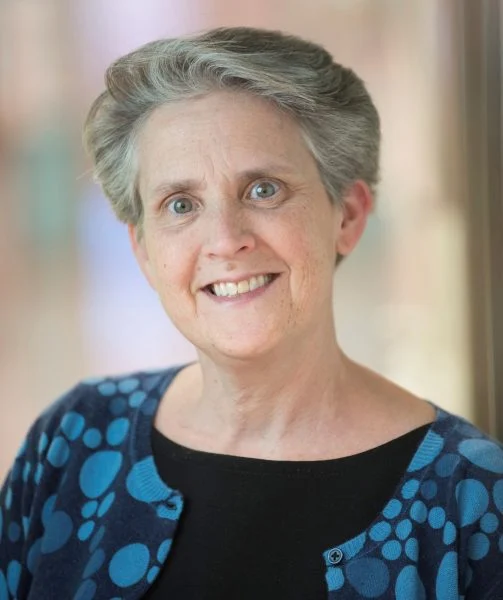
The landscape of pediatric oncology is witnessing a potentially transformative shift as a groundbreaking clinical trial begins in the Twin Cities, targeting two of the most lethal forms of childhood brain cancer. Brain tumors have long held the somber distinction of being the leading cause of cancer-related deaths among children, surpassing leukemia in recent years due to advancements in blood cancer treatments that have not been mirrored in neuro-oncology. Among these, diffuse midline glioma (DMG) and diffuse intrinsic pontine glioma (DIPG) represent the most formidable challenges, often carrying a prognosis that has remained largely unchanged for decades.
The current trial, which is currently enrolling a select group of fewer than a dozen children, represents the culmination of more than 20 years of rigorous laboratory and translational research conducted at the University of Minnesota. Funded by the Children’s Cancer Research Fund (CCRF) and supported by a coalition of national philanthropists and investment firms, the study aims to dismantle the biological defenses that allow these tumors to evade the human immune system. For the medical community and the families of those diagnosed with DMG, this trial is not merely a scientific milestone but a long-awaited beacon of hope in a field where options have historically been tragically limited.
The Grave Challenge of Pediatric High-Grade Gliomas
To understand the significance of this clinical trial, one must first grasp the biological severity of DMG and DIPG. These tumors are classified as high-grade gliomas that occur in the critical structures of the brain, such as the pons or the thalamus. Because they are "diffuse," they do not grow as a solid, contained mass that can be surgically removed. Instead, they weave themselves into the healthy tissue of the brainstem and midline, making surgical resection impossible without causing catastrophic neurological damage.
Statistically, the outlook for children diagnosed with these conditions is harrowing. According to data from the National Cancer Institute and various pediatric brain tumor registries, the median survival time for a child diagnosed with DIPG is approximately nine to eleven months. The five-year survival rate remains below 1%, a statistic that has seen little improvement since the 1970s. While radiation therapy is the current standard of care and can provide a temporary reprieve by shrinking the tumor, it is not a cure. Most tumors begin to regrow within months of completing radiation, and subsequent treatments have historically proven ineffective.
Two Decades of Scientific Persistence
The journey to this clinical trial began in the early 2000s within the research laboratories of the University of Minnesota. For two decades, scientists have worked to decode why DMG and DIPG are so resistant to conventional therapies and the body’s own defenses. A primary discovery in this pursuit was the identification of what researchers describe as a "protein shield."
In a healthy individual, the immune system is equipped with T-cells and macrophages designed to identify and destroy abnormal cells. However, DMG cells are adept at molecular mimicry and suppression. They express specific proteins on their surface that send "don’t eat me" signals to the immune system. This shield effectively renders the tumor invisible to the body’s natural hunters.
The breakthrough that led to the current trial involves a newly developed "shield-busting" molecule. This molecule is designed to bind to the proteins on the tumor’s surface, neutralizing the "don’t eat me" signal and allowing the immune system to recognize the cancer as a foreign threat. However, identifying the enemy is only half the battle; the immune system also requires the strength and specificity to launch an effective counterattack. To address this, the trial utilizes a dual-action approach: the shield-busting molecule is administered in combination with a sophisticated new vaccine tailored to prime the immune system to aggressively target DMG cells.
Clinical Trial Structure and Participation
The clinical trial is being facilitated through the Neuro-oncology Program at Children’s Minnesota. Under the leadership of Dr. Anne Bendel, the program’s director, the trial is focusing on a small, controlled cohort to monitor safety, dosage, and efficacy. The decision to limit the initial phase to fewer than 12 children is standard for early-stage trials, ensuring that researchers can closely observe the biological responses of each patient.
"For far too long, there hasn’t been an effective way to fight DMG," Dr. Bendel stated regarding the launch of the trial. "This clinical trial is a critical step toward changing that reality for kids. Caring for these patients reminds us why research matters—every child deserves a healthy, happy future with the people they love most."
The protocol involves a complex regimen where the therapeutic vaccine and the molecule work in tandem. The vaccine introduces tumor-specific antigens to the patient’s immune system, essentially providing a "wanted poster" for the cancer cells. Simultaneously, the molecule removes the camouflage (the protein shield) that the tumor uses to hide. By combining these two mechanisms, researchers hope to achieve a level of sustained immune response that has never before been possible in the treatment of midline gliomas.

A Timeline of Progress in Neuro-Oncology Research
The path from the laboratory bench to the patient’s bedside is often long and fraught with setbacks. The timeline for this specific breakthrough highlights the necessity of sustained funding and academic dedication:
- 2004–2010: Initial mapping of the DMG genome and identification of the H3 K27M mutation, which is present in the majority of these tumors.
- 2011–2015: University of Minnesota researchers begin testing various molecular compounds in vitro (in lab dishes) to see which could penetrate the blood-brain barrier and affect tumor cell signaling.
- 2016–2019: Pre-clinical trials in animal models demonstrate that neutralizing specific surface proteins could lead to tumor regression when combined with immunotherapy.
- 2020–2023: Development of the specific shield-busting molecule and the companion vaccine. Regulatory hurdles and FDA approvals are cleared for a Phase 1 human clinical trial.
- 2024–Present: The clinical trial officially opens in the Twin Cities, enrolling its first participants.
The Role of Venture Philanthropy and National Investment
One of the unique aspects of this trial is its funding structure. Traditional pharmaceutical companies often hesitate to invest the hundreds of millions of dollars required for pediatric cancer research because the "market"—the number of affected children—is thankfully small compared to adult cancers like lung or breast cancer. This creates a "funding gap" that often stalls promising research.
To bridge this gap, the Children’s Cancer Research Fund (CCRF) coordinated a massive effort involving major U.S. investment firms, top wealth advisors, and high-net-worth philanthropists. This "venture philanthropy" model treats medical research as a high-stakes investment where the "return" is measured in lives saved rather than dollars earned. This influx of private capital allowed the University of Minnesota and Children’s Minnesota to move forward with the trial without waiting for federal grants that can take years to process.
The involvement of the financial sector also signals a growing trend in medical research where private equity and philanthropic organizations collaborate to fast-track "orphan drugs"—treatments for rare diseases that might otherwise be ignored by the broader market.
Broader Implications for Pediatric Oncology
The implications of this trial extend far beyond the borders of Minnesota. If the combination of the shield-busting molecule and the vaccine proves successful, it could provide a blueprint for treating other "cold" tumors—cancers that the immune system typically ignores.
Medical analysts suggest that the success of this trial could lead to:
- A Shift in Standard of Care: If the treatment shows even a modest increase in survival rates, it could replace or augment radiation as the primary treatment for DMG and DIPG.
- Increased Focus on Immunotherapy for Brain Cancers: Historically, the blood-brain barrier has made immunotherapy difficult. This trial’s approach to neutralizing the "protein shield" could be applied to adult glioblastomas, which are also notoriously difficult to treat.
- Expansion of Clinical Sites: While the trial is currently centered in the Twin Cities, success in the initial cohort would likely lead to a multi-center Phase 2 trial involving hospitals across the United States and Europe.
Analysis of the Road Ahead
While the atmosphere surrounding the trial is one of optimism, researchers remain cautious. The history of DIPG research is littered with "miracle drugs" that showed promise in the lab but failed to produce long-term results in human patients. The brain is an incredibly complex environment, and the diffuse nature of these tumors means they can evolve rapidly to resist new treatments.
However, the specific focus on the immune system’s "checkpoints" and "shields" represents a more sophisticated approach than the blunt-force methods of the past. By targeting the very mechanism that allows the cancer to exist within the host, researchers are attempting to turn the body’s own biological architecture against the disease.
For the families currently participating in the trial, the stakes could not be higher. Each day represents a battle against a clock that has historically been unkind to children with midline gliomas. As the medical community watches the progress in the Twin Cities, the hope is that the 20 years of research at the University of Minnesota will finally yield the breakthrough that transforms DMG from a terminal diagnosis into a manageable, and eventually curable, condition.
As the trial continues, the data collected will be vital. Even if the treatment does not provide a universal cure, the insights gained into how the "protein shield" functions in a live human environment will be invaluable for the next generation of pediatric oncologists. For now, the focus remains on the small group of children in the Twin Cities, whose participation in this research may one day be remembered as the turning point in the fight against childhood’s deadliest cancer.
